How to Know If My Cat Has Anxiety: Signs and Solutions
Have you ever noticed your cat acting a little off lately? Maybe they’re hiding more than usual, or perhaps they’re unusually jumpy.
If you’ve ever wondered, “How do I know if my cat has anxiety? ” You’re not alone. Many pet owners face this puzzling situation. Understanding your cat’s behavior is crucial because, just like humans, cats can experience anxiety too. But how can you tell if it’s anxiety and not something else?
This article will guide you through the tell-tale signs of feline anxiety and what you can do about it. Keep reading to ensure your furry friend feels safe and comfortable in their home. Your cat’s happiness might just depend on it.
Recognizing Anxiety In Cats
Cats are known for their independence and calm demeanor. But they can also experience anxiety. Recognizing anxiety in cats is crucial for their well-being. It helps you provide the right support and care. Understanding the signs of anxiety can be challenging. Cats often hide their discomfort. They might not show obvious signs. This section guides you through common indicators of feline anxiety. It focuses on behavioral changes, physical symptoms, and environmental triggers.
Behavioral Changes
Behavioral changes are often the first clue. Your cat might become withdrawn. They may hide more often. Increased aggression is another sign. Some cats may start biting or scratching. Excessive vocalization is also common. Your cat might meow more than usual. Changes in litter box habits can indicate anxiety. You might notice them urinating outside the box. Pay attention to any shift in their routine.
Physical Symptoms
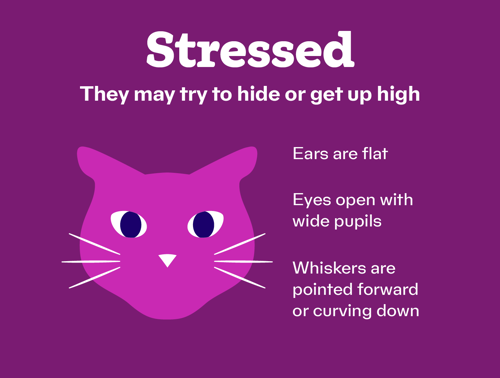
Physical symptoms are another indicator. Watch for excessive grooming. This can lead to bald patches. Your cat might lose weight unexpectedly. Appetite changes often accompany anxiety. Vomiting or diarrhea are possible signs. Your cat might seem lethargic or restless. They could have dilated pupils. Rapid breathing or panting are also concerning. These physical signs require prompt attention.
Environmental Triggers
Environmental factors can trigger anxiety. Loud noises often stress cats. Thunderstorms or fireworks are common culprits. Changes in the home environment can affect them. Moving houses is particularly unsettling. Introducing new pets or family members might cause anxiety. Your cat could feel threatened by these changes. Keep their environment stable and calm. This helps minimize stress and anxiety.

Credit: www.richmondvetclinic.ca
Common Causes Of Feline Anxiety
Cats can experience anxiety, just like humans. Understanding the causes can help. Addressing these issues can improve your cat’s well-being. Let’s explore some common causes of feline anxiety.
Lack Of Socialization
Cats need early socialization with people and other animals. Without it, they may become anxious. Unsocialized cats often fear unfamiliar environments. They may hide or display aggressive behavior. Socialization helps them feel safe and secure.
Changes In Routine
Cats love routine and predictability. Sudden changes can upset them. Moving to a new home or changing feeding times can be stressful. Keeping a consistent routine helps reduce anxiety. Gradual adjustments are easier for cats to handle.
Loud Noises
Loud noises can scare cats. Thunderstorms, fireworks, and loud music are common triggers. These sudden sounds can make them feel threatened. They might hide or run away. Providing a quiet space can help them feel safe.
Assessing Your Cat’s Wellbeing
Understanding your cat’s mental health is crucial. Cats, like humans, can experience anxiety. Recognizing the signs requires careful observation. This ensures your feline friend stays happy and healthy.
Assessing your cat’s wellbeing involves several steps. Each step provides insight into their state of mind. By focusing on their behavior and habits, you can spot anxiety early.
Observational Techniques
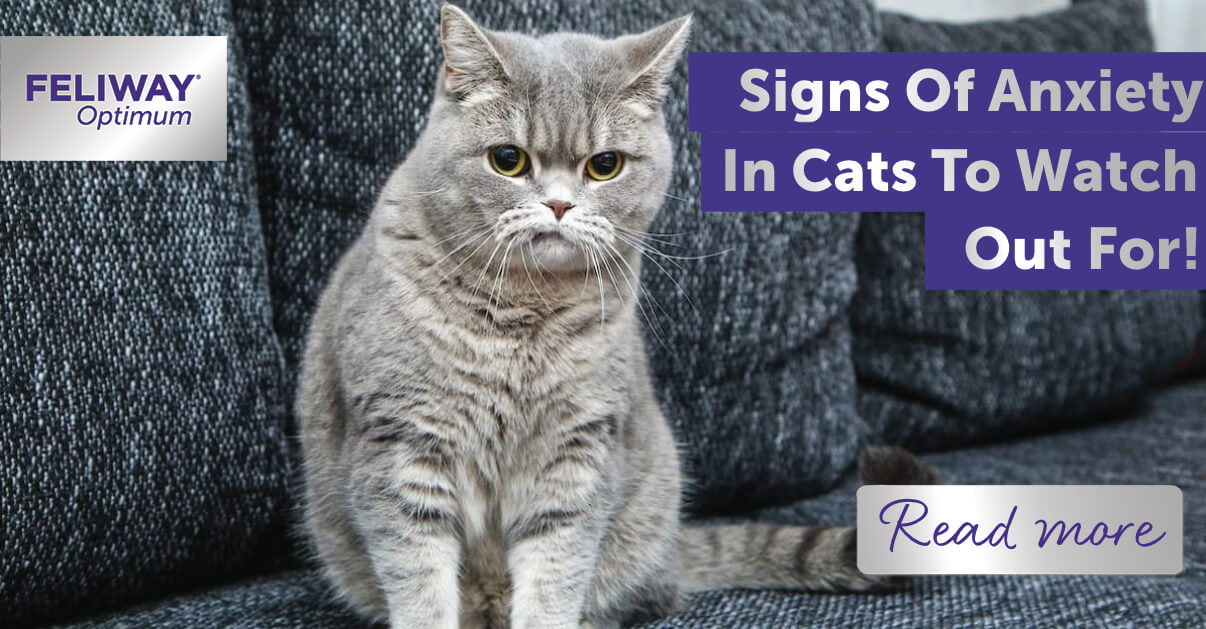
Watch your cat’s daily behavior closely. Notice any changes in their routine. Cats with anxiety might hide more often. They may also groom excessively. Look for signs of restlessness or irritability. These behaviors often indicate stress or worry.
Monitoring Eating Habits
Diet changes can signal anxiety in cats. Notice if your cat eats less or more than usual. Sudden weight loss or gain is a red flag. A cat’s appetite often reflects their emotional state. Consistent eating patterns suggest they are feeling secure.
Evaluating Playfulness
Playfulness is a sign of a happy cat. Observe how your cat interacts with toys. An anxious cat may seem uninterested in play. They might sleep more and play less. Lack of enthusiasm often signals underlying anxiety.
Credit: us.feliway.com
Effective Solutions For Anxiety
Cats can show anxiety through changes in behavior. Notice excessive grooming or hiding. Sudden aggression or loss of appetite can also be signs. Understanding these symptoms helps in providing effective solutions for your pet’s anxiety.
Understanding your cat’s anxiety is just the first step. The real magic lies in finding effective solutions that cater to their specific needs. Imagine transforming your home into a haven where your cat feels secure and content. Addressing their anxiety can lead to a happier and healthier life for both of you. Here are some practical solutions to help your feline friend feel at ease.Creating A Safe Space
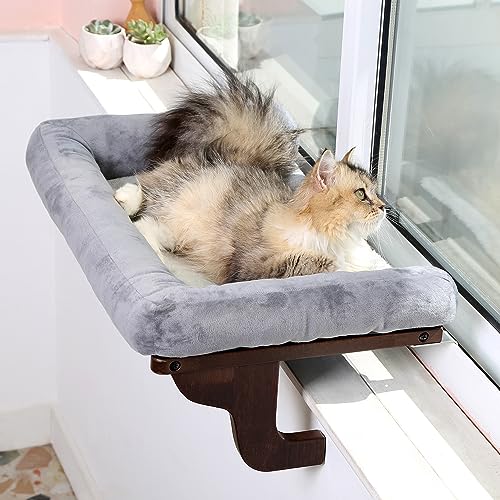
Cats thrive in environments where they feel safe and secure. Consider designating a quiet corner of your home as your cat’s sanctuary. This space should have their favorite toys, a cozy bed, and perhaps a piece of clothing with your scent. Have you noticed how your cat seeks solitude when stressed? Providing a dedicated area can offer them refuge from the chaos of daily life.Behavioral Therapy
Sometimes, anxiety stems from deeper behavioral issues. Working with a professional animal behaviorist can be enlightening. They can guide you through techniques to help your cat manage anxiety triggers. Have you ever thought about how your actions might influence your cat’s behavior? Adjusting your interactions can make a world of difference.Calming Supplements
There’s a growing market for supplements designed to ease pet anxiety. These can be a gentle aid to help your cat feel more relaxed. Products containing natural ingredients like chamomile or valerian root can be beneficial. It’s crucial to consult your vet before adding supplements to your cat’s routine. How often do you check the labels on pet products? Ensuring they are safe and appropriate is key to your cat’s well-being. Addressing anxiety isn’t just about quick fixes; it’s about nurturing a trusting and supportive environment. Are you ready to take the steps needed to ensure your cat feels their best? As you explore these solutions, remember that patience and love are your greatest tools.When To Consult A Veterinarian
Understanding when to consult a veterinarian about your cat’s anxiety is crucial for ensuring their well-being. Cats, like humans, can experience stress and anxiety, but knowing when these feelings warrant professional attention can be challenging. If you’re seeing signs that your furry friend might need help, it’s essential to know when it’s time to reach out to a vet.
Persistent Symptoms
Has your cat been showing signs of anxiety consistently over a period of weeks? If symptoms like excessive grooming, avoidance, or changes in appetite persist, it might be more than a temporary phase. Consider whether these behaviors are disrupting their daily life. Your cat’s health could be at risk, and a vet’s insight might be invaluable.
Severe Behavioral Changes
Is your cat suddenly aggressive or unusually withdrawn? Severe changes in behavior can indicate heightened anxiety levels. If your once playful cat is now hiding under the bed all day, it may be time to act. Have you noticed any destructive behavior that isn’t typical for your cat? These could be cries for help.
Professional Diagnosis
While online resources can be helpful, they can’t replace a professional diagnosis. A vet can conduct tests and provide a clear diagnosis. They can suggest treatment options tailored to your cat’s needs. Wouldn’t you want the peace of mind that comes from knowing you’re doing everything possible for your pet?
Your cat relies on you to interpret their needs. If anxiety is affecting their quality of life, consulting a veterinarian might be the best decision you can make for them. What steps will you take to ensure your cat gets the help they need?

Credit: restorapet.com
Frequently Asked Questions
What Are Signs Of Cat Anxiety?
Signs of cat anxiety include excessive grooming, hiding, aggression, vocalization, and changes in eating or litter habits. Look for pacing, restlessness, or destructive behavior. Increased clinginess or withdrawal can also indicate stress. Understanding these signs helps address your cat’s needs effectively.
How Do You Calm An Anxious Cat?
Create a calm environment by reducing loud noises. Provide a cozy hiding spot. Use soothing pheromone sprays. Engage in gentle play and offer treats. Regular routines help cats feel secure.
How Long Does It Take For A Cat To Get Over Stress?
Cats typically recover from stress in a few days to a couple of weeks. Patience is crucial. Provide a calm environment, regular routines, and gentle interactions. If stress persists, consider consulting a veterinarian for guidance. Recognize signs of improvement, like relaxed posture and playful behavior.
What Triggers Anxiety In Cats?
Loud noises, unfamiliar environments, and changes in routine often trigger anxiety in cats. New pets or people can also cause stress. Cats may show anxiety through hiding, aggression, or excessive grooming. Providing a stable and calm environment helps reduce their anxiety levels.
Conclusion
Recognizing anxiety in your cat is important for their well-being. Watch for signs like hiding, aggression, or excessive grooming. These behaviors can indicate stress. Create a calm environment to help them feel safe. Offer a consistent routine and playtime. This can reduce anxiety.
Consult your vet if symptoms persist. They can provide guidance and support. Remember, a happy cat is a healthy cat. Be patient and attentive. Your understanding can make a big difference. Your cat will thank you with love and purrs.