How to Help Cat With Separation Anxiety: Expert Tips

Does your cat become anxious when you leave home? You’re not alone.
Many cats experience separation anxiety, and it can be heart-wrenching to see your furry friend in distress. The good news is that you can make a difference. Understanding how to help your cat with separation anxiety can transform their behavior and improve their well-being.
Imagine coming home to a relaxed and happy pet. By following a few simple steps, you can create a comforting environment that eases your cat’s anxiety. Keep reading to discover practical tips that will not only calm your cat but also strengthen the bond you share.
Credit: tosvets.com
Recognizing Separation Anxiety In Cats
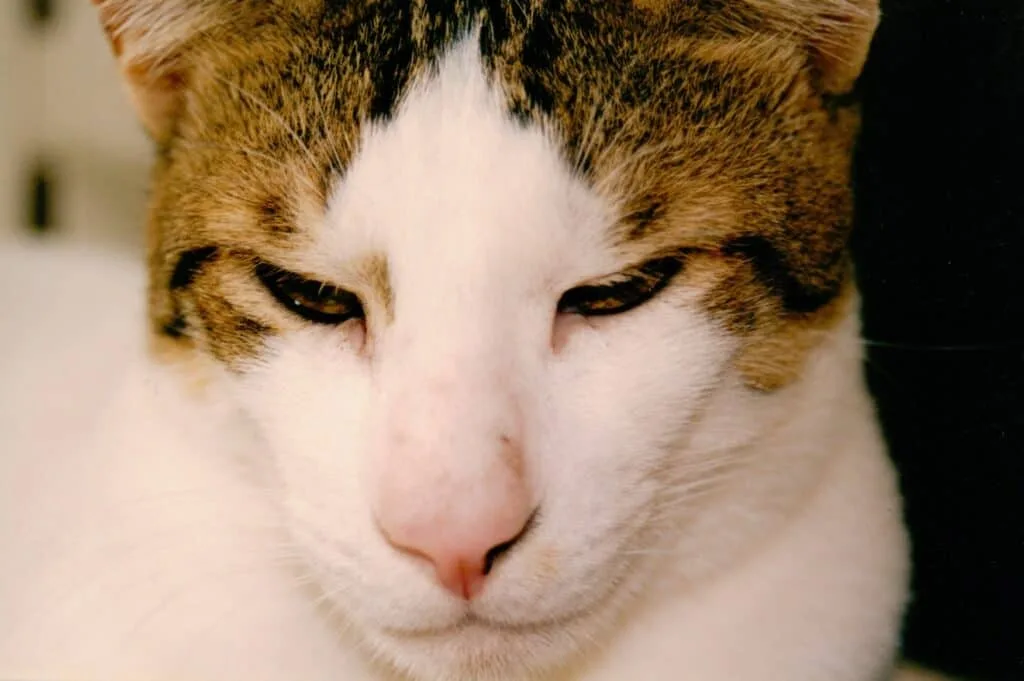
Separation anxiety in cats can disrupt their daily lives. Understanding this condition helps in providing proper care. Many cat owners miss the signs of this anxiety. It’s crucial to recognize the symptoms early. This can improve your cat’s well-being significantly.
Common Symptoms
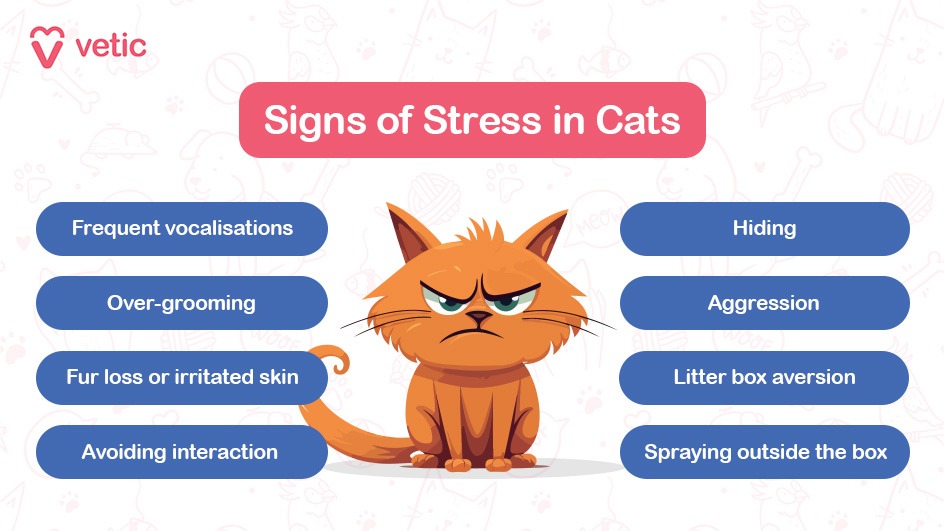
Cats with separation anxiety may show unusual behaviors. Excessive meowing is a common sign. Your cat might scratch furniture more than usual. Watch for changes in litter box habits. Some cats may urinate outside their litter box. They can also become overly clingy. Following you everywhere is another red flag. Your cat might refuse to eat when you’re gone. These signs indicate distress when alone.
Behavioral Changes
Behavioral changes can indicate your cat’s anxiety. Increased aggression can be one of these changes. Your usually calm cat might become more irritable. Destructive behavior is another sign to watch. Chewing on items or knocking things over is common. Your cat might also pace around the house. This restlessness shows their discomfort. They might hide more than usual. Cats often seek solace in secluded spots. Understanding these changes is key.
Creating A Comforting Environment
Cats often experience anxiety when their owners leave. Creating a comforting environment can ease this stress. A calm space helps your cat feel secure and loved. This environment can significantly reduce separation anxiety. Explore ways to create such an environment.
Safe Spaces
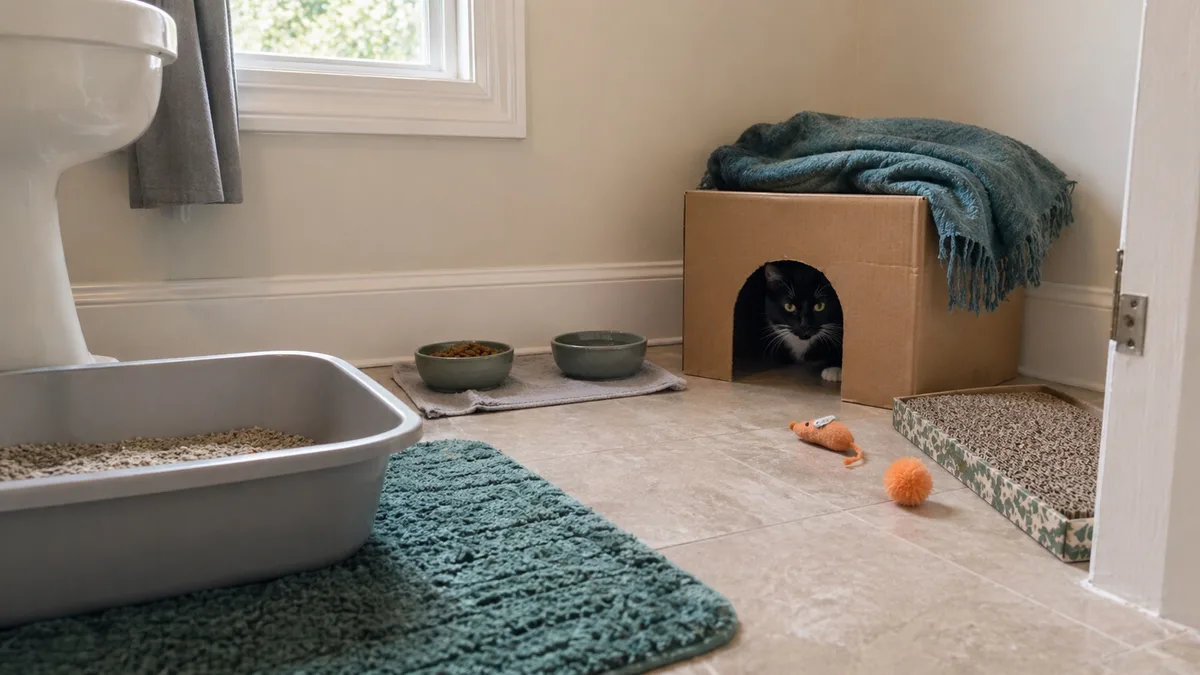
Cats need a safe space to retreat. This can be a quiet room or a cozy corner. Ensure this area is free from loud noises. Soft bedding and familiar scents are comforting. A window view can also provide entertainment. It keeps their mind engaged.
Comfort Items
Comfort items can reduce a cat’s anxiety. Blankets with your scent are reassuring. Toys keep them occupied and distracted. Puzzle feeders can stimulate their minds. These items make the cat feel less alone. They provide a sense of security and comfort.
Interactive Toys And Activities
Cats, like humans, can experience separation anxiety. Interactive toys and activities offer a wonderful way to help ease this anxiety. These toys engage your cat’s mind, keeping them occupied and less stressed while you are away. Providing stimulating activities can make a significant difference in your cat’s emotional well-being.
Engaging Playtime
Engaging playtime is crucial for cats with separation anxiety. Use toys that mimic prey, such as feather wands or laser pointers. These toys stimulate your cat’s hunting instincts. Regular play sessions can reduce stress and anxiety. Spend time daily playing with your cat. Short bursts of play are effective and fun.
Interactive toys like ball tracks or motorized mice can keep cats engaged. These toys move on their own, allowing cats to chase and pounce. Set up play areas with various toys to maintain interest. Rotate toys to keep the environment fresh and exciting.
Puzzle Feeders
Puzzle feeders are excellent for mental stimulation. They challenge your cat to solve problems to access food. This can keep your cat occupied for hours. Puzzle feeders come in various styles, such as balls or maze-like designs. Fill them with treats or kibble to encourage your cat to play.
Using puzzle feeders can reduce boredom and anxiety. They promote healthy eating habits and slow down fast eaters. Make sure to select the right difficulty level for your cat. Start with simple puzzles and gradually increase complexity. These feeders provide both mental and physical exercise.
Introduce new puzzle feeders occasionally to keep your cat intrigued. Variety prevents boredom and maintains engagement. Consider homemade puzzles with cardboard or plastic containers. Creativity can transform everyday items into stimulating toys.
Gradual Desensitization Techniques
Helping a cat with separation anxiety can be challenging, but gradual desensitization techniques offer a practical approach to ease your feline friend’s distress. This method involves slowly getting your cat used to being alone, minimizing anxiety over time. It’s not about making your cat instantly comfortable with solitude, but rather building their tolerance gradually, ensuring a smoother transition for both of you.
Short Absences
Start with brief separations. Leave your cat alone for just a few minutes. This could be as simple as stepping outside to check the mailbox. By leaving for short periods, you signal to your cat that you will return soon, reducing their anxiety.
Try incorporating a comforting routine before you leave. Perhaps a special toy or a cozy spot by the window can distract your cat. Over time, these short absences will become normal, reassuring your cat that solitude is temporary.
Have you noticed how your cat reacts when you’re in another room? Use this as a gauge. If they seem calm, you can extend the time gradually. Consistency is key, so make these short absences part of your daily routine.
Increasing Alone Time
Once your cat is comfortable with short absences, gradually increase the time they spend alone. Extend your trips outside or the time you spend in another room. Start with 10 minutes, then 15, and slowly build up to longer durations.
Consider leaving a radio on or a piece of your clothing nearby. These familiar sounds and scents can be comforting. Does your cat have a favorite blanket? Make sure it’s accessible. This creates a sense of security, making the alone time less daunting.
Monitor your cat’s behavior closely. Are they engaging with toys or resting peacefully? Such signs indicate progress. Patience and observation are crucial. Adjust the alone time based on their comfort level, ensuring each step is a positive experience.
Remember, every cat is different. What works for one might not work for another. The key is to adapt these techniques to suit your cat’s unique personality. How will you tailor these strategies to help your furry friend overcome separation anxiety?
Use Of Calming Products
Calming products can ease a cat’s separation anxiety. These items provide comfort and relaxation, making your pet feel secure. By reducing stress, they help maintain your cat’s emotional well-being during your absence.
Separation anxiety in cats can be tough to handle. Whether you’re leaving for a vacation or just heading out for a few hours, your feline friend might struggle with being alone. Luckily, calming products can be a great help. They can ease your cat’s stress, making both of your lives more peaceful. But which products should you choose? Let’s dive into some options that could make a difference.Pheromone Diffusers
Pheromone diffusers mimic the natural calming chemicals that cats produce. These diffusers can be plugged into any outlet, releasing soothing scents that fill the room. When I first tried a pheromone diffuser with my anxious kitty, I noticed a change within days. She seemed more relaxed and less clingy whenever I left the house. If you’re facing similar issues, consider trying a pheromone diffuser. They are widely available in pet stores and online. However, ensure you follow the instructions closely for the best results. Do you think your home might benefit from a calming scent?Natural Remedies
Natural remedies can be another great option. Products like herbal sprays or supplements often contain ingredients like chamomile and valerian root, known for their calming effects. A friend of mine once shared that she added a few drops of a calming herbal blend to her cat’s water bowl. Surprisingly, her cat seemed to nap more and exhibit fewer anxious behaviors. These remedies can be used in conjunction with other calming products. It’s essential to research and choose products safe for cats. Have you considered integrating natural solutions into your routine? By using calming products like pheromone diffusers and natural remedies, you can help ease your cat’s anxiety. These tools can be a game-changer for both your pet’s well-being and your peace of mind.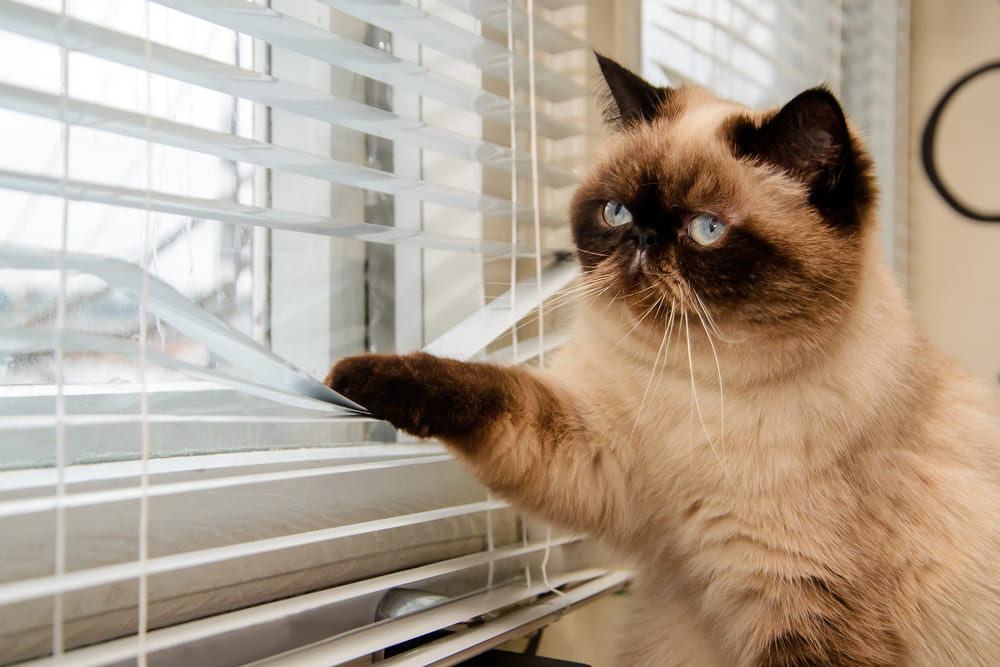
Credit: longwoodvetcenter.com
Professional Help And Guidance
Professional help can greatly ease your cat’s separation anxiety. Consulting experts provides tailored strategies for your feline friend. Experts understand the unique needs of cats and offer effective solutions. Here are some professional avenues to consider:
Consulting Veterinarians
Veterinarians play a crucial role in addressing separation anxiety. They can assess your cat’s overall health and rule out medical issues. Sometimes, anxiety stems from underlying health concerns. Vets can identify these problems and offer treatments. They can also suggest anxiety-reducing medications if necessary. Vets understand feline behavior and can offer practical advice.
Animal Behaviorists
Animal behaviorists specialize in understanding pet behavior. They can provide insights into your cat’s anxiety triggers. Behaviorists develop personalized plans to ease your cat’s stress. They use techniques like desensitization and counter-conditioning. These methods teach cats to handle alone time better. Behaviorists often work alongside vets for comprehensive care.
Building A Routine
Creating a daily routine helps ease your cat’s separation anxiety. Consistent feeding, play, and rest times provide comfort. Predictability reduces stress and fosters a secure environment.
Building a routine can be a game-changer for helping your cat deal with separation anxiety. Cats, much like humans, find comfort in predictability. Establishing a consistent routine gives your feline friend a sense of security, making your absence less stressful. By focusing on creating a structured environment, you can significantly ease your cat’s anxiety and improve their overall well-being.Consistent Schedule
Cats thrive on routine. Start by feeding your cat at the same times every day. This not only gives your cat something to look forward to, but it also creates a sense of normalcy. Playtime should also be scheduled. Use interactive toys to engage your cat before you leave and when you return. This helps expend their energy and reduces anxiety. Bedtime routines are equally important. Make sure your cat has a quiet and cozy space to rest. A consistent sleep schedule can make a world of difference.Predictable Patterns
Your cat notices patterns more than you might think. If you always grab your keys right before leaving, your cat learns to associate that sound with your departure. Try adding some variability to these patterns. Pick up your keys and then sit down for a few minutes. This breaks the association and can ease their anxiety. You can also create positive associations. Give your cat a treat or a special toy only when you leave. This makes your departure something they might actually look forward to. By building a routine with these consistent schedules and predictable patterns, you help your cat feel more secure. What could you change in your daily routine to make your cat happier and less anxious?
Credit: www.hickoryvet.com
Strengthening Bond With Your Cat
Building a stronger bond with your cat can help ease separation anxiety. Cats thrive on attention and consistency. Fostering a sense of security can significantly reduce their stress. This involves dedicating time to your feline friend. Engaging with them in meaningful ways can make a big difference. Let’s explore some effective strategies.
Quality Time
Spend quality time with your cat every day. Play with toys they love. Use laser pointers, feather wands, or balls. Short, frequent play sessions work best. This keeps them engaged and happy. Create a routine they can rely on. Consistent schedules offer comfort and predictability. Your cat will appreciate it.
Affectionate Interaction
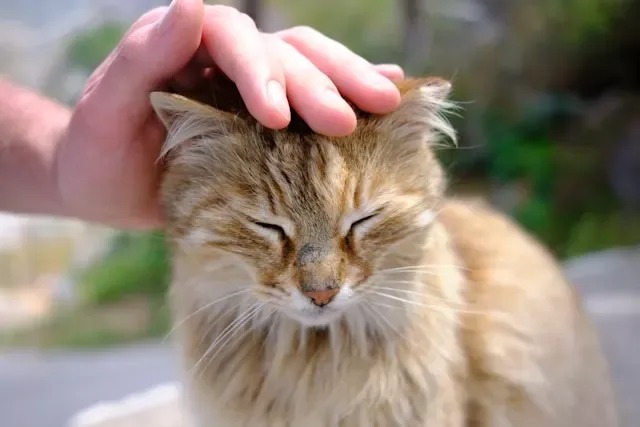
Show affection through gentle petting. Let your cat decide the pace. Some cats prefer soft strokes. Others enjoy a firm touch. Always observe their reactions. Respect their boundaries. Soft, calming voice tones also help. Speak to them often. Let them know you are there. This builds trust and reassures them.
Frequently Asked Questions
Can You Fix Separation Anxiety In Cats?
Yes, you can manage separation anxiety in cats with patience and training. Provide interactive toys and establish a routine. Gradually increase your absence time to build their confidence. Consult a veterinarian for additional advice or treatment if needed.
How To Stop Your Cat From Crying When You Leave?
Create a comforting environment with toys and cozy spaces. Use pheromone sprays to reduce anxiety. Play soft music to soothe your cat. Establish a consistent routine to reassure them. Consider a pet sitter or interactive camera for company.
How Do You Calm Anxiety In Cats?
To calm an anxious cat, create a safe, quiet space. Use calming pheromones and engage with gentle play. Provide interactive toys and ensure a consistent routine. Consider consulting a vet for advice on calming supplements or behavioral techniques.
How To Teach A Cat To Self Soothe?
Create a calm environment with soothing sounds and toys. Encourage independence by rewarding calm behavior. Gradually increase alone time while ensuring comfort. Use calming products if necessary.
Conclusion
Helping a cat with separation anxiety takes patience and love. Simple steps can make a big difference. Create a cozy spot for your cat. Offer toys and treats to keep them busy. Gradually increase the time you’re away. This builds their confidence.
Always return calmly, showing them you will be back. Consistency is key. Try to keep a routine they can rely on. Consult a vet if anxiety persists. They can offer more guidance. Your care and attention will soothe your cat.
Together, you can ease their anxiety and strengthen your bond.

Similar Posts