How to Help Cat Separation Anxiety: Expert Tips
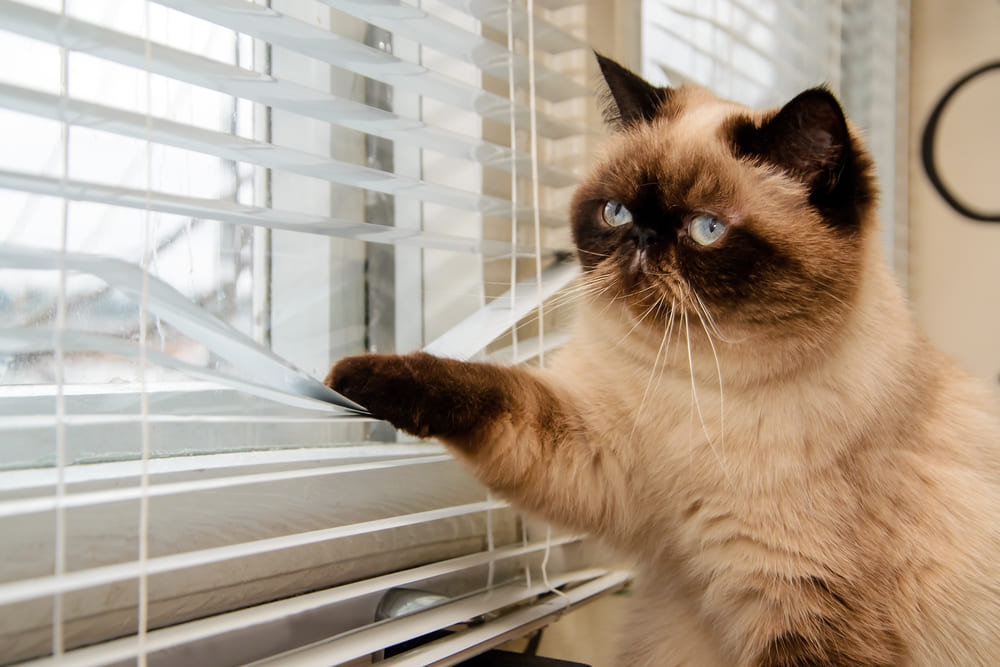
Is your feline friend showing signs of distress when you leave the house? Cat separation anxiety is more common than you might think, and it can be heart-wrenching to see your beloved pet in such a state.
You want the best for your furry companion, but how do you help them feel secure and calm when you’re not around? Understanding and addressing this anxiety is essential for their well-being and your peace of mind. This guide is here to offer you practical solutions that can ease your cat’s anxiety and strengthen the bond you share.
Keep reading to discover simple yet effective strategies that can transform your cat’s anxiety into comfort, ensuring they’re as happy alone as they are when you’re home. Your cat’s happiness is just a few steps away.

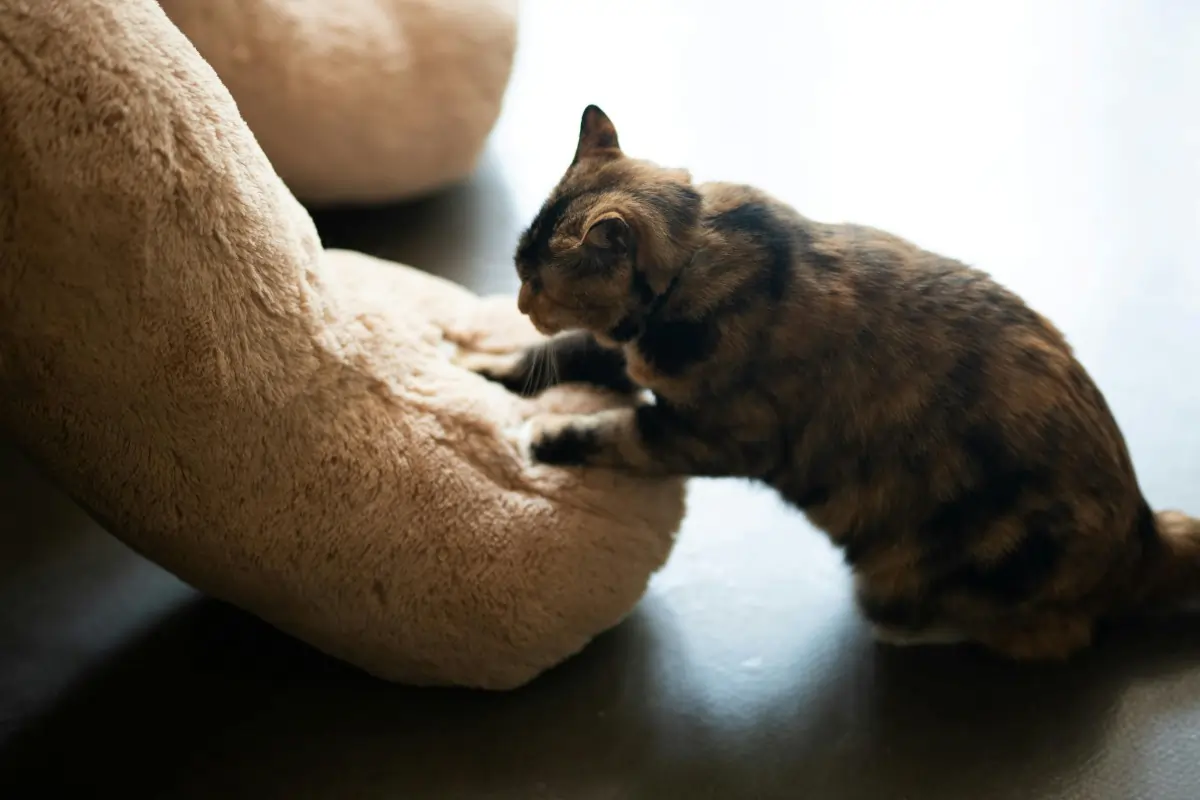
Credit: www.instagram.com
Identifying Separation Anxiety
Understanding your cat’s emotions is crucial. Cats can feel separation anxiety too. Identifying it early helps manage their stress. Watch for signs when you’re away. Recognizing anxiety aids in comforting your furry friend.
Signs Of Anxiety In Cats
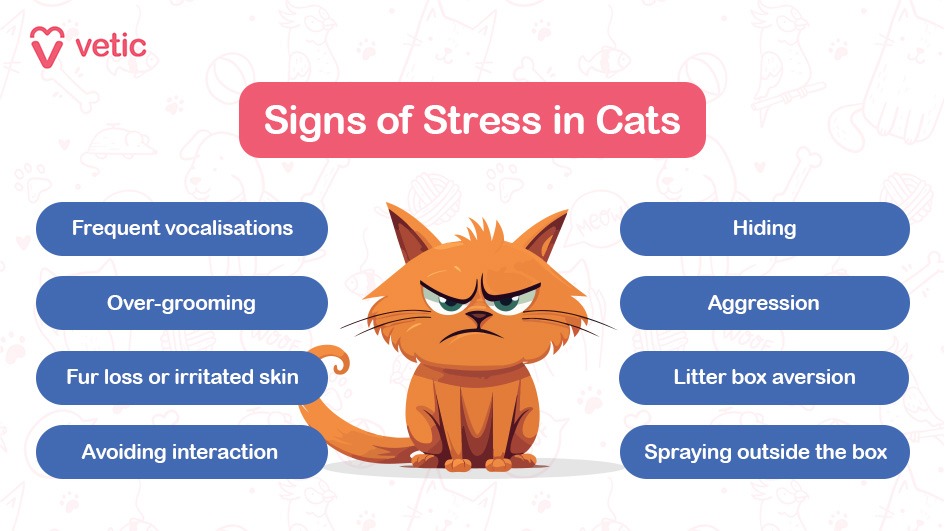
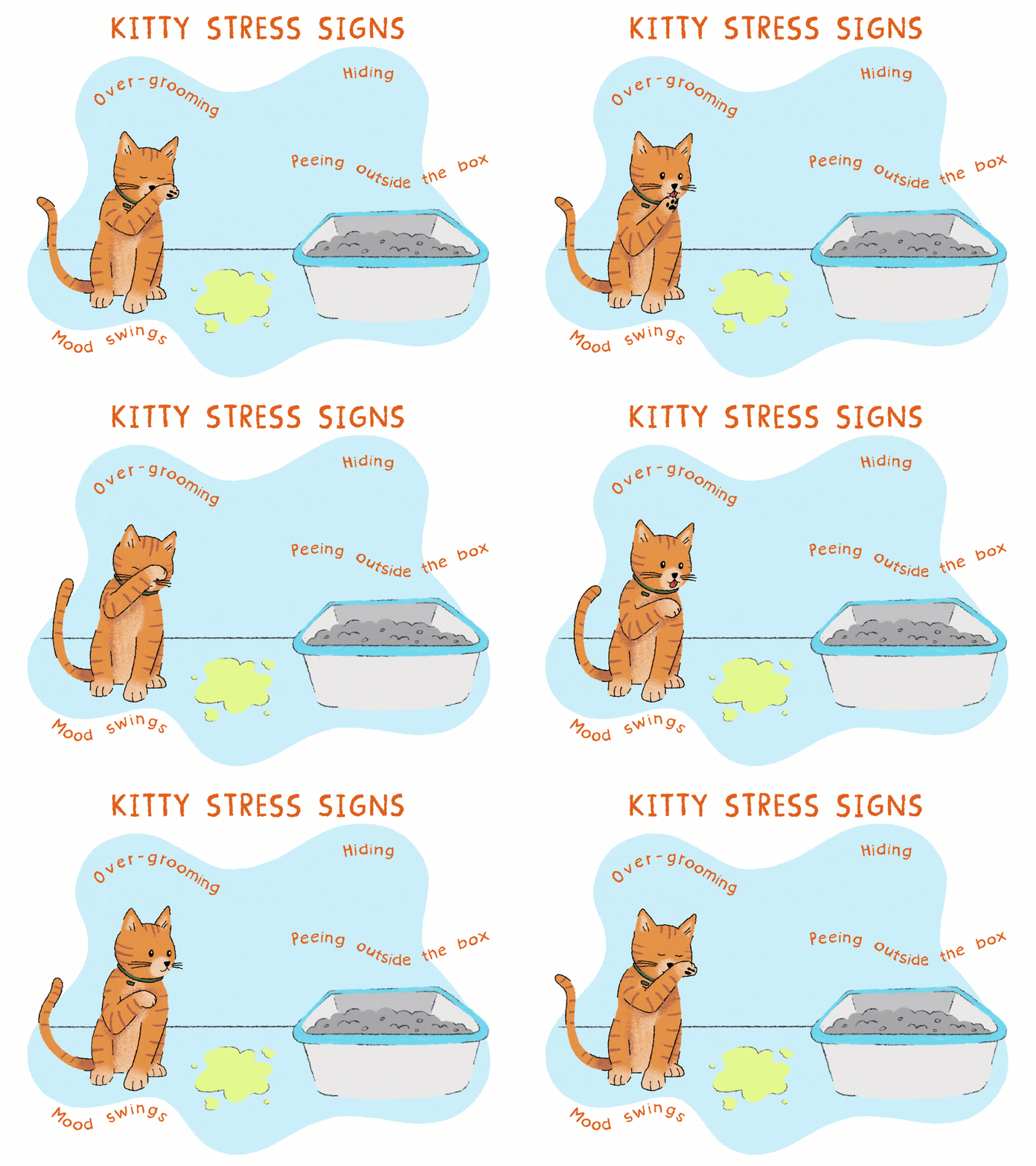
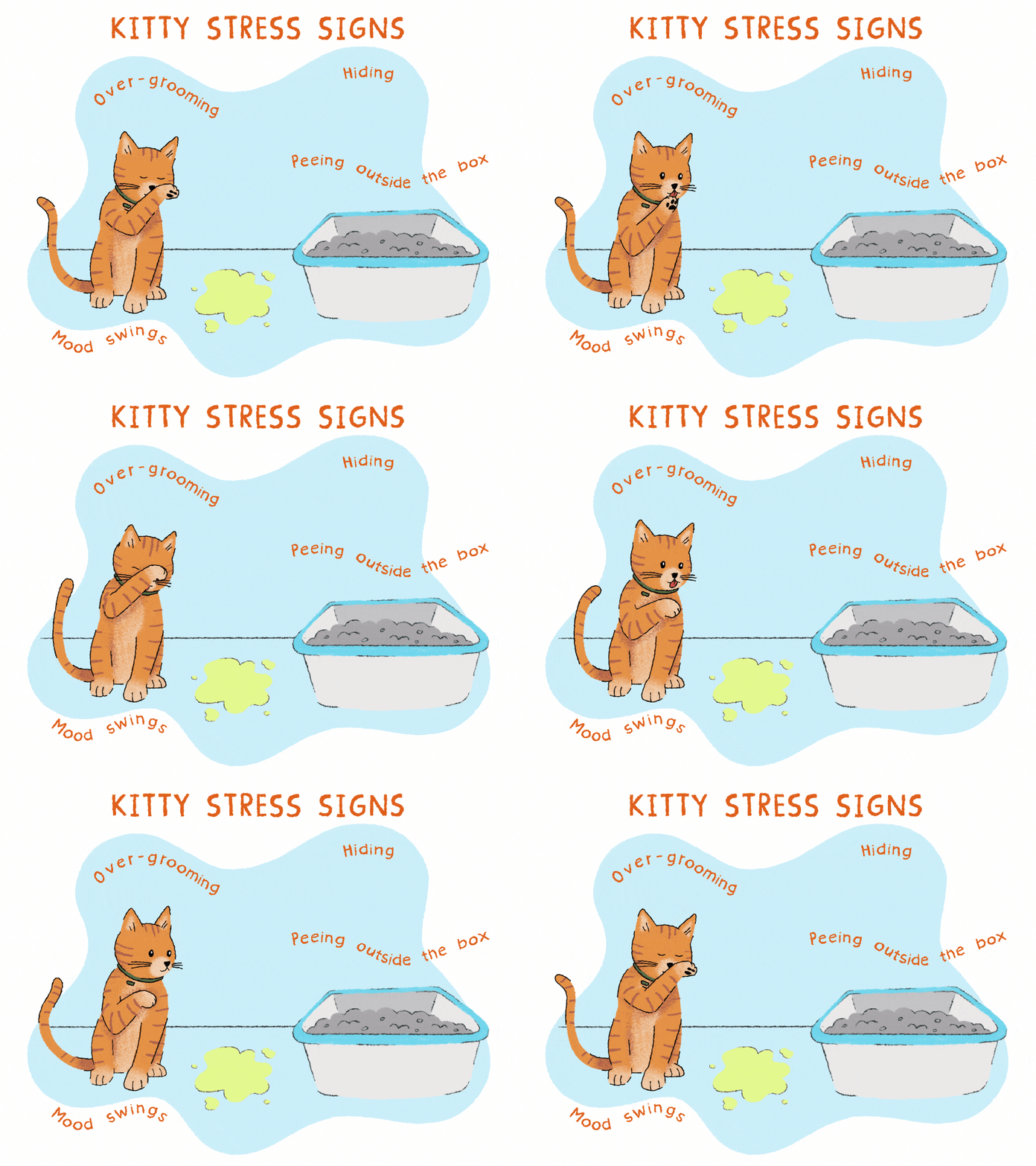
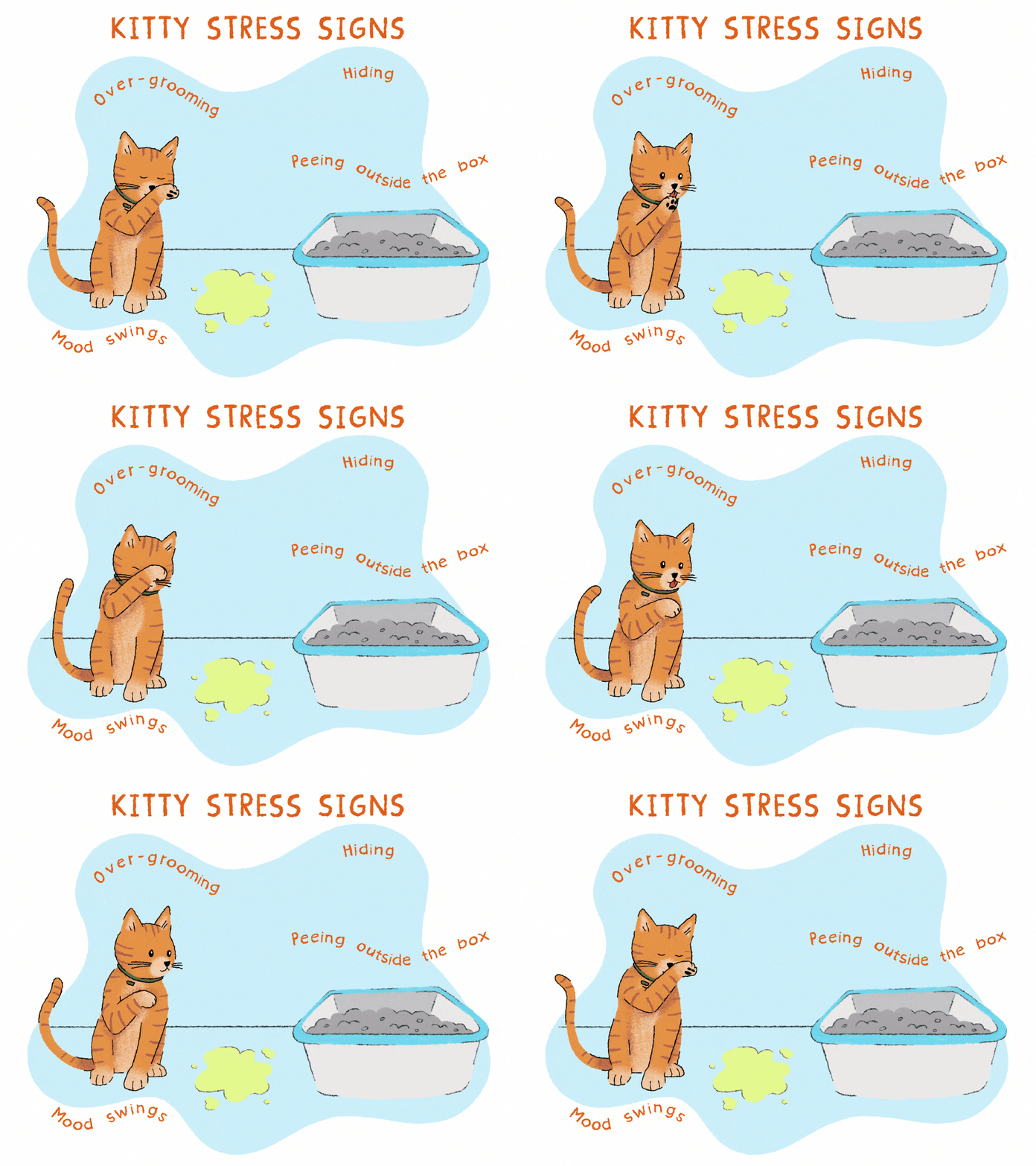
Observe your cat’s behavior. Excessive meowing is a key sign. Scratching furniture might indicate stress. A sudden change in appetite can be due to anxiety. Litter box issues often arise from nervousness. Over-grooming signals discomfort. Clinginess is another symptom.
Common Triggers
Cats get anxious due to sudden changes. Moving houses can unsettle them. New family members might cause stress. Loud noises like thunderstorms are common triggers. Unfamiliar visitors can make cats uneasy. Routine changes affect their comfort level.
Creating A Safe Environment
Create a safe space for cats dealing with separation anxiety. Start by providing cozy spots and interactive toys. Leave familiar scents, like your clothing, to comfort them in your absence.
Creating a safe environment is essential for easing your cat’s separation anxiety. When you leave home, your cat may feel stressed or lonely. By making their surroundings comforting and familiar, you can help reduce their anxiety. Let’s explore how you can create a soothing space for your feline friend.Comforting Spaces
Designate a cozy spot in your home where your cat feels secure. This could be a sunny windowsill or a quiet corner with a soft blanket. Cats often seek out high places where they can observe their surroundings. Consider adding a cat tree or shelf to give them a vantage point. Ensure this space is easily accessible and free from disruptions. A peaceful environment allows your cat to relax and feel safe.Familiar Scents
Cats have a keen sense of smell, and familiar scents can comfort them. Leave out an item of clothing you’ve worn recently. Your scent can provide a sense of security when you’re not around. Use a pheromone diffuser to create a calming atmosphere. These products mimic the natural pheromones cats produce, promoting a sense of well-being. Have you noticed your cat rubbing against furniture? They’re marking it with their scent, a sign of comfort. Encourage this behavior by providing scratching posts or toys. Creating a safe environment for your cat is not just about physical space. It’s about making them feel connected to you even when you’re apart. What small changes can you make today to ease your cat’s anxiety?Routine And Consistency
Cats thrive on routine. It helps them feel secure and calm. Changes can stress them. Routine and consistency are crucial for cats with separation anxiety. This approach builds a stable environment for your cat. Let’s dive deeper into how a routine can help.
Daily Schedule
Establish a daily schedule for your cat. Feed your cat at the same time every day. Play sessions should also be at consistent times. This predictability eases anxiety. Your cat learns to expect what happens next. It reduces stress and helps them relax.
Predictable Patterns
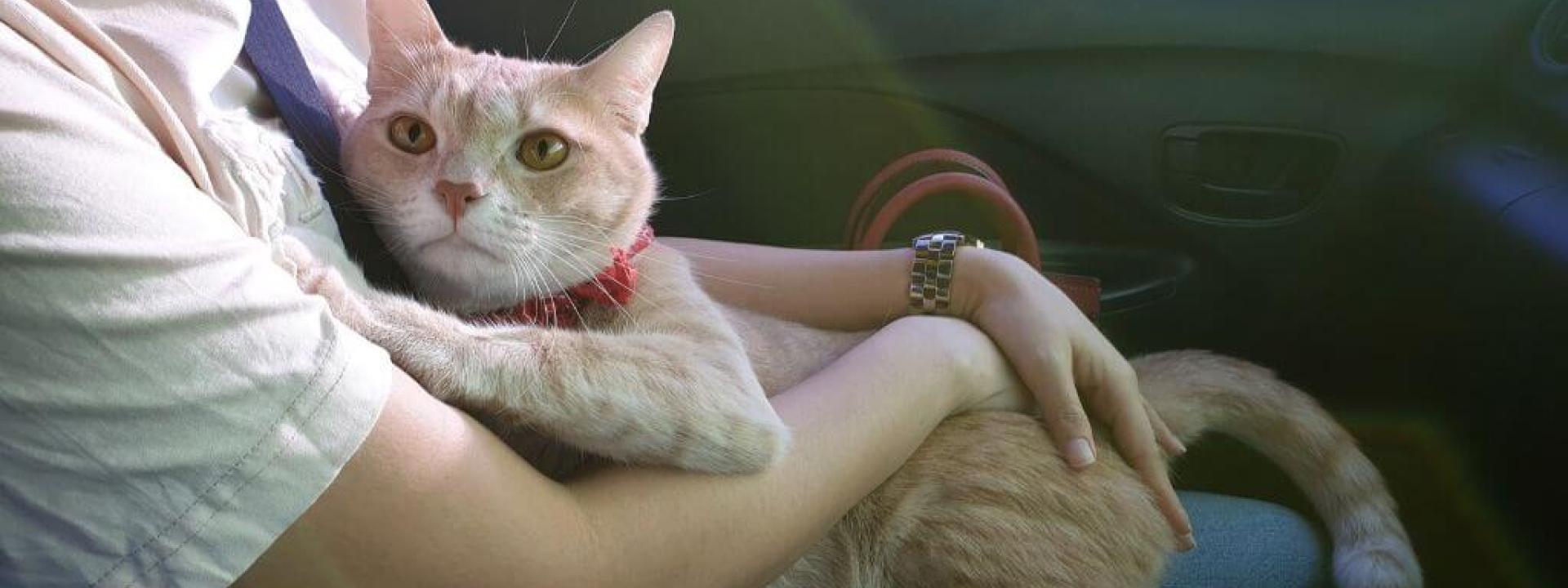
Maintain predictable patterns in your home. Keep your morning routine steady. If you leave for work, follow the same steps each time. Use a specific phrase when you return home. This creates a comforting pattern for your cat. They begin to associate these patterns with safety and security.
Predictable patterns give your cat a sense of control. They know what comes next. This minimizes their anxiety about your absence. A stable environment equals a happier cat.
Credit: tosvets.com
Engaging Activities
Cats feel lonely too. Interactive toys and puzzle feeders help them stay busy. Leave a piece of your clothing for comfort. A calm environment with soft music can ease their stress.
Dealing with cat separation anxiety can be challenging, but engaging activities can be a great way to ease your feline’s stress. Cats are naturally curious and playful creatures, so providing them with stimulating activities can keep their minds active and reduce anxiety. By introducing interactive toys and dedicating time for play, you can help your cat feel more secure and less lonely.Interactive Toys
Interactive toys are a fantastic way to keep your cat entertained while you’re away. Toys that mimic prey can captivate your cat’s attention, providing mental stimulation and keeping them occupied. Consider toys that move or make sounds, like automatic laser pointers or feather wands. You can also try puzzle feeders that require your cat to figure out how to get the treats. These toys not only entertain but also engage your cat’s problem-solving skills. As your cat becomes engrossed in these activities, you might notice a decrease in their anxiety.Playtime Ideas
Scheduling regular playtime is crucial for your cat’s emotional well-being. Set aside a few minutes each day to play with your cat using their favorite toys. This one-on-one interaction can strengthen your bond and reassure your cat that you’re there for them. Try incorporating different play styles to keep things interesting. You could introduce a new game like hide and seek with small toys. Or, simply toss a ball of yarn and watch your cat chase it around the room. These activities not only provide physical exercise but also mental stimulation. Do you ever notice how your cat perks up when you bring out their favorite toy? It’s a clear sign that playtime is vital for them. By making play a routine, you’re creating a comforting environment that can alleviate their separation anxiety.Gradual Desensitization
Gradual desensitization helps ease cat separation anxiety. Cats grow attached to their environment and people. Sudden changes can cause stress or anxiety. Slowly introducing short absences can help. This teaches cats to feel secure when alone. Start with brief periods away from your cat. Gradually increase the time. This process helps build your cat’s confidence.
Short Absences
Begin with short absences from your cat. Leave the room for a few minutes. Ensure your cat has toys or treats. This keeps them occupied and distracted. Return after a short time and reassure them. Repeat this often to make it routine. Your cat will soon understand you will return.
Increasing Time Away
Gradually increase the time spent away from your cat. Extend your absence by a few more minutes each day. Observe your cat’s behavior. If they remain calm, increase the time again. Use soothing music or a comfortable bed to help them relax. Continue to reassure your cat upon returning. This gradual increase builds their confidence alone.
Professional Help
Cat separation anxiety can be tough for both cats and their owners. Sometimes, professional help is the best step forward. Professionals can provide expert guidance tailored to your cat’s needs. These experts can identify issues you might not notice. Seeking their help can lead to a happier, calmer cat. Here are two professional options to consider.
Consulting A Veterinarian
Veterinarians understand cat behavior and health. They can rule out medical problems causing anxiety. Sometimes, underlying health issues can increase anxiety symptoms. A vet might recommend medication to ease anxiety if needed. They can also guide you on diet and lifestyle changes. It’s crucial to address any health concerns first.
Behavioral Specialists
Behavioral specialists focus on understanding a cat’s mind. They offer strategies to reduce anxiety. These experts use training techniques to modify your cat’s behavior. They can teach you how to create a soothing environment. Specialists personalize their approach to fit your cat’s needs. This tailored support can make a significant difference.
Natural Remedies
Does your cat feel anxious when you’re away? Natural remedies might help. These remedies can ease your cat’s stress without harsh chemicals. Let’s explore some effective methods to calm their nerves.
Herbal Solutions
Herbs have calming effects on cats. Valerian root is one such herb. It can reduce anxiety and promote relaxation. Chamomile is another helpful herb. It soothes nerves and induces calm. These herbs can be found in pet stores. Always consult a vet before trying new herbs. Some herbs might not suit your cat.
Aromatherapy
Aromatherapy uses scents to relax your cat. Lavender is a popular choice. It has calming properties that soothe anxious felines. You can use a diffuser to spread the scent. Ensure the room is well-ventilated. Cats have sensitive noses. Avoid direct contact with essential oils. They can irritate a cat’s skin. Always choose cat-safe oils. Check with a vet if you’re unsure.
Credit: www.hickoryvet.com
Monitoring Progress
Monitoring your cat’s progress is crucial in managing separation anxiety. Observe changes in behavior to understand the effectiveness of your strategies. Keep a record of any improvements or setbacks. This helps in adjusting your approach to best support your feline friend.
Behavioral Changes
Track any shifts in your cat’s behavior. Are they less anxious or more playful? Notice if they are eating better or sleeping peacefully. These signs indicate progress. Behavioral changes provide insights into what works and what needs tweaking.
Adjusting Strategies
If progress stalls, rethink your approach. Try new calming techniques or toys. Consider changing the environment or routine. Adjustments ensure you meet your cat’s evolving needs. Stay flexible and patient to find what best suits your pet.
Frequently Asked Questions
How To Relieve Cat Anxiety?
Create a calm environment by providing hiding spots and engaging toys. Regular play and consistent routines help. Use pheromone diffusers to ease stress. Offer a cozy bed and soft blankets for comfort. Consult a vet for severe anxiety or behavioral concerns.
Will My Cat Miss Me If I Leave For 5 Days?
Yes, your cat may miss you during your absence. Cats form bonds and can feel separation anxiety. Providing familiar toys and scents can help comfort them while you’re away. Consider arranging for someone to check in on your cat to ensure their well-being.
How Do I Get My Cat To Stop Crying When I Leave?
Create a comforting routine for departures. Provide toys or treats to distract your cat. Gradually increase time away to reduce anxiety. Ensure your cat has a cozy space. Consider a calming pheromone diffuser.
What Are The Signs Of A Stressed Cat?
Signs of a stressed cat include hiding, excessive grooming, loss of appetite, aggression, and frequent meowing. Watch for changes in litter box behavior or sleeping patterns. Cats may also become more clingy or withdrawn. Ensuring a calm environment can help alleviate stress.
Conclusion
Helping a cat with separation anxiety needs patience and understanding. Try to create a comforting environment. Toys and treats can keep them entertained. Gradually increase the time apart to ease their anxiety. Routine changes can help them feel secure. Speak to a vet if the anxiety persists.
Remember, your calm demeanor helps. Cats sense your emotions. So, stay relaxed and consistent. Your love and care make a big difference. Together, you can overcome these challenges. Keep supporting your furry friend. They rely on you for comfort and assurance.

Similar Posts