Is Cinnamon Essential Oil Safe for Cats: Expert Insights
Imagine this: you walk into your home, greeted by the comforting aroma of cinnamon. It’s a warm, inviting scent that makes you feel cozy and relaxed.
But as you enjoy this aromatic bliss, a question pops into your mind: is cinnamon essential oil safe for your beloved cat? You care deeply about your feline friend’s well-being, and the last thing you want is to unknowingly expose them to something harmful.
You’re not alone in this concern. Many pet owners wonder about the safety of essential oils around their furry companions. Cinnamon essential oil, known for its delightful fragrance and potential health benefits for humans, might not be as friendly to your cat. As you read on, you’ll discover the surprising facts and expert insights about cinnamon essential oil’s impact on cats. This knowledge will empower you to make informed choices that protect your pet. Dive into this crucial information and ensure your home remains a safe haven for your cherished feline friend.
Cinnamon Essential Oil Basics
Cinnamon essential oil is derived from the bark and leaves of cinnamon trees. It is known for its warm, spicy aroma and potential health benefits. Many people use it in aromatherapy and as a natural remedy. But is it safe for cats? Understanding the basics of cinnamon essential oil is crucial. This includes its extraction process and common uses.
Extraction Process
Cinnamon essential oil is extracted through steam distillation. This method involves using steam to separate the oil from the plant material. The process is gentle to preserve the oil’s natural properties. It ensures the oil retains its characteristic scent and benefits. Quality oil should be pure and free from additives.
Common Uses
Cinnamon essential oil is popular in aromatherapy. Its warm scent can create a cozy atmosphere at home. Some people use it to soothe minor aches when diluted with a carrier oil. It may also be used in natural cleaning products for its antimicrobial properties. Its spicy aroma can freshen up any space.

Credit: www.fetchpet.com
Cats And Essential Oils
Essential oils have become a popular choice for many looking to enhance their home environment. However, when you have a cat, it’s crucial to consider their safety around these potent oils. Cats are known for their sensitivity, which makes the use of essential oils a topic worth exploring carefully. Before reaching for that bottle of cinnamon oil, let’s delve into what it means for your feline friend.
Sensitivity Of Cats
Cats have a unique metabolism and lack certain enzymes needed to break down compounds found in essential oils. This makes them highly sensitive to these substances. Even a whiff of a strong scent can affect their health.
Imagine your cat exploring a room with diffused oils. They might seem curious, but their body is working hard to process what it perceives as toxins. It’s important to recognize these subtle signs of discomfort, like sneezing or scratching.
Potential Risks
Exposure to essential oils like cinnamon can pose serious risks to cats. Skin irritation and respiratory issues are among the immediate dangers. Ingesting oils can lead to more severe consequences such as liver damage.
Think about your cat licking its paws after walking on an oil-sprayed surface. It might not seem like much, but this simple act can introduce harmful substances into their system. Is the pleasant aroma worth the potential health risk?
To ensure your cat’s safety, consider using oil-free alternatives for freshening up your space. Always prioritize their well-being over the allure of essential oils.
Have you encountered any adverse reactions in your cat due to essential oils? Sharing experiences can help other pet owners make informed decisions. Remember, your furry friend’s health is in your hands.
Effects Of Cinnamon Oil On Cats
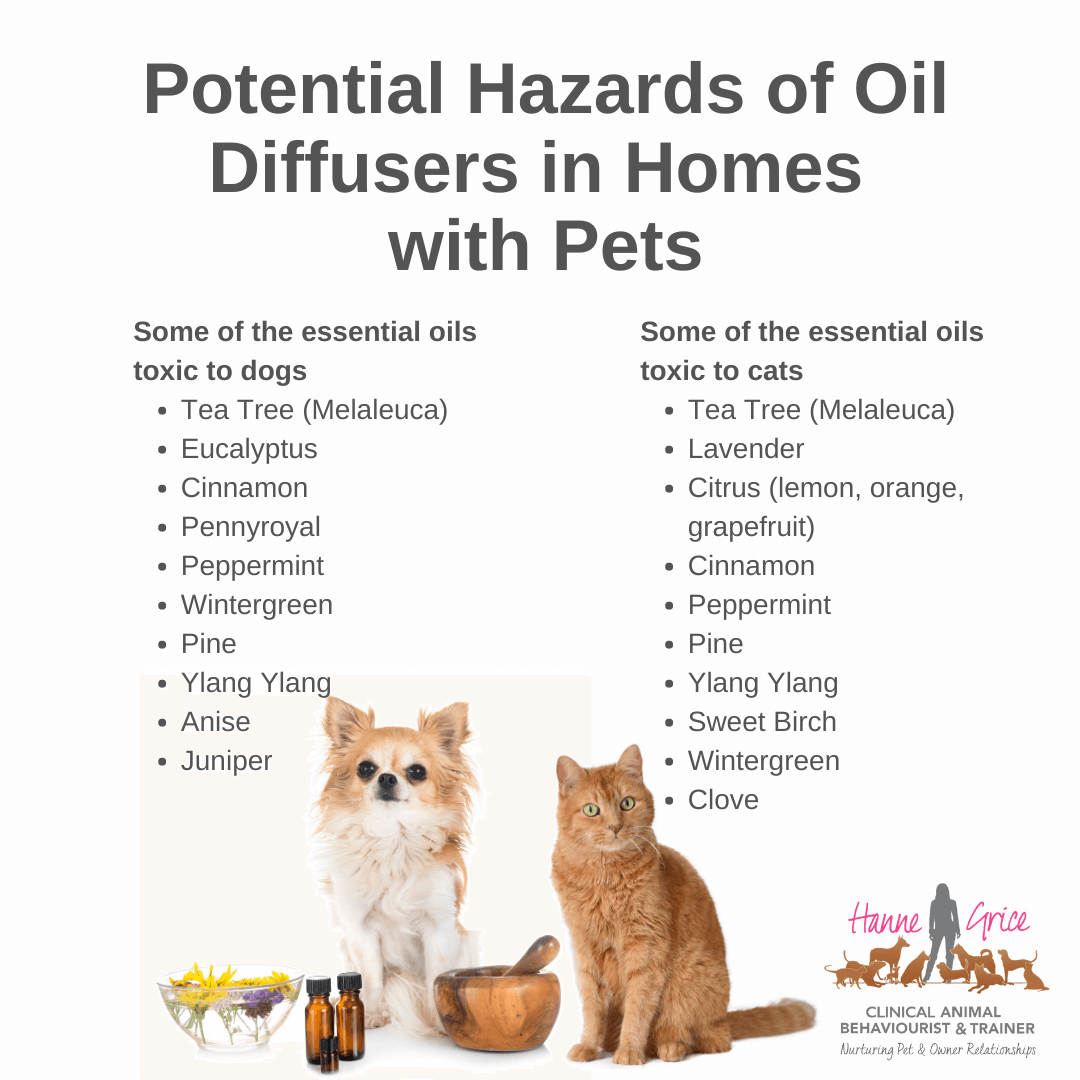
Cinnamon essential oil can be harmful to cats due to its high concentration of compounds. Cats may suffer from skin irritation, respiratory issues, or liver damage if exposed. Always keep cinnamon oil out of reach and consult a vet before using any essential oils around pets.
Cinnamon essential oil has a distinct aroma. It’s popular in many homes. But is it safe for cats? This question concerns many pet owners. Cats have unique bodies. They react differently to substances. Understanding the effects of cinnamon oil is crucial. It helps keep your feline friend safe.Toxicity Levels
Cinnamon oil contains cinnamaldehyde. This compound can be harmful to cats. Cats lack certain liver enzymes. These enzymes break down many essential oils. Without them, cinnamon oil becomes toxic. Even small amounts can cause issues. It’s best to keep it away from cats.Symptoms Of Exposure
Cats exposed to cinnamon oil show various symptoms. They might drool excessively. Vomiting is another common sign. Some cats may experience breathing problems. Skin irritation can occur if they touch it. Affected cats might also act differently. If you notice these signs, contact a vet immediately. `
Credit: www.pinterest.com
Safe Practices For Pet Owners
As a pet owner, ensuring the safety and well-being of your furry friends is a priority. You may be wondering if cinnamon essential oil is safe for your cat. Cats are sensitive to many substances, including certain essential oils. Let’s explore safe practices you can adopt to keep your feline friend happy and healthy.
Alternatives To Cinnamon Oil
It’s crucial to consider alternatives that are safer for cats. Lavender and chamomile oils are generally considered safer options. They offer calming effects without the risks associated with cinnamon oil.
You might find that using dried herbs or natural scents is a better choice. These alternatives can provide a pleasant aroma without posing a danger to your cat.
When choosing alternatives, always ensure they are diluted and used in moderation. It’s better to err on the side of caution when introducing new scents into your home.
Creating A Cat-friendly Environment
A cat-friendly environment doesn’t just mean removing harmful oils. Think about what makes your cat comfortable. A cozy bed, toys, and scratching posts can make a significant difference.
Consider incorporating plants that are safe for cats. Catnip and wheatgrass can enhance your pet’s environment and provide enrichment.
Keeping your home free of harmful substances is vital. Always check labels and do a quick search to ensure new products won’t harm your cat.
Have you ever noticed how cats are drawn to certain smells? This curiosity can lead them to places they shouldn’t go. Creating a safe space ensures their natural curiosity doesn’t lead to danger.
What simple changes can you make today to ensure your home is as safe and inviting for your cat as possible?
Expert Opinions
Experts warn about the potential risks of cinnamon essential oil for cats. Cats lack certain enzymes to process this oil safely. Exposure may lead to skin irritation or digestive issues, highlighting the importance of consulting a vet before use.
Cinnamon essential oil is a popular choice for aromatherapy and home remedies, but is it safe for your feline friends? This is a question that many cat owners grapple with, often torn between the benefits of natural oils and their pets’ well-being. To provide clarity, we turn to the experts who know best—veterinarians and aromatherapy specialists. Their insights might just help you make informed choices for your cat’s health.Veterinarian Insights
Veterinarians stress caution when using essential oils around cats. Cats lack certain liver enzymes that humans have, making them more vulnerable to toxins. Dr. Emily, a practicing veterinarian, once shared how a client’s cat developed respiratory issues from oil diffusers. She advises keeping diffusers out of reach and ensuring proper ventilation. If you notice any behavioral changes in your cat, such as excessive drooling or lethargy, it might be time to remove the oil. What’s more important: the aroma or your cat’s health?Aromatherapy Specialists
Aromatherapy specialists bring a unique perspective to the table. Many agree that essential oils can be beneficial, but they recommend diluting oils heavily if cats are present. Sarah, a certified aromatherapist, uses a method involving water and minimal drops of oil for her own home. She suggests mixing oils with carrier oils like coconut or olive oil to minimize risks. Remember, a cat’s sense of smell is much stronger than yours. Could a small adjustment in your routine protect your pet?
Credit: incensesticks.com
Precautionary Measures
Cinnamon essential oil can be harmful to cats if not handled properly. Cats have a unique metabolism that differs from humans and dogs. This makes them more vulnerable to certain substances. Ensuring the safety of your feline friend involves precautionary measures. These steps can prevent accidents and ensure a safe environment for your pet.
Storage Tips
Store cinnamon essential oil in a cool, dark place. Ensure it is out of your cat’s reach. Use a cabinet with a secure latch or a high shelf. Always keep the bottle tightly closed. This prevents spills and reduces evaporation. Label the bottle clearly to avoid confusion with other oils. Regularly check for leaks or damage to the bottle.
Emergency Response
If your cat ingests cinnamon oil, act quickly. Remove any remaining oil from their fur. Use a damp cloth to wipe it off gently. Contact your veterinarian immediately for advice. They can guide you on the next steps. Do not induce vomiting without professional guidance. Keep the oil bottle handy for reference.
Frequently Asked Questions
Is Cinnamon Essential Oil Safe To Diffuse Around Cats?
Cinnamon essential oil is generally unsafe to diffuse around cats. It can cause respiratory and skin irritations. Always consult a veterinarian before using essential oils near pets. Choosing pet-safe options ensures a healthy environment for your cat. Keep oils out of reach to prevent accidental ingestion or exposure.
Can Cats Smell Cinnamon Safely?
Cats can smell cinnamon, but it’s best to keep it away from them. Cinnamon can be irritating and potentially toxic to cats if ingested or inhaled in large amounts. Always ensure your cat’s environment is safe and free of harmful substances.
What Essential Oils Are Safe For Cats?
Cat-safe essential oils include lavender, chamomile, and frankincense. Always dilute and use with caution. Consult a vet before using any essential oil around cats to ensure safety. Avoid oils like tea tree, eucalyptus, and citrus, which can be harmful to cats.
Is Cinnamon Essential Oil Harmful To Cats?
Cinnamon essential oil can be harmful to cats. Cats lack the liver enzyme to break down certain compounds in cinnamon oil. This can lead to toxicity. It’s crucial to consult a vet before using essential oils near cats.
Conclusion
Cinnamon essential oil can be risky for cats. Cats have sensitive systems. They might react poorly to certain oils. Always consult your vet before use. Safety comes first for your furry friends. Never assume oils are harmless. Educate yourself on potential risks.
Keep oils out of reach of pets. Observe your cat for unusual behavior. Trust your instincts as a pet owner. Your cat’s health is a priority. Ensure a safe environment for your beloved pet. Proper research protects your feline friend.
Stay informed about pet-safe products. Make wise choices for your pet’s well-being.

Similar Posts