How Often to Clean Cat Litter: Essential Guide

Do you ever find yourself wondering how often to clean your cat’s litter box? You’re not alone.
This seemingly simple task can quickly become overwhelming, especially when you’re juggling a busy schedule. Yet, maintaining a clean litter box is crucial for your cat’s health and happiness—and, let’s be honest, yours too. Imagine a home where you never have to deal with unpleasant odors or the stress of a dissatisfied feline.
Sounds great, right? By understanding the right cleaning routine, you can ensure a fresher home environment and a happier cat. Dive in to discover the secrets to achieving the perfect cleaning balance, and transform your home into a sanctuary for both you and your furry friend.
Importance Of Regular Cleaning
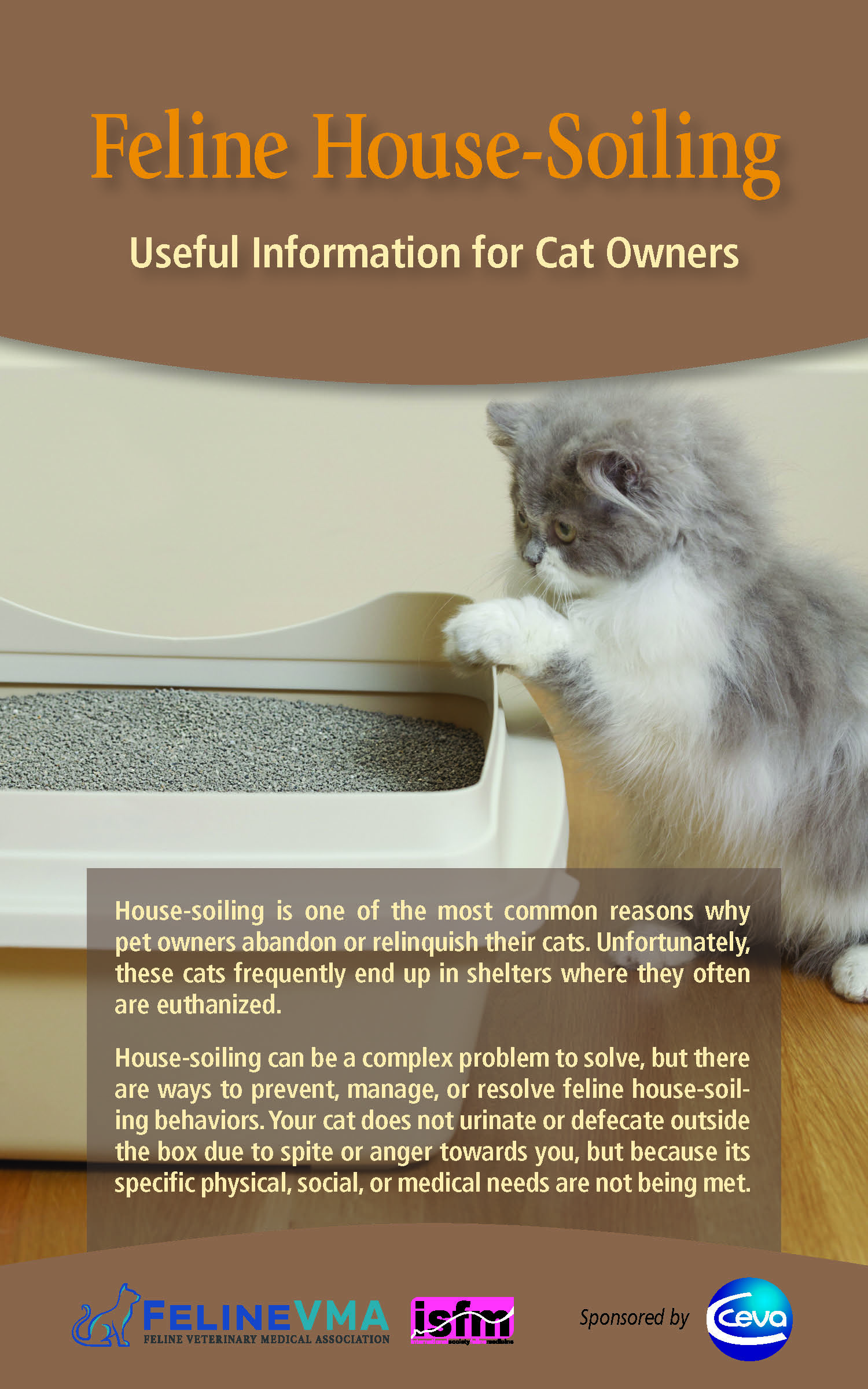
Regular cleaning of cat litter is crucial for a healthy home. Clean litter daily to prevent odors and ensure your cat’s comfort. This routine helps maintain hygiene and reduces the risk of health issues for both pets and owners.
Keeping your cat’s litter box clean is more than just a household chore; it’s crucial for the well-being of your furry friend. Regular cleaning of the litter box offers numerous benefits that you might not have considered. Let’s explore why maintaining a clean litter box is essential for both you and your cat.Health Benefits For Cats
Regular cleaning of the litter box can significantly impact your cat’s health. Cats are naturally clean animals and prefer a tidy environment to do their business. A dirty litter box can lead to infections and urinary tract issues, which are not only uncomfortable for your cat but also costly to treat. When you clean the litter box often, you also have the chance to monitor your cat’s health. Changes in the frequency or type of waste can be early signs of health problems. Regular cleaning helps you catch these signs early, ensuring your cat stays happy and healthy.Odor Control And Hygiene
No one enjoys the smell of a dirty litter box. Frequent cleaning helps keep unpleasant odors at bay, making your home more enjoyable for you and your guests. A clean litter box also helps prevent the spread of bacteria and germs, which can thrive in soiled litter. Have you ever noticed how a fresh-smelling home feels more inviting? By maintaining a clean litter box, you’re not only caring for your cat but also enhancing your living environment. Regular cleaning becomes an easy habit once you experience the benefits of a fresher home and a happier pet. Do you find yourself avoiding the room with the litter box due to the smell? Consider stepping up your cleaning routine and enjoy the difference in your home’s atmosphere. Remember, a clean litter box is a small effort for a big reward in terms of hygiene and comfort.Factors Affecting Cleaning Frequency
Your cat’s litter box cleanliness is more than just a matter of hygiene; it’s crucial for your feline friend’s health and happiness. But how often should you scoop, scrub, and refresh? Several factors influence this frequency, and understanding them can make a world of difference in your pet care routine.
Number Of Cats
More cats mean more mess. If you have multiple cats using a single litter box, you’ll need to clean it more often. Think about it: each cat has unique habits and preferences. A friend of mine found that her two cats, despite their close bond, had different litter box styles. One was a neat freak, while the other seemed to enjoy making a mess. To keep the peace and maintain cleanliness, she found herself scooping twice a day. Consider your cats’ personalities and adjust accordingly.
Type Of Litter
The type of litter you choose can significantly impact cleaning frequency. Clumping litter tends to make cleaning easier and might allow for less frequent full changes, whereas non-clumping litter may require more frequent overhauls. Have you ever experimented with a new type of litter and noticed a change in odor control? That’s your cue. Pay attention to the litter’s performance and adapt your cleaning schedule based on its effectiveness.
Litter Box Design
Design matters. Some litter boxes have special features, like self-cleaning mechanisms or high sides to prevent scattering. If you’re using a basic, open litter box, you might need to clean more often to manage odors and mess. A friend tried a high-tech self-cleaning box, but found it wasn’t as efficient as manual scooping for her cat’s needs. What’s your litter box design? Could a change in design improve your cleaning routine?
Ultimately, the goal is to keep your cat comfortable and your home odor-free. By considering these factors, you can tailor a cleaning schedule that fits your lifestyle and keeps your furry friend content. What changes will you make to enhance your cat’s litter box experience?
Recommended Cleaning Schedule
Maintaining a clean litter box is crucial for your cat’s health and happiness. A well-thought-out cleaning schedule can make all the difference in keeping your home odor-free and your cat content. Let’s explore a practical cleaning routine to keep your cat’s litter box in top condition.
Daily Maintenance
Consistency is key when it comes to daily maintenance. Scoop the litter box at least once a day to remove waste. This practice not only prevents unpleasant odors but also ensures a fresh environment for your feline friend.
Make it a habit to check the litter level each day. Cats appreciate a certain depth, usually about 2-3 inches, to comfortably cover their waste. Add more litter as needed to maintain this level.
Consider using a high-quality clumping litter. It makes daily scooping faster and more efficient. Your cat will thank you for a cleaner space, and you’ll appreciate the reduced smell.
Weekly Deep Cleaning
Beyond daily scooping, a weekly deep clean is vital. Empty the litter box entirely and wash it with mild soap and warm water. This helps eliminate any lingering odors and bacteria.
Once the box is dry, refill it with fresh litter. This step is crucial for maintaining a hygienic environment for your cat. Ensure the litter is evenly distributed for your cat’s comfort.
Inspect the litter box for any signs of wear or damage during your weekly cleaning. A cracked or worn-out box can lead to leaks and odors. Consider replacing it if you notice any issues.
Have you noticed your cat avoiding the litter box? A deep clean might just solve the problem. Cats are particular about cleanliness, and a fresh, clean box can encourage proper use.
Creating and sticking to a cleaning schedule benefits both you and your cat. How often do you clean your cat’s litter box? Share your experiences and tips in the comments below!

Credit: propelbikes.com
Effective Cleaning Techniques
Keeping your cat’s litter box clean is crucial not only for your pet’s health but also for maintaining a fresh-smelling home. While you may wonder how often you should tackle this chore, knowing effective cleaning techniques can make the task less daunting and more efficient. These methods ensure that your feline friend has a hygienic place to relieve themselves, and they also help prevent potential health issues. Let’s dive into the tools, supplies, and step-by-step process to make cleaning your cat litter a breeze.
Tools And Supplies
Before you start, gather the right tools to make the job easier and quicker. You’ll need:
- Litter scoop:Choose a sturdy scoop with small slits for sifting.
- Disposable gloves:Protect your hands from direct contact with waste.
- Trash bags:Opt for small, durable bags that fit your trash bin.
- Cleaning spray:Use a pet-safe disinfectant to sanitize the litter box.
- Paper towels:Keep these handy for quick clean-ups.
Having these supplies ready will save you time and make the process smoother. Have you ever spent more time searching for a missing scoop than actually cleaning? Avoid this by keeping everything organized and accessible.
Step-by-step Process
Cleaning your cat’s litter box can be straightforward if you follow a simple routine:
- Remove the waste:Use the litter scoop to sift through the litter and remove solid waste daily. This prevents odors and keeps the litter fresher.
- Dispose of waste properly:Place waste in a trash bag and tie it securely to avoid leaks.
- Check litter levels:Ensure the litter is deep enough for your cat to dig comfortably. Add fresh litter as needed.
- Weekly deep clean:Empty the entire box and wash it with warm water and a pet-safe cleaning spray. Dry it thoroughly before adding new litter.
- Replace liners:If you use a liner, replace it weekly to prevent tearing and leakage.
Consider your cat’s habits. If they’re a frequent visitor, you might need to clean more often. Have you noticed your cat avoiding the box? It could be a sign to step up your cleaning game.
By following these effective techniques, you can ensure your cat’s litter box stays clean, and your home remains fresh. Have you tried other methods that work well? Share your tips with fellow cat owners and help everyone create a healthier environment for their furry friends.
Signs Of Neglected Litter Boxes
Neglecting a cat’s litter box can lead to serious issues. It affects both the cat and the home environment. Regular cleaning is essential to maintain hygiene and comfort. Identifying signs of neglect can prevent bigger problems.
Behavioral Changes In Cats
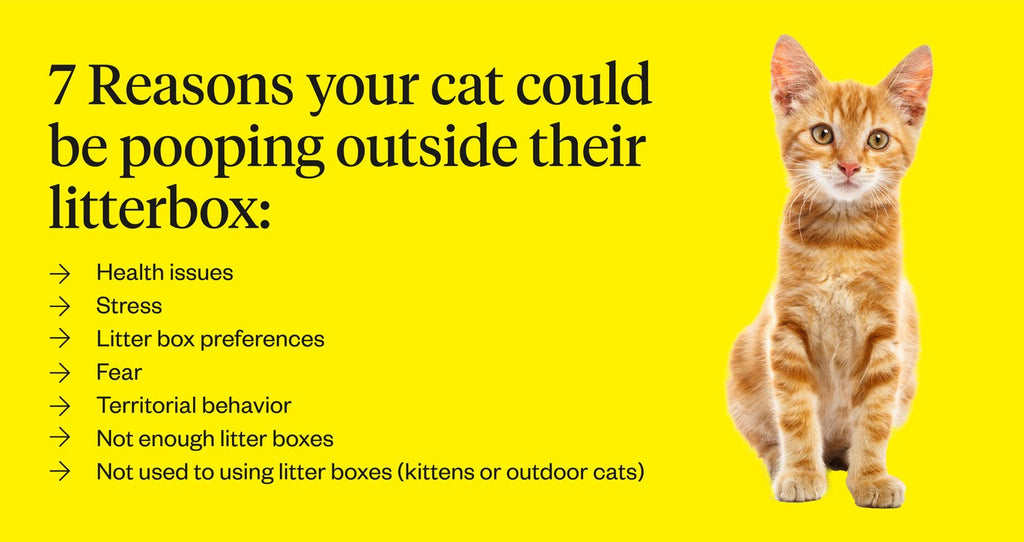
Cats may act differently if their litter box is dirty. They might avoid using the box. Instead, they may choose other places in the house. This behavior is often a cry for help. Scratching around the box can also be a sign. Cats use this action to show discomfort.
Unpleasant Odors
A neglected litter box smells bad. The smell spreads through the house. It can be hard to ignore. Such odors are a clear indication of neglect. Regular cleaning helps keep the air fresh. It improves the living space for everyone.

Credit: modkat.com
Preventing Common Litter Box Issues
Caring for a cat involves more than just feeding and petting. A clean litter box is essential for your cat’s health. Keeping the litter box tidy prevents many problems. Cats are fussy about their bathroom habits. If the box is not clean, they may avoid it. This can lead to unwanted messes in your home.
Avoiding Overcrowding
One litter box per cat is ideal. This prevents overcrowding. If you have multiple cats, each needs their space. Overcrowding can lead to stress and territorial fights. Cats need privacy when using the litter box. A crowded box can deter them from using it.
Choosing The Right Location
The litter box should be in a quiet spot. Avoid busy areas of the house. Cats prefer privacy. A peaceful location encourages regular use. Ensure it’s easily accessible. Avoid placing it near their food and water. Cats like to keep these areas separate.
Credit: www.purina.com
Frequently Asked Questions
How Often Should You Clean An Indoor Cat Litter Box?
Clean the litter box daily to ensure hygiene. Remove waste promptly to reduce odor and bacteria. Regular cleaning keeps your cat healthy and comfortable. Use mild soap and water weekly for thorough cleaning. Maintaining cleanliness helps prevent litter box avoidance and ensures a pleasant environment for your pet and home.
How Often Should Kitty Litter Be Scooped?
Scoop kitty litter daily to prevent odors and maintain cleanliness. Regular cleaning keeps your cat happy and healthy. Monitor litter box conditions and adjust scooping frequency as needed. A clean litter box encourages proper usage and reduces unpleasant smells. Always dispose of waste responsibly for optimal hygiene.
How Often Should You Remove Poop From Cat Litter?
Remove poop from the cat litter daily to maintain cleanliness. Regular scooping prevents odor and keeps your cat healthy. Clean the entire litter box once a week for optimal hygiene. This routine ensures a pleasant environment for both you and your pet.
How Often Should I Change My Ever Clean Cat Litter?
Change Ever Clean cat litter every 2-4 weeks for optimal freshness. Scoop daily to remove waste and maintain cleanliness. Regularly monitor for odor or moisture, indicating a need for replacement. Adjust frequency based on your cat’s usage and household needs to ensure a clean environment for your pet.
Conclusion
Keeping your cat’s litter clean is essential. It ensures a healthy environment. Scoop daily to prevent odors and mess. Replace litter weekly for freshness. A clean box makes your cat happy and stress-free. Regular cleaning saves time and keeps your home smelling pleasant.
Remember, a clean litter box means a healthy cat. Follow these simple steps for a happier pet. Adjust the cleaning routine based on your cat’s needs. Every cat is unique. By staying consistent, you create a comfortable space for your furry friend.
Prioritize cleanliness for a happier, healthier home.

Similar Posts