How to Tell If Cat Has Separation Anxiety: 7 Signs

You adore your feline friend, and leaving them at home can tug at your heartstrings. But have you ever wondered if your absence might be affecting them more than you think?
Cats are often seen as independent creatures, yet they can experience separation anxiety just like humans do. If you’ve noticed your cat behaving differently when you’re gone, you’re not alone. This guide will help you identify the telltale signs of separation anxiety in your cat.
By understanding these signals, you can take steps to ensure your furry companion feels safe and secure, even when you’re not around. Dive in to discover how you can bring peace to your cat’s world—and yours too.
Credit: x.com
Identifying Behavioral Changes
Understanding your cat’s emotional well-being is essential. Cats can suffer from separation anxiety when left alone. Identifying behavioral changes can help you address this issue. By observing specific actions, you can determine if your cat is anxious.
Excessive Meowing Or Crying
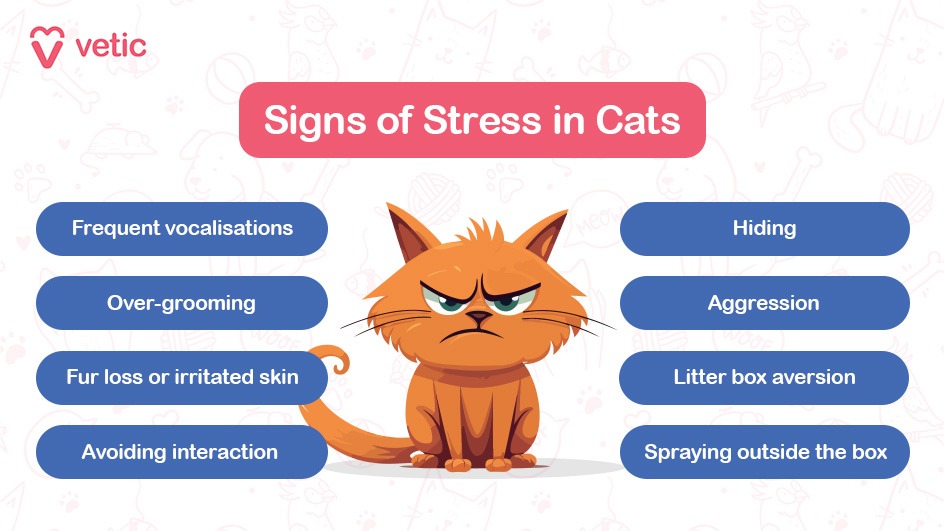
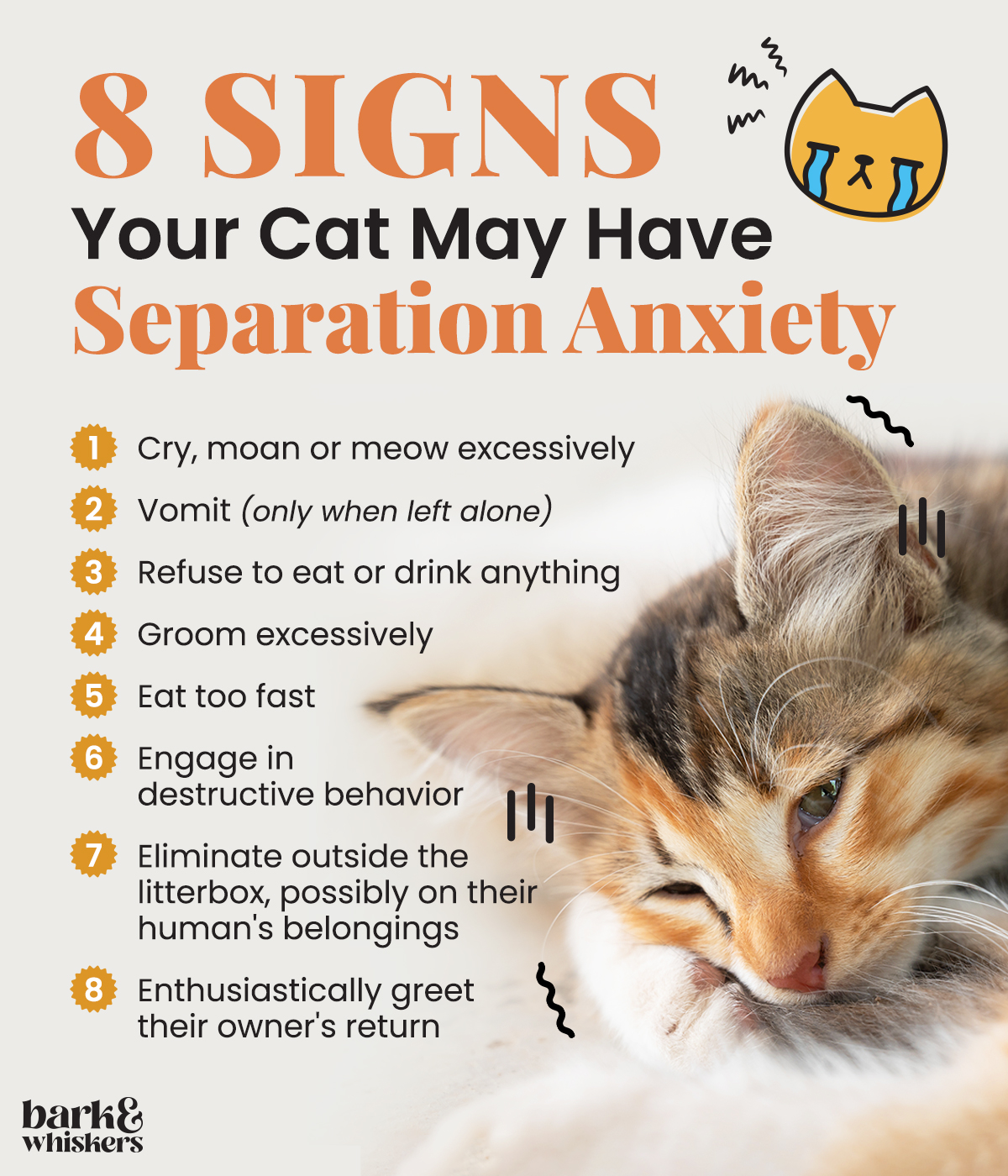
A cat with separation anxiety might meow more than usual. This vocalization often occurs when you’re about to leave. The meows can be loud and persistent. It’s their way of expressing distress and seeking attention. Pay attention if this behavior intensifies over time. It might indicate that your cat is struggling with being alone.
Destructive Behavior
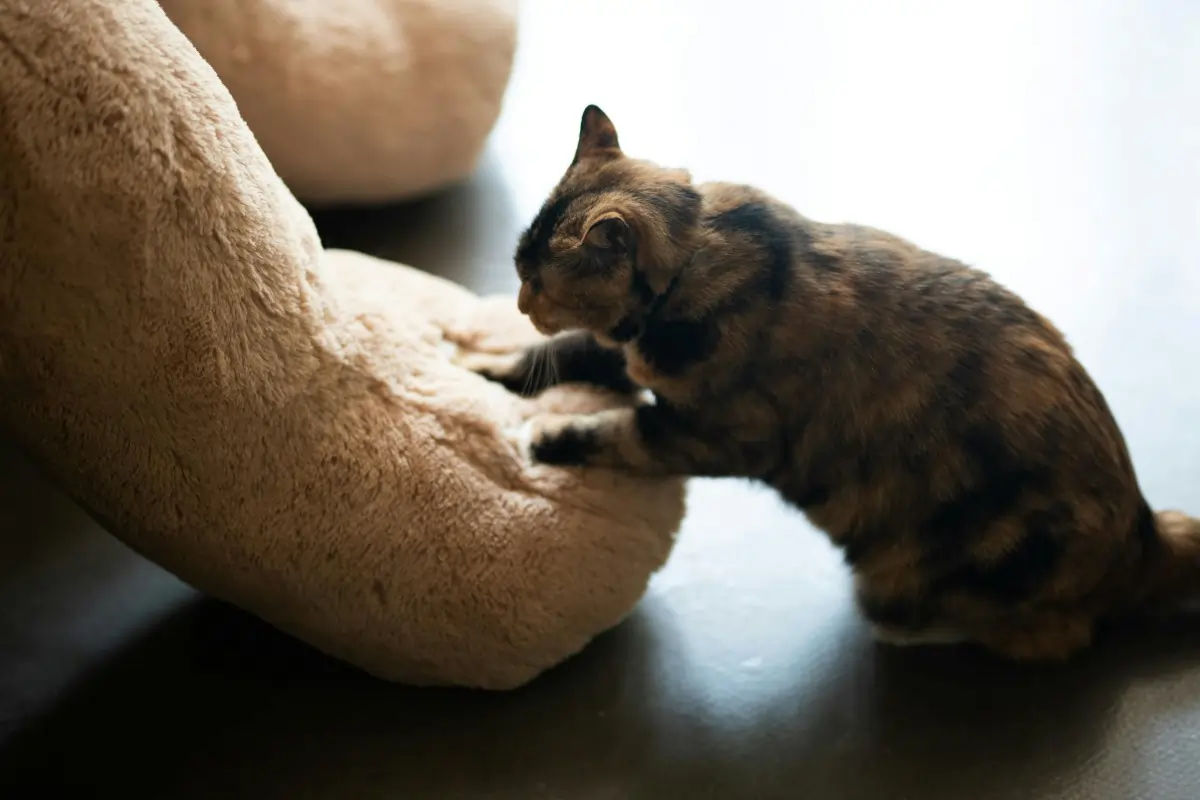
Destructive actions can also signal anxiety. Cats may scratch furniture excessively. They might knock over items or chew on objects. Such behavior often surfaces when they are left alone. It reflects their frustration and confusion. Keeping an eye on these changes can guide you in understanding their needs better. Addressing these actions promptly can help mitigate anxiety.
Observing Physical Symptoms
Observing your cat’s physical symptoms can reveal separation anxiety. Cats express this stress in unique ways. Watch closely for subtle signs. These signs could indicate deeper issues. Addressing them early can help your feline friend.
Changes In Appetite
Notice if your cat eats less than usual. Stress can reduce appetite. Some cats might overeat instead. Both changes suggest anxiety. Sudden appetite shifts warrant attention. Regular feeding habits keep your cat healthy.
Increased Grooming Or Hair Loss
Excessive grooming is a common stress response. Cats may lick themselves bald. This behavior leads to hair loss and skin issues. Over-grooming signals discomfort or anxiety. Observe your cat’s grooming habits closely. These insights can guide you to solutions.
Recognizing Litter Box Issues
Cats may avoid the litter box due to separation anxiety. Signs include excessive meowing and destructive behavior. Monitor changes in their routine or habits.
Recognizing litter box issues is crucial when it comes to identifying if your cat is experiencing separation anxiety. Cats are creatures of habit, and disruptions in their routine can manifest in their bathroom habits. Understanding these changes can help you address the root of the problem and provide comfort for your feline friend.Inappropriate Elimination
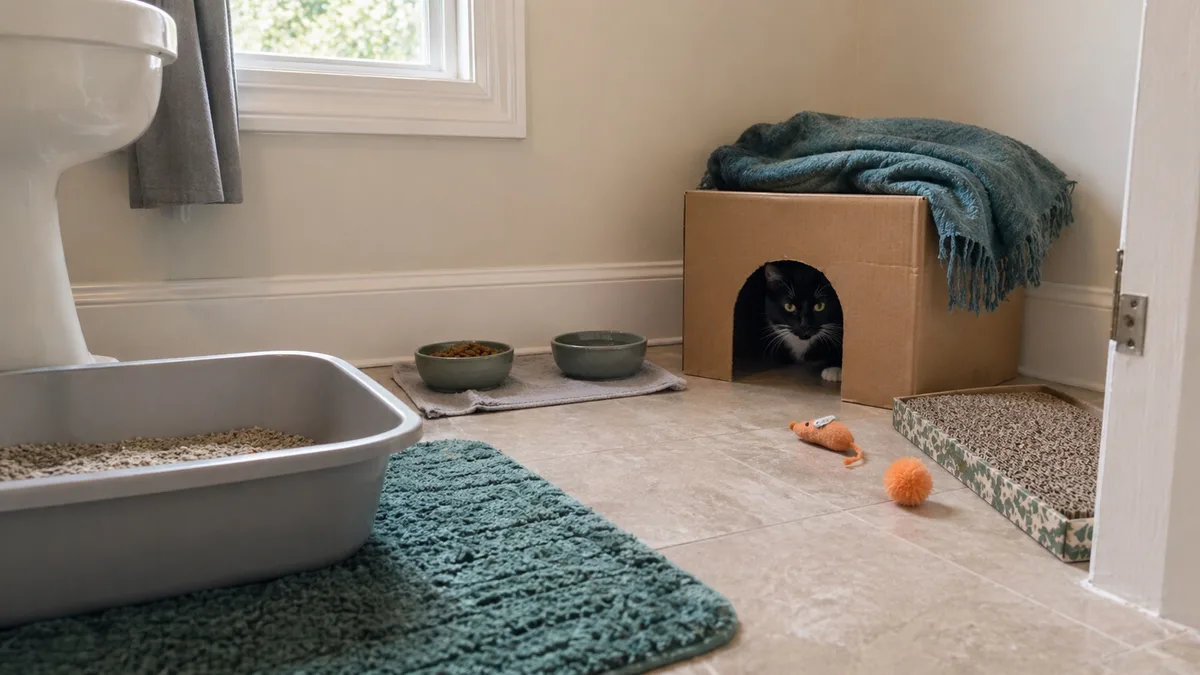
Inappropriate elimination is one of the first signs that your cat might be struggling with separation anxiety. If your cat is urinating or defecating outside the litter box, it could be a plea for attention or a reaction to stress. Ask yourself, has there been a recent change in your routine or environment? Consider if the litter box is in a quiet, accessible location. Cats need a peaceful place to do their business. If the litter box is hard to reach or in a noisy spot, your cat might avoid it. Think about the cleanliness of the litter box. Cats are notoriously picky about hygiene. If the box isn’t cleaned regularly, your cat might look for another, cleaner spot. Take note of your cat’s behavior around the litter box. Do they seem hesitant or anxious? This could be a sign that something is off in their world. If your cat has suddenly started avoiding the litter box, it’s important to observe and address these changes. This behavior can be your cat’s way of communicating distress related to your absence. By tuning into these signals, you can take steps to ease their anxiety and improve their well-being.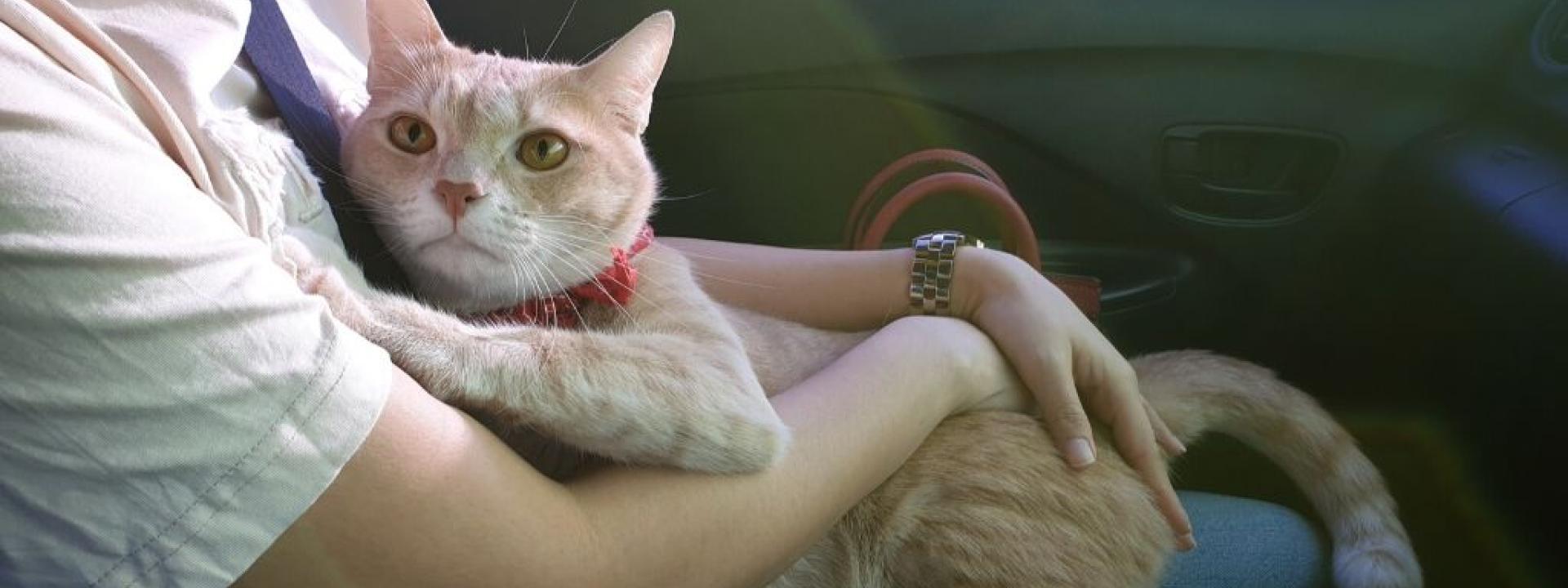
Credit: www.hickoryvet.com
Monitoring Social Interactions
Cats are complex creatures with unique personalities. Understanding their behavior is essential, especially regarding social interactions. This insight helps identify separation anxiety signs. Observing how a cat interacts socially can reveal much about its emotional state. Let’s delve into specific behaviors indicating anxiety.
Clinginess Or Following Behavior
A common sign of separation anxiety is excessive clinginess. Cats may follow their owners everywhere in the home. This behavior indicates a fear of being left alone. It’s important to notice if the cat stays close even during mundane activities. The need for constant presence shows insecurity.
Clingy behavior can escalate when departure is imminent. Cats might sit by doors or windows. This behavior signifies distress and anticipation. A cat’s anxiety may increase as you prepare to leave. Monitoring these patterns provides valuable insights into its emotional health.
Understanding a cat’s need for closeness helps address separation anxiety. Providing comfort and reassurance can ease its stress. Consider spending extra time with your pet before leaving. These actions can reduce anxiety and improve its well-being.
Understanding Environmental Triggers
Understanding environmental triggers is crucial in identifying cat separation anxiety. Cats are sensitive creatures. Changes in their surroundings can cause anxiety. Recognizing these triggers helps in managing their stress. A calm environment makes a big difference. Let’s dive deeper into these triggers.
Fear Of New Environments
New environments can scare cats. They love familiar settings. When they encounter new places, they might hide. This behavior indicates fear. A scared cat may refuse to eat. It’s a clear sign of stress.
Familiar smells comfort them. New smells make them uneasy. Cats rely on scent for security. A new place lacks familiar scents. This absence can heighten their anxiety.
Changes in routine contribute too. Cats thrive on predictability. New environments disrupt their routine. This disruption can lead to anxiety. Keep changes minimal to help them adjust.
Credit: www.hickoryvet.com
Evaluating Changes In Sleeping Patterns
Cats, like humans, have distinct sleeping patterns that mirror their well-being. A change in these patterns can signal underlying issues, including separation anxiety. Observing your cat’s sleep can provide insight into their emotional state. Understanding these changes is key to helping your feline friend.
Restlessness Or Insomnia
Cats usually enjoy long naps during the day. If your cat shows restlessness, it might be a sign of anxiety. Restless behavior includes frequent movement during sleep hours. They may wander or pace instead of resting peacefully.
Insomnia in cats is another concern. If your cat struggles to fall asleep, this could indicate stress. Anxious cats often have disrupted sleep cycles. You might notice them awake during odd hours. They may also be easily startled by noises.
Observe any changes in your cat’s sleeping habits. Note the duration and quality of their sleep. These insights can help you address potential separation anxiety. A consistent pattern of restlessness or insomnia warrants attention. Consider consulting with a veterinarian for tailored advice.
Frequently Asked Questions
How Do You Tell If Your Cat Is Too Attached?
A cat may be too attached if it follows you everywhere, demands constant attention, and shows signs of separation anxiety. Excessive grooming or vocalization can also indicate strong attachment. Monitor these behaviors to ensure your cat maintains a healthy balance between affection and independence.
How Do I Get My Cat To Stop Having Separation Anxiety?
Gradually increase time spent away from your cat. Provide toys and treats to keep them entertained. Create a cozy, secure space. Use calming pheromones or music. Consult a vet for more advice.
Why Do Cats Pee In The House When Left Alone?
Cats may pee indoors due to stress, anxiety, or marking territory. Loneliness can cause behavioral changes. Ensure clean litter boxes and provide toys to comfort them. Consider consulting a vet if the behavior persists.
How Do I Get My Cat To Chill Out?
Create a calm environment for your cat with quiet spaces. Provide toys and regular playtime to reduce anxiety. Use pheromone diffusers for a soothing effect. Establish a consistent routine for feeding and activities. Ensure your cat has a cozy resting area.
Conclusion
Understanding your cat’s separation anxiety is important. You can help ease their stress. Pay attention to signs like excessive meowing. Look for destructive behavior when left alone. Try comforting strategies, like interactive toys. Consider calming pheromones or a safe space.
Consult a vet for guidance if needed. Patience and love make a big difference. Your cat deserves a happy and calm life. With care, you can improve their well-being. Create a secure environment for your furry friend. They’re more than pets; they’re family.
Your efforts bring peace to their world.

Similar Posts