How Do You Tell If Your Cat is Stressed: Signs & Solutions
Have you ever wondered if your cat is feeling a bit off? As a loving pet owner, you want nothing more than for your furry friend to be happy and healthy.
But cats are mysterious creatures, often hiding their true feelings behind a cool demeanor. Stress in cats can manifest in subtle ways, and sometimes it’s tough to recognize the signs. If you’ve noticed changes in your cat’s behavior, it might be a hint that they’re experiencing stress.
Understanding these signs can make a world of difference in ensuring their well-being. Dive into this guide to discover how you can identify stress in your cat, and learn simple strategies to help them feel relaxed and content. Your cat is counting on you to decode their silent signals, so let’s explore what they might be trying to tell you.

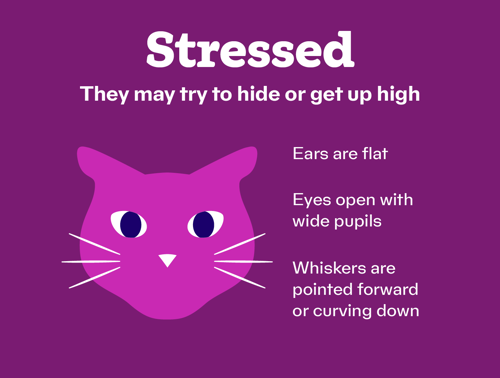
Credit: www.banfield.com
Signs Of Stress In Cats
Cats can experience stress just like humans do. Recognizing stress signs early helps ensure your cat stays healthy. Observing changes in their behavior can provide valuable insights.
Changes In Behavior
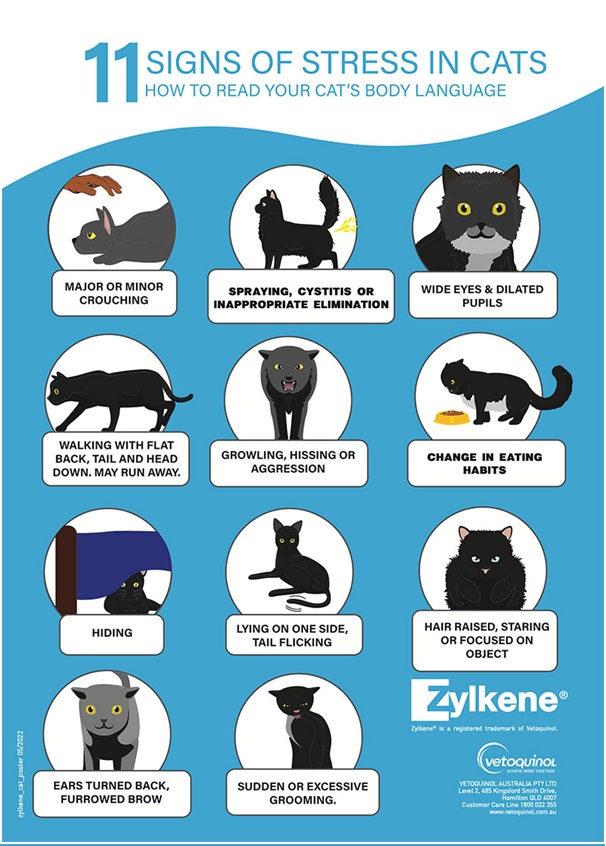
Stressed cats often act differently. They might hide more often or become clingy. Your cat may also show aggression or withdraw from social interactions. These shifts indicate that something is bothering them.
Altered Eating Habits
Stress can affect a cat’s appetite. Some cats eat less when stressed. Others might eat more, seeking comfort in food. Sudden changes in eating habits are a red flag.
Increased Vocalization
More meowing or yowling can suggest stress. Cats use vocalization to express discomfort or anxiety. If your cat becomes more talkative than usual, it might be stressed.
Excessive Grooming
Over-grooming can be a sign of stress in cats. They might lick themselves excessively, causing bald patches. This behavior is a cat’s way of coping with stress.
Behavioral Changes
Cats, like humans, experience stress. Recognizing behavioral changes is crucial. Stress manifests in various ways, affecting your cat’s usual demeanor. Understanding these changes can help you address their needs effectively. Cats may show signs of stress through different behaviors, each indicating a specific issue. Observing your cat closely will reveal these subtle signs.
Aggression Or Withdrawal
A stressed cat may become aggressive. Unprovoked biting or scratching can occur. This aggression indicates discomfort or fear. Conversely, some cats withdraw. They hide or avoid interaction. Withdrawal signals anxiety or insecurity. Both behaviors are stress indicators. They require attention and care.
Litter Box Issues
Stress can affect litter box habits. A cat may stop using the box. This change suggests distress or dissatisfaction. It could be a sign of anxiety. Cats are creatures of habit. Changes in litter box behavior indicate stress. They need reassurance and a calm environment.
Destructive Behavior
Stressed cats may engage in destructive acts. Scratching furniture or knocking over items are common. This behavior is a form of release. It helps them cope with stress. Providing appropriate outlets for this energy is essential. Toys and scratch posts can help redirect their actions.
Physical Indicators
Cats show stress through physical indicators like frequent hiding, excessive grooming, or changes in appetite. Watch for dilated pupils and ears held flat against the head. Sudden aggression or increased vocalization can also signal stress in your feline friend.
Understanding the physical indicators of stress in your cat is crucial for maintaining their well-being. Cats, like humans, display stress through various physical signs. By observing these signs, you can take steps to help your feline friend feel more comfortable and secure. Let’s dive into the key physical indicators to look out for.Changes In Weight
A noticeable change in your cat’s weight is a clear indicator of stress. Cats may lose weight due to a decrease in appetite, or they might gain weight from stress-eating. If you notice your cat’s collar fitting differently or their body shape changing, it’s time to pay attention. I remember when my cat, Whiskers, suddenly stopped eating his favorite treats. It turned out that a new neighborhood cat was stressing him out.Frequent Illness
Stress can weaken your cat’s immune system, making them more susceptible to illnesses. If your cat is frequently visiting the vet for minor ailments, stress might be the underlying cause. Have you noticed an increase in sneezing, runny noses, or upset stomachs? These could be signs that stress is impacting your cat’s health. Regular vet check-ups are vital to rule out underlying medical issues.Altered Sleeping Patterns
Cats usually have a set routine, including their sleep schedule. If your cat is sleeping more than usual or seems restless at night, stress might be the reason. Have you ever caught your cat pacing around the house during what should be their nap time? This could be a signal that they’re not feeling safe or relaxed. Try to identify any changes in their environment that might be causing this disruption. Understanding these physical signs helps you act quickly to alleviate your cat’s stress. Keep an eye out for these indicators to ensure your furry friend stays happy and healthy. What’s one change you’ve noticed in your cat that made you suspect stress? Share your experiences in the comments!Environmental Stressors
Environmental stressors can significantly impact your cat’s well-being. Cats are sensitive creatures, and changes in their environment can lead to stress. Understanding these stressors can help you create a peaceful and comfortable space for your feline friend. Let’s delve into some common environmental stressors and how they affect your cat.
New Household Members
Adding a new person or pet to the household can be overwhelming for your cat. Cats are territorial animals, and they might feel threatened by unfamiliar presences. Observe your cat’s behavior closely when someone new arrives. Do they hide more often? Are they avoiding certain areas of the house?
To ease the transition, ensure your cat has a safe space to retreat to. Introduce new members gradually, allowing your cat to approach them at their own pace. A little patience can go a long way in helping your cat adjust.
Loud Noises
Cats have sensitive hearing, and loud noises can be incredibly distressing. Whether it’s thunderstorms, fireworks, or construction work nearby, these sounds can cause your cat to panic. They might startle easily or seek refuge under the bed.
Consider providing a quiet sanctuary during noisy events. You could use noise-cancelling devices or play calming music to drown out the chaos. Creating a peaceful environment can help mitigate the impact of these stressors.
Changes In Routine
Cats thrive on routine and predictability. A sudden change in feeding times or your work schedule can confuse and stress your cat. Do you notice them meowing more or pacing around the house?
Try to maintain a consistent schedule as much as possible. If changes are unavoidable, gradually adapt your cat to the new routine. Introduce changes in small increments to minimize stress. How can you balance your routine with your cat’s needs?
By recognizing these environmental stressors, you can take proactive steps to ensure your cat remains happy and healthy. It’s all about understanding their needs and making thoughtful adjustments to their surroundings. What changes can you make today to improve your cat’s environment?
Solutions For Reducing Stress
Cats show stress through changes in behavior. Watch for signs like excessive grooming or hiding. Provide a calm environment to help reduce stress.
When your feline friend seems stressed, it’s important to know there are effective solutions to help them relax. A stressed cat might hide more, eat less, or even become aggressive. But don’t worry; there are simple ways you can create a peaceful environment for them. By understanding and addressing their needs, you can make a world of difference to your cat’s well-being. Let’s dive into some practical ways to reduce stress and make your cat feel at home.Creating A Safe Space
Cats need a sanctuary where they feel completely secure. Think about creating a cozy nook in your home where they can retreat. This could be a soft bed in a quiet corner or a perch by the window. Make sure this space is free from loud noises and disturbances. I once placed a small cat tent in my living room, where my cat could curl up and hide whenever guests were over. It worked wonders for his anxiety, offering him a personal haven to escape to.Providing Mental Stimulation
A bored cat is often a stressed cat. Mental activities are essential to keep their minds sharp and anxiety levels low. Interactive toys, puzzle feeders, or even a simple cardboard box can keep them engaged. You might notice your cat’s eyes light up at the sight of a moving toy or a new challenge. These activities provide not only entertainment but also a sense of accomplishment, reducing stress significantly.Regular Playtime
Daily play sessions are crucial in maintaining your cat’s mental and physical health. Schedule regular playtime where you interact directly with your cat using toys like feather wands or laser pointers. These moments of play strengthen the bond between you and your cat. You’ll see them more relaxed and content after a good session of chasing and pouncing. Have you ever noticed how a tired cat is a happy cat? It’s the perfect way to ease stress and boost their mood. By focusing on these solutions, you not only address your cat’s stress but also enhance their overall happiness. Have you tried any of these strategies with your cat? What difference have you noticed?Dietary Adjustments
Cats show stress through changes in behavior, like hiding or excessive grooming. Pay attention to their eating habits. Stress might lead to reduced appetite or overeating, indicating a need for dietary adjustments.
Cats, like humans, can experience stress, and one of the ways it manifests is through changes in their eating habits. Dietary adjustments can play a crucial role in alleviating stress in your feline friend. By carefully selecting what goes into their bowl, you can help soothe their nerves and improve their overall well-being. But how do you know what to offer, and what should you avoid? Let’s dive into some practical dietary tips.Stress-reducing Foods
Did you know that certain foods can help calm your cat? Foods rich in omega-3 fatty acids, like fish, can have soothing effects. Turkey, with its high levels of tryptophan, can also promote relaxation. Consider introducing these ingredients gradually into your cat’s diet. Doing so ensures they get accustomed to the new flavors and nutrients. Always consult your vet before making significant changes to your cat’s diet to ensure it’s safe for them.Hydration Importance
Hydration is vital for your cat’s health and can even affect their stress levels. Dehydration can lead to discomfort and exacerbate feelings of stress. Ensure your cat has constant access to fresh, clean water. If you notice they’re not drinking enough, try using a water fountain. Cats are often drawn to moving water, which can encourage them to drink more. Have you ever seen your cat pawing at their water bowl? This behavior might signal they’re stressed and seeking comfort. By ensuring they’re well-hydrated, you can help reduce their anxiety levels. Making dietary adjustments for your cat doesn’t have to be daunting. With a little attention to what they eat and drink, you can make a significant impact on their stress levels. What changes will you make to help your furry friend feel more at ease?Veterinary Assistance
Identifying stress in your cat can be tricky. Subtle signs often go unnoticed. Cats may hide, over-groom, or act aggressively. Stress impacts their health and happiness. Veterinary assistance can help. Vets offer guidance on stress-related issues. They pinpoint stressors and suggest solutions.
When To Seek Help
If your cat changes behavior, seek help. Look for signs like excessive grooming. Aggression or hiding are red flags. Litter box issues may indicate stress. Vomiting or diarrhea are concerning. Don’t wait for symptoms to worsen. Early intervention is crucial. Stress can lead to health problems. A vet can diagnose the cause. Professional advice is invaluable.
Possible Treatments
Vets may suggest behavior modification. Environmental changes can reduce stress. Pheromone diffusers calm anxious cats. Special diets might help. Medications are sometimes necessary. Each cat is unique. Treatments vary based on the cat’s needs. Regular check-ups monitor progress. Consistency is key to stress management. Always follow the vet’s advice.
Credit: keysivet.com.au
Long-term Stress Management
Is your cat hiding more often or acting unusually aggressive? These could be signs of stress. Watch for changes in appetite, grooming habits, or litter box use to help identify stress in your cat.
Managing your cat’s stress over the long term is crucial for its health and happiness. A stressed cat can develop behavioral issues or even health problems. You can make your home a sanctuary for your feline friend by understanding its needs and maintaining consistency.Consistency In Routine
Cats thrive on routine. They find comfort in knowing what to expect each day. If you change their feeding times or suddenly move furniture around, it can unsettle them. Think about your own daily habits—how would you feel if everything shifted unexpectedly? Your cat experiences a similar discomfort. Establish regular meal times, play sessions, and sleeping arrangements. When I started feeding my cat at the same time every day, I noticed she became more relaxed. She stopped pacing around the kitchen and instead waited calmly. This predictability helped her feel secure.Monitoring Cat Behavior
Observing your cat’s behavior is key to identifying stress. Look for signs like excessive grooming, hiding, or aggression. These changes can be subtle, but they speak volumes about your cat’s emotional state. Ask yourself: Is your cat acting differently? Does she seem more withdrawn or unusually vocal? Keeping a diary of her behavior might help you spot patterns. Once, I noticed my cat was scratching furniture more than usual. It turned out she was anxious about new noises from a nearby construction site. By monitoring her behavior, I realized the need to provide a quieter resting space. What steps will you take to ensure your cat lives a stress-free life? Making small adjustments can lead to big changes in your cat’s well-being.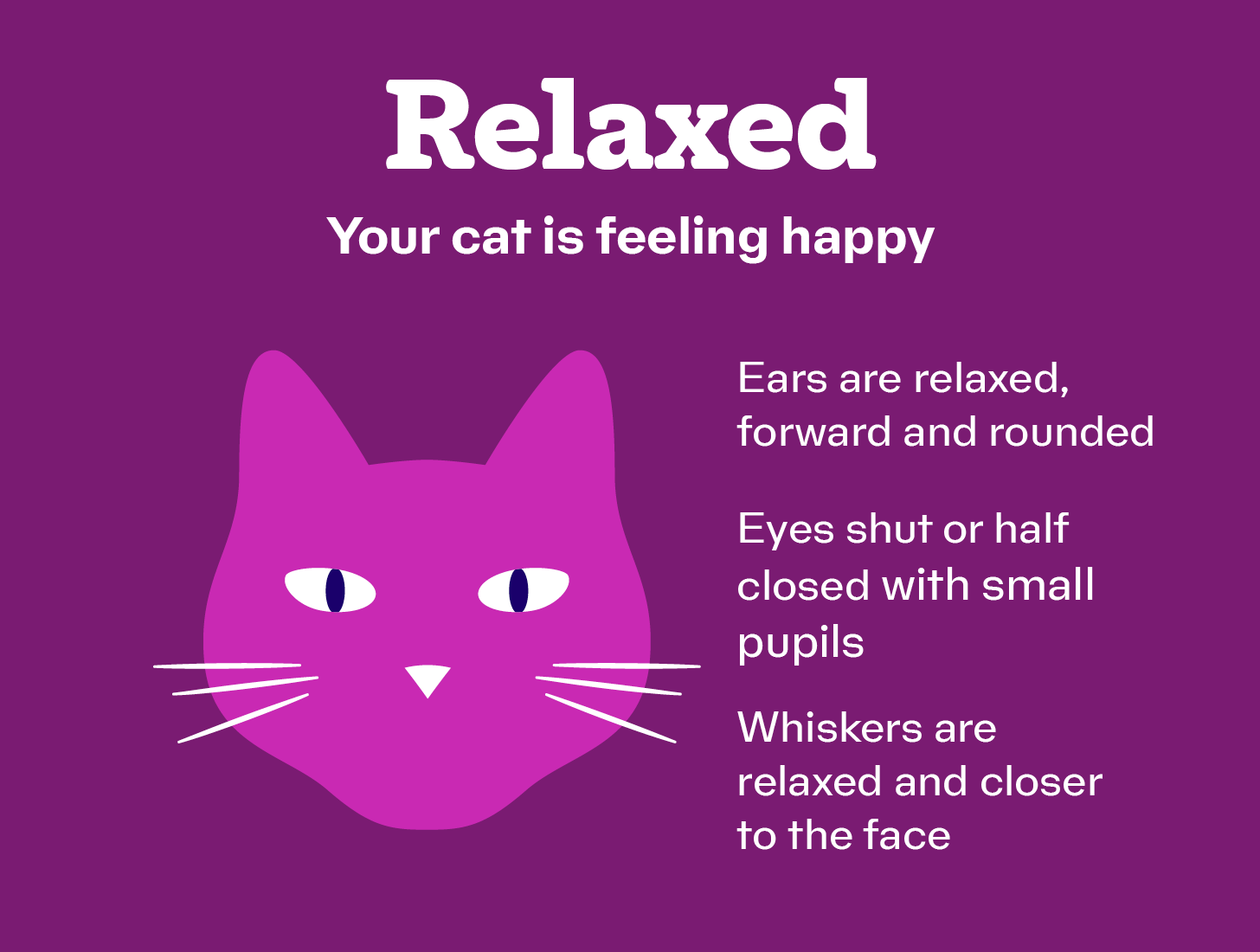
Credit: www.cats.org.uk
Frequently Asked Questions
How To Recognize Signs Of Stress In Cats?
Cats show stress by hiding, excessive grooming, or changes in appetite. Aggression or increased vocalization can also indicate stress. Watch for litter box issues or unusual behavior. Seek veterinary advice if symptoms persist.
How Do You Help A Stressed Cat?
Create a calm environment with minimal noise. Provide hiding spots and interactive toys. Use pheromone diffusers to soothe. Stick to a routine for feeding and playtime. Consult a vet if stress persists.
What Does Anxiety Look Like In A Cat?
Cats with anxiety may hide frequently, show aggression, or groom excessively. They might vocalize more and seem restless. Changes in appetite or litter box habits can also indicate stress. Watch for dilated pupils and flattened ears as potential signs of anxiety.
Prompt attention can help ease their discomfort.
Can Stress In Cats Cause Diarrhea?
Yes, stress can cause diarrhea in cats. Stress disrupts their digestive system, leading to gastrointestinal issues. Common stressors include changes in environment, routine, or new pets. It’s crucial to identify the stress source and manage it to help your cat.
Consult a veterinarian if symptoms persist.
Conclusion
Recognizing stress in your cat helps ensure its well-being. Look for changes in behavior or appetite. Stress signs can include hiding, aggression, or litter box issues. Always provide a calm environment and plenty of love. Consult a vet if stress signs persist.
A happy cat is a healthy cat. Understanding your cat’s needs strengthens your bond. Remember, each cat is unique. Observing them closely is key. Keep your feline friend content and relaxed. Your care makes all the difference. Stay attentive to their cues.
Your cat’s comfort matters every day.