How to Tell If Cat is Stressed: Key Signs to Watch
Your feline friend is more than just a pet; they are a cherished member of your family. Just like humans, cats can experience stress, and knowing how to identify it is essential for their well-being.
Imagine coming home to a happier, healthier cat, simply because you understand their needs better. This article is your guide to recognizing the signs of stress in your cat, ensuring you can take action before it impacts their health. You’ll discover simple indicators and practical tips to help your furry companion live a more relaxed life.
Keep reading to unlock the secrets of your cat’s behavior and learn how you can make their world a more peaceful place. Your bond with your cat is about to grow stronger, bringing joy to both of you.
Common Behavioral Changes
Recognizing stress in cats is crucial for their well-being. Cats express stress through various behaviors. These changes can be subtle or obvious. Observing these signs helps address your cat’s needs. Let’s explore some common behavioral changes in stressed cats.
Increased Aggression
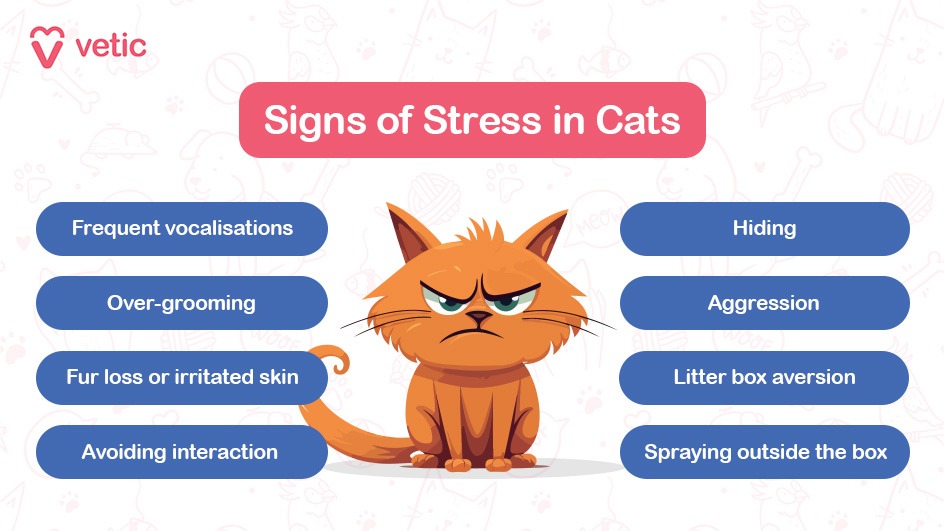
Increased aggression can be a sign of stress in cats. Your cat might hiss more often or show hostility. They may swat or bite unexpectedly. This behavior indicates discomfort or anxiety. It’s important to approach them calmly. Avoid punishing aggressive behavior. Instead, try to identify stress triggers.
Hiding Or Avoidance
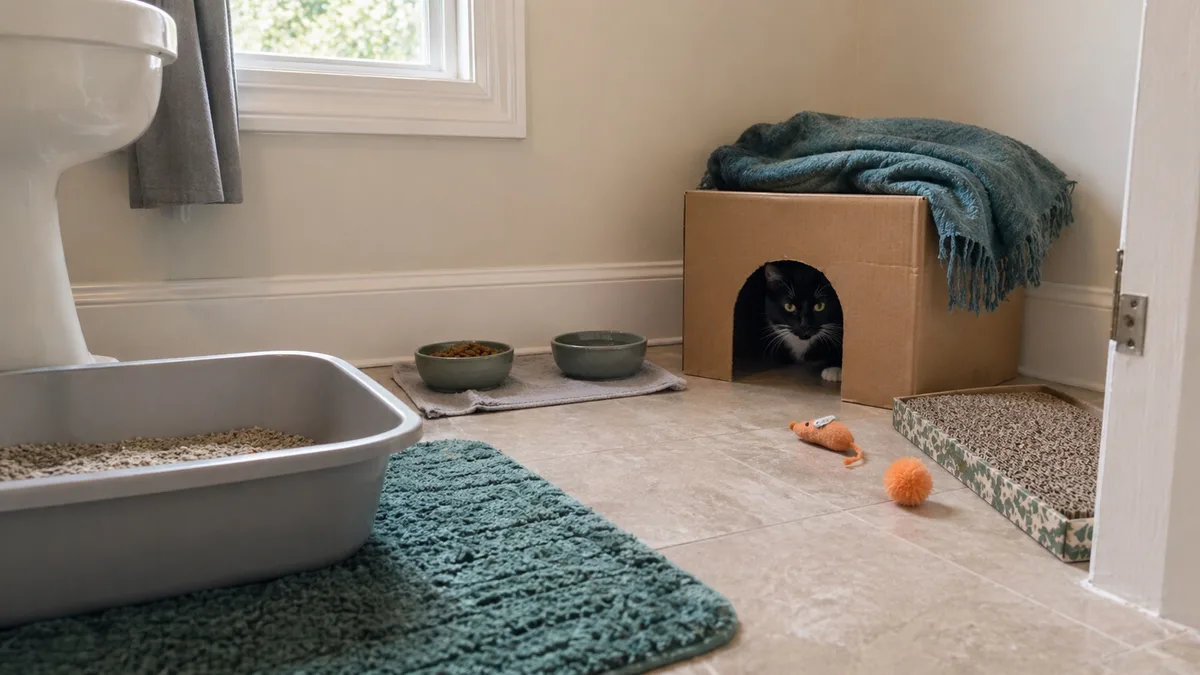
Stressed cats often hide or avoid interaction. They might find secluded spots to feel safe. This behavior helps them cope with their anxiety. You may notice your cat avoiding people or other pets. Respect their need for space. Encourage them gently to re-engage with their surroundings.
Excessive Grooming
Excessive grooming is a common sign of stress in cats. Your cat might lick themselves constantly. This behavior can lead to bald spots or skin irritation. It’s a way for cats to soothe themselves. Monitor your cat’s grooming habits. Address any underlying stressors if grooming becomes obsessive.
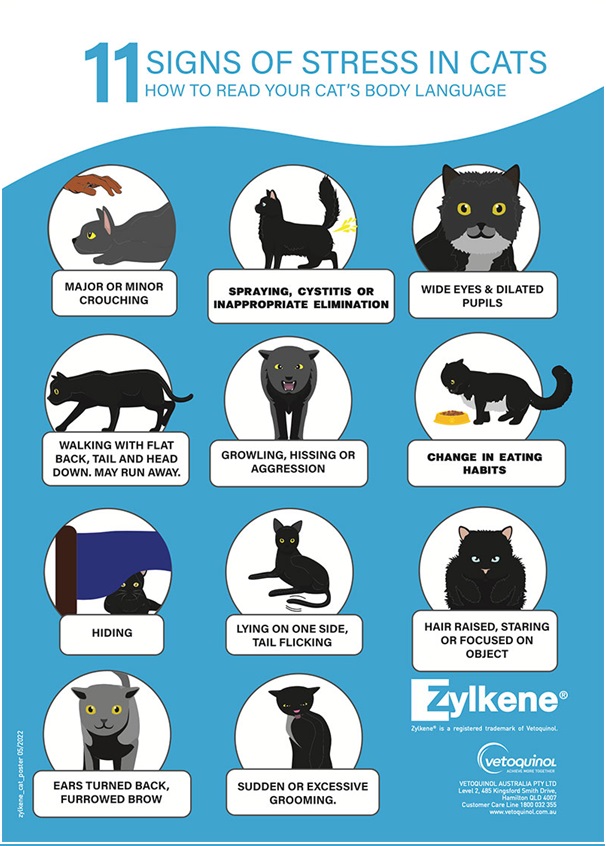
Credit: keysivet.com.au
Physical Indicators
Recognizing stress in cats can be tricky. Physical indicators provide essential clues. These signs often manifest in different ways. Understanding them helps ensure your cat’s well-being. Watch for these changes to address stress early.
Changes In Appetite
A stressed cat might eat less. This can result in skipped meals. Sometimes, they eat more than usual. This change in eating habits signals stress. Monitor your cat’s food intake closely. It can reveal much about their emotional state.
Altered Sleep Patterns
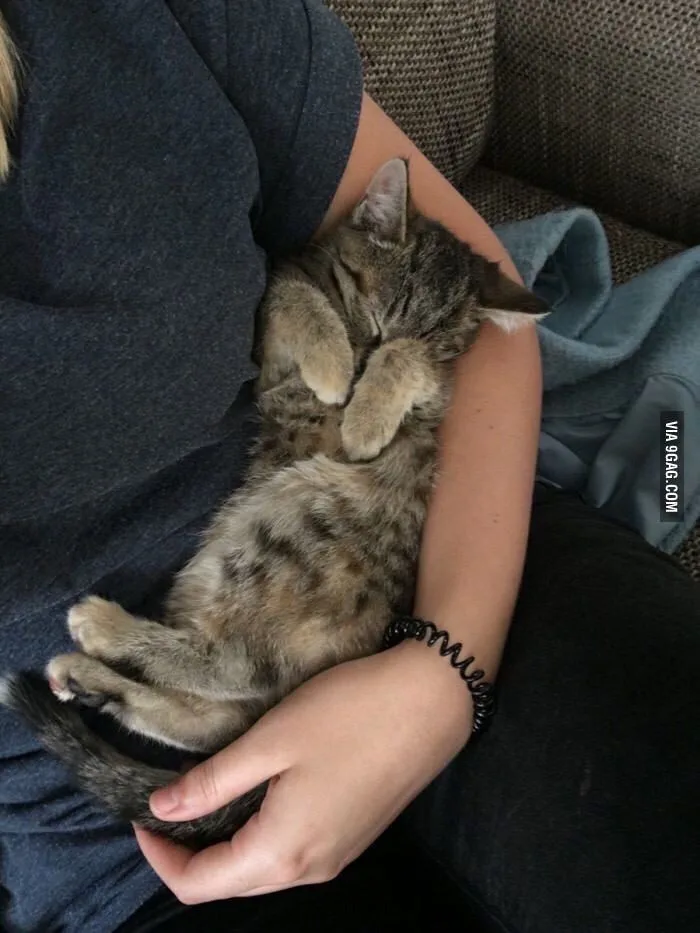
Stress often disrupts sleep. Cats may sleep more or less. Look for unusual sleep spots. They might nap in hidden places. This behavior indicates discomfort. Regular sleep disturbances might mean your cat is stressed.
Unexplained Weight Loss
Weight loss without reason is concerning. Stress can cause weight fluctuations. Weigh your cat regularly. Weight loss might indicate underlying stress. It’s important to address this early. Consult a vet for unexplained changes in weight.
Vocalization Variations
Understanding a cat’s vocalization can help identify stress. Cats communicate through sounds. Changes in these sounds often indicate stress. Observing these changes can help address underlying issues.
Increased Meowing
Increased meowing can be a sign of stress. Cats might meow more when anxious. This can be their way of seeking attention or expressing discomfort. Pay attention if your cat becomes more vocal than usual.
Unusual Growling Or Hissing
Growling and hissing usually indicate fear or discomfort. If your cat starts these behaviors suddenly, stress might be the cause. They might feel threatened by changes in their environment. It’s crucial to identify the source of their stress.
Frequent Yowling
Yowling is a loud, drawn-out meow. It often signals distress or confusion. A stressed cat may yowl frequently, especially at night. This can be their way of expressing loneliness or discomfort. Frequent yowling needs attention to determine its cause.
Litter Box Issues
Understanding your cat’s behavior is crucial, especially when it comes to their litter box habits. If you’re noticing a change in these habits, it could be a sign of stress. Cats are usually meticulous about their litter box routines, so any deviation might be worth investigating. Let’s delve into some specific litter box issues that can indicate your cat is stressed.
Avoidance Of Litter Box
Has your cat suddenly decided the litter box isn’t the place to be? Avoidance might not just be a matter of preference. Stress can make your cat feel uneasy, leading them to avoid places they once felt comfortable.
Think about any recent changes in your home. New furniture, a different location for the litter box, or even a new pet can disrupt your cat’s routine. It’s like when you go to a party and you don’t know anyone; you might feel out of place and avoid certain areas.
Consider placing the litter box in a quiet, familiar spot. If your cat continues to avoid it, you might need to reassess what’s causing them distress. Remember, addressing the root of stress is key to helping your feline friend.
Changes In Urination Or Defecation Habits
Notice your cat urinating or defecating outside the box? It’s not just about being naughty; it could signal stress. This behavior is often tied to anxiety or discomfort.
Keep an eye on your cat’s frequency and volume of urination or defecation. Changes can indicate stress or even health issues like urinary tract infections. You wouldn’t ignore a friend’s sudden change in behavior, would you? The same goes for your cat.
Try altering the litter type or box location to see if it helps. If the behavior persists, consulting a vet can offer insights into whether stress or a medical condition is the culprit.
Remember, your cat’s well-being is in your hands. Being attentive to their litter box habits can help ensure they’re living a happy, stress-free life. What have you noticed about your cat’s litter box habits lately? Could it be stress? Share your thoughts and experiences below!
Body Language Signals
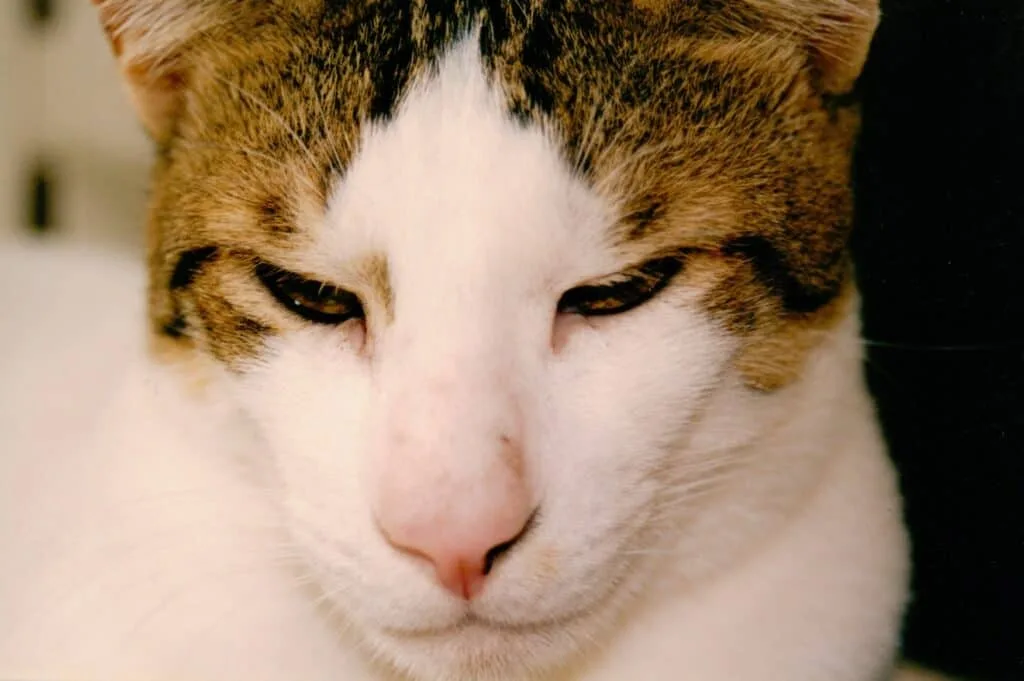
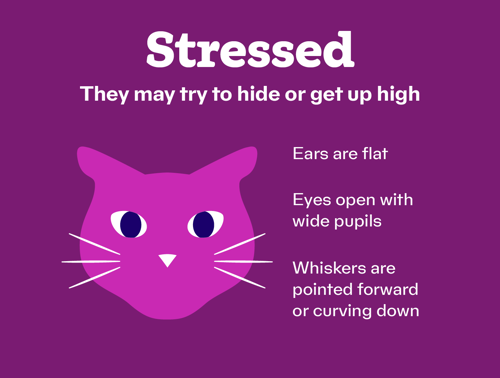
Cats show stress through body language signals. Flattened ears, twitching tails, and dilated pupils are key indicators. Vocal changes or hiding more often also suggest your feline friend may be feeling tense.
Understanding your cat’s body language is crucial in identifying if they are stressed. Cats express their discomfort and anxiety through subtle physical signals. Being aware of these cues can help you address their needs promptly. Let’s dive into some common body language signals that may indicate your cat is stressed.Flattened Ears
When a cat flattens its ears against its head, it is a clear sign that something is amiss. This position often indicates fear or anxiety. Imagine you are in a new place filled with unfamiliar sounds; you might feel uneasy too. If your cat’s ears are consistently pinned back, consider what might be causing them distress. Loud noises, new people, or changes in their environment could be factors.Tucked Tail
A cat’s tail is a great communicator of their mood. A tucked tail, especially when combined with a hunched posture, signals that your cat is feeling scared or threatened. Picture how you feel when you’re caught off guard, and how your body language changes. If your cat is frequently tucking their tail, they might be overwhelmed. It might be time to evaluate their surroundings for potential stressors.Dilated Pupils
Dilated pupils can be a sign of arousal in cats, but when combined with other stress signals, it often means anxiety. Think about when you’re nervous, and your heart races – your body reacts in ways you can’t control. If your cat’s eyes are wide with dilated pupils, they might be feeling stressed. Check for other signs and try to soothe them with gentle words or by giving them space. Recognizing these signals can make a significant difference in your cat’s well-being. Are you noticing these signs in your cat? Understanding their body language can create a more harmonious home for both of you. Your attention to these subtle cues can help ensure your cat feels safe and secure in their environment.Environmental Stressors
Cats are sensitive creatures. Their environment greatly impacts their mental health. Changes around the home can cause stress. It’s crucial to recognize these stressors. This ensures your cat’s well-being and happiness. Let’s explore some common environmental stressors.
Changes In Household Routine
Routine changes can unsettle your cat. Cats thrive on consistency. A sudden change can confuse them. This might include new work hours or shifts. They might feel anxious if meal times change. Watch for signs like hiding or loss of appetite. Maintain a regular schedule. It helps keep your cat calm.
Introduction Of New Pets
Bringing home a new pet can be stressful for your cat. Cats are territorial. A new pet can feel like a threat. They may react by hiding or acting out. Introduce new pets slowly. Give your cat time to adjust. This reduces stress and ensures harmony.
Loud Noises Or Construction
Loud noises can frighten cats. Construction work or fireworks are common culprits. Your cat might hide or become agitated. Provide a quiet, safe space during noisy events. Comforting your cat can help ease their stress. Consider calming products if needed.
Health-related Factors
Understanding your cat’s stress involves exploring health-related factors. Stress in cats often stems from health issues. Identifying these factors can help you ease their discomfort. Let’s delve into some common health-related reasons for cat stress.
Underlying Medical Conditions
Cats can hide their pain well. This makes it hard to notice health problems. Conditions like arthritis or dental issues can cause stress. Chronic pain affects their mood and behavior. Watch for signs like limping or decreased appetite. Regular vet check-ups are essential. They help catch these issues early.
Recent Surgeries Or Illnesses
Surgeries and illnesses can stress cats. Recovery involves discomfort and change. Cats may feel vulnerable after surgery. They might hide or act differently. Illnesses disrupt their routine, which they dislike. Provide a calm environment during recovery. Ensure they have a quiet, safe space to heal.

Credit: www.richmondvetclinic.ca
Coping And Management Strategies
Spotting stress in cats can be tricky. Look for signs like excessive grooming, hiding, or changes in appetite. Recognizing these behaviors helps in managing stress effectively and ensuring your feline friend’s well-being.
Stress in cats can manifest in various ways, and it’s vital for you to understand how to help your furry friend find peace. Have you ever noticed your cat acting out of the ordinary, hiding more than usual or even being unusually aggressive? It could be stress. But don’t worry, as there are simple strategies you can adopt to help manage and reduce your cat’s stress levels.Creating A Safe Space
Cats often feel stressed when their environment is too chaotic or unfamiliar. A safe space can do wonders for their comfort. This could be a quiet corner of your home with their favorite blanket or a new cozy bed. Think of it as their personal retreat. My cat, Whiskers, found solace when I set up a little nook in the living room. Whenever he felt overwhelmed, he would snuggle there, away from the noise. Have you noticed where your cat retreats when things get hectic? Maybe creating a designated safe zone can help your cat relax.Providing Mental Stimulation
Mental stimulation is key to keeping your cat engaged and happy. Toys, puzzles, or even interactive games can be fantastic stress-busters. It’s not just about play; it’s about keeping their minds active. Try a simple feather toy or a laser pointer to get started. My cat found hours of entertainment chasing a ball around the house. What toys does your cat enjoy? Experiment with different options and watch your cat’s stress melt away.Consulting A Veterinarian
Sometimes, stress can be a symptom of a deeper issue. Consulting a veterinarian can provide clarity and peace of mind. They can offer guidance on behavioral therapies or prescribe medication if needed. When Whiskers seemed unusually anxious, a vet visit revealed he had an underlying health issue. The vet’s advice was invaluable in managing his stress. Have you considered seeking professional help if your cat’s stress seems persistent? A vet could provide the answers you’re looking for. By taking these steps, you can create a calmer, happier environment for your cat. Remember, a stress-free cat is a happy cat. What changes will you make today to ensure your feline friend feels secure and loved?
Credit: www.banfield.com
Frequently Asked Questions
How To Relieve A Cat’s Stress?
Create a calm environment for your cat. Offer interactive toys and scratching posts. Provide hiding spots and high perches. Ensure routine feeding and playtimes. Use calming pheromone sprays or diffusers.
Will A Stressed Cat Not Eat?
Yes, a stressed cat might stop eating. Stress can cause appetite loss in cats. Provide a calm environment and consult a vet if the issue persists. Ensure your cat feels safe and comfortable to encourage eating.
What Calms Cats Naturally?
Natural remedies like catnip, valerian root, and chamomile can calm cats. Pheromone diffusers also help reduce stress. Providing a quiet, safe space and interactive toys keeps them relaxed. Regular playtime and a consistent routine further ensure their calmness.
What Does Anxiety Look Like In A Cat?
Anxiety in cats appears as hiding, excessive grooming, aggression, or urinating outside the litter box. They might also vocalize more, show a lack of appetite, or become more clingy. Changes in routine or environment often trigger these behaviors. Recognizing these signs early can help manage your cat’s anxiety effectively.
Conclusion
Recognizing stress in cats is crucial for their well-being. Watch for changes in behavior. Look for signs like hiding or aggression. Stress can affect their health. Create a calm environment at home. Offer toys and scratching posts. Ensure they have a safe, quiet space.
Regular vet visits help monitor their health. Understanding your cat’s needs builds a stronger bond. A happy cat is a healthy cat. Pay attention to their signals. Help them lead a stress-free life. Your cat depends on your care and love.

Similar Posts