Are There Any Essential Oils Safe for Cats: Expert Insights

Have you ever wondered about using essential oils around your feline friend? As a cat owner, you care deeply about your pet’s health and well-being.
Essential oils have gained popularity for their soothing and healing properties, but are they safe for cats? You might be surprised to learn that not all essential oils are safe for your furry companion. Before you start diffusing scents in your home, it’s crucial to understand which oils are harmless and which ones could pose a risk.
This article will guide you through the world of essential oils, helping you make informed choices to keep your cat safe and happy. Keep reading to discover the essential oils that can coexist peacefully with your beloved pet and those you should avoid at all costs. Your cat’s safety is just a scroll away!
Essential Oils And Cats
Many people love using essential oils for their therapeutic benefits and pleasant aromas. But if you’re a cat owner, you might wonder if these oils are safe for your feline friend. Cats have a different metabolism than humans, making them more sensitive to certain substances, including essential oils.
Before you start using essential oils around your cat, it’s crucial to understand the potential risks and common concerns. Let’s dive into the specifics to keep your furry companion safe and healthy.
Common Concerns
When talking about essential oils, one concern is the potential for toxicity in cats. Essential oils like tea tree, eucalyptus, and citrus can be harmful to cats even in small amounts. Cats lack certain liver enzymes needed to process these oils, which can lead to toxic buildup.
You might have heard stories of cats getting sick after exposure to essential oils. This is a valid concern and something you should take seriously. Always research or consult your vet before using any new product around your pet.
Potential Risks
Exposure to essential oils can cause various health issues in cats. Symptoms might include drooling, vomiting, or difficulty breathing. In severe cases, it can lead to liver failure or even death.
Consider the methods of exposure as well. Diffusing oils can spread particles in the air, which your cat could inhale. Direct contact with oils, such as through spills or skin applications, poses another risk.
Have you ever noticed how your cat reacts to certain smells? Cats have a keen sense of smell, and strong scents can be overwhelming. Always keep an eye on your cat’s behavior and consult a professional if you’re unsure about a particular oil.
Are you willing to take the risk, or would you rather err on the side of caution? Your choices can significantly impact your pet’s well-being, so always prioritize their safety.
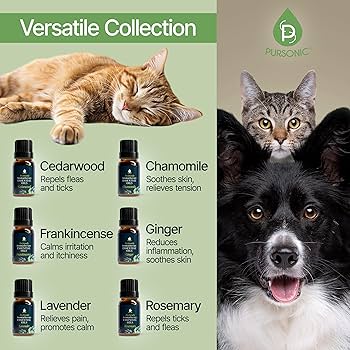
Credit: www.amazon.com
Safe Essential Oils For Cats
As a cat owner, you might be wondering if essential oils can be used safely around your feline friend. Cats are sensitive creatures, and not all essential oils are safe for them. However, there are a few oils that can be used with caution. It’s essential to know which ones won’t harm your pet. Let’s explore some of the safe options.
Lavender Oil
Lavender oil is one of the most popular essential oils that is generally safe for cats. It has calming properties which might help with anxiety or stress in your kitty. Imagine the soothing scent of lavender wafting through your home, creating a serene environment for both you and your pet.
However, it’s crucial to use lavender oil sparingly. A drop or two diluted in water and diffused around the room is usually enough. Have you noticed your cat behaving calmly when lavender is in the air?
Chamomile Oil
Chamomile oil is another option that can be safe for cats when used correctly. Known for its relaxing effects, chamomile might be beneficial if your cat is experiencing tension or irritability. Picture a peaceful scene with your cat lounging comfortably, surrounded by the gentle aroma of chamomile.
Always dilute chamomile oil before use. A small amount mixed with a carrier oil can be applied to a cat’s bedding. How would your cat react to a soothing chamomile-infused space?
Rosemary Oil
Rosemary oil has a fresh, invigorating scent that can be safe for cats in moderation. This oil is often used for its potential to repel fleas and ticks. Think about the added benefit of keeping pests at bay while ensuring your cat’s safety.
When diffusing rosemary oil, ensure it’s in a well-ventilated area. This keeps the concentration low and safe for your furry friend. Have you considered natural solutions like rosemary oil for pest control?
Using essential oils around cats requires care and knowledge. Always prioritize your pet’s health and comfort. Have you checked how your cat responds to new scents at home? Their reaction can guide you in creating a safe, fragrant environment. Be attentive and choose wisely!
Benefits Of Using Essential Oils
Essential oils can offer soothing effects for cats when used correctly. Lavender and chamomile are generally safe options. Always consult a vet before introducing new scents to your feline friend.
Essential oils have gained popularity for their numerous benefits, but how do they fit into a cat-friendly environment? When used properly, certain essential oils can offer benefits that both you and your furry friend can enjoy. Let’s explore the positive effects of using essential oils around your cat.Calming Effects
Essential oils like lavender and chamomile can create a soothing atmosphere for cats. These oils are known for their calming properties, which can help reduce stress and anxiety in your feline companion. Imagine your cat resting peacefully, even during a thunderstorm, thanks to the gentle scent of lavender in the air. Using a diffuser with a few drops of lavender oil in a well-ventilated room can create a serene environment. Always ensure your cat has the option to leave the room if they find the scent overwhelming. Have you noticed your cat hiding or acting skittish during stressful times? Introducing calming essential oils could be a simple way to help them feel more at ease.Pest Repellent
Cats are curious creatures, and their natural instincts often lead them into contact with fleas and ticks. Essential oils like cedarwood and peppermint can act as natural pest repellents. These oils can help protect your cat from unwanted visitors without resorting to harsh chemicals. Try adding a few drops of cedarwood oil to a carrier oil and gently applying it to your cat’s collar. This can be a natural way to keep pests at bay. Do you ever find yourself worrying about the chemicals in conventional pest repellents? Opting for essential oils can give you peace of mind while safeguarding your cat. By understanding the benefits of essential oils, you can improve your cat’s well-being while enhancing your home environment. Always prioritize your cat’s safety and consult with your vet before introducing new scents.Application Methods
Using essential oils around cats requires careful consideration. Understanding safe application methods is crucial. Cats are more sensitive to oils than humans. Knowing how to apply these oils safely is essential.
Diffusion
Diffusion is the safest way to use essential oils near cats. This method spreads tiny oil particles in the air. It doesn’t involve direct contact with the cat. Always use a diffuser in a well-ventilated area. Ensure your cat can leave the room if it wants. This prevents overexposure and helps in monitoring any negative reactions.
Topical Use
Direct application on a cat’s skin is risky. Cats have thin skin and absorb oils quickly. Never apply essential oils directly on their fur or skin. Instead, consider other methods like diffusion. If you must use oils topically, consult a vet first. They can offer guidance on safe usage.
Dilution Guidelines
Proper dilution is crucial for safety. Essential oils are potent and should be diluted before use. Use a carrier oil like coconut or olive oil. A safe dilution ratio is 1 drop of essential oil to 50 drops of carrier oil. This reduces potency and minimizes risks. Always test a small area first. Watch for any adverse reactions on your cat’s skin.
Expert Recommendations
Some essential oils are safe for cats, like lavender and chamomile. Always dilute properly and consult a vet before use. Avoid oils like tea tree and citrus, as they can harm your furry friend.
When it comes to ensuring the safety and well-being of your feline friend, choosing essential oils can be a tricky business. You want the best for your cat, but navigating the world of aromatherapy can be daunting. Expert recommendations can guide you in making informed decisions. Cats are sensitive creatures, and their unique physiology means they can react differently to various substances, including essential oils.Veterinary Advice
Veterinarians often advise caution when using essential oils around cats. Many oils that are safe for humans and dogs can be harmful to cats. This is because cats lack certain liver enzymes necessary to metabolize the compounds in some oils. It’s crucial to consult your vet before introducing any new substance into your pet’s environment. They can offer tailored advice based on your cat’s health history and current conditions. Your vet might suggest oils that are generally considered safe, like lavender or chamomile, but the emphasis will always be on moderation and observation. Have you ever noticed your cat reacting unusually to a scent in your home? It’s these subtle signals that can alert you to potential sensitivities.Holistic Approaches
For those interested in more natural methods, holistic practitioners can offer guidance on essential oils for cats. They often recommend methods that incorporate the whole animal’s health, looking beyond just physical symptoms to emotional and environmental factors. Holistic experts might suggest using a diffuser in a well-ventilated area, ensuring your cat has the option to leave the room if desired. They could also advise using hydrosols, a gentler alternative to essential oils, which can offer aromatic benefits without overwhelming your pet. Have you considered that your cat’s stress levels might be influenced by environmental factors? Holistic approaches can offer insights into maintaining a calm and balanced atmosphere for your cat, potentially reducing stress and encouraging harmony. In your quest to find safe essential oils for your cat, expert recommendations can provide a balanced perspective, combining veterinary knowledge with holistic insights. It’s about finding what works best for your feline companion while ensuring their safety and comfort.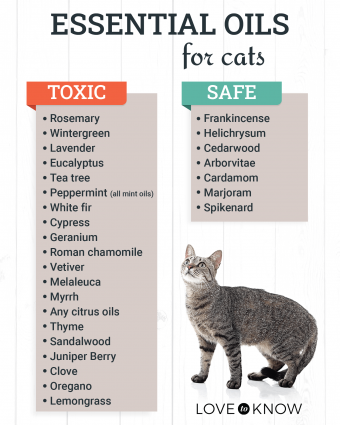
Credit: www.lovetoknowpets.com
Signs Of Essential Oil Toxicity
Certain essential oils can be harmful to cats. Symptoms of toxicity include drooling, vomiting, and difficulty breathing. Always consult a veterinarian before using any oils around pets.
Recognizing the signs of essential oil toxicity in your cat is crucial for their well-being. Cats are sensitive creatures, and certain oils can affect them adversely. But how can you tell if your feline friend is experiencing toxicity from essential oils? Understanding the symptoms can help you act swiftly and protect your pet from potential harm.Behavioral Changes
Cats may exhibit noticeable behavioral changes when exposed to toxic essential oils. You might observe your cat becoming unusually restless or agitated. They may start hiding more frequently or seem disoriented, as if they’ve forgotten their usual routines. Another sign to watch for is excessive drooling or panting. If your cat suddenly becomes withdrawn or less interested in playtime, it could be a response to essential oil exposure. Have you ever noticed your cat acting out of character after using an essential oil diffuser? It’s worth considering if the oil may be the cause.Physical Symptoms
Alongside behavioral changes, physical symptoms can signal essential oil toxicity. A common indicator is respiratory distress, which might present as coughing, sneezing, or wheezing. Your cat’s skin could also react, leading to irritation, redness, or rashes. Digestive issues such as vomiting or diarrhea are other potential red flags. Has your cat lost its appetite or appeared more lethargic than usual? These physical symptoms can be alarming and warrant immediate attention, as they may indicate exposure to harmful essential oils. Being vigilant about these signs can make all the difference in ensuring your cat’s safety. Have you considered the impact of your essential oil use on your pet? Prioritizing their health means being informed and attentive to these subtle but crucial changes.Precautions And Safety Tips
Certain essential oils can harm cats. Choose oils carefully and avoid those toxic to cats, like tea tree and eucalyptus. Always consult a vet before using any essential oil around your feline friend.
When considering essential oils for your home, it’s crucial to think about the safety and well-being of your feline friends. Cats are sensitive creatures, and their unique physiology makes them more vulnerable to certain substances, including essential oils. To ensure a safe environment, some precautions and safety tips can help you navigate the world of essential oils while keeping your cat safe and sound.Storage Tips
Store essential oils out of your cat’s reach. A high shelf or a locked cabinet can prevent curious paws from knocking them over. Consider labeling each bottle clearly to avoid confusion. This can help you quickly identify which oils are safe for limited use around cats and which are not. Keep the lids tightly sealed. This minimizes the risk of spills and prevents the strong aromas from filling the air unnecessarily.Proper Ventilation
Ensure your home is well-ventilated when using essential oils. Open windows or use fans to help disperse the scent quickly. Avoid using diffusers in small, enclosed spaces where your cat spends a lot of time. This can prevent overwhelming their sensitive noses and respiratory systems. Observe your cat’s behavior. If they seem to avoid a room where oils are used, it might be a sign to move the diffuser or try a different scent. As a pet owner, you’re their best advocate. Have you ever noticed how your cat reacts when you try a new oil? Their response can guide you on what’s comfortable for them. Making small adjustments can enhance both your and your cat’s environment without compromising safety.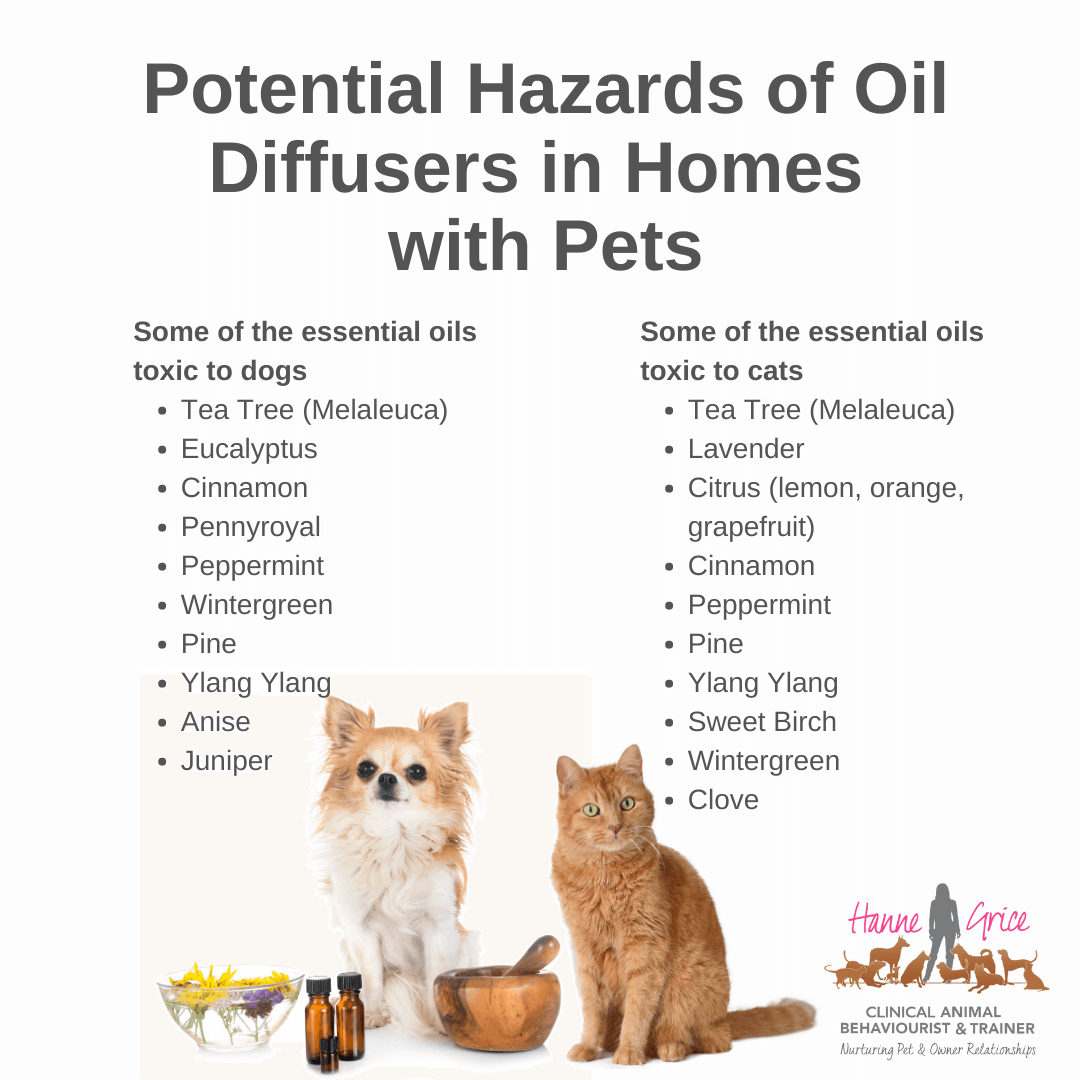
Credit: www.hannegrice.com
Frequently Asked Questions
What Essential Oils Are Safe For Cats?
Chamomile, lavender, and frankincense essential oils are generally safe for cats. Always use them in moderation. Ensure proper ventilation and never apply oils directly on your cat. Consult a veterinarian before introducing new essential oils to your pet’s environment. Safety is a priority for your feline friend.
Can Cats Be In The Same Room As Essential Oils?
Cats should not be in the same room as essential oils. Many oils can be toxic to them. Ensure proper ventilation and keep oils out of their reach. Always consult a veterinarian before using essential oils around cats to ensure their safety and well-being.
Are Any Essential Oils Safe For Cats To Inhale?
Lavender and chamomile oils are generally safe for cats to inhale in small amounts. Ensure proper ventilation and monitor your cat for any adverse reactions. Always consult a veterinarian before introducing essential oils to your cat’s environment.
What Essential Oils Are Safe For Cats?
Lavender, chamomile, and rose are generally considered safe for cats. However, always use them in moderation. Dilute essential oils and ensure proper ventilation. Consult your veterinarian before introducing any oils to your cat’s environment. Each cat may react differently, so observe for any adverse reactions.
Conclusion
Caring for cats includes safe choices. Essential oils need caution. Some are safe, like lavender and chamomile. Always check with your vet first. Avoid oils like tea tree and eucalyptus. Cats are sensitive. They react differently than humans. Monitor your cat for any signs of distress.
Essential oils should be used sparingly. Keep them out of reach. Ensure your cat’s environment is safe. Prioritize their health and well-being. Your pet’s safety is most important. Always stay informed. Make decisions based on expert advice. Protect your furry friend with care and knowledge.

Similar Posts