What to Give Cats for Anxiety: Calming Solutions

If your feline friend is showing signs of anxiety, you’re likely searching for ways to help them feel calm and secure. Just like humans, cats can experience stress for various reasons, and it’s important to address it thoughtfully.
You might notice changes in behavior, excessive grooming, or even aggression, leaving you worried and wondering what you can do to bring peace back to your home. You’re not alone in this. Many cat owners face the same challenges, and understanding what to give your cat for anxiety can make all the difference.
Whether it’s due to a new environment, loud noises, or simply unknown triggers, there are effective solutions to soothe your anxious kitty. Dive into this article to explore safe and effective options that can transform your cat’s anxiety into tranquility. Discover how simple changes and thoughtful choices can lead to a happier, more relaxed companion.
Signs Of Anxiety In Cats
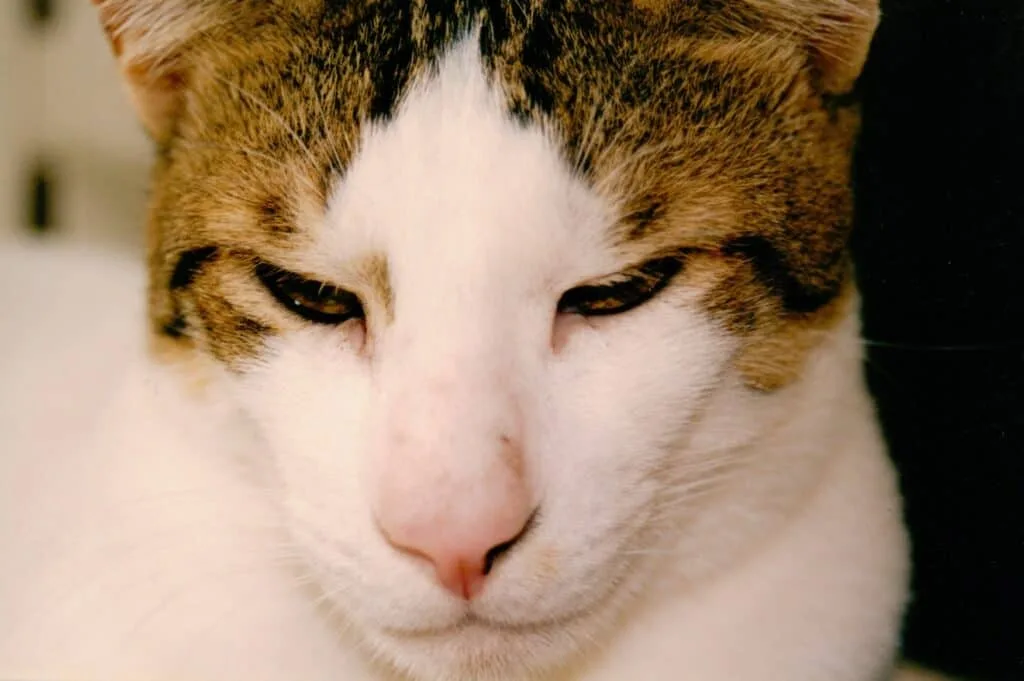
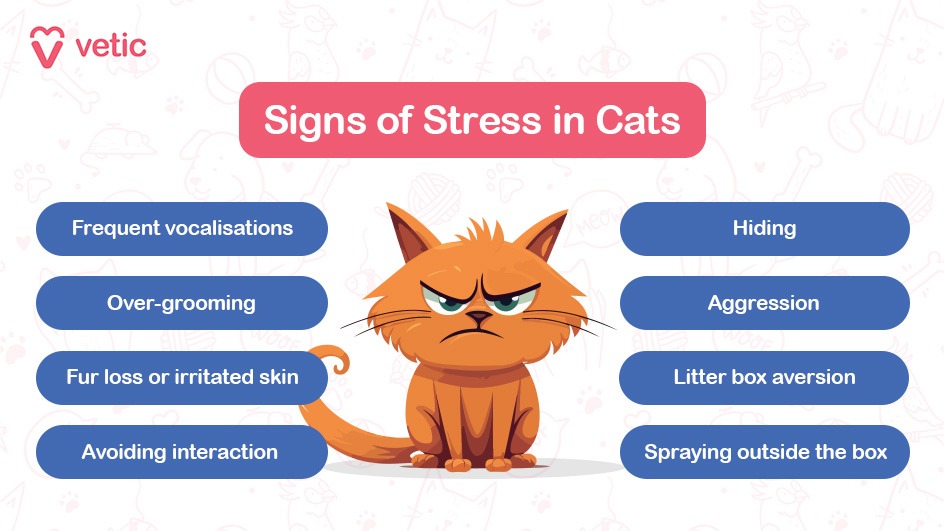
Cats showing signs of anxiety might hide, avoid interaction, or exhibit aggressive behavior. Calming treats, pheromone diffusers, and soothing music can help ease their stress. Consult a vet for tailored solutions.
Understanding the signs of anxiety in cats is crucial for providing them with the care they need. Cats can’t tell you when they’re feeling stressed, but their behavior often speaks volumes. Recognizing these signs early can help you take steps to alleviate their discomfort and improve their quality of life.Changes In Appetite
One of the first indicators of anxiety in cats is a change in their eating habits. A stressed cat may eat significantly less or more than usual. Have you noticed your cat skipping meals or suddenly gobbling up food? It might be their way of coping with anxiety.Increased Vocalization
Has your cat been more vocal lately, meowing persistently without any apparent reason? Increased vocalization can be a sign of distress. It’s their way of reaching out, saying something’s not quite right. Pay attention to these vocal cues—they’re often a cry for help.Excessive Grooming
Cats are known for their grooming rituals, but too much of it might hint at stress. If your cat is grooming to the point of bald patches or skin irritation, it could be a symptom of anxiety. This obsessive behavior is often a self-soothing mechanism.Avoidance And Hiding
Does your cat suddenly prefer the shadows, avoiding interaction and hiding away? Cats often retreat to safe spots when they feel anxious. This withdrawal can be their way of escaping a situation they find overwhelming.Aggression And Irritability
Anxiety can also manifest as aggression in cats. If your usually calm feline friend starts hissing, swatting, or biting, stress might be the underlying cause. Understanding this behavior as a sign of anxiety can help you address it more effectively.Changes In Litter Box Habits
One of the most frustrating signs of anxiety can be inappropriate elimination. If your cat suddenly starts avoiding the litter box, it’s important to consider stress as a potential cause. This behavior change is often a message that something in their environment is unsettling them.Restlessness And Hyperactivity
An anxious cat may show signs of restlessness or become hyperactive. Is your cat pacing, unable to settle down, or showing bursts of energy without a clear trigger? These behaviors can indicate that your feline is feeling uneasy.Shaking Or Trembling
Physical symptoms like shaking or trembling are less common but can occur. If you notice your cat shaking without any apparent reason, it might be due to anxiety. This physical response is a clear signal that your cat needs some comfort. Understanding these signs is the first step in helping your cat manage their anxiety. How can you provide comfort and support for a stressed feline? Recognizing these behaviors allows you to take action and create a more calming environment for your furry friend.Natural Remedies
Cat anxiety can be eased with natural remedies like chamomile or valerian root. These herbs calm nervous cats gently. Consider pheromone sprays or diffusers for a soothing environment.
Cats, like humans, can experience anxiety. Thankfully, natural remedies offer a gentle approach to help calm your feline friend. These remedies can be a safe and effective way to ease your cat’s stress without resorting to medication. Let’s dive into some of these natural options you can consider.Herbal Supplements
Herbal supplements are a popular choice for managing feline anxiety. Catnip is well-known, but did you know that chamomile and valerian root can also have calming effects? Chamomile is often used because of its soothing properties. You might add a small amount to your cat’s food or water after consulting your vet. Valerian root is another herbal option. It has a mild sedative effect, perfect for those times when your cat seems particularly stressed. Remember, always introduce any new supplement gradually and monitor your cat’s reaction.Essential Oils
Essential oils can be another tool in your anxiety-relief kit. However, it’s crucial to use them correctly since cats are sensitive to strong smells. Lavender oil is a favorite for its calming scent. You can place a few drops on a cotton ball and leave it near your cat’s resting area. Make sure the oil is out of reach to prevent any ingestion. Another option is chamomile oil. Its gentle aroma can help soothe nerves. Create a diluted spray with water and a tiny amount of oil for a calming room mist. Always ensure the room is well-ventilated when using essential oils. Have you ever tried these remedies with your cat? It’s amazing how something as simple as a calming scent can transform a tense environment into a peaceful haven. If you’ve found success with any natural remedies, share your experience with fellow cat owners. Your insight could be just what another pet parent needs.Dietary Adjustments
Cats can feel anxious, and certain foods might help. Consider offering turkey or chicken, which contain tryptophan. This amino acid promotes relaxation. Omega-3 fatty acids in fish oils also support calmness. Always consult your vet before making dietary changes for your cat.
Cats, just like humans, can experience anxiety, and making dietary adjustments can be a natural way to help ease their stress. By carefully selecting what your feline friend eats, you can make a significant impact on their overall well-being. Let’s dive into how nutrition and specialty foods can play a role in calming your anxious cat.Nutrition For Calmness
The right nutrients can help soothe your cat’s nerves. Foods rich in omega-3 fatty acids, like fish oil, support brain health and can reduce anxiety. Consider adding a small amount of fish oil to your cat’s meals and observe any changes in their behavior. Tryptophan, an amino acid found in turkey, can promote relaxation. You might notice your cat becoming more mellow when tryptophan is part of their diet. Is your cat a picky eater? Mixing a little turkey into their usual food might do the trick. Magnesium is another essential nutrient for promoting calmness. It’s found in foods like leafy greens and pumpkin. You can try offering your cat a small serving of cooked pumpkin to see if it helps in reducing their anxiety.Specialty Foods
Specialty cat foods formulated for stress relief are available in the market. These often contain a blend of calming herbs and nutrients specifically designed to ease anxiety. Are these worth trying? Many pet owners have seen positive results. Look for foods labeled as “calming” or “stress-relief,” which often contain ingredients like L-theanine and casein. These compounds are known to have calming effects on cats. Remember to consult your vet to ensure these foods are suitable for your cat’s specific needs. Have you considered homemade meals? Preparing a balanced diet with fresh ingredients allows you to control what your cat consumes. This can be a great way to ensure they’re getting the necessary nutrients to manage anxiety. Dietary changes can be a simple yet effective way to help your cat feel more at ease. Have you tried adjusting your pet’s diet to address anxiety? Your experience could lead to a happier, more relaxed cat.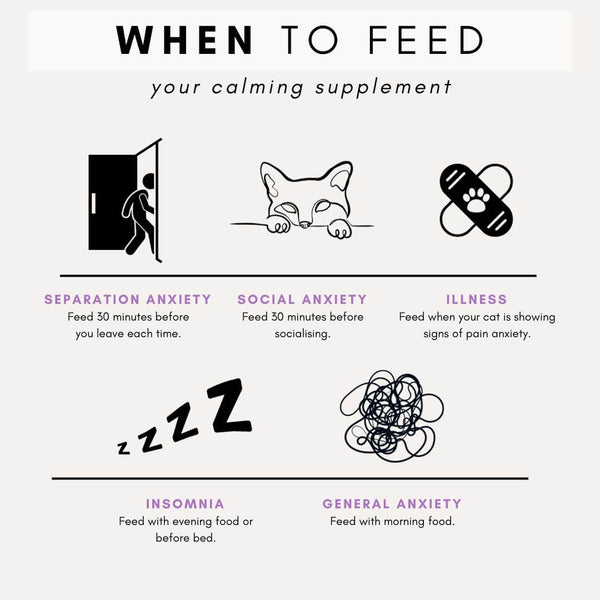
Credit: petzpark.com.au
Environmental Changes
Environmental changes can significantly impact a cat’s anxiety levels. Creating a soothing atmosphere helps in calming anxious cats. Small adjustments can make a big difference in their comfort and well-being.
Safe Spaces
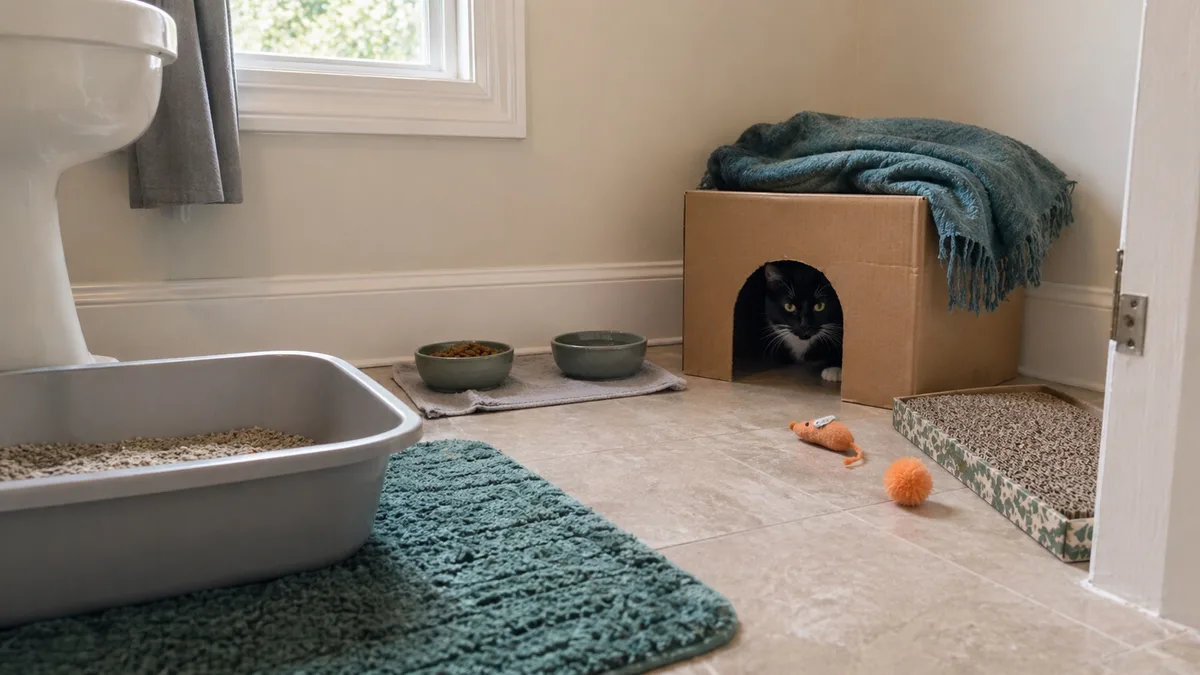
Providing safe spaces is crucial for anxious cats. Cats need quiet corners to retreat when they feel stressed. Create hiding spots using blankets or boxes in different rooms. These spaces should be easily accessible. Ensure these areas are away from loud noises and disturbances. Safe spaces provide a sense of security and calm.
Interactive Toys
Interactive toys can reduce anxiety by engaging your cat’s mind. Toys like puzzle feeders stimulate their natural hunting instincts. Playtime distracts them from stressors and promotes relaxation. Laser pointers can keep them active and entertained. Choose toys that mimic prey movements for added excitement. Rotate toys regularly to maintain interest.
Behavioral Strategies
Cats facing anxiety can benefit from calming treats or sprays designed for pets. These products often contain natural ingredients like chamomile or valerian root, helping soothe nervous behaviors. Additionally, providing interactive toys can distract and comfort stressed cats.
Anxiety in cats can be a challenging issue, but behavioral strategies can offer meaningful relief. These strategies can help your cat feel more secure and comfortable in their environment, reducing stress and anxiety. By understanding and implementing routine establishment and desensitization techniques, you can significantly improve your cat’s emotional well-being.Routine Establishment
Establishing a consistent routine can be incredibly calming for cats. Cats thrive on predictability, and knowing what to expect each day can help reduce anxiety. Think about your daily schedule. Are meal times consistent? Do you play with your cat at the same time each day? Try to set specific times for feeding, play, and rest. This consistency helps your cat feel safe and secure. A friend once told me how setting a strict feeding schedule transformed her anxious cat into a relaxed companion. Could a structured routine be the key to your cat’s peace?Desensitization Techniques
Desensitization involves gradually introducing your cat to the sources of their anxiety in a controlled manner. This technique helps them build tolerance over time without feeling overwhelmed. Consider what triggers your cat’s anxiety. Is it loud noises or a particular room in the house? Start by exposing your cat to these triggers at a low intensity, rewarding them with treats and praise. Increase exposure gradually. A colleague mentioned how playing soft music helped her cat get used to household noises. Have you tried similar techniques to soothe your cat’s fears? These strategies are not one-size-fits-all, but with patience and observation, you can tailor them to your cat’s needs. Your proactive approach can make a world of difference in your pet’s life.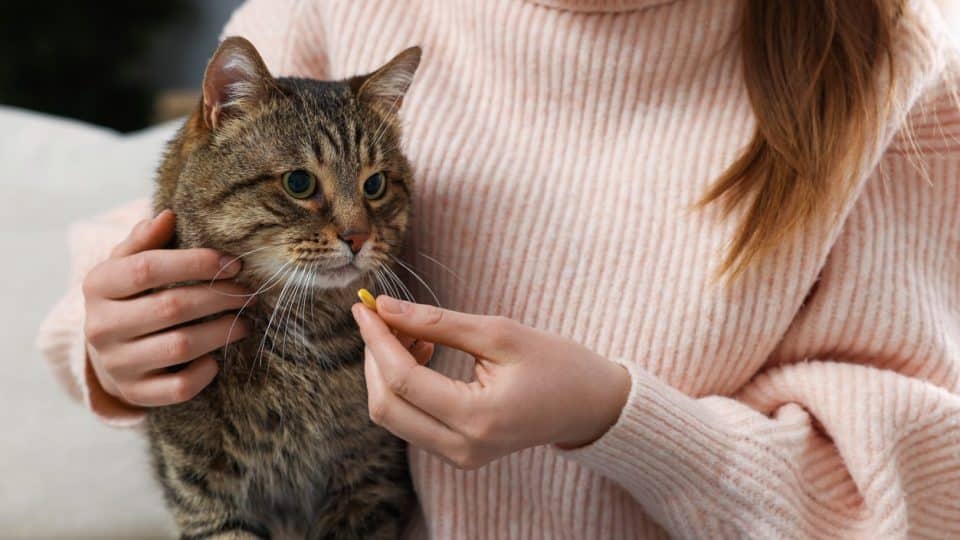
Credit: www.rover.com
Veterinary Interventions
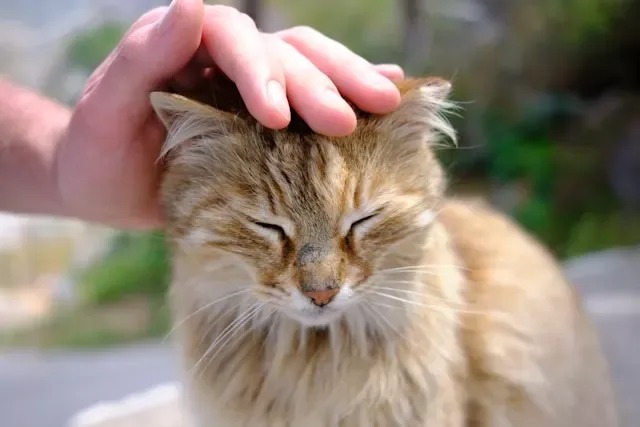
Calm anxious cats with gentle solutions like pheromone diffusers, calming sprays, or vet-approved supplements. These interventions help create a peaceful environment, easing stress and promoting relaxation. Always consult a vet to ensure safety and effectiveness.
Cats, like humans, can experience anxiety. It might affect their well-being. Veterinary interventions provide relief for anxious cats. These interventions offer professional guidance. They ensure your cat’s safety and health. Understanding the options available is crucial. This section covers various veterinary solutions. It focuses on medication and therapeutic treatments.Medication Options
Veterinarians may prescribe medications for anxious cats. These medications help calm nerves. They balance brain chemicals. Common options include antidepressants and anti-anxiety drugs. Each cat reacts differently. A vet’s guidance is essential. They determine the right dosage. Medication is not always the first choice. It works best alongside other treatments. Follow the vet’s instructions carefully. Observe your cat’s behavior. Report any side effects promptly. Adjustments might be necessary. Medication can significantly improve your cat’s life.Therapeutic Treatments
Therapeutic treatments support anxious cats. They include behavioral therapy and environmental changes. Behavioral therapy involves training sessions. It helps cats cope with stress. Positive reinforcement is key. Cats learn to associate calmness with rewards. Environmental changes also play a role. Create a safe, quiet space. Use pheromone diffusers. They mimic natural calming scents. Some cats benefit from massage therapy. It relaxes their muscles. Consult your vet for tailored advice. Every cat’s needs differ. Therapies should be customized. Regular vet check-ups ensure progress. They track your cat’s improvement over time.Monitoring And Adjusting
Cats can feel anxious due to various reasons. Natural remedies, like calming treats or pheromone diffusers, help ease their stress. Monitoring and adjusting these solutions ensures your cat remains comfortable and calm. Always consult a vet for the best advice tailored to your cat’s needs.
Cats, like humans, can experience anxiety that disrupts their daily lives. Addressing this anxiety involves more than a one-time solution. It requires ongoing monitoring and adjusting to ensure your feline friend feels safe and calm. This process involves paying close attention to your cat’s behavior and making necessary changes to their environment or routine. By staying observant, you can better understand what works for your cat and what doesn’t.Understanding Your Cat’s Signals
Cats communicate through their behavior. Is your cat hiding more than usual, or has their eating pattern changed? These could be signs of anxiety. It’s important to note these behaviors and consider what might be causing them. Maybe there was a recent change in your home, like new furniture or a different feeding schedule. Each cat is unique, so their signals might differ. Look for patterns that suggest stress or discomfort.Keeping A Behavior Journal
A behavior journal can be a valuable tool. In it, record your cat’s daily activities and any unusual behaviors. This can help you identify triggers and patterns over time. Did you notice your cat becoming more anxious when guests arrive? Jot it down. Keeping track of these details enables you to make informed decisions about how to help your cat.Adjusting The Environment
Sometimes, small changes in the environment can make a big difference. Try adding a cozy bed in a quiet corner or setting up a cat tree by the window. These can offer your cat a sense of security and a place to retreat when feeling anxious. If your cat seems bothered by loud noises, consider playing soft music or using a white noise machine. Such adjustments can provide comfort and reduce anxiety.Experimenting With Calming Products
Several products on the market claim to help calm anxious cats. This includes pheromone diffusers, calming collars, and herbal remedies. It’s worth trying different options to see what works best for your cat. When my cat Max was stressed during thunderstorms, a pheromone diffuser seemed to help. It’s about finding the right combination that suits your cat’s needs.Seeking Professional Guidance
If your efforts don’t seem to alleviate your cat’s anxiety, it might be time to consult a vet or a pet behaviorist. They can provide professional insights and suggest tailored solutions. Sometimes, medication or specialized training might be necessary. A professional can help you explore these options safely and effectively.Regular Check-ins
Make it a habit to regularly assess your cat’s anxiety levels. Check if the adjustments you’ve made continue to work. If your cat seems calmer and more relaxed, you’re on the right track. But if anxiety persists, it might be time to revisit and tweak your approach. Regular check-ins ensure you’re providing the best care for your furry companion. Are you ready to help your cat live a stress-free life? Monitoring and adjusting can be a rewarding journey for both you and your feline friend. Your attentiveness and willingness to adapt can make all the difference in their well-being.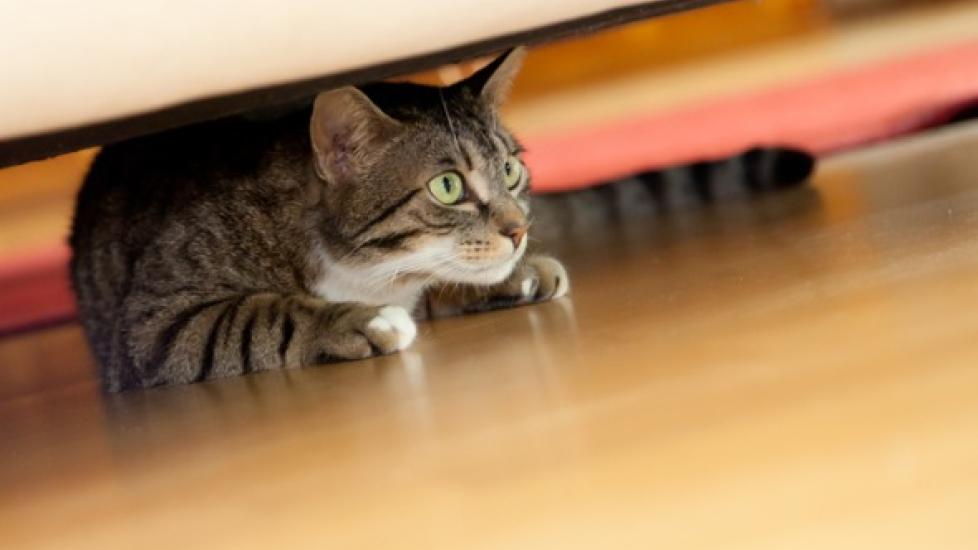
Credit: www.petmd.com
Frequently Asked Questions
What Is The Most Effective Calming Aid For Cats?
Feliway diffusers are effective calming aids for cats, emitting synthetic pheromones that reduce stress and anxiety. These diffusers mimic natural feline pheromones, promoting a sense of security. Alternatively, calming treats with L-theanine or casein can help soothe your cat. Always consult a veterinarian for personalized recommendations.
What Are Signs Of Anxiety In Cats?
Cats show anxiety through excessive grooming, hiding, or vocalizing. They might avoid litter boxes or show aggression. Changes in appetite or sleep patterns can indicate stress. Frequent pacing or destructive behavior also signal anxiety. Observing these signs helps in addressing feline anxiety effectively.
What Natural Remedies Help Cat Anxiety?
Natural remedies like pheromone diffusers, calming collars, and herbal supplements can reduce cat anxiety. These products mimic calming scents or contain relaxing herbs. Always consult your vet before introducing new remedies to ensure they are safe and effective for your cat’s specific needs.
Can Cbd Oil Calm Anxious Cats?
CBD oil may help calm anxious cats by interacting with their endocannabinoid system. It can promote relaxation and reduce stress levels. Consult your veterinarian before administering CBD oil to ensure proper dosage and safety for your cat’s health.
Conclusion
Helping your cat with anxiety is essential for their well-being. Provide a calm, safe environment. Consider natural remedies like catnip or CBD oil. Consult your vet for personalized advice. Monitor your cat’s behavior closely. Every cat is unique and may require different solutions.
Patience and love play a big role in their comfort. Try different methods to find what works best. A happier cat means a happier home. Remember, small changes can make a big difference. Keep your feline friend relaxed and stress-free.

Similar Posts