What Essential Oils are Harmful to Cats: Avoid These!

You love your cat and want the best for your furry friend. But did you know that some essential oils can be harmful to your beloved pet?
Essential oils are popular for their soothing and healing properties, but they can pose serious risks to cats. Your cat’s health and safety are your top priority, and understanding the dangers of certain oils is crucial. Imagine the peace of mind you’ll feel knowing how to protect your cat from these hidden hazards.
This article will reveal which essential oils are dangerous, empowering you with the knowledge to keep your cat safe. Dive in and discover how to create a healthier environment for your feline companion.
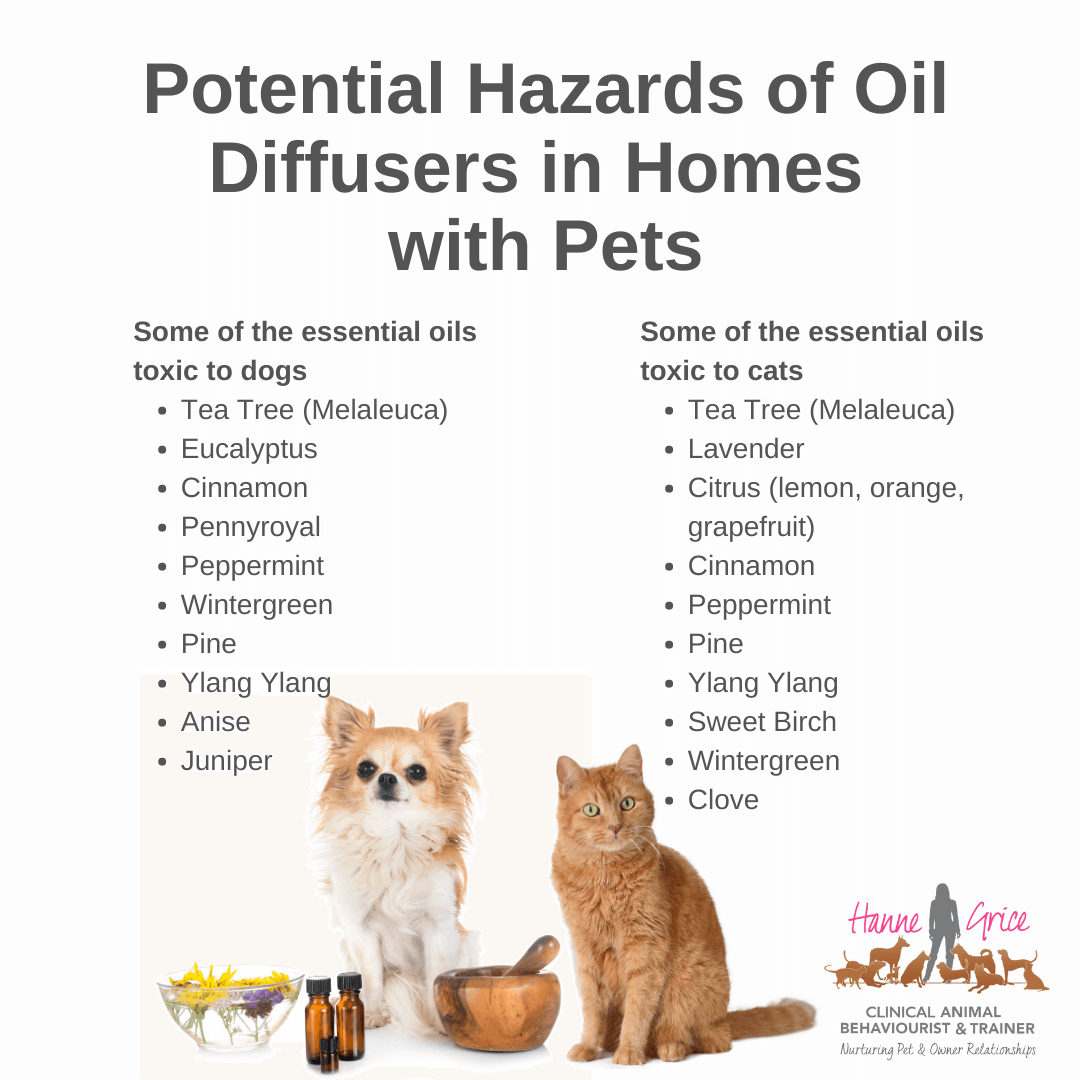
Credit: www.hannegrice.com
Commonly Used Essential Oils
Essential oils are popular for their calming scents and healing properties. Many people use them in their homes. But not all are safe for cats. Some essential oils can be harmful to our feline friends. Let’s explore a few commonly used ones that pose a risk.
Lavender Oil
Lavender oil is known for its soothing scent. People often use it to relax. But it can be toxic to cats. Cats may experience nausea, vomiting, or loss of appetite. Even small amounts can cause harm. Always keep lavender oil away from your cat.
Peppermint Oil
Peppermint oil has a fresh, minty smell. It is used in many products. Yet, it is not safe for cats. Cats exposed to peppermint oil may face breathing issues. Skin irritation is also a common problem. Be cautious and avoid using it around your cat.
Tea Tree Oil
Tea tree oil has antibacterial properties. It’s a popular choice for skin care. But it is very dangerous for cats. Even a small dose can be toxic. Symptoms include weakness, tremors, and lack of coordination. Always keep tea tree oil out of your cat’s reach.

Credit: www.consolata.org
Why Essential Oils Are Dangerous For Cats
Essential oils can pose a threat to cats. These oils contain substances that can harm your feline friends. Cats have a unique physiology. They process chemicals differently than other animals. This makes them vulnerable to certain toxic elements found in essential oils.
Sensitivity Of Cat’s Liver
Cats have a sensitive liver. Their liver lacks certain enzymes. These enzymes help break down chemicals. Without them, toxins accumulate in their bodies. Essential oils contain compounds that are tough on their liver. This can lead to liver damage over time.
Toxic Compounds In Essential Oils
Many essential oils have toxic compounds. Phenols and terpenes are common culprits. These compounds can cause health issues in cats. Even small amounts can be harmful. Cats might inhale the oils or absorb them through the skin. Symptoms of poisoning include drooling, vomiting, and difficulty breathing.
Oils like tea tree and lavender are especially dangerous. Avoid using these oils near cats. Always check labels for harmful ingredients. Protect your cat from exposure. Keep essential oils out of reach.
Symptoms Of Essential Oil Poisoning
Essential oils can be dangerous for cats. Understanding the symptoms of poisoning is crucial. Cats metabolize substances differently than humans. This makes them vulnerable to certain oils.
Physical Symptoms
Cats may show physical symptoms like drooling. Vomiting is also common after exposure. Some cats might develop skin irritation or redness. Difficulty breathing can occur in severe cases. Rapid heart rate is another alarming sign. These symptoms need immediate attention.
Behavioral Changes
Watch for unusual behavior in cats. Lethargy or weakness are warning signs. Cats may become agitated or restless. Loss of appetite is another indicator. They might hide or avoid interaction. Behavioral changes could signal distress.
Credit: www.amazon.com
Safe Alternatives For Cats
Essential oils can be harmful to cats. Certain oils pose risks to feline health. Safe alternatives are crucial for pet owners. Choosing the right aromatherapy ensures your cat’s well-being. Explore non-toxic options that are gentle and effective. Embrace natural remedies that promote relaxation and health.
Non-toxic Aromatherapy
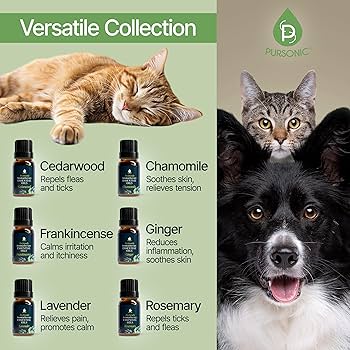
Lavender oil is a safe choice for cats. It calms and soothes your pet. Chamomile oil is gentle and non-toxic. It promotes relaxation and comfort. Frankincense oil is another safe option. It supports healthy breathing in cats. Always dilute oils with water or carrier oils. This prevents any adverse reactions.
Natural Remedies
Herbal teas can be a safe alternative. Chamomile tea helps calm anxious cats. Calendula tea soothes skin irritations. Oatmeal baths provide relief for itchy skin. They are gentle and effective. Rosemary leaves can freshen your home naturally. Use them safely around cats. Always consult a vet before trying new remedies.
Precautions For Pet Owners
Certain essential oils pose dangers to cats, affecting their health. Lavender, tea tree, and eucalyptus oils are particularly harmful. Keeping these oils out of reach is vital to ensure your cat’s safety.
Cats are curious creatures, often exploring every nook and cranny of your home. This curiosity can sometimes lead them to places where essential oils are stored or used. While essential oils can offer numerous benefits to humans, some can be harmful, even toxic, to your feline friends. As a pet owner, you must take precautions to protect your cat from accidental exposure. This section provides practical insights on how to store and use essential oils safely in a home with cats.Proper Storage
You might think that your essential oils are safe on a shelf, but cats can be surprisingly agile. Store your oils in a secure, cat-proof location. Consider cabinets with child-proof locks or high shelves where your cat cannot reach. Use airtight containers to prevent spills or leaks. This not only keeps your oils safe but also ensures that their potent aroma doesn’t attract your curious kitty. Remember, it’s not just about keeping the oils out of reach; it’s about ensuring they aren’t tempted to investigate.Safe Usage Guidelines
Are you diffusing oils in your home? Make sure your cat can easily leave the room. Cats should have access to fresh air if they find the aroma overwhelming or irritating. Keep diffusers away from their favorite resting spots to minimize exposure. Dilution is crucial. If you’re using oils for cleaning or other purposes, ensure they are heavily diluted. This reduces the risk if your cat comes into contact with surfaces treated with essential oils. How do you ensure your home is a safe haven? Always read labels and research the oils you use around your pet. These simple precautions can make a big difference in safeguarding your cat’s health. You wouldn’t want to compromise their well-being for the sake of aroma therapy. Can you imagine the peace of mind knowing your home is both aromatic and safe for your furry friend?Emergency Steps If Exposure Occurs
Certain essential oils can harm cats, like tea tree, eucalyptus, and citrus oils. Rapid action is crucial if exposure occurs; start by ventilating the area and removing the oil source. Consult a vet immediately for advice, ensuring your cat’s swift recovery.
If your cat has been exposed to essential oils, it’s crucial to act swiftly. Essential oils like tea tree, eucalyptus, and citrus can be toxic to cats. They can cause symptoms such as drooling, vomiting, and even respiratory distress. Panic might be your initial reaction, but having a clear plan can make a significant difference. Here are immediate steps you should take to ensure your cat’s safety.Immediate Actions
First, remove your cat from the source of exposure. Whether it’s a spilled bottle or a diffuser, distance your cat immediately. Next, check for any signs of oil on their fur or paws. Use a damp cloth to gently wipe away any residue. Be careful not to spread the oil to other parts of their body. Then, ventilate the room. Open windows and doors to disperse any lingering vapors. This step is crucial to prevent further inhalation of harmful substances. Finally, observe your cat closely. Look for symptoms like drooling, lethargy, or any abnormal behavior. Your observations can be vital information for the vet.Consulting A Veterinarian
Reach out to your veterinarian without delay. Provide them with details about the type of oil and the amount of exposure. If it’s after hours, contact an emergency animal clinic. Most offer 24-hour services and can guide you through immediate steps. Keep a bottle or a photo of the essential oil label handy. This information can help the vet identify the specific toxins involved. What if you’re unsure about the severity of the exposure? It’s always better to err on the side of caution and consult a professional. Your cat’s health is too important to leave to chance. By following these steps, you can minimize the risk and potential harm to your feline friend. Have you ever had an emergency with your pet? What did you do? Share your story in the comments below. Your experiences can help other cat owners prepare for unforeseen situations.Frequently Asked Questions
What Essential Oil Scents Are Toxic To Cats?
Certain essential oils like tea tree, eucalyptus, lavender, and citrus are toxic to cats. They may cause respiratory issues, skin irritation, or liver damage. Avoid using these oils around your feline friends to ensure their safety and health. Always consult a veterinarian before using essential oils near cats.
Can You Diffuse Essential Oils Around A Cat?
Diffusing essential oils around cats can be harmful. Cats lack enzymes to metabolize certain oils. Avoid oils like tea tree, citrus, and eucalyptus. Use cat-safe oils cautiously and ensure good ventilation. Always consult a vet before using essential oils near pets for safety.
What Essential Oils Are Bad For Animals To Breathe In?
Certain essential oils can be harmful to animals. Avoid using tea tree, eucalyptus, and citrus oils. These can cause respiratory issues and other health problems. Always consult a veterinarian before using essential oils around pets to ensure their safety.
What Happens If My Cat Smells Peppermint Oil?
Cats may experience discomfort if they smell peppermint oil. They might show signs like drooling or vomiting. Peppermint oil contains compounds toxic to cats, potentially leading to liver damage. Ensure your cat avoids contact with peppermint oil. Always consult a vet if you suspect exposure.
Conclusion
Protecting cats from harmful essential oils is crucial. Their health depends on it. Avoid oils like tea tree, eucalyptus, and citrus. Even small amounts can be dangerous. Always check labels before using any oil. Consult a vet if unsure. Safe alternatives exist, like cat-friendly herbs.
These ensure your pet’s well-being. Educate yourself and others about oil safety. Awareness is the key. Keep your home a safe space for furry friends. Cats deserve a loving, toxin-free environment. Prioritize their safety at all times. Your careful choices make a big difference.
Stay informed, stay cautious, and cherish your pets.

Similar Posts