Which Essential Oils are Not Safe for Cats: Crucial Warnings
As a cat owner, you always strive to create a safe and loving environment for your furry friend. But did you know that some essential oils, despite their popularity, can be dangerous for cats?
You might use these oils for their soothing aromas or health benefits, but they can pose serious risks to your feline companion. Protecting your cat means understanding which oils are harmful and why. Imagine the peace of mind you’ll feel knowing you’re safeguarding your pet from potential harm.
You’ll discover which essential oils are not safe for cats and learn how to keep your home both fragrant and feline-friendly. Your cat’s health and happiness are in your hands—let’s make sure you’re making the right choices.
Commonly Unsafe Oils
Many cat owners enjoy using essential oils for their benefits. Yet, not all oils are safe for our feline friends. Understanding the risks helps protect your cat’s health. Some essential oils contain compounds harmful to cats. Awareness of these can prevent accidental exposure.
Tea Tree Oil
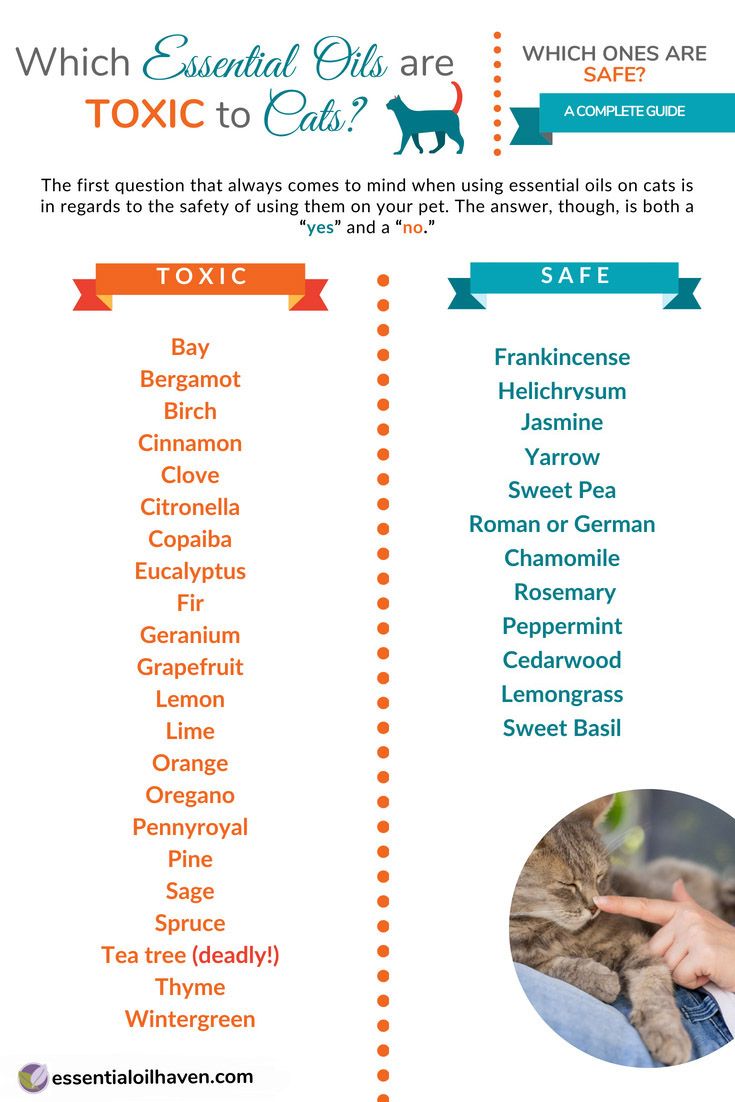
Tea tree oil is popular for its antibacterial properties. But it’s toxic to cats. Even a small amount can cause serious harm. Symptoms include weakness, tremors, and low body temperature. Always store this oil out of your cat’s reach.
Eucalyptus Oil
Eucalyptus oil has a strong aroma. But it poses a risk to cats. Inhalation or skin contact can cause issues. Symptoms might include drooling, vomiting, or seizures. Avoid using eucalyptus oil in areas your cat frequents.
Peppermint Oil
Peppermint oil is refreshing for humans. For cats, it’s dangerous. Cats exposed to peppermint oil may experience breathing difficulties. Other symptoms include vomiting and diarrhea. Ensure your cat doesn’t have access to this oil.
Citrus Oils
Citrus oils smell fresh and clean. Yet, they are unsafe for cats. Limonene and linalool in these oils are toxic to felines. Exposure can lead to lethargy, drooling, and skin irritation. Keep citrus oils away from your pet’s environment.
Effects On Cats
Some essential oils can harm cats. Oils like tea tree, eucalyptus, and citrus are especially dangerous. Cats might suffer from breathing problems, liver damage, or even poisoning if exposed. Always keep these oils away from your feline friends to ensure their safety and well-being.
Cats are known for their curiosity, often sniffing around every corner of your home. However, this natural inquisitiveness can lead them into trouble, especially when it comes to essential oils. Many essential oils are harmful to cats and can cause a range of adverse effects. Understanding these effects is crucial to keeping your feline friend safe.Toxic Reactions
Essential oils like tea tree, eucalyptus, and peppermint can be extremely toxic to cats. Even a small amount can lead to vomiting, drooling, or seizures. You might think a little diffusing won’t hurt, but cats are sensitive to compounds that might seem harmless to us. Have you ever noticed your cat acting strangely after you used an oil diffuser? This could be a sign of a toxic reaction.Respiratory Issues
Cats have a highly sensitive respiratory system. Essential oils can irritate their airways, leading to breathing difficulties. Imagine struggling to catch your breath; that’s what your cat might experience. Oils with strong scents, like citrus and lavender, can cause coughing or wheezing. If your cat starts sneezing or coughing after you use essential oils, it’s time to reconsider their use in your home.Skin Irritations
Direct contact with certain essential oils can cause skin irritations in cats. Their skin absorbs oils quickly, leading to burns or rashes. You might find your cat scratching more than usual or developing red patches on their skin. Always ensure that your cat’s environment is free from spills or residues of essential oils. Have you ever accidentally spilled oil on your cat? Immediate washing can prevent severe irritation. Taking proactive steps to avoid these issues is vital. Always choose pet-safe products and keep essential oils stored securely away from your feline friend. Your awareness and prompt action can make all the difference in your cat’s wellbeing.Signs Of Toxicity
Essential oils bring benefits to humans, yet some can harm our feline friends. Cats have sensitive systems. Certain oils can be toxic. Recognizing the signs of toxicity is vital. Acting quickly can save a cat’s life. Watch for behavioral and physical changes.
Vomiting And Diarrhea
Vomiting is a common sign of toxicity in cats. It may occur soon after exposure. Diarrhea can accompany vomiting. Both symptoms cause dehydration. This can worsen the cat’s condition. Monitor your cat closely for these symptoms. Early intervention can prevent severe outcomes.
Lethargy And Weakness
A toxic reaction can cause lethargy in cats. They may sleep more than usual. Weakness can also be a clear sign. The cat might struggle to walk or stand. These symptoms indicate a need for urgent care. Seek veterinary help if you notice these changes.
Difficulty Breathing
Difficulty breathing is a serious sign of toxicity. Essential oil exposure can affect a cat’s respiratory system. You might notice rapid or labored breathing. This can be life-threatening. Immediate veterinary attention is crucial. Act quickly to ensure your cat’s safety.
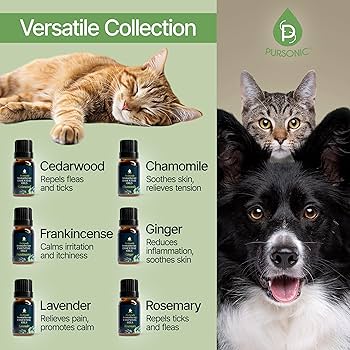
Credit: www.amazon.com
Safe Alternatives
When it comes to caring for your feline friends, knowing which essential oils are safe is vital. Cats have a unique metabolism that makes certain oils toxic to them. Fortunately, there are safe alternatives that you can use to enjoy the benefits of aromatherapy without risking your cat’s health. In this section, we’ll explore some cat-friendly essential oils that can bring peace to your home.
Lavender Oil
Lavender oil is a soothing choice that is generally safe for cats. It can help calm your feline during stressful situations like vet visits or thunderstorms. Simply diffuse a small amount in a room where your cat can freely leave if they choose. Remember, moderation is key. Have you ever noticed your cat’s relaxed demeanor when you use lavender?
Rosemary Oil
Rosemary oil can be a refreshing alternative that’s safe for your cat when used properly. This oil has invigorating properties that can help improve your cat’s mood. You can add a drop to your diffuser or mix with water for a gentle spray. It’s important to ensure your cat can retreat if they find the scent overwhelming. Have you tried rosemary oil for a quick energy boost in your home?
Chamomile Oil
Chamomile oil is another gentle option for cats. Known for its calming effects, chamomile can aid in reducing anxiety and promoting relaxation. Diffuse a minimal amount in a well-ventilated space, allowing your cat to experience its soothing benefits naturally. Have you ever wanted your cat to feel as relaxed as you do after a long day?
In choosing essential oils, it’s crucial to prioritize your cat’s safety. Always observe their behavior when introducing new scents. What safe alternatives are you excited to try with your furry companion?
Preventive Measures
Cats can be sensitive to certain essential oils, risking health problems. Oils like tea tree, eucalyptus, and citrus are unsafe for them. Always keep these oils out of reach to ensure your cat’s safety.
Preventive measures are crucial for ensuring the safety of your furry friends. Cats are sensitive creatures. Certain essential oils can be harmful to them. By taking proper precautions, you can protect your pet. Here are key preventive measures you should consider.Proper Storage
Store essential oils in a secure place. Keep them out of reach from curious paws. Use child-proof containers for added safety. Ensure bottles are tightly sealed. Cats can knock them over easily. A high shelf or locked cabinet works best.Limited Usage
Use essential oils sparingly around cats. Avoid diffusing oils in small spaces. Cats have a strong sense of smell. It can overwhelm them. Opt for a well-ventilated area if necessary. Try using oils only when cats are not present.Consulting A Veterinarian
Seek advice from a veterinarian before using oils. They can provide expert guidance. Some oils can be toxic to cats. A vet can recommend safe alternatives. They know what works best for feline health. Always prioritize the well-being of your pet.
Credit: www.pinterest.com
Immediate Actions
Certain essential oils pose serious risks to cats. Oils like eucalyptus, tea tree, and peppermint can be toxic. Immediate actions should be taken to keep these oils out of reach to ensure your feline friend’s safety.
Immediate actions are crucial when your cat is exposed to harmful essential oils. Cats are sensitive to many oils, including tea tree, eucalyptus, and citrus. Quick response can prevent severe health issues. Knowing what to do can save your pet’s life.Contacting A Vet
Reach out to a veterinarian immediately. Explain the situation clearly. Mention the type of oil and the exposure time. Follow their guidance without delay. A vet’s advice is invaluable in emergencies.Emergency Care
Transport your cat to the vet if needed. Keep them calm and comfortable during the trip. This reduces stress and potential complications. Emergency care can provide necessary treatments quickly.First Aid Tips
Try to remove the oil from the cat’s fur. Use a damp cloth for cleaning. Avoid using water, which can spread the oil. Ensure the cat is in a well-ventilated area. Fresh air helps reduce inhalation of harmful vapors.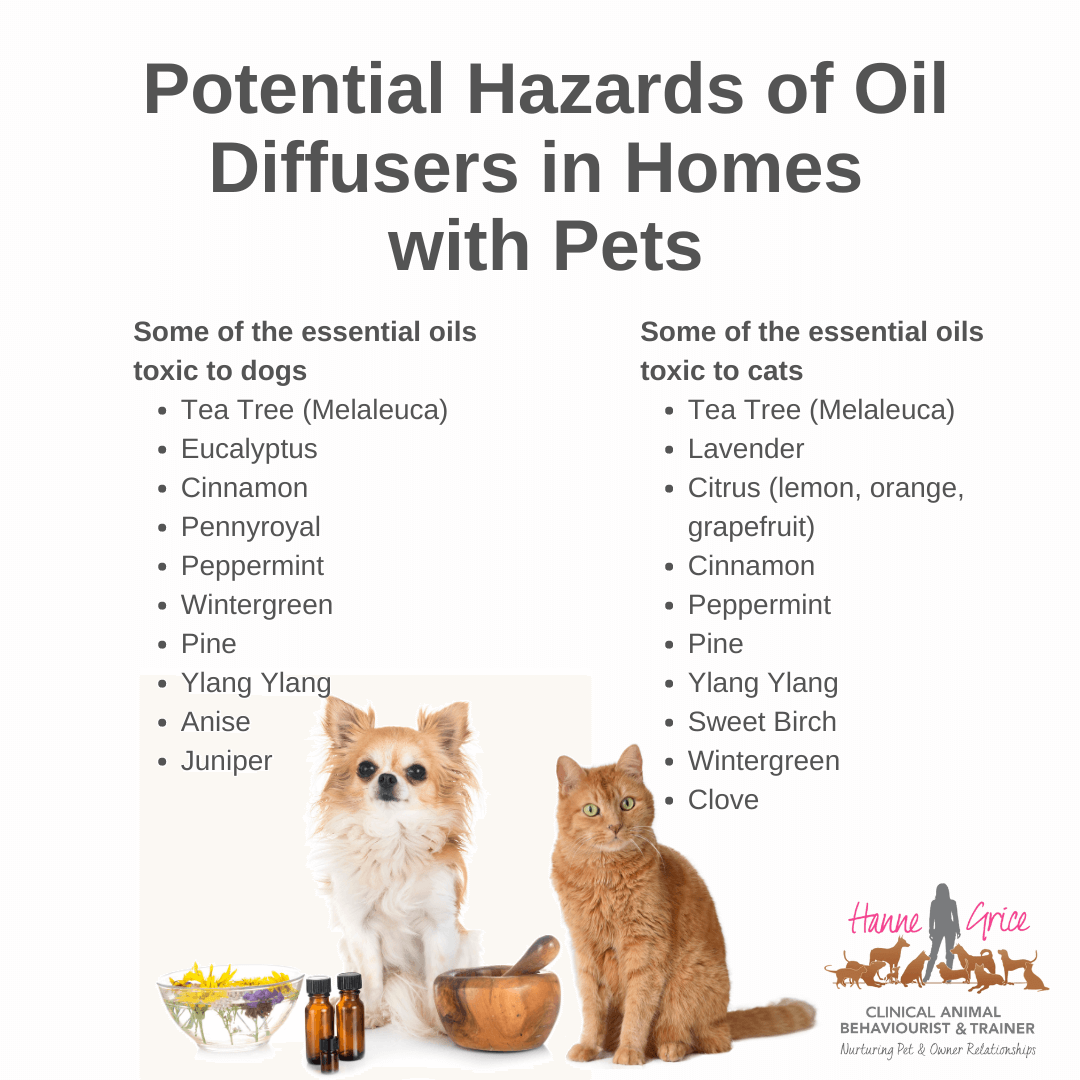
Credit: www.hannegrice.com
Frequently Asked Questions
Are There Any Essential Oils Toxic To Cats?
Yes, some essential oils are toxic to cats. Avoid using tea tree, eucalyptus, peppermint, and citrus oils around them. Cats lack enzymes to process certain compounds, leading to potential harm. Always consult a vet before using essential oils near cats to ensure their safety.
Which Oils Are Not Good For Cats?
Essential oils like tea tree, eucalyptus, and citrus are harmful to cats. Avoid peppermint, cinnamon, and lavender oils too. These oils can cause skin irritation, respiratory issues, or toxicity. Always consult a vet before using any oils around your cat to ensure safety.
What Essential Oils Are Bad For Animals To Breathe In?
Certain essential oils are harmful for animals to breathe. Avoid using tea tree, eucalyptus, citrus, pine, peppermint, cinnamon, and ylang-ylang around pets. These can cause respiratory issues or other health problems. Always ensure good ventilation and consult a vet before using essential oils near animals.
Are Plug In Diffusers Bad For Cats?
Plug-in diffusers can be harmful to cats if they contain toxic essential oils. Always check ingredients and consult a vet. Ensure proper ventilation to reduce risks. Not all diffusers are dangerous, but caution is essential for your cat’s safety.
Conclusion
Keeping your cat safe is a priority. Avoid harmful essential oils. Cats can be sensitive to many oils. Tea tree, eucalyptus, and citrus oils pose risks. Always research before using any oils. Consult your vet for safe options. A small mistake can harm your furry friend.
Use diffusers with caution around cats. Opt for cat-safe alternatives whenever possible. Ensure a healthy environment for your pet. Your cat’s health and happiness depend on it. Stay informed and make wise choices.