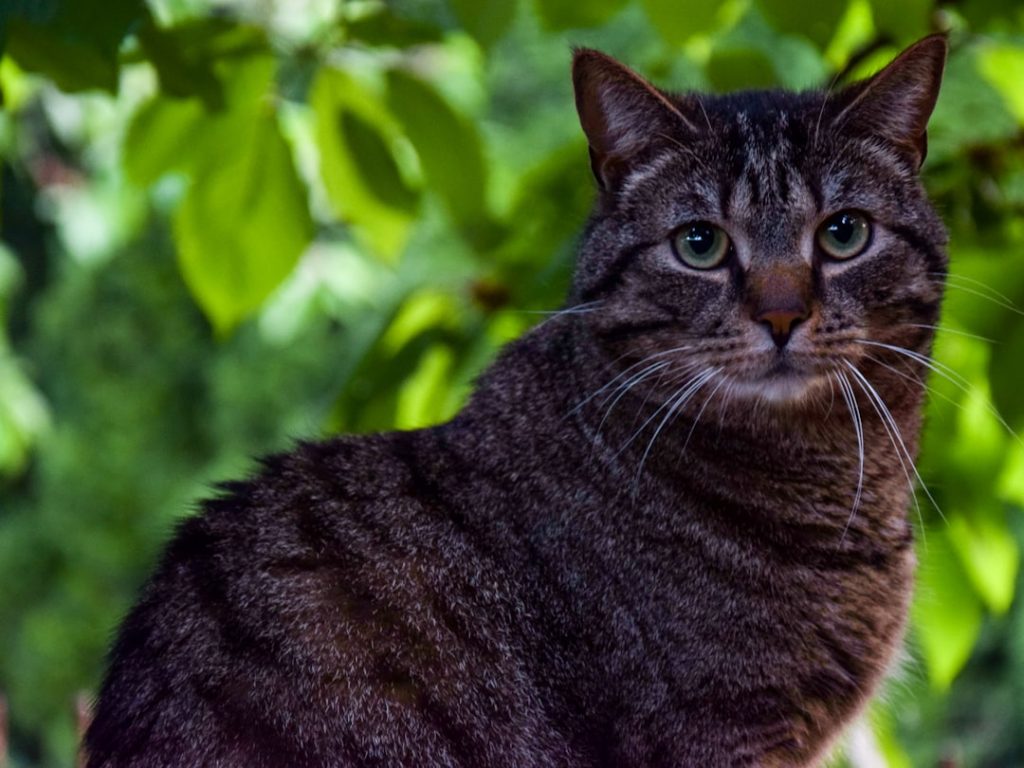
Have you ever wondered which domestic cat holds the title for being the largest? If you’re a cat lover or simply curious about these fascinating animals, you’re in for a treat.
Understanding the different cat breeds can be as thrilling as unraveling a mystery. The largest breed of domestic cat is not just about size; it’s about personality, history, and the unique characteristics that make it stand out. Imagine having a cat so majestic that it feels like having a mini lion lounging in your living room.
Dive into this article and discover the captivating world of the largest domestic cat breed. You’ll gain insights that could change the way you view these furry companions forever.
Maine Coon: The Gentle Giant
When it comes to domestic cats, the Maine Coon, often referred to as the “Gentle Giant,” stands out not just for its size but also for its loving personality. This breed has captured the hearts of many cat enthusiasts with its majestic appearance and endearing demeanor. If you’re considering adding a Maine Coon to your family or are simply curious about this impressive breed, you’ll want to know more about its origins, unique features, and charming temperament.
Origins And History
The origins of the Maine Coon are as mysterious as the breed is captivating. Some believe they descended from long-haired cats brought by seafarers to New England, while others propose they are the result of natural selection in the harsh climate of Maine.
One popular legend suggests that they are the offspring of domestic cats and raccoons, though scientifically impossible. What is certain is that by the late 19th century, they were a beloved breed at cat shows in the United States.
Have you ever wondered how a breed becomes so well-adapted to a cold environment? The Maine Coon’s history provides clues to its thick, water-repellent coat and tufted ears, traits that helped them survive New England winters.
Distinctive Features
Physically, the Maine Coon is a sight to behold. Its large size, tufted ears, and bushy tail make it almost resemble a small lynx.
Their long, silky fur is not just for show; it’s an adaptation to cold climates. These cats also have a robust, muscular build that complements their curious and adventurous nature.
Have you ever noticed how a Maine Coon’s eyes seem to express curiosity and intelligence? Their large, expressive eyes are one of their most captivating features, often leaving a lasting impression.
Personality And Temperament
Maine Coons are renowned for their gentle and friendly nature. Despite their imposing size, they are often described as “dogs in a cat’s body” due to their social behavior and loyalty to their human companions.
They love to play and are exceptionally good with children and other pets. Their playful nature can make them a delightful addition to a lively household.
Do you find yourself seeking a pet that can offer companionship without being overly demanding? A Maine Coon might just be the perfect fit, offering affection and interaction while still enjoying its independence.
In essence, the Maine Coon is not just the largest breed of domestic cat but also one of the most charming. Their history, unique features, and friendly personality make them a favorite among cat lovers. Whether you’re an experienced cat owner or new to the feline world, a Maine Coon could be the gentle giant you’ve been looking for.
Credit: www.reddit.com
Savannah Cat: The Exotic Hybrid
The Savannah cat stands out with its striking appearance. Known for its unique look, this hybrid breed captivates cat enthusiasts worldwide. A blend of wild and domestic, the Savannah cat brings a touch of the exotic into homes. Its unique ancestry and characteristics make it fascinating. Let’s explore what makes this breed so special.
Crossbreed Origins
The Savannah cat is a hybrid breed. It results from crossing a domestic cat with a serval, a wild African cat. This mix began in the 1980s. Breeders aimed to capture the serval’s beauty and grace. The result was a cat with a wild look but a domestic temperament. The first generation, known as F1, has the most serval traits. Each subsequent generation becomes more domestic.
Physical Characteristics
Savannah cats boast a unique appearance. They have long legs and a lean body. Their ears are large and upright. This gives them an alert expression. Their coat is short, with bold spots and stripes. Colors range from golden to silver. This striking look echoes their wild ancestry. Their size can be impressive. Some Savannahs can weigh up to 25 pounds.
Behavior And Socialization
Savannah cats are active and curious. They love to explore their surroundings. Their intelligence is remarkable. Many can learn tricks and play fetch. Socialization is key. Early interaction helps them adapt to home life. They form strong bonds with their owners. This makes them loyal companions. Despite their wild looks, they enjoy human company. Proper training ensures they fit well into family life.
Norwegian Forest Cat: The Viking’s Companion
The Norwegian Forest Cat stands out as a captivating feline. Often linked with ancient Norse legends, it’s a breed of mystery and charm. Known for its thick, water-resistant coat, this cat thrives in harsh climates. Its strong, muscular build gives it a commanding presence. The Norwegian Forest Cat is not just a pet; it’s a companion from the Viking era.
Historical Background
The Norwegian Forest Cat has deep historical roots. Legends suggest these cats sailed with the Vikings. They helped keep ships free of rodents. Their lineage traces back to the rugged landscapes of Norway. Over centuries, they adapted to survive cold, snowy conditions. These cats have been part of Norwegian folklore and fairy tales. They are celebrated as magical and enchanting creatures.
Unique Traits
This breed possesses distinct features. Their thick fur is both beautiful and practical. It shields them from cold and wet weather. They have tufted ears and bushy tails, adding to their majestic look. Their almond-shaped eyes are bright and expressive. Norwegian Forest Cats are known for their playful yet gentle nature. They are intelligent and enjoy interactive play with owners.
Adaptability And Care
Norwegian Forest Cats are adaptable pets. They adjust well to family life. Regular grooming is necessary to maintain their coat. Weekly brushing helps prevent matting. These cats enjoy climbing and exploring. Providing a tall cat tree satisfies their need to climb. They appreciate interactive toys and puzzles. A balanced diet and regular vet visits ensure good health.

Credit: www.omlet.co.uk
Ragdoll Cat: The Floppy Favorite
The Ragdoll cat is often called a floppy favorite. This breed is known for its relaxed nature and gentle demeanor. Its name comes from its tendency to go limp when held. This unique trait makes the Ragdoll a popular choice among cat lovers.
Breed Development
The Ragdoll breed originated in California during the 1960s. Ann Baker, a breeder, began developing this gentle giant. She focused on creating a cat with a calm personality. Selective breeding helped achieve the Ragdoll’s relaxed nature. Over time, the breed gained recognition worldwide.
Appearance And Size
Ragdolls are one of the largest domestic cats. Adult males can weigh up to 20 pounds. Females are slightly smaller, averaging around 15 pounds. Their large size is complemented by a muscular build. Ragdolls have striking blue eyes and a soft coat. The coat comes in various colors and patterns.
Nature And Interaction
Ragdolls are known for their affectionate nature. They enjoy human interaction and often follow their owners around. Their gentle disposition makes them great companions for families. These cats love being held and cuddled. They adapt well to indoor living environments. Ragdolls rarely show aggression and are generally good with children.
Challenging The Title: Other Large Breeds
Many believe that the Maine Coon holds the crown for the largest domestic cat breed. Yet, several other breeds also boast impressive sizes. These breeds challenge the title with their robust physiques and majestic presence.
British Shorthair
The British Shorthair is known for its sturdy build. This breed has a broad chest and muscular body. Males often weigh between 9 to 17 pounds. Their dense fur adds to their perceived size. Though not as large as the Maine Coon, their stocky form makes them appear substantial.
Siberian Cat
The Siberian Cat combines size with elegance. Originating from Russia, this breed is a natural wonder. Siberians can weigh from 15 to 20 pounds. Their thick, water-repellent coat adds volume. This breed’s gentle nature and size make them a beloved companion.
Comparison Of Sizes
While the Maine Coon averages around 18 pounds, other breeds come close. British Shorthairs and Siberians offer similar dimensions. British Shorthairs impress with their dense coat and solid frame. Siberians captivate with their plush fur and hefty weight.
Each breed brings its own charm and size. Choosing a large cat depends on personal preference and lifestyle. Whether it’s the playful British Shorthair or the serene Siberian, large cats provide joy and companionship.
Factors Influencing Cat Size
Understanding the size of domestic cats involves several factors. Some cats grow much larger than others due to these influences. From genetics to their living environment, each plays a role. Let’s explore these factors to understand why some cats are giants.
Genetics And Breeding
Genetics play a crucial role in a cat’s size. Breeds like the Maine Coon are naturally large. These cats have genes that promote bigger body structures. Breeding also impacts size. Breeders select specific traits to enhance. Over time, this leads to larger cats. Certain breeds have been developed for size and stature.
Diet And Nutrition
Proper diet and nutrition are essential for healthy growth. Cats need balanced meals to reach their full size. Protein and essential nutrients support muscle and bone development. Overfeeding or malnutrition can affect their growth. A well-planned diet ensures they grow to their potential size. Pet owners must provide appropriate portions and nutrients.
Environment And Lifestyle
A cat’s environment influences its size. Space to move and exercise helps maintain healthy weight. Sedentary lifestyles can lead to obesity, affecting size perception. Stress-free environments promote better growth. Cats with freedom to explore tend to be healthier. Lifestyle factors often determine a cat’s overall well-being and size.
Care Tips For Large Cats
Maine Coons hold the title for the largest breed of domestic cats. These gentle giants require spacious living areas and regular grooming to keep their thick fur healthy. Ensure a balanced diet and plenty of interactive play to cater to their energetic nature and keep them happy.
Care Tips for Large Cats Caring for large domestic cats requires special attention. Their size brings unique needs and challenges. Understanding these needs ensures a healthy, happy life for your feline friend.Feeding And Diet Needs
Large cats need a balanced diet. Ensure they get enough protein. Protein supports their muscle mass. Choose high-quality cat food for best nutrition. Avoid overfeeding to prevent obesity. Portion control is crucial. Offer fresh water daily to keep them hydrated.Exercise And Activity
Exercise is vital for large cats. It keeps them healthy and energetic. Provide toys that encourage movement. Laser pointers and feather wands work well. Create a play schedule for regular activity. Consider investing in cat trees for climbing. These activities keep them entertained and fit.Health And Veterinary Care
Regular vet visits are essential for large cats. They help monitor their health. Vaccinations and check-ups prevent diseases. Watch for signs of joint problems. Large cats are prone to arthritis. Maintain a healthy weight to reduce strain on joints. Keep their living space clean to avoid infections. By following these tips, you ensure your large cat’s well-being. Happy cats lead to happy owners.
Credit: www.youtube.com
Frequently Asked Questions
What Is The Largest Breed Of Indoor Cat?
The Maine Coon is the largest breed of indoor cat. Known for its friendly nature, it can weigh up to 18 pounds and grow up to 40 inches long, including its tail. Their thick fur and bushy tails make them well-suited for indoor living.
What’s Bigger, Maine Coon Or Savannah Cat?
Maine Coons are generally larger than Savannah cats. They often weigh between 10-25 pounds. Savannah cats typically weigh 12-20 pounds. Maine Coons have a more robust build, while Savannahs are taller and more slender. Both breeds have unique and striking appearances, making them popular among cat enthusiasts.
What Breeds Are Xl Cats?
XL cat breeds include Maine Coon, Savannah, and Ragdoll. These breeds are known for their large size and friendly nature. Maine Coons are sociable and playful, Savannahs resemble wild cats, and Ragdolls are gentle and affectionate. They make great companions for families and cat enthusiasts.
What’s The Biggest Cat You Can Legally Own?
The largest cat you can legally own in many places is the Savannah cat. It’s a hybrid of a domestic cat and a serval. Laws vary by location, so always check local regulations. Some places may allow larger exotic cats with permits.
Conclusion
Exploring cat breeds can be exciting. The Maine Coon stands out as the largest. Its size and gentle nature captivate many cat lovers. Their long fur and bushy tails add to their charm. These cats require regular grooming and love interaction.
Perfect companions for those who appreciate big, friendly pets. Understanding their needs ensures a happy, healthy cat. Whether you’re adopting or learning, the Maine Coon impresses with its unique qualities. Enjoy discovering more about these magnificent felines and what makes them special in the world of domestic cats.