What Breeds Make a Ragdoll Cat: Discover Origins
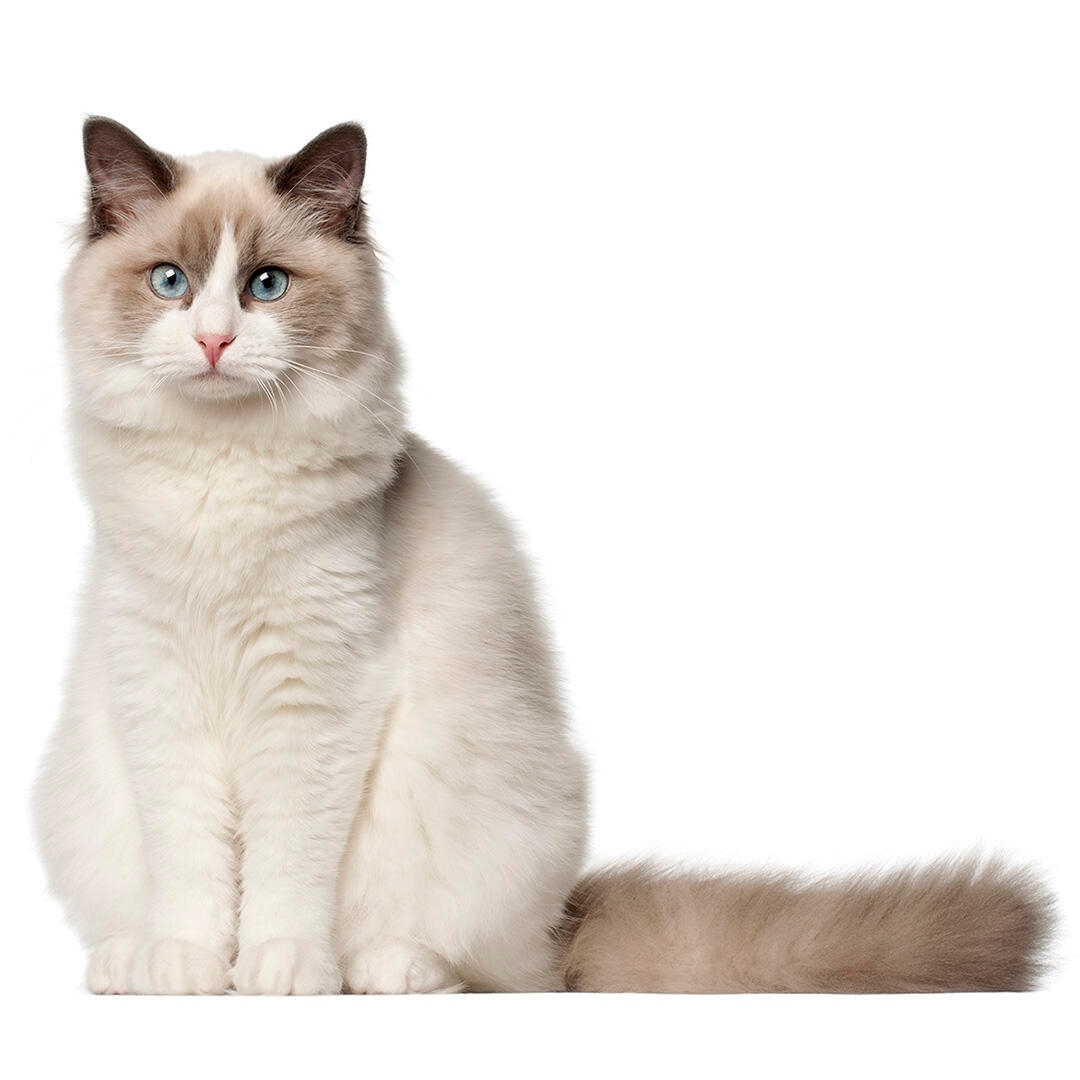
Have you ever gazed into the striking blue eyes of a Ragdoll cat and wondered what makes them so uniquely captivating? If you’re curious about the breeds that contribute to their gentle demeanor and plush coats, you’re in the right place.
Understanding the mix behind a Ragdoll cat can enrich your appreciation of these cuddly companions and help you make informed choices if you’re considering adding one to your family. Get ready to unravel the intriguing blend of breeds that create the perfect Ragdoll cat, and discover why these furry friends are adored worldwide.
You’ll find the answers to your questions and maybe even learn a few surprising facts along the way. Let’s delve into the heartwarming world of Ragdoll cats!
Credit: www.purina.co.uk
Origins Of The Ragdoll Cat
The Ragdoll cat is a fascinating breed with a rich history that captivates cat enthusiasts worldwide. Known for their gentle demeanor and striking blue eyes, Ragdolls are a relatively new breed with origins that trace back to the 1960s. But what breeds contributed to the creation of this charming feline?
History Of The Ragdoll Cat
The Ragdoll cat was first developed by Ann Baker, a breeder in California. She aimed to create a cat with a friendly temperament and unique appearance. Her efforts paid off, as Ragdolls are now celebrated for their plush coats and docile nature.
The Role Of Josephine
The story of the Ragdoll begins with a white Persian/Angora-type cat named Josephine. Josephine was the foundation cat that Ann Baker used to start the Ragdoll breed. This cat was known for her gentle nature and contributed significantly to the Ragdoll’s calm disposition.
Breeds Contributing To Ragdoll Characteristics
The Ragdoll’s distinct features come from a mix of breeds. While Josephine was central, other breeds like the Birman and Burmese were introduced to enhance specific traits. The Birman contributed to the Ragdoll’s striking blue eyes, while the Burmese added to their loving personality.
The Breeding Process
Ann Baker used selective breeding to refine the Ragdoll’s traits. By carefully choosing cats that displayed the desired qualities, she was able to establish a consistent breed standard. This process required patience and a keen eye for detail.
Ragdoll’s Unique Traits
Ragdolls are known for their “floppy” nature, often going limp when held. This trait is part of their charm and makes them popular among families and cat lovers. Their plush fur, affectionate nature, and easygoing personality make them stand out.
Have you ever wondered what makes a cat so irresistibly snuggly? The Ragdoll’s origins offer a glimpse into the careful and intentional breeding that creates such a delightful companion. Whether you’re a seasoned cat owner or contemplating adopting your first feline friend, understanding the Ragdoll’s background can deepen your appreciation for this remarkable breed.

Credit: www.floppycats.com
Key Characteristics Of Ragdoll Cats
Ragdoll cats are adored for their striking appearance and gentle temperament. If you’ve ever seen a Ragdoll, you might have noticed their captivating blue eyes and silky fur. But beyond looks, Ragdolls have unique characteristics that make them a favorite among cat enthusiasts. Let’s dive into what sets these charming felines apart.
What Makes Them So Affectionate?
Ragdoll cats are known for their docile nature. They’re often referred to as “puppy-like” because they crave human attention and enjoy following you around. Their affectionate demeanor makes them perfect companions for families and individuals alike.
Are Ragdolls Really That Big?
Yes, Ragdolls are one of the largest domestic cat breeds. Males typically weigh between 15-20 pounds, while females are slightly smaller. Their size and plush fur contribute to their regal appearance. But don’t let their size intimidate you; their gentle nature is what truly stands out.
What About Their Gorgeous Coats?
Their semi-long fur is soft and silky, requiring regular grooming to keep it looking its best. Ragdoll cats come in various colors, including seal, blue, chocolate, and lilac. Do you know someone who loves brushing cats? They’d find grooming a Ragdoll a delight, not a chore.
Are They Really That Calm?
Indeed, Ragdolls are famously calm and laid-back. It’s rare to see them aggressive or agitated. They prefer lounging around and soaking up the sun. Imagine a lazy Sunday with a Ragdoll purring by your side—sounds like bliss, right?
Do They Have Any Special Needs?
Ragdolls are generally healthy but require a diet that supports their large size and energy levels. Regular vet visits and a balanced diet will keep your Ragdoll in top shape. Have you considered what it takes to maintain a large breed cat?
Understanding these key characteristics helps in appreciating why Ragdoll cats are such special pets. Their unique traits ensure they not only look good but also bring joy and companionship to your home.
Breeds That Influenced Ragdolls
The Ragdoll cat, known for its striking blue eyes and gentle demeanor, is a breed that has captured the hearts of many cat enthusiasts. But have you ever wondered what breeds contributed to creating this unique feline? The Ragdoll is not just a product of one breed but a combination of several, each adding its distinct characteristics. Let’s dive into the influences that helped shape the Ragdoll cat.
Birman Influence
The Birman cat played a significant role in the development of the Ragdoll breed. Known for its beautiful coat and friendly personality, the Birman contributed its plush fur and loving nature to the Ragdoll. If you’ve ever noticed how your Ragdoll seems to follow you from room to room, you can thank the Birman for that trait. Imagine having a cat that’s not only beautiful but also enjoys companionship.
Persian Ancestry
Persians are famous for their luxurious coats and sweet disposition. These traits are evident in Ragdolls as well. The Persian influence adds a layer of elegance to the Ragdoll’s appearance. While grooming may take a bit more effort due to this ancestry, the resulting silky fur is well worth the effort. Have you ever found yourself admiring your Ragdoll’s coat in the sunlight? You can appreciate the Persian ancestry for that shimmering beauty.
Angora Contributions
Angora cats bring a sense of playfulness and curiosity to the Ragdoll breed. This influence is noticeable in the Ragdoll’s inquisitive nature and intelligence. Angoras are known for their active behavior, making Ragdolls more engaging and interactive pets. Think about the times your Ragdoll has surprised you with its clever antics or playful behavior. The Angora contribution ensures that your Ragdoll is not just a pretty face but a delightful companion.
Knowing the breeds that influenced your Ragdoll can deepen your appreciation for its unique characteristics. Do you see any of these traits in your Ragdoll cat? Understanding the origins can be an exciting way to connect more deeply with your pet. Each Ragdoll is a tapestry of history, woven from the finest threads of its ancestral breeds. How does this knowledge change the way you view your furry friend?
Unique Traits Of The Ragdoll
Ragdoll cats are well-known for their unique traits and charming personalities. These gentle felines capture hearts with their captivating blue eyes and silky fur. They are not only beautiful but also possess a distinctive set of qualities that make them stand out. Let’s explore these fascinating attributes that define the Ragdoll breed.
Gentle Temperament
Ragdolls are famous for their calm and friendly nature. They are often described as dog-like due to their affectionate behavior. These cats enjoy human companionship and are known to follow their owners around the house. They thrive in a loving environment and are excellent pets for families.
Luxurious Coat
The Ragdoll’s coat is one of its most striking features. It is long, soft, and requires regular grooming to maintain its beauty. Their fur feels silky to the touch, adding to their allure. Despite its length, their coat is relatively easy to manage.
Striking Blue Eyes
Blue eyes are a hallmark of the Ragdoll breed. These cats have deep, vivid blue eyes that seem to sparkle. Their eye color is a result of their unique genetics, adding to their mystique. This trait is often one of the first things noticed about them.
Large Size
Ragdolls are among the largest domestic cat breeds. They can weigh between 15 to 20 pounds. Their size is complemented by their muscular build, yet they move gracefully. Despite their size, they are gentle giants, offering a comforting presence.
Floppy Nature
These cats are known for their relaxed demeanor. When picked up, they tend to go limp in your arms. This trait is why they are called “Ragdoll.” It adds to their reputation as easy-going and adaptable companions.
Breeding Practices And Standards
Breeding practices and standards play a crucial role in developing Ragdoll cats. These gentle giants are known for their striking blue eyes and silky coats. The breed has specific standards that breeders must follow. This ensures that the cats maintain their unique features and temperament. Proper breeding techniques and maintaining purebred lines are essential for this purpose.
Selective Breeding Techniques
Selective breeding techniques involve choosing cats with desired traits. Breeders focus on the cat’s temperament, size, and coat color. These traits are essential to maintain the Ragdoll’s distinct characteristics. The process requires careful selection and planning.
Breeders often use genetic testing to ensure healthy offspring. This helps avoid genetic disorders. Choosing the right cats for breeding ensures strong and healthy kittens. It also guarantees that they carry the Ragdoll’s signature traits.
Maintaining Purebred Lines
Maintaining purebred lines is vital for Ragdoll cats. Breeders must adhere to strict standards. This ensures the cats remain true to the breed. They avoid mixing with other breeds. This keeps the Ragdoll’s features intact.
Keeping detailed records of lineage helps track genetic traits. It allows breeders to monitor health issues. This practice ensures consistency in breeding quality Ragdoll cats. Purebred lines help preserve the breed’s unique charm and gentle nature.
Ragdoll Cat’s Popularity And Appeal
The Ragdoll cat is beloved worldwide for its gentle nature and striking appearance. Known for its blue eyes and semi-long coat, the Ragdoll has a unique charm. Its laid-back personality makes it a favorite among cat enthusiasts. But what breeds make up the Ragdoll cat? Let’s explore its popularity and appeal.
Ragdoll Cat’s Gentle Temperament
The Ragdoll is famous for its calm demeanor. It enjoys human company and often follows owners around the house. This breed is perfect for families and singles alike. Its friendly nature makes it a great companion.
Striking Physical Appearance
Ragdolls have mesmerizing blue eyes. Their semi-long fur is silky and soft. They come in various colors, adding to their allure. These features make them stand out in the feline world.
Ease Of Grooming
Despite their long fur, Ragdolls are easy to groom. Their coat resists matting, requiring less maintenance. Regular brushing keeps them looking their best. This ease adds to their appeal among busy pet owners.
Compatibility With Other Pets
Ragdolls get along well with other animals. Their laid-back nature helps them adapt easily. They coexist peacefully with dogs and other cats. This adaptability makes them ideal for multi-pet households.
Affectionate Nature
Ragdolls are known for their love of cuddles. They often go limp when held, hence the name “Ragdoll.” Their affectionate nature endears them to many. This trait makes them excellent therapy animals.

Credit: cfa.org
Frequently Asked Questions
What Breeds Do Ragdolls Come From?
Ragdolls originate from a mix of Persian, Birman, and Burmese breeds. Ann Baker developed them in the 1960s. These cats are known for their gentle temperament and striking blue eyes. Ragdolls are large, affectionate, and have semi-long, soft coats. They are popular for their relaxed and friendly nature.
What Two Cats Make A Ragdoll?
A Ragdoll cat is bred by crossing a Persian or Birman cat with a domestic long-haired cat. This combination results in the Ragdoll’s signature gentle temperament and striking appearance, featuring blue eyes and soft, fluffy fur. Ragdolls are known for their affectionate nature, making them ideal pets.
What Breed Created The Ragdoll Cat?
The Ragdoll cat was created by breeding Persian, Burmese, and Birman cats in the 1960s. Ann Baker, an American breeder, developed the breed. Ragdolls are known for their affectionate nature and striking blue eyes. Their soft, plush fur and gentle temperament make them ideal pets.
What Makes A Cat A Ragdoll Cat?
Ragdoll cats have striking blue eyes, silky semi-long fur, and a calm temperament. They are large, affectionate, and often go limp when held, resembling a ragdoll. Ragdolls are known for their playful, friendly nature and thrive in indoor environments. Their gentle personality makes them excellent family pets.
Conclusion
Discovering the origins of the Ragdoll cat reveals its unique charm. The blend of different breeds contributes to its calm demeanor. This combination results in a gentle giant, loved by many. Their striking blue eyes and soft fur captivate cat enthusiasts.
Ragdolls are known for their friendly and relaxed nature. Perfect companions for families and individuals alike. Understanding their breed background enriches our appreciation. These cats’ qualities make them cherished pets. Embrace the joy they bring into homes. Their affectionate nature ensures they remain a favorite choice.
Every Ragdoll cat is a testament to this wonderful breed mix.