What Essential.Oils are Safe for Cats: A Must-Know Guide
Imagine coming home after a long day, ready to unwind with your favorite essential oils. But wait—your feline friend is also in the room.
You might wonder, are these oils safe for your cat? As a cat owner, you strive to create a soothing environment for both you and your pet. However, not all essential oils are feline-friendly. Your furry companion’s well-being is a priority, and knowing which scents are safe is crucial.
Uncover the secrets behind essential oils that harmonize with your cat’s health, so you can relax without worry. Keep reading to discover which oils can enhance your home without compromising your cat’s safety.

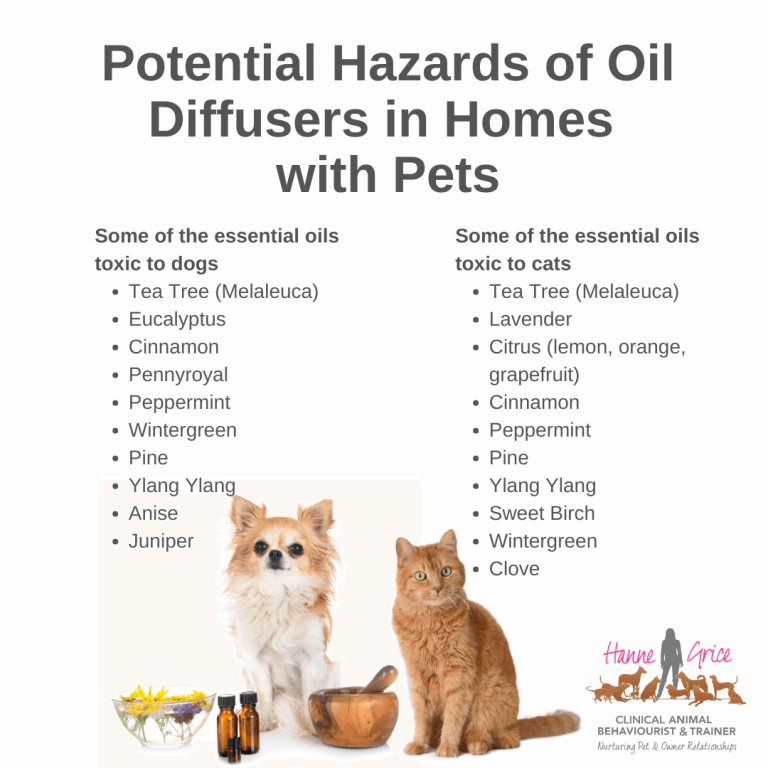
Credit: www.cbc.ca
Understanding Essential Oils
Cats can be sensitive to essential oils. Lavender and chamomile are generally safe options. Always consult a vet before introducing new oils to your pet’s environment. Avoid oils like tea tree or eucalyptus which can be harmful.
Understanding essential oils can be both fascinating and a bit overwhelming, especially when considering the safety of our feline friends. Cats have unique metabolic systems, making them more sensitive to certain substances, including essential oils. It’s crucial to know which oils are safe and how to use them properly to ensure your cat’s well-being.Definition And Uses
Essential oils are concentrated plant extracts that capture the essence of the plant’s fragrance and flavor. They have been used for centuries in aromatherapy, beauty products, and cleaning solutions. Many people use them for their calming properties or to freshen up their homes. However, while they can be beneficial to humans, not all are safe for cats. When using essential oils around your cat, consider the purpose. Is it for a relaxing environment, or do you aim to tackle a specific issue? Always research and ensure the oils you choose are cat-friendly.Popular Types
Some essential oils are more popular and safer for cats than others. Lavender is often recommended for its calming effects and pleasant scent. Chamomile is another safe option, known for its soothing properties. On the other hand, you should avoid oils like tea tree, eucalyptus, and citrus, which can be harmful to cats. Remember, even safe oils should be used in moderation and with proper ventilation. Have you ever noticed how a certain scent can instantly change your mood? Imagine how potent those effects are for your cat. Always observe your cat’s behavior when introducing a new scent. What essential oils have you used around your pets, and how did they react? Your experience can guide others in making safe choices for their furry companions. In conclusion, understanding essential oils is more than knowing what they are—it’s about using them thoughtfully and safely around your beloved pets.
Credit: www.pinterest.com
Cats And Essential Oils
Lavender and chamomile essential oils are safe options for cats, offering calming benefits without harmful effects. Diluted versions reduce risks, ensuring your feline friend stays healthy. Always consult a vet before introducing new oils to your pet’s environment for safety.
Cats and essential oils often share a curious relationship. As a cat owner, you may wonder if essential oils can coexist safely with your feline friend. While essential oils offer numerous benefits to humans, their impact on cats can be quite different. Let’s explore how these oils interact with our furry companions, focusing on their sensitivity and common reactions.Sensitivity Of Cats
Cats possess a unique metabolism that renders them highly sensitive to certain substances, including essential oils. Unlike humans and dogs, cats lack certain liver enzymes needed to break down these oils. This means even a small amount of essential oil can be overwhelming for your cat’s system. Consider how a seemingly harmless lavender oil could potentially cause distress. Your cat may not exhibit immediate signs of discomfort, but prolonged exposure could lead to health issues. It’s essential to recognize that what soothes you might not be safe for your feline friend.Common Reactions
When exposed to certain essential oils, cats might show a variety of reactions. You might notice your cat drooling excessively or experiencing respiratory distress. These could be subtle signs that your cat is having an adverse reaction. Digestive problems are also common. If your cat accidentally ingests essential oil, vomiting or diarrhea might follow. It’s crucial to monitor your cat closely after exposure to any new scent. Do you ever feel your cat is acting strangely after you’ve introduced a new scent at home? This might be a reaction to an essential oil. Always be cautious and observe any changes in behavior or health.Safe Essential Oils For Cats
Lavender and chamomile oils are safe for cats in small amounts. These oils can calm and soothe them. Always ensure proper dilution to prevent irritation.
Safe essential oils for cats can bring a touch of nature into your home while ensuring your feline friend stays healthy. Cats have a sensitive metabolism, so it’s crucial to choose oils that are gentle and non-toxic. When used correctly, certain essential oils can even help soothe your cat’s anxiety or skin issues. It’s time to discover which essential oils are safe for your beloved cat.Lavender
Lavender is known for its calming properties. Imagine coming home after a long day and feeling your stress melt away with the soothing aroma of lavender. It works similarly for cats, helping to reduce anxiety and promote relaxation. You can add a few drops of lavender essential oil to a diffuser, ensuring it doesn’t overpower your cat’s sensitive nose. Keep an eye on your cat’s behavior. If they seem more relaxed and content, lavender might be the right choice for them.Chamomile
Chamomile is another excellent option for your feline friends. It’s renowned for its gentle, soothing effects. When my cat was recovering from a minor surgery, chamomile helped her sleep better and eased her discomfort. You can mix a drop or two with a carrier oil and apply it to your cat’s bedding. Make sure your cat doesn’t have direct access to the oil. Remember, less is more when it comes to essential oils and cats.Frankincense
Frankincense is not just for ancient rituals; it’s safe for cats too. It can support your cat’s immune system and promote a sense of peace. If you notice your cat feeling under the weather, a little frankincense might help. Consider using a diffuser with a couple of drops of frankincense oil in a well-ventilated area. This ensures your cat enjoys the benefits without feeling overwhelmed. Have you noticed any positive changes in your cat’s demeanor when using frankincense? Choosing the right essential oils for your cat requires care and attention. Always observe your cat’s reactions and consult your vet if you’re unsure. Your furry friend’s health is worth the extra effort.Essential Oils To Avoid
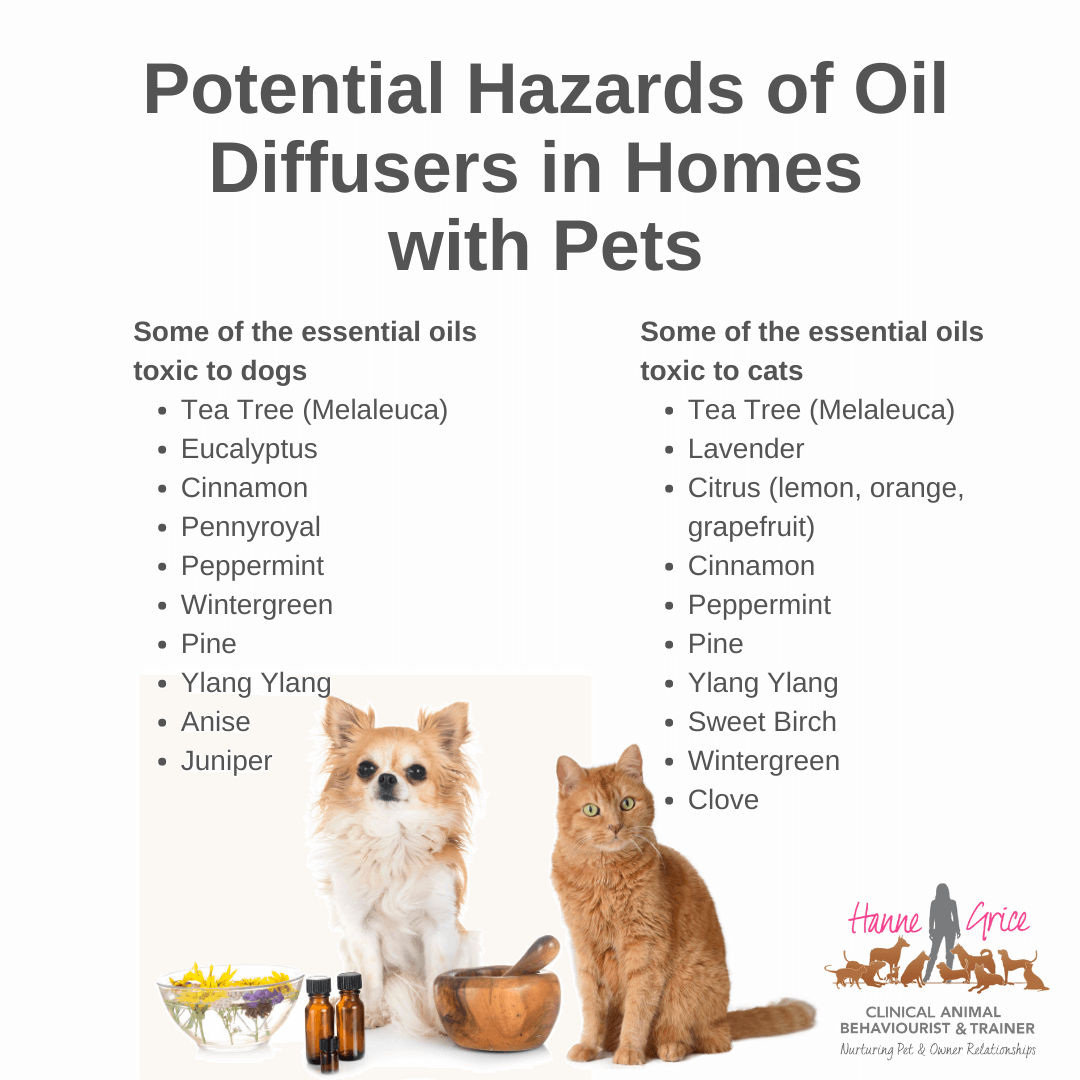
Cats are sensitive to certain essential oils. Some oils can be harmful. It’s crucial to know which oils to avoid around them. This ensures their health and safety. Understanding these can prevent unnecessary vet visits. Below are common oils that should be kept away from cats.
Tea Tree Oil
Tea tree oil is toxic to cats. It can cause severe reactions. Even small amounts can be dangerous. Symptoms include drooling and vomiting. It may also lead to skin irritation. Cats lack the enzymes to process tea tree oil. Keep it out of your home to protect them.
Eucalyptus
Eucalyptus oil poses a risk to cats. It can lead to respiratory issues. Cats can suffer from coughing and wheezing. Ingesting it is particularly harmful. It can cause nausea and confusion. Its strong scent may overwhelm their senses. Avoid using eucalyptus oil near your feline friend.
Peppermint
Peppermint oil is unsafe for cats. It can affect their nervous system. Exposure may result in difficulty breathing. Cats might also experience muscle tremors. The oil’s intensity can be distressing. Cats might find it irritating on their skin. Always ensure peppermint oil is out of reach.
Proper Usage Of Essential Oils
Proper usage of essential oils for cats is crucial to ensure their safety and well-being. Cats are sensitive creatures, and what might be therapeutic for humans can be harmful to them. When you use essential oils around your feline friends, understanding the right approach can make all the difference. Let’s explore how to safely incorporate these oils into your pet care routine.
Dilution Guidelines
When using essential oils for cats, dilution is not just a recommendation, it’s a necessity. Cats have a different metabolism than humans and even dogs, making them more susceptible to concentrated oils. A safe rule of thumb is to dilute essential oils to at least 1% concentration. This means adding one drop of essential oil to 100 drops of a carrier oil like coconut or olive oil.
Consider using a dilution table to guide you. It’s easy to create a simple table where you list common carrier oils and their dilution ratios. Remember, less is more when it comes to your cat’s safety.
Application Methods
Wondering how to apply essential oils to benefit your cat? Start by avoiding direct application. Instead, opt for indirect methods like diffusion. Use a diffuser to gently spread the oil’s scent in the air, allowing your cat to experience the benefits without direct contact.
If you’re looking to apply oils topically, ensure the area is safe, like the back of the neck where your cat can’t lick. Always follow up with a gentle touch or massage, but stop if your cat seems uncomfortable. Your cat’s comfort should be your priority.
Have you noticed your cat reacting negatively to certain scents? This is a sign to reevaluate your choice of oils and application methods. Listen to your cat’s cues and adjust accordingly.
How do you know if your cat enjoys the scent? Watch for signs like purring or relaxed behavior. Your observations are key to understanding your cat’s preferences.
Using essential oils safely requires diligence and care. Are you ready to explore the world of essential oils with your cat? With the right knowledge, you can create a harmonious environment for both you and your furry friend.
Signs Of Toxicity In Cats
Essential oils can be harmful to cats, causing drooling, vomiting, or difficulty breathing. Safe oils include lavender, chamomile, and frankincense. Always dilute and use them sparingly to avoid health issues.
Cats are curious creatures, often getting into things they shouldn’t. When it comes to essential oils, it’s crucial to know which ones are safe and which can be harmful to your feline friend. Understanding the signs of toxicity in cats can be a lifesaver, literally. If you’ve ever wondered about the safety of your essential oils collection, you’re not alone. Many cat owners are caught off guard by how quickly their pets can be affected by toxic substances. Recognizing the symptoms early on can make all the difference in ensuring your cat’s well-being.Symptoms To Watch For
Noticing changes in your cat’s behavior can be your first clue something is wrong. If your cat is exposed to toxic essential oils, symptoms can range from mild to severe. Watch for signs such as: – Drooling: More than usual can indicate distress. – Vomiting: A clear sign their stomach is upset. – Difficulty Breathing: Labored breathing is a red flag. – Lethargy: If your energetic cat suddenly seems drained, it’s time to worry. A friend of mine once noticed her cat drooling excessively after she diffused an oil. Acting quickly, she was able to get her cat the help it needed.Immediate Actions
If you suspect your cat has been exposed to toxic essential oils, acting fast is crucial. Start by removing your cat from the area where the oil is present. Fresh air can help alleviate some symptoms. Next, contact your vet immediately. Describe the symptoms and the oil in question. Having this information ready can speed up the treatment process. While waiting for professional help, ensure your cat stays calm and comfortable. Offer water, but avoid forcing it, as this can cause more stress. Remember, your quick response can be the key to your cat’s recovery. Have you ever had to act quickly in a pet emergency? It’s a nerve-wracking experience, but being prepared can help you stay calm and focused. Your cat relies on you for protection, so knowing these signs and actions is crucial.Consulting A Veterinarian
Consulting a veterinarian can help determine which essential oils are safe for cats. Some oils can be toxic. Experts provide guidance on suitable oils, ensuring your pet’s health and safety. This advice is crucial for cat owners using aromatherapy or essential oils at home.
When it comes to using essential oils around your feline friends, consulting a veterinarian is crucial. Cats have unique physiology that makes them more sensitive to certain substances, including some essential oils. A vet can provide guidance tailored to your cat’s specific needs and health conditions. This personalized advice can save you and your pet from potential harm.When To Seek Advice
It’s essential to know when to reach out for expert advice. If you’re considering introducing a new essential oil into your home, consult your vet first. They can help you determine which oils are safe and which to avoid. Sometimes, even if you’re using oils that are generally considered safe, your cat might still have a reaction. If you notice any unusual behavior, such as drooling, lethargy, or difficulty breathing, contact your vet immediately. Regular check-ins with your veterinarian can also be beneficial. By discussing your use of essential oils during routine visits, you ensure your cat’s safety and wellbeing.Importance Of Professional Guidance
Professional guidance can make all the difference. Veterinarians have the expertise to recommend safe practices tailored to your cat. They can also advise on the proper dilution and application methods. Imagine the peace of mind knowing that your home environment is as safe as possible. A veterinarian can help you achieve this by identifying potential hazards and suggesting alternatives if needed. Have you ever wondered if a natural remedy could be harmful? With the rise of DIY solutions, it’s more important than ever to seek professional advice. Your vet can help you navigate these choices wisely. Taking the step to consult a vet can prevent unnecessary stress for both you and your cat. It’s a proactive approach that ensures the health and happiness of your furry companion.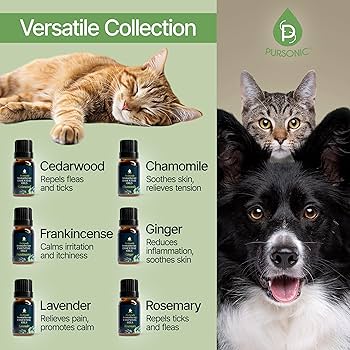
Credit: www.amazon.com
Frequently Asked Questions
Are Any Essential Oils Safe To Diffuse Around Cats?
Some essential oils like lavender and chamomile are generally safe for cats when diffused properly. Always ensure the area is well-ventilated and observe your cat’s behavior. Consult a veterinarian before introducing new oils to your home. Avoid oils like tea tree and eucalyptus as they can be harmful.
What Essential Oils Are Pet Safe?
Lavender, chamomile, and frankincense essential oils are generally safe for pets. Ensure proper dilution before use. Always consult a veterinarian for specific advice and observe your pet for any adverse reactions. Avoid essential oils like tea tree, eucalyptus, and citrus, which can be harmful to pets.
What Essential Oils Are Safe For Cats To Clean With?
Lavender and chamomile essential oils are generally safe for cleaning around cats. Always ensure proper dilution and ventilation. Avoid using oils like tea tree, citrus, and peppermint, as they can be harmful. Consult a vet for specific advice on essential oil usage with cats.
What Scents Are Safe For Cats To Smell?
Cats can safely smell lavender, rosemary, and chamomile. These scents are non-toxic and calming for them. Ensure essential oils are diluted and used sparingly. Always observe your cat’s reaction to new scents to ensure their comfort and safety.
Conclusion
Caring for your cat means choosing safe essential oils. Always prioritize their health. Lavender and chamomile are generally safe. Avoid oils like tea tree and eucalyptus. They can harm your feline friend. Always dilute oils before use. Consult your vet for expert advice.
Ensure good ventilation when diffusing oils. Monitor your cat’s behavior for any changes. Safety first. A happy, healthy cat is the goal. Your furry companion deserves the best care.