How to Wash Cat Litter Box: Expert Tips for Freshness

Have you ever noticed that your cat’s litter box seems to have a mind of its own, filling your home with unwanted odors? Keeping it clean is not just about maintaining a fresh environment; it’s essential for your cat’s health and happiness.
You might wonder, “How often should I wash it? What’s the best way to clean it? ” You’re in the right place. This guide will unlock the secrets to a spotless litter box, using simple steps that make your life easier and your cat’s experience better.
If you’re ready to transform your home into a fresher, more pleasant space, read on and discover how to wash a cat litter box effectively. Your nose—and your cat—will thank you!
Credit: www.fearfreehappyhomes.com
Choosing The Right Supplies
Cleaning your cat’s litter box is a task that might not be glamorous, but it’s essential for maintaining a healthy home environment. Getting the right supplies can make the job easier, faster, and more effective. Every cat owner has a different routine, but choosing the right tools and products can elevate your cleaning game, ensuring your feline friend stays happy and hygienic.
Essential Cleaning Tools
Before you begin, gather the essential tools. A sturdy scoop is crucial. Look for one with a comfortable grip and a design that easily sifts through litter. A dedicated brush or scrubber helps you tackle stubborn residue. Choose one that can reach all corners of the box. Lastly, have a pair of gloves handy. Not only do they protect your hands, but they also make the task less unpleasant. These simple tools can transform your cleaning routine.
Recommended Cleaning Products
The right cleaning products can make all the difference. Opt for mild detergents that are safe for pets and effectively clean without leaving harsh residues. Consider using enzyme-based cleaners for stubborn odors; they break down the smell at its source. Unscented disinfectants are also a wise choice. They sanitize without overwhelming your cat’s sensitive nose. Have you ever wondered why your cat avoids its litter box after cleaning? It might be the strong scent left behind. Choosing unscented products can prevent this issue.
Does your cat have a favorite litter brand? Stick to it post-cleaning. Your cat’s comfort plays a huge role in its willingness to use the litter box regularly. By choosing the right supplies, you make the cleaning process smoother and ensure your cat feels right at home in its freshly cleaned box.
Credit: www.tuftandpaw.com
Preparation Steps
Cleaning your cat’s litter box is essential. It keeps your home fresh and your cat healthy. Begin with proper preparation. This ensures a smooth cleaning process. Get everything ready before you start. This saves time and makes the job easier.
Gathering Materials
First, gather all necessary materials. You will need rubber gloves, a mask, and a scrub brush. Also, get some mild dish soap and a clean towel. These items ensure a thorough cleaning. Having them at hand makes the task efficient.
Safety Precautions
Safety is important during cleaning. Wear rubber gloves to protect your hands. Use a mask to avoid inhaling dust or odors. Ensure the area is well-ventilated. This prevents inhaling harmful fumes. Prioritize safety to protect your health.
Emptying The Litter Box
Cleaning a cat litter box involves emptying old litter and scrubbing the box with mild soap and water. Rinse thoroughly to remove soap residue. Dry completely before adding fresh litter to ensure a clean environment for your cat.
Emptying the cat litter box is a necessary task for every cat owner. It may not be glamorous, but a clean litter box is crucial for your cat’s health and happiness. Tackling this chore with efficiency and care can make all the difference. So, let’s dive into how you can effectively empty the litter box without the mess.Disposing Of Used Litter
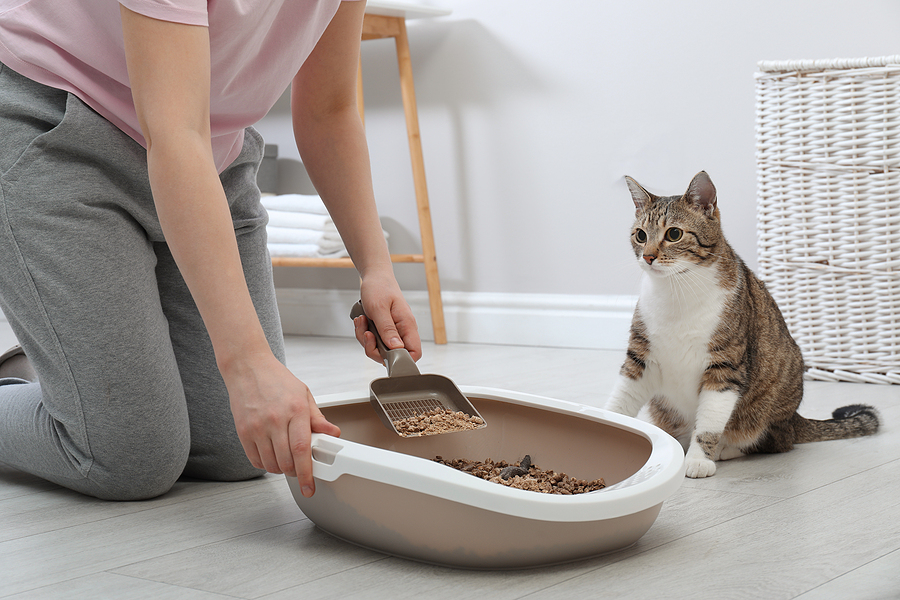
Begin by gathering the materials you need. You’ll want a trash bag or container ready to collect the used litter. Avoid flimsy bags that might tear easily. Sturdy options, like a thick garbage bag, will prevent spills and unwanted odors. When removing the litter, try scooping a little at a time. This helps minimize dust and keeps your workspace clean. If you’ve ever had to deal with a puff of litter dust, you know how unpleasant it can be. Take note of your disposal method. Are you simply tossing the bag in the trash? Consider the environment and local regulations. Some areas offer composting options for biodegradable litter. Wouldn’t it be great to contribute positively to the environment while caring for your pet?Handling Waste Properly
Now, let’s talk about waste management. Handling cat waste requires care and attention. Use gloves to avoid direct contact, keeping hygiene a priority. Consider the placement of your waste bin. Is it easily accessible yet discreet? You don’t want lingering smells in your home. Think about double-bagging the waste. Although it might seem excessive, it’s a surefire way to contain odors and prevent leaks. Have you ever experienced a torn bag and the resulting chaos? Double-bagging can save you from such mishaps. Lastly, ask yourself how often you empty the litter box. Regular disposal prevents buildup and keeps your cat happy. It’s all about finding a routine that works for you and your feline friend. Emptying the litter box doesn’t have to be a dreaded chore. With the right steps, you can handle this task efficiently and responsibly. So, are you ready to make this a seamless part of your pet care routine?Cleaning Process
Cleaning your cat’s litter box is essential for their health. It prevents bad odors and keeps your home fresh. A clean litter box also ensures your cat feels comfortable. Follow these easy steps to make the cleaning process simple and effective.
Scrubbing Techniques
Start by emptying the litter box completely. Use a scoop to remove all the litter. Once empty, rinse the box with warm water. Use a mild soap for scrubbing. A sponge or brush works best for this task. Scrub the corners and bottom thoroughly. Stubborn stains may need extra attention. Rinse again to remove all soap residues. Ensure the box is clean before drying.
Deodorizing The Box
After scrubbing, focus on deodorizing. Baking soda is a great option. Sprinkle it on the bottom of the box. Baking soda helps neutralize odors. Let it sit for a few minutes. This allows it to absorb any remaining smells. Vinegar also works well for deodorizing. Mix equal parts of vinegar and water. Spray the solution inside the box. Let it air dry completely before adding fresh litter. This ensures your cat’s box smells fresh and clean.
Drying And Maintenance
Drying and maintenance are crucial steps in keeping your cat litter box clean. Proper care ensures a healthier environment for both your cat and your home. Learn effective drying methods and regular maintenance tips to prolong the life of your cat litter box.
Proper Drying Methods
After washing, ensure the litter box is completely dry. Use a clean towel to wipe excess moisture. Place the box in a well-ventilated area. Sunlight helps in drying and sanitizing. If indoors, consider using a fan to speed up the process. Avoid putting litter in a damp box to prevent clumping.
Regular Maintenance Tips
Regular maintenance keeps odors at bay and your cat happy. Scoop waste daily to minimize smells. Wash the box weekly with warm water and mild soap. Rinse thoroughly to remove any soap residue. Inspect for cracks or damage and replace if necessary. Consider using liners for easier cleanup.
Replenishing Fresh Litter
Replenishing fresh litter is crucial for a clean cat environment. Cats prefer a tidy space, and a well-maintained litter box ensures that. Regularly replacing the litter helps control odors and promotes good hygiene. It also keeps your feline friend comfortable and happy.
Choosing The Right Litter
Different types of cat litter are available in the market. Clay, silica gel, and biodegradable options are popular. Consider your cat’s preference and any allergies. Clumping litter makes cleaning easier. Non-clumping might be less dusty. Biodegradable litter is eco-friendly. Choose what suits your cat and household needs.
Optimal Litter Depth
How much litter should you use? Too little can lead to messes. Too much may be wasteful. A depth of two to three inches works well. This allows your cat to dig comfortably. It also absorbs moisture effectively. Regularly check and adjust the depth as needed.
Common Mistakes To Avoid
Cleaning your cat’s litter box might seem simple. Yet, many make mistakes. These errors can affect your pet’s health. They also make the task harder. Let’s explore common mistakes to avoid. This will help you maintain a clean and safe environment for your cat.
Using Harsh Chemicals
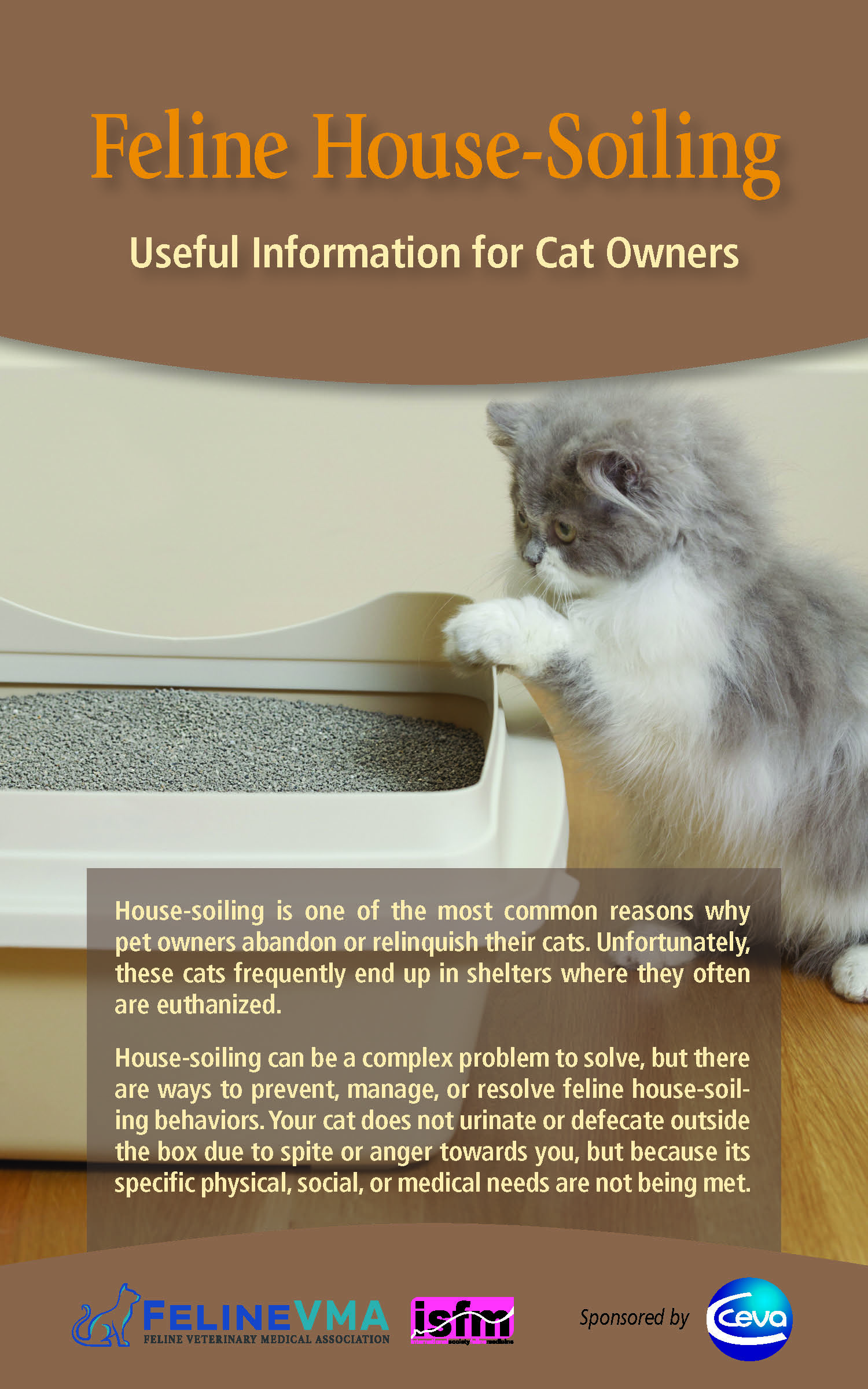
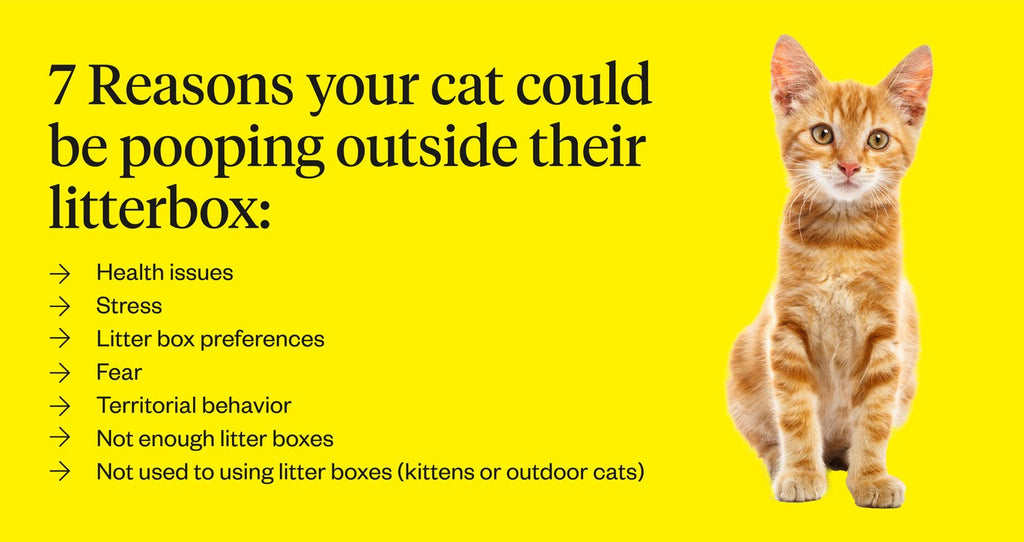
Some people use strong cleaners for the litter box. This is not safe. Cats have sensitive noses. Harsh chemicals can irritate them. They might avoid the litter box. This creates more mess around the house. Choose mild, pet-friendly cleaners instead. These are safer for both you and your cat.
Ignoring Regular Cleaning
Many owners delay cleaning the litter box. This is a mistake. Cats are clean animals. They dislike dirty litter boxes. Ignoring regular cleaning can cause health issues. It may lead to litter box avoidance. Clean the box at least once a day. Scoop out waste regularly. This keeps your cat happy and healthy.
Tips For Odor Control
Keeping your cat’s litter box clean and odor-free is essential for a fresh home. Many cat owners struggle with unpleasant smells from the litter box. Implementing effective odor control tips can make a significant difference. This section provides practical advice to help you manage litter box odors effectively.
Natural Odor Solutions
Utilize baking soda to combat litter box odors. Sprinkle a small amount over fresh litter. It absorbs smells without harming your cat. Vinegar is another excellent natural solution. Clean the litter box with a vinegar-water mixture. This neutralizes odors effectively and safely. Essential oils can offer a pleasant scent, but ensure they are safe for cats. Choose oils like lavender or chamomile, and use them sparingly.
Preventing Persistent Smells
Regular cleaning is crucial for odor prevention. Scoop the litter box daily to remove waste. This reduces smells and keeps your cat happy. Wash the litter box weekly using mild soap and water. This prevents buildup of odors and bacteria. Ensure you dry it thoroughly before adding fresh litter. Consider changing the litter brand if odors persist. Some brands offer better odor control than others. Choosing a high-quality litter can significantly reduce unpleasant smells.
Expert Advice On Frequency
Maintaining a clean cat litter box is crucial for your feline’s health. Expert advice suggests regular cleaning routines to prevent odors and bacteria. Understanding the frequency of cleaning can enhance your pet’s comfort. Let’s explore how often you should tend to your cat’s litter box.
Daily Maintenance Routine
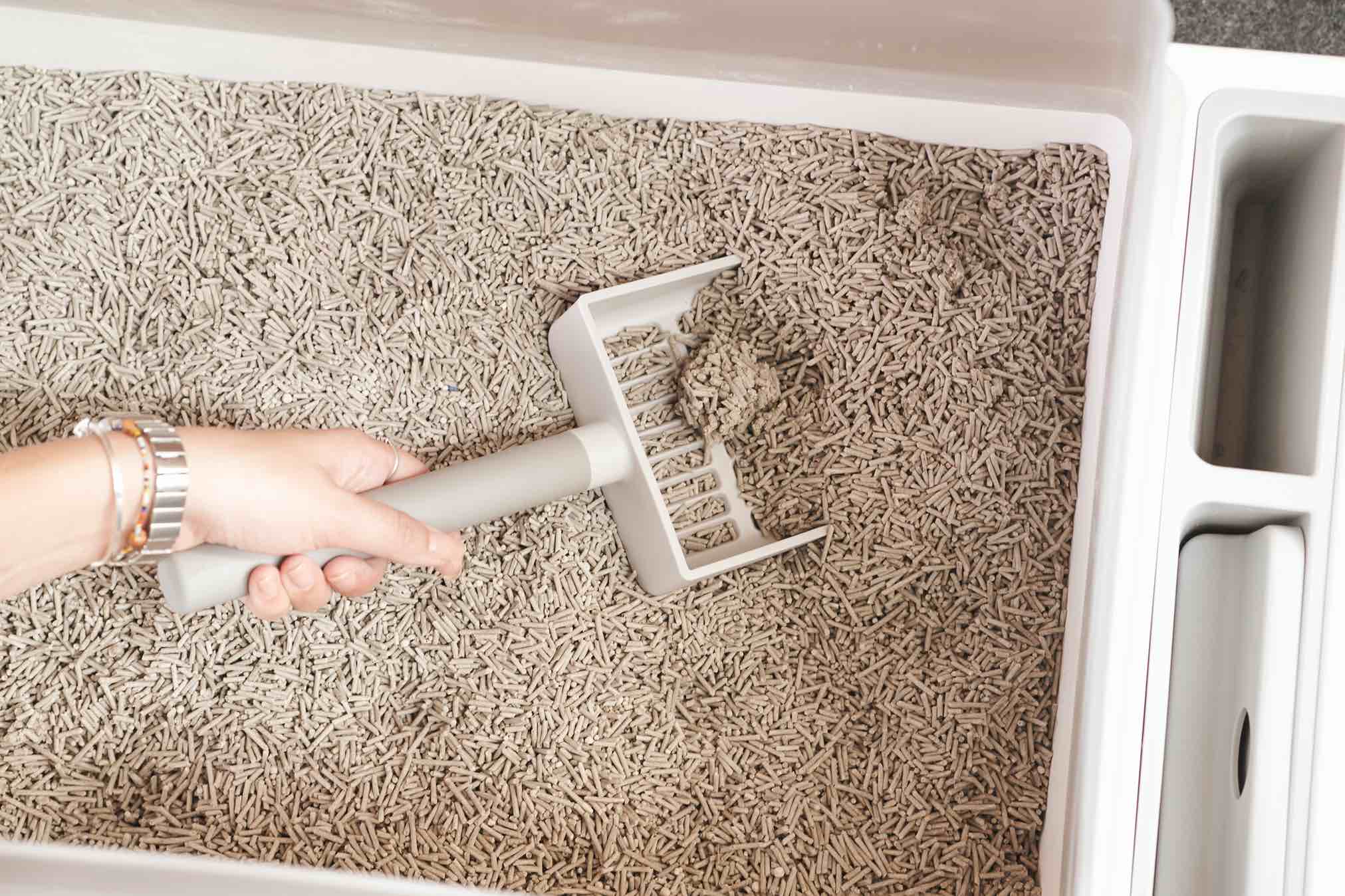
Daily attention is essential for a fresh litter box. Scoop out waste at least once a day. This reduces odors and keeps your cat happy. Use a scoop with small holes to separate waste from clean litter. Dispose of waste in a sealed bag. Add fresh litter if necessary to maintain the level. Wipe the box edges with a damp cloth. This prevents buildup of dirt and germs.
Weekly Deep Cleaning Schedule
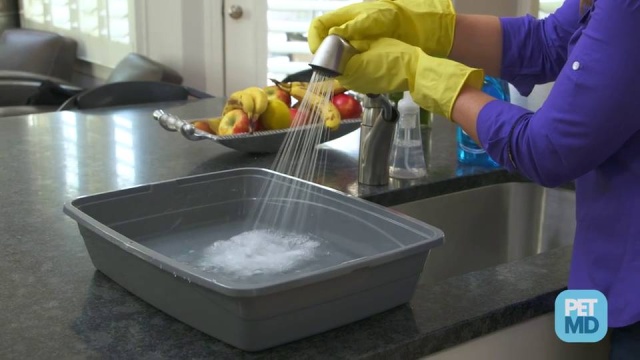
A weekly deep clean ensures a hygienic environment. Start by emptying the entire box. Use soap and water to scrub the interior. Rinse thoroughly to remove any residue. Dry the box completely before refilling. Replace the litter with fresh material. Consider using a mild disinfectant for extra cleanliness. Keep the box in a well-ventilated area. This helps in drying and reducing odors.
Credit: www.petmd.com
Frequently Asked Questions
What Is The Best Way To Clean Out A Cat Litter Box?
Scoop the litter box daily using a slotted scoop. Dispose of waste in a sealed bag. Wash the box monthly with mild soap and warm water. Dry thoroughly before refilling with fresh litter. This routine keeps the box hygienic and your cat happy.
Are You Supposed To Wash A Cat’s Litter Box?
Yes, regularly wash your cat’s litter box to maintain hygiene. Use mild soap and water, rinsing thoroughly. Ensure it dries completely before adding fresh litter. Cleaning prevents odors, bacteria growth, and keeps your cat healthy. Aim to clean every two weeks for optimal cleanliness.
How To Properly Disinfect A Cat Litter Box?
To disinfect a cat litter box, empty it and wash with hot, soapy water. Rinse thoroughly. Use a pet-safe disinfectant and let it sit for 10 minutes. Rinse again and dry completely before adding fresh litter. Clean the litter box weekly to maintain hygiene.
How Often Should You Clean An Indoor Cat Litter Box?
Clean an indoor cat litter box daily to maintain hygiene. Scoop waste and clumps for freshness. Weekly, replace litter and wash the box with mild soap and water to prevent odors. Regular cleaning ensures a healthy environment for your cat and reduces the risk of infections.
Conclusion
Keeping your cat’s litter box clean is important. It ensures a healthy home. Regular cleaning prevents odors. It also keeps your cat happy. Use mild soap and warm water. Rinse thoroughly to remove soap residue. Dry the box completely before adding fresh litter.
Consistent cleaning builds a cleaner environment. Your cat will appreciate a fresh, tidy box. A clean litter box helps avoid health issues. It also makes your home smell better. Take a few minutes weekly for this task. Your cat and household will benefit greatly.

Similar Posts