What Essential Oils are Toxic to Cats: Crucial Facts
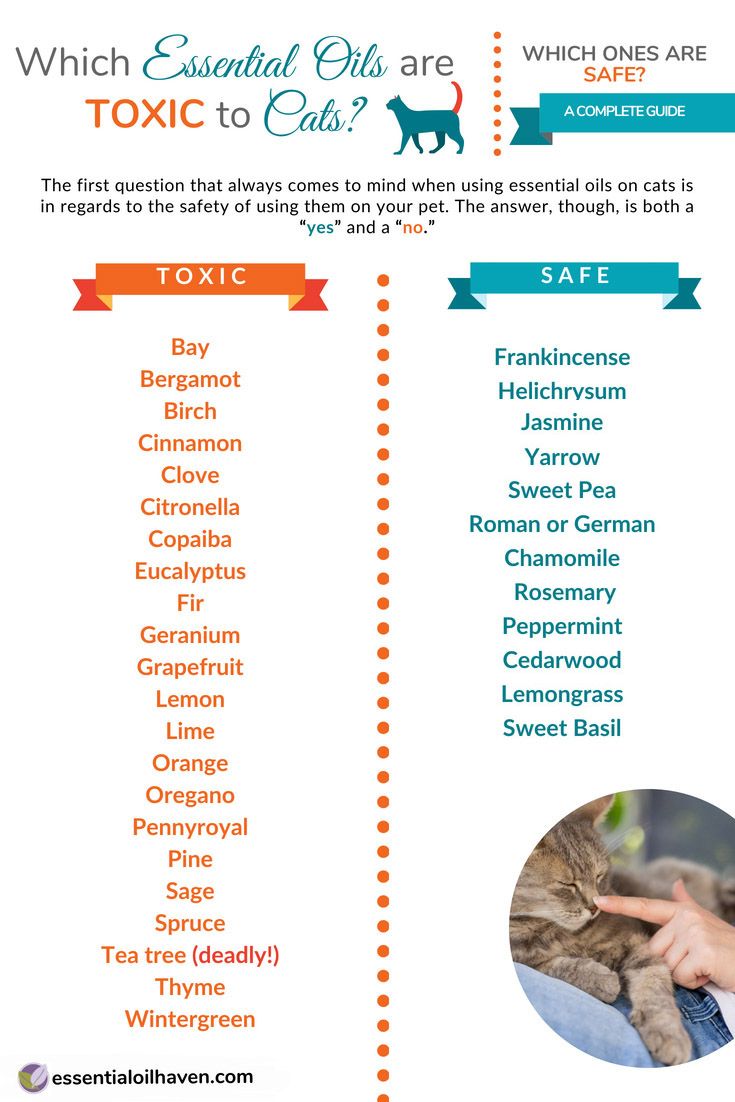
Are you a cat lover who also enjoys the soothing benefits of essential oils? You might be surprised to learn that some of these popular oils could be harmful to your furry friend.
Cats have unique biology, and their liver can’t process certain compounds found in essential oils, making some of them toxic. It’s crucial to know which oils to avoid to keep your beloved pet safe and healthy. We’ll uncover the essential oils that pose a risk to your feline companion.
By reading on, you’ll not only gain peace of mind but also become a more informed pet parent, ensuring your home remains a safe haven for your kitty. Let’s dive in and protect your pet from potential harm.
Toxicity Of Essential Oils
Essential oils have become quite popular for their calming aromas and supposed health benefits. But did you know that these oils can be toxic to cats? Cats have a unique metabolism, making them particularly sensitive to certain substances. If you’re a cat owner who enjoys using essential oils, it’s crucial to understand the potential risks to your furry friend.
Common Toxic Oils
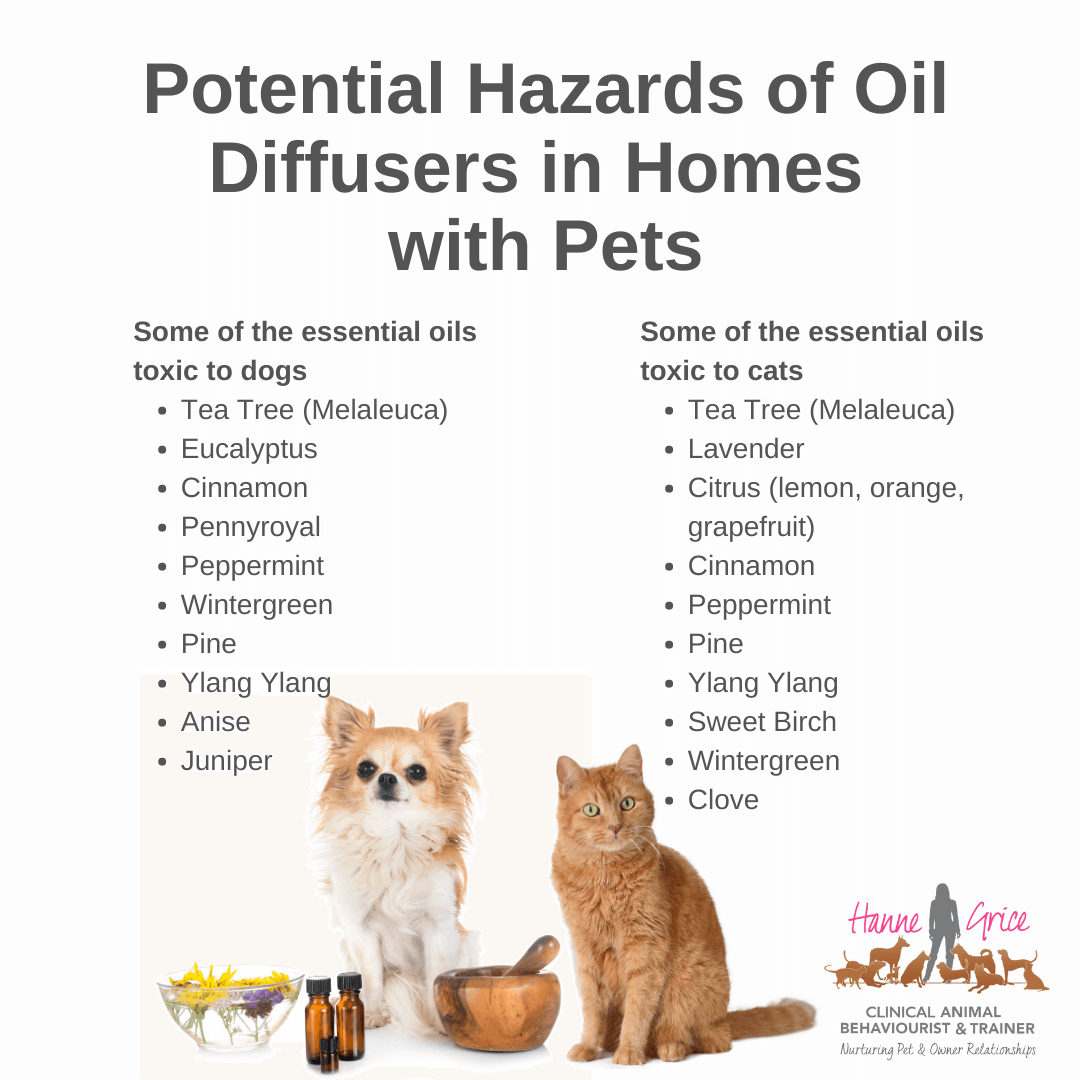
Many essential oils that we find soothing can be harmful to cats. Tea tree oil is a popular choice for its antibacterial properties, but it can be particularly dangerous to cats, leading to severe health issues. Eucalyptus and lavender are also frequently used oils that can cause harm. You might think a little peppermint oil will freshen up your home, but for cats, it can lead to respiratory distress.
Citrus oils, such as lemon and orange, are often used for their refreshing scent. However, they can be toxic to cats if ingested or absorbed through the skin. Keep your cat’s health in mind next time you decide to add a few drops of these oils to your diffuser.
Mechanisms Of Toxicity
Why are cats so sensitive to these oils? The answer lies in their liver. Cats lack certain enzymes that help break down essential oils. This means toxins can build up quickly in their system, leading to symptoms like drooling, vomiting, or even liver damage.
Inhaling oils can be just as harmful. Cats have a highly sensitive respiratory system. When they breathe in these oils, it can lead to coughing, sneezing, or difficulty breathing. Even skin contact can be risky, as oils can be absorbed and enter their bloodstream.
Have you ever noticed your cat acting strangely after you’ve used essential oils in your home? This could be a sign of toxicity. It’s crucial to monitor their behavior and consult a vet if you suspect they’ve been exposed.
Before you diffuse that next blend, ask yourself: Is it worth the risk to your cat’s health? Consider opting for safer alternatives or keeping your home well-ventilated. Your furry companion will thank you.

Credit: www.cbc.ca
Symptoms Of Toxic Exposure
Cats can show symptoms of toxic exposure to certain essential oils like tea tree, peppermint, and eucalyptus. Symptoms include drooling, difficulty breathing, and vomiting. Recognizing these signs early is important to prevent serious health issues. Always keep these oils out of reach from your feline friends.
Recognizing the symptoms of toxic exposure in cats is crucial for any pet owner using essential oils at home. Cats are particularly sensitive to certain essential oils, and even small amounts can lead to serious health issues. Identifying these symptoms early can make a difference in getting your furry friend the help they need.Physical Signs
You might notice your cat showing signs like drooling or vomiting. This could indicate they’ve ingested or absorbed a toxic oil. Skin irritation can occur if the oil has made contact with their fur or skin, leading to redness or itching. Difficulty breathing is another alarming symptom. If your cat is wheezing or coughing, it might be due to inhaling harmful vapors. In such cases, ensure proper ventilation and seek veterinary assistance. Another serious sign is the presence of tremors or seizures. These could be indications of neurological distress from toxic exposure. Immediate veterinary attention is essential if you observe these signs.Behavioral Changes
Changes in your cat’s behavior can also signal trouble. If your usually energetic cat becomes lethargic, it might be a reaction to toxic exposure. This sudden drop in energy should be a red flag. You may also notice a change in appetite. A cat refusing to eat or drinking excessively could be experiencing discomfort or pain. This is worth monitoring closely and discussing with your vet. Unusual hiding behavior can be another clue. Cats might retreat to secluded areas when they’re not feeling well. If your cat is avoiding you more than usual, consider it a sign to check for other symptoms. Have you ever noticed these symptoms in your cat? It’s important to act quickly if you suspect exposure. Sharing your observations with a vet can help diagnose the issue and ensure your pet’s safety. Keeping a close eye on both physical and behavioral changes can be the key to protecting your feline friend.Safe Oils For Cats
Essential oils can offer many benefits, but not all are safe for cats. Some oils pose serious health risks for our feline friends. Knowing which oils are safe is crucial. This ensures the well-being of your pet. Safe oils can provide comfort and calm without harm. Let’s explore some recommended options and guidelines for safe use.
Recommended Options
Lavender oil is a safe option for cats. It is calming and gentle. Chamomile oil can also be used. It helps with relaxation and stress relief. Frankincense oil is another safe choice. It has soothing properties. These oils are less likely to cause harm when used correctly.
Dilution Guidelines
Always dilute essential oils before use. This reduces the risk of irritation. A common rule is one drop of essential oil per teaspoon of carrier oil. Coconut oil or olive oil are good carriers. Test a small amount first. Watch your cat for any reactions.
Preventing Toxic Exposure
Cats are sensitive to many essential oils, which can be toxic. Oils like tea tree, eucalyptus, and lavender pose risks. Always keep these oils away from your feline friends to ensure their safety and well-being.
Preventing toxic exposure to essential oils is crucial for cat owners. Cats are sensitive creatures. Some oils can harm them. Understanding how to prevent exposure is key. Simple steps can keep your feline friend safe. Follow these guidelines for peace of mind.Safe Usage Tips
Always dilute essential oils before use. Undiluted oils are potent and risky. Use a diffuser for short periods only. Keep the room well-ventilated. Avoid direct contact with your cat’s skin or fur. Never apply oils on your cat. Monitor your cat’s behavior around diffusers. If they seem uncomfortable, stop using the oil.Storage Precautions
Store essential oils in a secure place. Use cabinets or shelves out of reach. Ensure containers are tightly sealed. Spills can be dangerous for cats. Label all bottles clearly. Avoid mixing oils without proper knowledge. Check for leaks regularly. Keep oils away from food and water sources. Make sure the storage area is cool and dry.Emergency Response
Essential oils provide therapeutic benefits for humans but can be toxic to cats. Cats metabolize substances differently than humans. Some essential oils can harm their liver. Knowing how to respond in emergencies is crucial. Quick action can save your cat’s life.
Immediate Actions
Notice symptoms of essential oil exposure. Look for drooling, vomiting, or breathing difficulty. Move the cat to a safe area. Ventilate the room to eliminate fumes. Use fans or open windows. Remove any essential oil spills. Wash affected skin with water. Avoid using soap. It can worsen irritation. Ensure the cat doesn’t ingest the oil. Monitor the cat’s behavior closely.
When To Contact A Veterinarian
Contact a veterinarian immediately if symptoms persist. Call if your cat appears lethargic or has seizures. The vet can offer specific guidance. Provide details about the oil involved. Mention the exposure method. Knowing these helps the vet offer better treatment. Quick veterinary intervention can prevent severe complications. Always keep emergency numbers handy.
Credit: www.hannegrice.com
Expert Insights
Lavender, peppermint, and tea tree oils pose risks to cats. These oils can cause serious health issues. Protect your feline friends by avoiding these toxic essential oils.
When it comes to the safety of your feline friend, understanding which essential oils are toxic to cats is crucial. As a cat owner, you might already be aware of the potential dangers certain household items can pose. Essential oils, often celebrated for their calming and therapeutic benefits, can be surprisingly harmful to your pet. Through expert insights, you’ll gain a clearer understanding of which oils to avoid and why.Veterinarian Opinions
Veterinarians unanimously agree that some essential oils can be extremely toxic to cats. Tea tree oil, eucalyptus, and lavender are among the top offenders. Cats lack certain enzymes needed to process these substances, making even small amounts dangerous. Speaking with my local vet, I learned that many cat owners unintentionally put their pets at risk by using diffusers or applying oils to their own skin. It’s essential to consult with your vet before using any oils in your home.Research Findings
Recent studies highlight the adverse effects of essential oils on cats. Research shows that exposure can lead to symptoms like drooling, vomiting, and even liver failure. Cats are particularly sensitive to phenols and ketones, compounds found in many essential oils. A study published in a veterinary journal revealed that even indirect exposure, such as inhaling diffused oils, can pose significant health risks. This is especially true in confined spaces where ventilation is limited. Knowing these facts, have you checked if your home is safe for your cat? Consider reading labels carefully and ensuring any essential oils you use are stored securely out of reach. Small adjustments can make a world of difference in keeping your feline companion safe and healthy.
Credit: www.thesprucepets.com
Frequently Asked Questions
What Essential Oil Scents Are Toxic To Cats?
Tea tree, eucalyptus, citrus, peppermint, lavender, cinnamon, and pine essential oils are toxic to cats. These oils can cause adverse reactions, including respiratory issues and skin irritation. Always consult a veterinarian before using essential oils around your feline friends to ensure their safety.
Is It Okay To Diffuse Essential Oils Around Cats?
Diffusing essential oils around cats can be risky. Some oils are toxic to cats. Always consult a vet before use. Ensure proper ventilation and observe your cat’s reactions. Prioritize your pet’s safety to avoid potential health issues.
What Essential Oils Are Bad For Animals To Breathe In?
Some essential oils harmful for animals to breathe include tea tree, eucalyptus, peppermint, pine, and citrus oils. These can cause respiratory issues or toxicity. Always consult a vet before using essential oils around pets to ensure their safety.
Are Plug-in Diffusers Toxic To Cats?
Plug-in diffusers can be toxic to cats if they contain essential oils. Cats have sensitive livers and can’t metabolize certain oils. Always check ingredients and consult your vet before using diffusers around cats. Choose pet-safe options to ensure your cat’s safety.
Conclusion
Caring for cats means understanding their needs and safety. Essential oils pose risks to our feline friends. Some oils can harm your cat’s health. Always check labels and consult a vet. Keep oils out of reach and use with caution.
A safe home ensures a happy cat. Educate yourself about these oils for your pet’s well-being. Their safety depends on your knowledge and actions. Protect them from harmful substances. Your careful choices make a big difference. Stay informed and create a safe environment.
Your cat’s health is important. Love and caution go hand in hand.

Similar Posts