How Often Should I Change My Cats Litter: Essential Tips
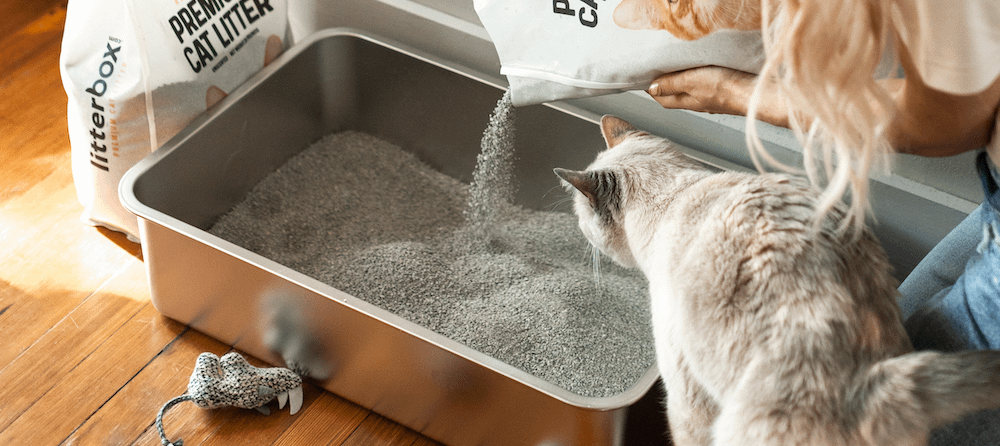
As a cat owner, you want the best for your furry friend. One key aspect of ensuring their happiness and health is maintaining a clean litter box.
But how often should you change your cat’s litter? This question might seem simple, yet it holds the secret to a cleaner home and a happier cat. A clean litter box doesn’t just protect your cat’s paws; it also prevents odors from invading your living space.
Imagine a home where the only scent is the fresh aroma of your favorite candle, not the lingering smell of an unattended litter box. Dive into this guide to discover the perfect litter-changing schedule that keeps both you and your cat content. Your cat’s comfort and your home’s freshness depend on it!
Factors Affecting Litter Change Frequency
Changing your cat’s litter is more than just a routine task; it’s an essential part of maintaining a clean and healthy environment for both you and your feline friend. But how often should you change it? The frequency can vary based on several factors. Understanding these can help you create the best litter management plan for your home.
Number Of Cats
The more cats you have, the quicker the litter box fills up. If you have multiple cats, you might find yourself changing the litter more often than a single-cat household. Consider the dynamics of your feline family. One cat may be more dominant and use the litter box more frequently, leading to faster accumulation.
Type Of Litter
Not all litters are created equal. Some are designed to be longer-lasting, while others need frequent changes. Clumping litter generally allows for easier removal of waste, extending the time between full changes. If you use non-clumping litter, you may find that smells and moisture build up quicker. Test different types to see what works best for your cats.
Litter Box Size
A larger litter box can hold more litter, possibly allowing for less frequent changes. However, a bigger box doesn’t mean you should let it go without cleaning. The surface area matters, but so does the depth of the litter. Make sure your litter box fits your cat’s needs and your cleaning routine.
Cat’s Health And Diet
Your cat’s health and diet can significantly impact how often you need to change the litter. A diet high in fiber can lead to more frequent bowel movements. Similarly, health issues like urinary tract infections might require you to change the litter more often to maintain cleanliness and monitor your cat’s health.
Are there any other factors you’ve noticed that affect how often you change your cat’s litter? Your experiences could provide valuable insights for other cat owners. Adjusting your routine to fit your specific situation can make a big difference in your cat’s comfort and your home’s freshness.
Signs It’s Time To Change The Litter
Keeping your cat’s litter box clean is essential for their health and happiness. But how do you know when it’s time for a change? Recognizing the signs can make all the difference in maintaining a fresh and inviting environment for your feline friend. Let’s delve into the tell-tale signs that indicate it’s time to refresh your cat’s litter.
Odor Issues
One of the most obvious signs is an unpleasant smell. If you walk into the room and notice a strong ammonia or musty odor, it’s a clear indicator that the litter needs changing. Remember, a fresh litter box should not overpower the room with its scent.
Think about your own comfort; you wouldn’t want to use a bathroom that smells. Cats are no different. They appreciate a clean and odor-free space just as much as you do.
Litter Box Avoidance
Is your cat suddenly refusing to use the litter box? This could be a sign that the litter is not to their liking. Cats are particular about their hygiene, and a dirty box can lead them to find alternative spots around your home.
Keep an eye on your cat’s behavior. If they’re avoiding the box, it’s time for a clean-up. A quick change could save you from dealing with unwanted messes elsewhere.
Visible Waste Accumulation
Take a quick look at the litter. Do you see clumps or waste piling up? Visible waste is a sure sign that it’s time to refresh the litter. A tidy box not only keeps your cat happy but also prevents bacteria buildup.
Regular scooping can help, but once you notice an accumulation, a full litter change is necessary. This ensures a hygienic environment for your pet.
Maintaining a clean litter box is a simple task that can have a big impact on your cat’s well-being. Pay attention to these signs, and your cat will thank you with purrs and contentment. How often do you check your cat’s litter box for these signs? It might be time to add a regular schedule to your routine.
Daily Maintenance Tips
Maintaining your cat’s litter box daily ensures a clean environment. It prevents odors and keeps your cat happy. Regular upkeep can also prolong the litter’s lifespan. Below are essential tips for daily litter maintenance.
Scooping Techniques
Effective scooping is key to a clean litter box. Scoop the box at least once daily. Use a sturdy scoop for efficiency. Target clumps and waste thoroughly. This prevents buildup and maintains hygiene. Dispose of waste promptly to avoid smells.
Managing Odors
Odor control is crucial for a fresh atmosphere. Use baking soda to reduce smells. Sprinkle a small amount over the litter. This neutralizes odors without harming your cat. Consider using scented litter for additional freshness. Ensure your cat is comfortable with the scent.
Monitoring Litter Level
Keeping an eye on the litter level is important. Ensure there is enough litter for your cat to cover waste. Maintain a depth of about three inches. Add more litter if levels are low. Replenishing regularly helps in odor control. It also provides your cat with a comfortable space.
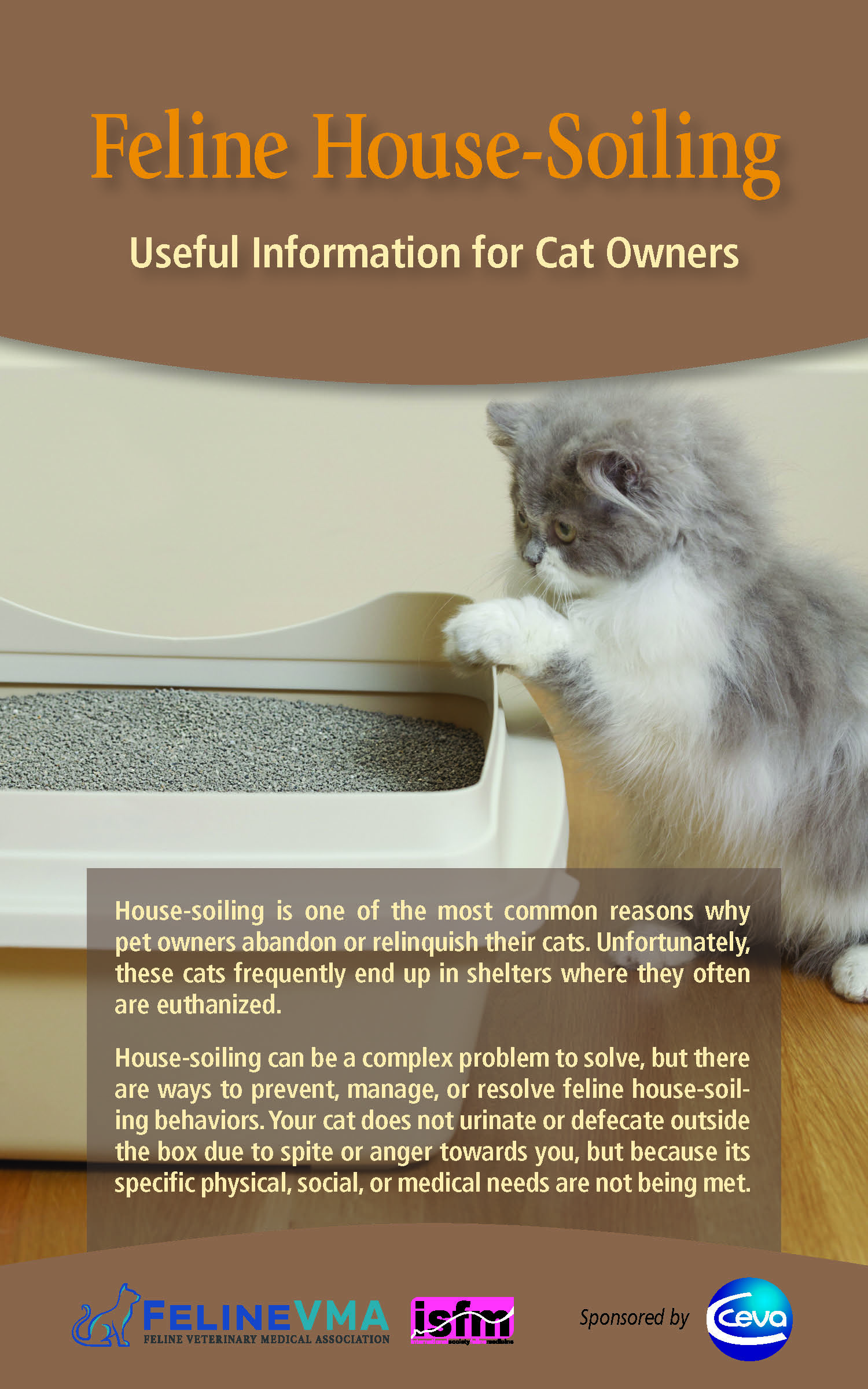
Credit: rrvetcollege.org
Weekly And Monthly Deep Cleaning
Keeping your cat’s litter box clean is essential for both your pet’s health and your household’s comfort. While daily scooping is crucial, weekly and monthly deep cleaning ensures a hygienic environment. It might seem like a chore, but once you establish a routine, it becomes a simple part of your pet care. Do you ever wonder how often you should dive into a deeper cleaning of your cat’s litter box?
Emptying And Scrubbing
Begin by completely emptying the litter box. This step allows you to thoroughly clean areas that daily scooping might miss. It’s surprising how much grime can accumulate in corners and crevices.
Use warm water and mild soap to scrub the box. Ensure you remove all residue and odors. A clean litter box can make a big difference in your cat’s health and happiness. Does your cat ever refuse to use the litter box? A thorough scrub might encourage better habits.
Disinfecting The Litter Box
After scrubbing, disinfect the box to kill any lingering bacteria. Choose a pet-safe disinfectant to avoid harming your cat. This step is crucial for preventing infections and odors.
Let the disinfectant sit for a few minutes before rinsing thoroughly. This ensures effectiveness and safety. A clean, disinfected box creates a fresh environment your cat will love.
Replacing Litter Completely
Once the box is clean and dry, refill it with fresh litter. Consider using a different type if your cat shows signs of discomfort or allergies. Fresh litter keeps your cat’s environment inviting and sanitary.
Experiment with different brands and textures to find what your cat prefers. A change in litter can sometimes solve issues like inappropriate elimination. Have you noticed a difference when switching litter types?
Incorporating weekly and monthly deep cleaning into your routine doesn’t just improve sanitation; it strengthens your bond with your furry friend. You might even find your cat more relaxed and content when their space is clean. Is your cleaning routine keeping up with your cat’s needs?
Choosing The Right Litter
Your cat’s comfort and health are directly impacted by the type of litter you choose. With so many options available, it can be overwhelming to select the perfect one. But fear not! By understanding the different types of litter, you can make an informed decision that suits both your cat’s needs and your lifestyle. Let’s dive into the specifics of choosing the right litter.
Clumping Vs. Non-clumping
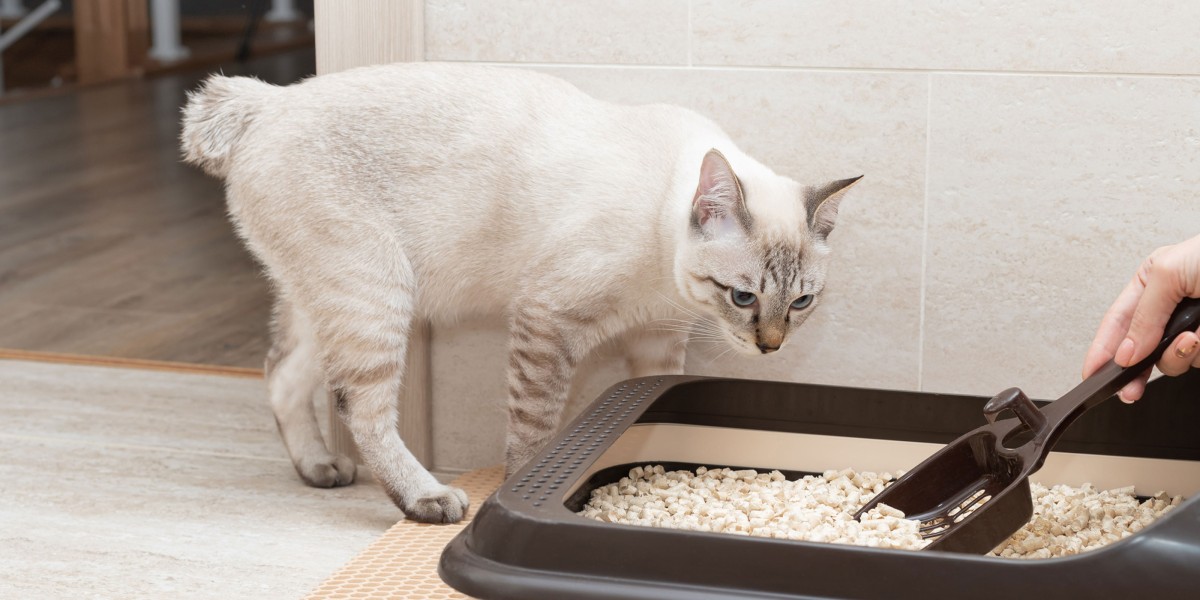
Clumping litter is popular for its ease of cleaning. It forms solid clumps when wet, making it simple to scoop out waste and keep the box tidy. This type is great for those who prefer a quick and straightforward cleaning routine.
Non-clumping litter, on the other hand, absorbs moisture but doesn’t form clumps. It’s often less expensive and may need to be changed more frequently. Some cat owners find non-clumping varieties better for odor control.
Natural And Eco-friendly Options
Concerned about the environment? Consider natural litter options like corn, wheat, or pine. These are biodegradable and often free from harmful chemicals, offering a safer choice for your pet and the planet.
Eco-friendly litters may also emit less dust, which is beneficial for cats with respiratory issues. Choosing natural litter could be your small contribution to reducing waste.
Dust-free And Low-tracking Varieties
Dust can be a nuisance, both for you and your cat. Dust-free litters help keep the air clean and reduce the risk of allergies. If you’ve noticed your cat sneezing or avoiding the box, dust might be the culprit.
Low-tracking litters are designed to minimize the mess outside the litter box. They can save you from constant sweeping and vacuuming. Who wouldn’t want a cleaner home?
So, what matters most to you and your cat? Whether it’s easy cleaning, environmental impact, or keeping your home tidy, the right litter can make all the difference. Can you imagine a cleaner, fresher space with a happy cat? Give these options a try, and see the change for yourself!
Credit: www.purina.com
Environmental And Budget Considerations
Changing your cat’s litter impacts both the environment and your wallet. Balancing these considerations helps in making informed decisions. Choosing the right litter can reduce waste and save money. Explore cost-effective options and sustainable practices. This ensures a healthier planet and a happier pet.
Cost-effective Choices
Selecting affordable cat litter can significantly cut household expenses. Clay litter is a popular choice due to its low price. It absorbs moisture well, reducing the need for frequent changes. Clumping litter, although slightly pricier, lasts longer. It allows for easy removal of waste, keeping the box fresh longer.
Buying in bulk further reduces costs. Many stores offer discounts for larger quantities. Seek out sales or coupons for additional savings. Some brands offer subscription services with regular discounts. This strategy ensures a steady supply and consistent savings.
Sustainable Practices
Environmental impact is crucial in litter selection. Biodegradable litter options are increasing in popularity. These include materials like wood, corn, or recycled paper. They break down naturally, posing less harm to the planet.
Look for litter brands committed to eco-friendly practices. Some companies use sustainable sourcing and production methods. Supporting such brands reduces your carbon footprint. This choice benefits the environment while keeping your pet comfortable.
Reducing Waste
Minimizing waste contributes to a cleaner environment. Composting biodegradable litter can be an effective solution. Ensure it is safe for plants if you choose to use it in a garden.
Regularly clean the litter box to prevent waste buildup. Scoop waste daily to maintain freshness and hygiene. This practice reduces the need for frequent complete changes. It extends the litter’s lifespan, benefiting both budget and environment.
Promoting Healthy Litter Box Habits
Keeping your cat’s litter box clean is crucial for their health. Change the litter every two to three weeks. Regular cleaning prevents odors and keeps your cat happy.
Promoting healthy litter box habits is crucial for your cat’s well-being and your peace of mind. A clean and inviting litter box encourages regular use and minimizes stress for your feline friend. By understanding how often to change your cat’s litter, you can prevent common litter box problems and keep an eye on your cat’s behavior for any signs of distress.Encouraging Regular Use
Cats are creatures of habit. They prefer a clean and familiar environment when doing their business. Changing the litter frequently promotes regular use by ensuring the box is always inviting. A dirty or smelly litter box can drive your cat to find other, less desirable places to relieve themselves. Aim for scooping daily and a full litter change at least once a week to keep things fresh.Preventing Litter Box Problems
An unclean litter box can lead to problems like urinating outside the box or even health issues like urinary tract infections. By maintaining a clean box, you reduce the risk of these problems. Consider the type of litter you use. Clumping litter, for example, makes it easier to remove waste without having to change all the litter frequently. This can help maintain a clean environment without constant full changes.Observing Changes In Behavior
How often do you notice your cat using the litter box? Changes in frequency or behavior can indicate health issues or stress. If you see your cat avoiding the litter box, it might be time to change the litter or even consult a vet. Pay attention to the signs. Scratching excessively around the litter box or vocalizing while using it can be red flags. Keep a close eye on these behaviors and adjust the litter box routine as needed. In my experience, my cat once started avoiding the litter box because I was trying a new type of litter. It was a simple fix—switching back to the original litter type—but it taught me to stay alert to his preferences and comfort. Have you ever noticed your cat’s preferences changing?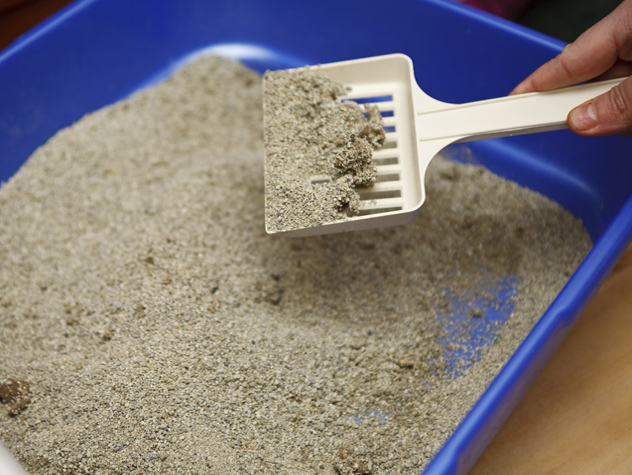
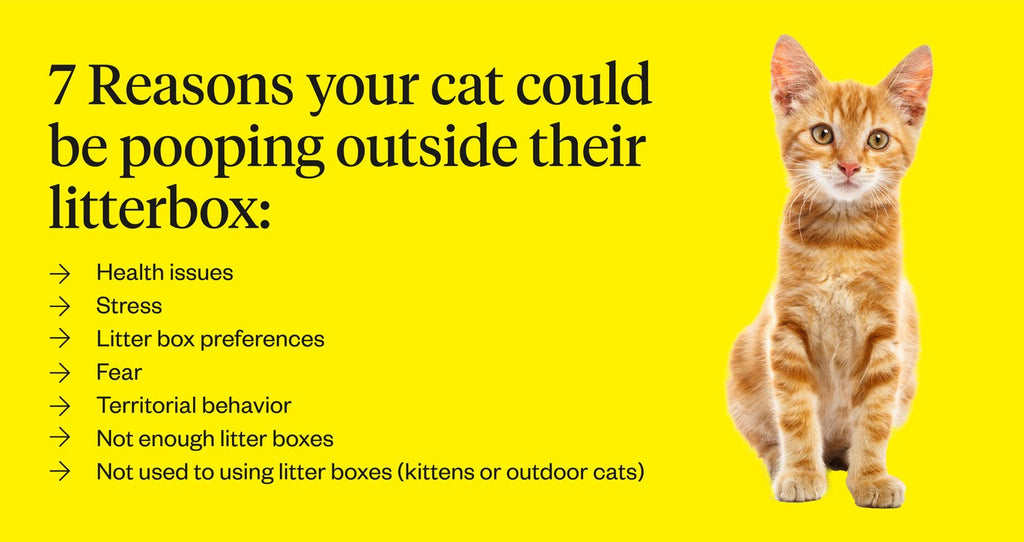
Credit: www.petfinder.com
Frequently Asked Questions
How Often Should You Fully Change Kitty Litter?
Change kitty litter fully once every two weeks. Monitor for smells and clumps to adjust frequency. Keep the litter box clean to ensure a healthy environment for your cat. Regular maintenance can prevent odor and promote your pet’s well-being. Always use quality litter for optimal results.
How Frequently Should I Clean Cat Litter?
Clean the cat litter box daily to maintain hygiene. Scoop out waste and clumps to reduce odor. Replace litter weekly or as needed for freshness. Regular cleaning ensures a healthy environment for your cat and reduces bacterial buildup.
How Often Should I Change Cat Litter?
Ideally, change your cat’s litter every week. This prevents odors and maintains cleanliness. Scoop daily to remove waste. Regular cleaning helps to keep your cat healthy. Consider factors like litter type and number of cats. Keeping litter fresh ensures a happy and comfortable environment for your pet.
What Is The Best Litter Changing Routine?
Develop a routine based on your cat’s needs. Daily scooping is essential for cleanliness. Weekly litter changes are recommended. This routine helps to minimize odors. Monitor litter box usage for adjustments. Ensure your cat’s comfort by maintaining a consistent schedule.
A regular routine promotes a healthy living space for your cat.
Conclusion
Changing your cat’s litter is crucial for their health. Clean litter means fewer germs. Cats love clean spaces. They feel happier and more comfortable. Check the litter box daily. Scoop waste often. Change the litter weekly for best results. Watch your cat’s behavior.
It tells you if the litter needs attention. A clean box keeps smells away. Keeps your home fresh. Your cat deserves a clean environment. It’s a simple task that shows care. Regular maintenance prevents issues. Keeps your pet happy and healthy.
Prioritize cleanliness for your cat’s well-being. It’s worth the effort.

Similar Posts