Do Cats Drool When Stressed? Unveiling Feline Behavior
Picture this: your usually composed cat is suddenly drooling, and it’s not because they’re eyeing their favorite treat. You might find yourself puzzled, wondering what’s going on.
Could stress be the culprit? If you’re a cat owner, you know that understanding your feline friend’s behavior can be a bit of a mystery. But don’t worry, you’re not alone. Many cat owners have noticed this strange behavior and are eager to learn more.
We’ll unravel the reasons why cats drool when stressed, and how you can help your furry companion feel more at ease. Stick with us, and you’ll discover insights that could transform how you care for your pet, ensuring a happier, healthier life for both of you.
Causes Of Drooling In Cats
Cats are fascinating creatures, each with their own quirks and behaviors. Drooling is one such behavior that can leave many cat owners puzzled. While drooling can be a normal reaction for some felines, it can also signal health issues or stress. Understanding the causes of drooling in cats helps you ensure their well-being and comfort.
Normal Drooling
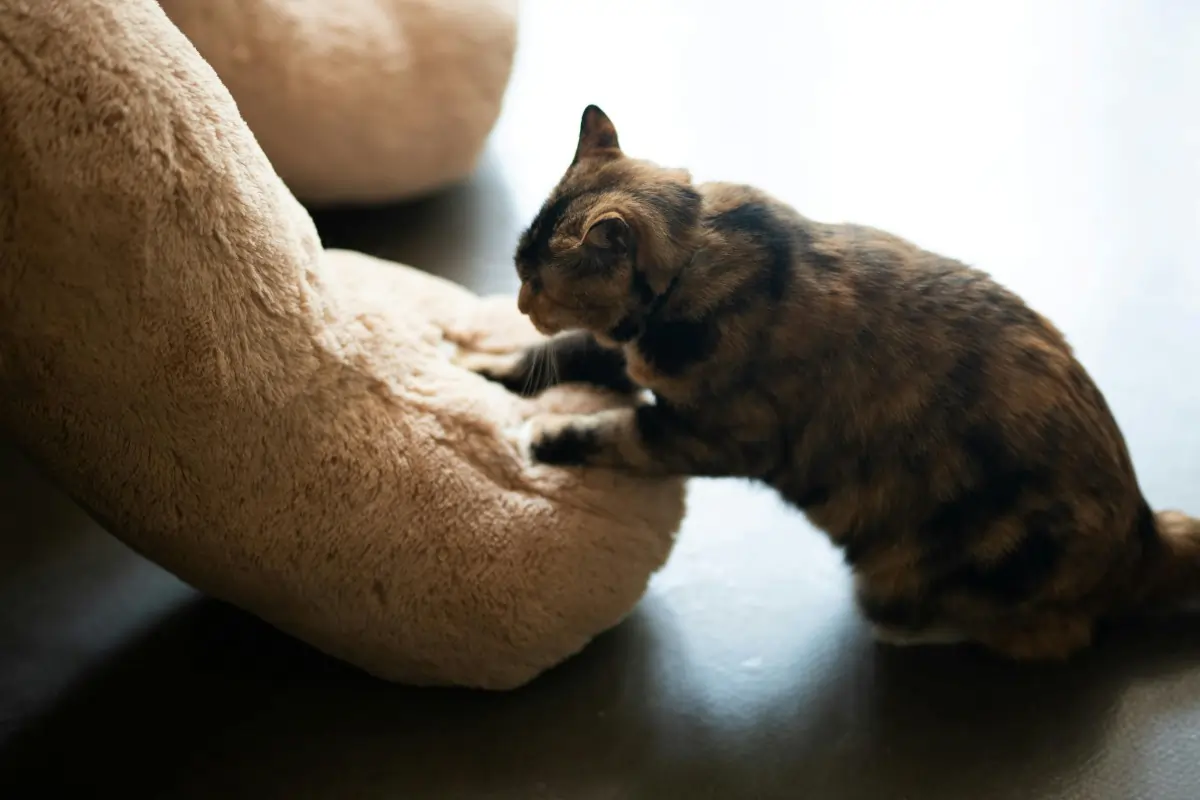
Some cats drool when they are particularly relaxed and content. You might notice this when your furry friend is purring and kneading, especially during a cozy cuddle session.
Think about the last time you saw your cat blissfully snoozing in a sunbeam. Did you spot a tiny drool puddle? This type of drooling is similar to humans salivating when they see their favorite dish. It’s a sign of happiness.
If your cat only drools occasionally during moments of extreme relaxation, you likely have nothing to worry about. It’s their way of saying, “I’m in my happy place.”
Drooling Due To Health Issues
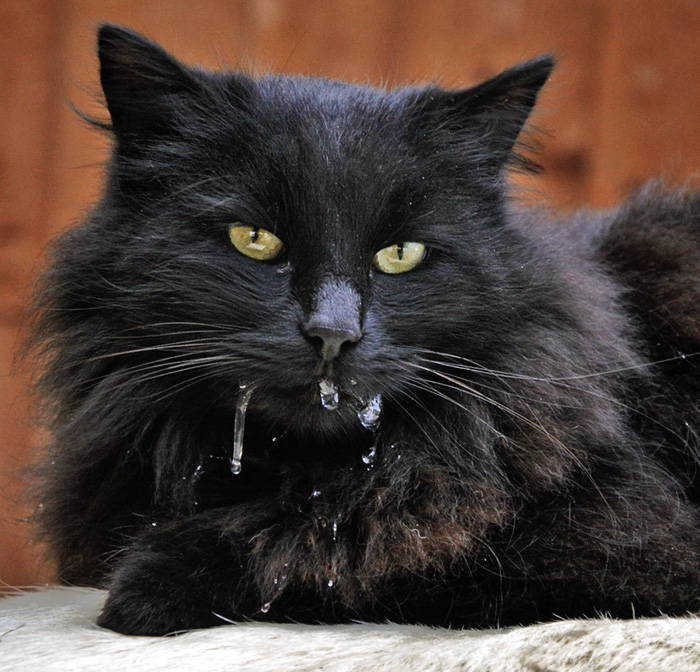
Drooling can sometimes indicate a health problem. Have you ever noticed your cat drooling excessively? This might be a red flag for dental issues or mouth infections.
Another potential cause is nausea. Cats can drool if they are feeling under the weather or experiencing an upset stomach. Pay attention if your pet seems lethargic or is off their food.
Parasites and toxins can also lead to drooling. If your cat has ingested something they shouldn’t have, drooling is often accompanied by other symptoms like vomiting or diarrhea. This requires immediate attention.
As a cat owner, it’s crucial to observe your pet’s behaviors and patterns. Does your cat drool when they’re stressed? Identifying triggers can help you manage their environment and reduce anxiety.
Why not take a moment to recall your experiences with your cat drooling? Could it be a sign of stress or a health issue? Your observations are key to ensuring your pet’s health and happiness.
Credit: www.catwatchnewsletter.com
Stress-induced Drooling
Cats sometimes drool when stressed due to anxiety or fear. This reaction is a response to uncomfortable situations. Observing your cat’s behavior can help identify stress triggers.
Cats are fascinating creatures, each with their own unique quirks and behaviors. One behavior that can puzzle cat owners is drooling. While drooling is common when cats are relaxed, it can also indicate stress. If you’ve ever noticed your feline friend drooling outside of their usual cuddle time, it might be worth considering if stress is the culprit. Understanding the signs and reasons behind stress-induced drooling can help you address the underlying issues and ensure your cat’s comfort and well-being.Signs Of Stress In Cats
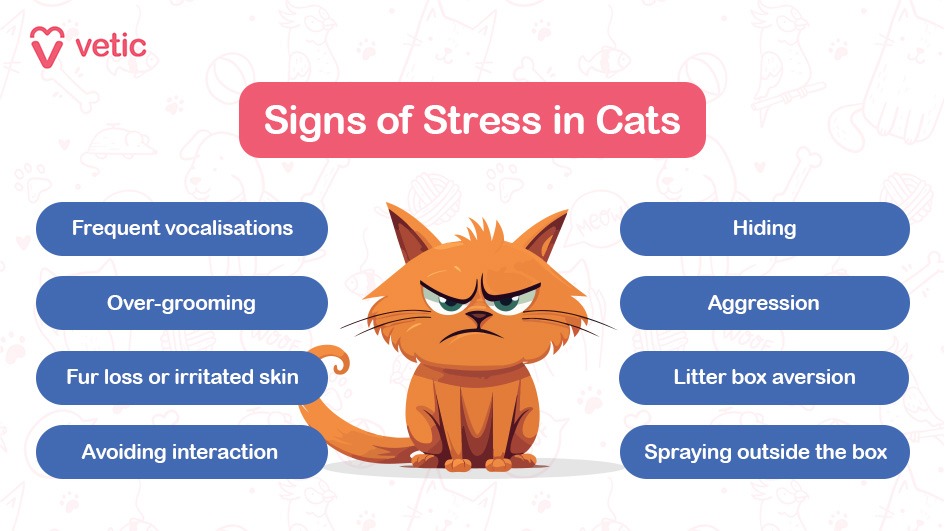
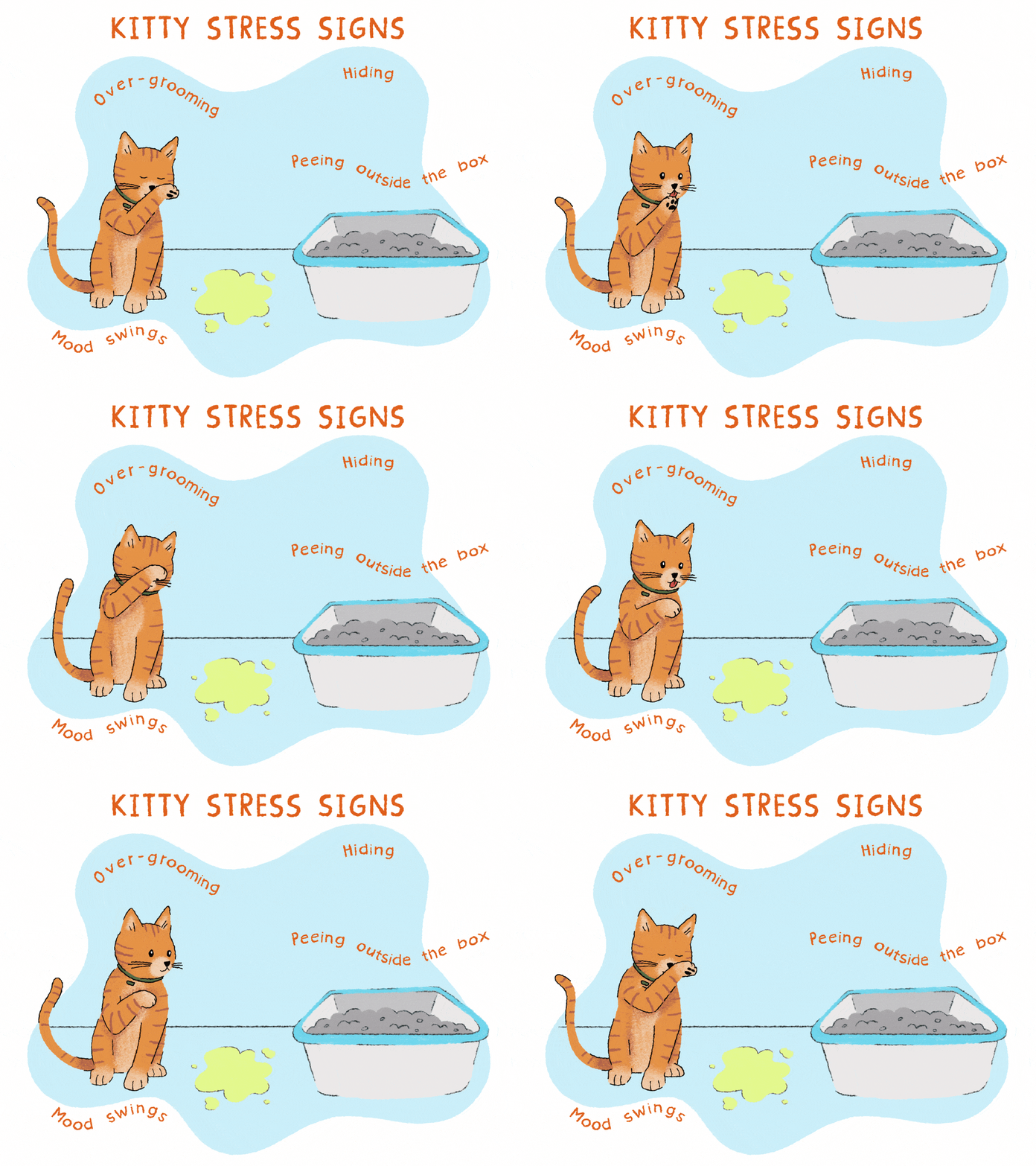
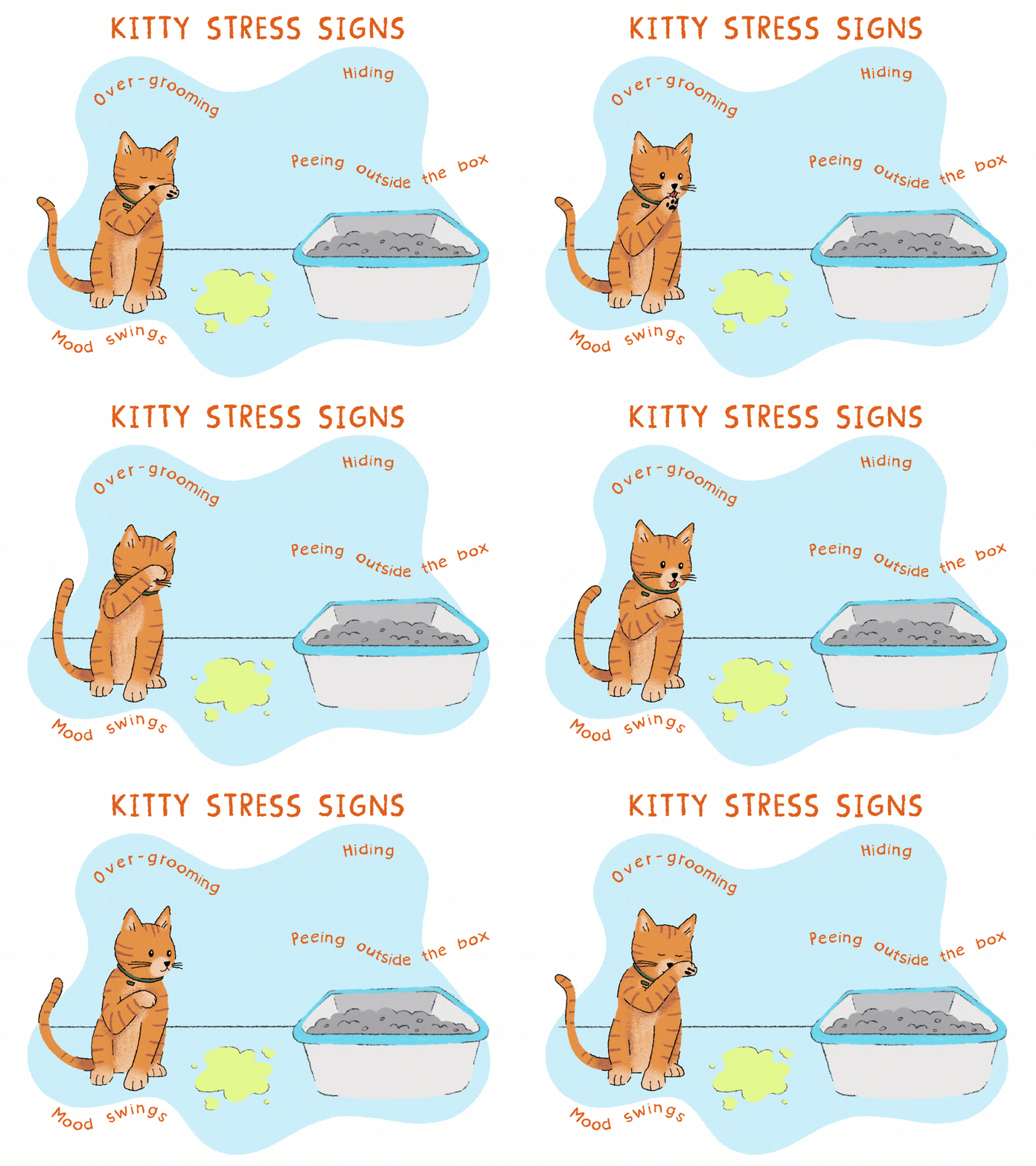
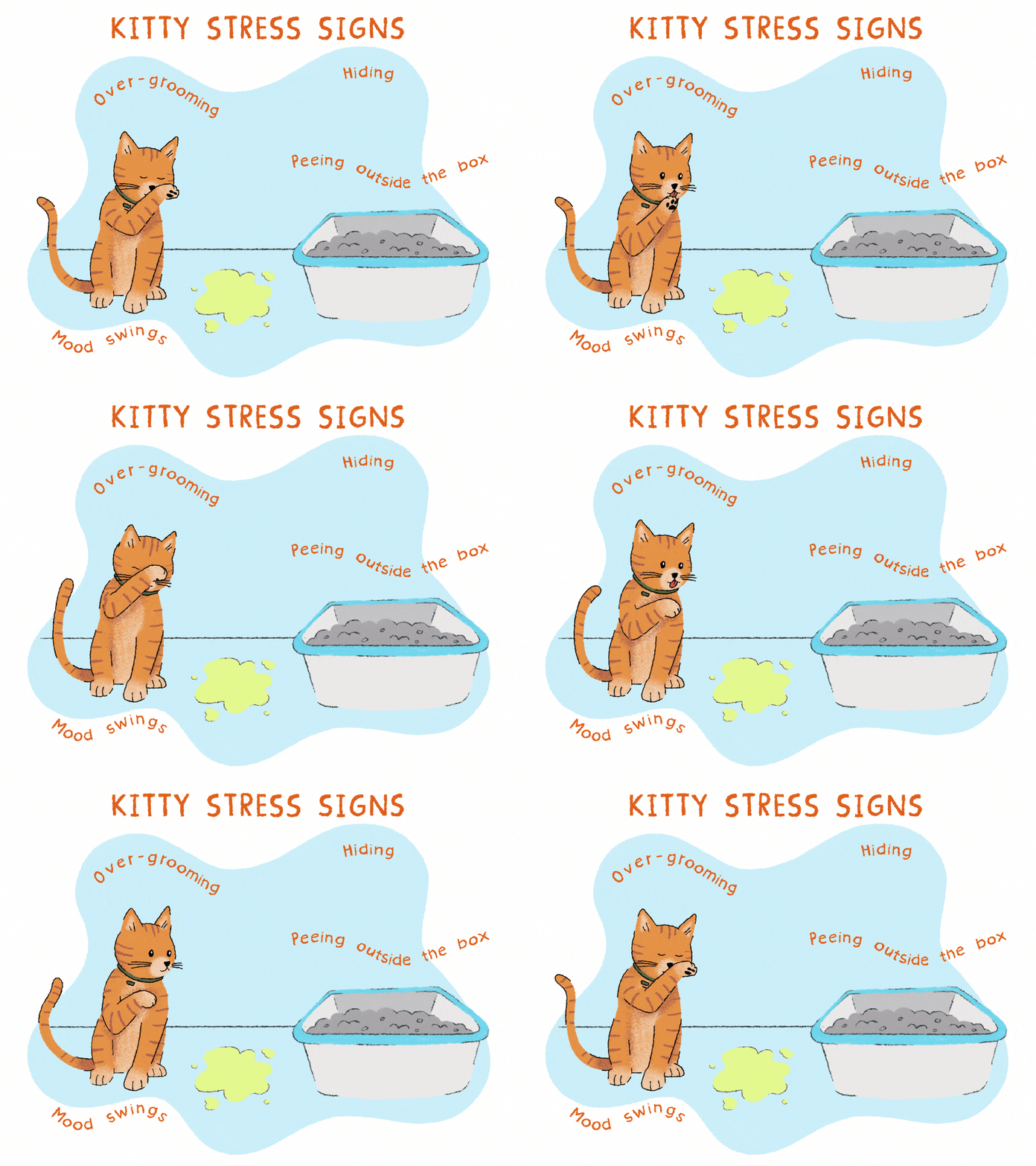
Cats, despite their independent nature, are quite sensitive to changes in their environment. Stress can manifest in various ways, not just through drooling. – Changes in appetite: Your cat might eat less or more than usual. – Increased hiding: They might seek out quiet, secluded spots more often. – Excessive grooming or scratching: This can lead to bald patches or skin irritation. – Aggression or withdrawal: Your cat might become more irritable or shy away from interaction. Have you noticed any of these behaviors in your cat? Recognizing these signs can be the first step in alleviating their stress.Why Stress Leads To Drooling
Stress affects cats both mentally and physically. When a cat is stressed, its body reacts in ways similar to humans. The salivary glands can become overactive, leading to drooling. It’s a physical response to the internal turmoil they might be experiencing. I once had a cat named Whiskers who started drooling excessively after we moved to a new apartment. Initially, I thought it was a dental issue. But after observing his increased hiding and reduced appetite, it became clear that the move had stressed him out. Have you moved recently, introduced a new pet, or changed your routine? These can all be stressors for your cat. Understanding the root cause can help you address it effectively. To ensure your cat’s happiness, consider their environment and daily interactions. Simple changes like providing a quiet space or maintaining a routine can make a huge difference. Your cat’s drooling might just be a call for a little extra love and care.Identifying Stress In Cats
Identifying stress in cats can be challenging for pet owners. Cats often hide their discomfort well. Understanding their subtle signs is essential. Stress can manifest in various ways. One noticeable sign is drooling. Yet, drooling can also indicate other issues. Observing your cat’s behavior and physical state helps identify stress.
Behavioral Changes
Changes in behavior often signal stress in cats. A stressed cat might become more withdrawn. It may hide more than usual. Some cats might become overly clingy. Increased aggression can also be a sign. Pay attention to changes in their eating habits. A stressed cat might eat less or more. Litter box habits can change too. Watch for urinating outside the box. Vocalization changes, like increased meowing, can indicate stress. Behavioral shifts provide crucial clues about stress.
Physical Indicators
Physical signs can also suggest stress in cats. One such sign is drooling. Excessive drooling might indicate stress or illness. Watch for changes in grooming habits. A stressed cat might groom excessively. Some might stop grooming altogether. Look for signs of over-grooming or bald spots. Changes in weight can be a red flag. Rapid weight loss or gain is concerning. Monitor your cat’s breathing patterns. Rapid or shallow breathing may suggest stress. Physical indicators help understand stress levels in cats.
Common Stress Triggers
Drooling in cats can be a sign of stress. Cats may drool when faced with anxiety-inducing situations. Understanding these triggers helps in providing a calm environment for your feline friend.
Cats often drool when stressed, leaving owners puzzled. Understanding common stress triggers can help manage their anxiety. Stress can arise from various sources, making cats drool as a reaction.Environmental Changes
Cats are sensitive to changes in their surroundings. Moving to a new home can be overwhelming. Even small changes, like rearranging furniture, can upset them. Loud noises also contribute to stress. Construction work or thunderstorms are typical examples. Cats value routine, and disruptions can lead to drooling.Social Factors
Social interactions play a role in feline stress. New people or pets in the home can unsettle cats. Lack of socialization can make them anxious. Overcrowded environments may also cause distress. Cats need their own space to feel secure. Changes in family dynamics can impact their well-being. A new baby or a family member moving out can trigger stress.Managing Stress In Cats
Cats sometimes drool when stressed. This unusual behavior can signal anxiety or discomfort. Observing drooling alongside other stress signs helps identify underlying issues.
Managing stress in cats is essential for their overall well-being. Just like humans, cats can experience stress, and they often express it in ways that might surprise you, such as drooling. While drooling can be a sign of contentment, excessive drooling may indicate stress. Understanding how to manage your cat’s stress can help prevent such occurrences and ensure a happier, healthier pet.Creating A Safe Environment
Cats thrive in environments where they feel safe and secure. One way to manage stress is by ensuring your home offers sanctuary to your cat. Consider setting up cozy spots with soft bedding where your cat can retreat when they need alone time. Place these spots in quiet areas away from household hustle and bustle. Sometimes, a simple cardboard box can become your cat’s new favorite hideaway. A friend once told me about her cat who found solace in a small nook behind the couch. It became her go-to spot whenever guests were over. Think about your home from your cat’s perspective. Are there areas where they might feel exposed or threatened? By removing potential stressors, such as loud noises or unfamiliar smells, you create a more tranquil atmosphere.Improving Cat’s Routine
Consistency in your cat’s routine can greatly reduce stress. Cats are creatures of habit, and sudden changes can be unsettling. Feed your cat at the same times each day. This predictable routine helps them know when to expect their meals, reducing anxiety. Playtime is another essential aspect. Regular interactive play sessions can burn off excess energy and provide mental stimulation. If you’ve ever watched your cat chase a feather toy, you know how engrossed they can become. It’s not just fun—it’s a stress reliever. Think about your daily activities. Are you inadvertently disrupting your cat’s routine? Small changes, like rearranging furniture or altering feeding times, can have an impact. Understanding your cat’s preferences and maintaining a consistent schedule will help keep stress at bay. Have you noticed any changes in your cat’s behavior lately? They might be telling you something. By tuning into their needs and making adjustments, you can significantly improve their quality of life.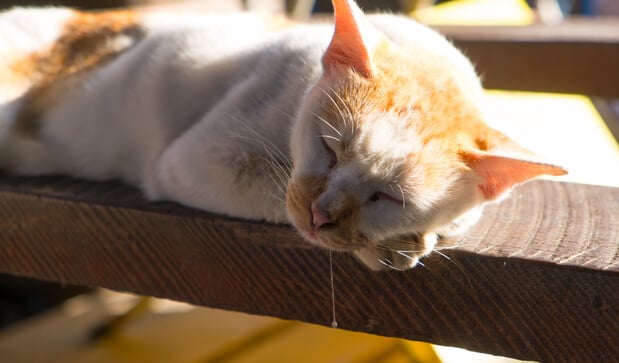
Credit: thevets.com
When To Consult A Veterinarian
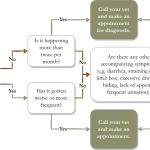
Cats may drool when they feel stressed or anxious. If drooling becomes excessive or is accompanied by other symptoms, it is time to consult a veterinarian. Early consultation ensures any underlying issues are addressed promptly.
When your feline friend starts drooling excessively, it might leave you puzzled. Is it stress or something more serious? Understanding when to consult a veterinarian can be crucial for your cat’s health. Drooling can be a sign of stress, but it can also indicate other underlying health issues that need professional attention. So, how do you know when it’s time to take your cat to the vet? Let’s break it down.Persistent Drooling
If your cat’s drooling doesn’t subside after a short period, it’s time to pay attention. Persistent drooling might mean there’s an ongoing issue that isn’t resolving on its own. Consider the duration and intensity. If drooling continues for more than a day, it’s wise to contact your veterinarian. They can help determine if there’s an underlying problem that requires treatment.Other Health Concerns
Drooling is often accompanied by other symptoms. Watch for changes in behavior, appetite, or energy levels. These can give you clues about your cat’s overall health. For instance, if your cat stops eating or seems unusually lethargic, these could be signs of a more serious condition. Likewise, if you notice any swelling in the mouth or unpleasant odors, it’s time to seek veterinary help. Have you ever had a sudden toothache? Remember how uncomfortable it was? Your cat might be feeling something similar. Dental issues are common causes of drooling and require a vet’s intervention. Monitoring your cat’s health involves more than just watching for drool. Be observant of their normal behavior and any deviations from it. Your quick action in consulting a vet can make a significant difference in your cat’s well-being. Taking these steps not only ensures your cat’s health but also strengthens your bond with them. Wouldn’t you want to give your furry friend the best care possible?
Credit: beyondpets.com
Frequently Asked Questions
Is It Normal For Cats To Drool When Stressed?
Yes, cats can drool when stressed. Stress triggers excessive salivation in some cats. Other signs might include hiding or aggression. If drooling persists, consult a vet.
When Should I Worry About My Cat Drooling?
Excessive drooling can signal dental issues, mouth ulcers, or infections. Monitor your cat’s behavior and consult a vet if drooling persists or is accompanied by other symptoms like lethargy or appetite loss. Early intervention ensures your cat’s health and well-being.
What To Do If My Cat Is Drooling Saliva?
Monitor your cat for additional symptoms like vomiting or lethargy. Consult a vet if drooling persists. Possible causes include dental issues, nausea, or stress. Keep your cat hydrated and comfortable. Early veterinary attention can prevent complications.
Do Cats Drool When They’re Sad?
Cats usually drool when they are relaxed or content, not when they’re sad. Drooling can also signal dental issues or illness. Monitor your cat’s health and consult a vet if drooling seems excessive or unusual. Cats express sadness through changes in behavior, not drooling.
Conclusion
Cats can drool when stressed. It’s not uncommon. Watch for other signs. Changes in behavior or appetite might indicate stress. Create a calm environment for your cat. Provide safe spaces and toys. A vet check is helpful if drooling continues.
Stress can affect cats’ health. Early detection is key. Understanding your cat’s needs reduces stress. Provide regular care and affection. This builds trust and comfort. Your cat will appreciate it. Keep an eye on their well-being. A happy cat is a healthy cat.
Always seek professional advice if unsure. Your cat deserves the best care.

Similar Posts