Do Cats Have Anxiety? Uncovering Feline Stress Signs
Have you ever noticed your cat behaving a little differently? Maybe they’re hiding more than usual or reacting unexpectedly to noises.
You might be wondering, “Do cats have anxiety? ” It’s a question many pet owners ask themselves, especially when they want the best for their furry companions. Understanding your cat’s emotional health is crucial, and it might be more complex than you think.
Cats, just like humans, can experience anxiety, and it’s often up to you to recognize the signs. This article will delve into what cat anxiety looks like, why it happens, and how you can help your pet feel more at ease. By the end, you’ll have a clearer picture of your cat’s needs and be better equipped to support them. So, if you’re eager to ensure your feline friend lives their happiest life, keep reading to uncover the mysteries of cat anxiety.
Feline Anxiety Explained
Cats can experience anxiety just like humans. Changes in environment or routine often trigger stress in felines. Understanding symptoms helps in providing a comforting space for them.
Feline anxiety is a reality for many cat owners. While these creatures often appear aloof and independent, they can experience stress and anxiety just like humans. Understanding the signs and causes of anxiety in cats can help you provide a more comforting environment for your furry friend.What Causes Feline Anxiety?
Cats may feel anxious due to various factors. Changes in their environment, like moving to a new home or even rearranging furniture, can trigger stress. Loud noises from thunderstorms or fireworks can also make them uneasy. Social interactions, such as introducing a new pet or the absence of a family member, can lead to anxiety.Signs Your Cat Might Be Anxious
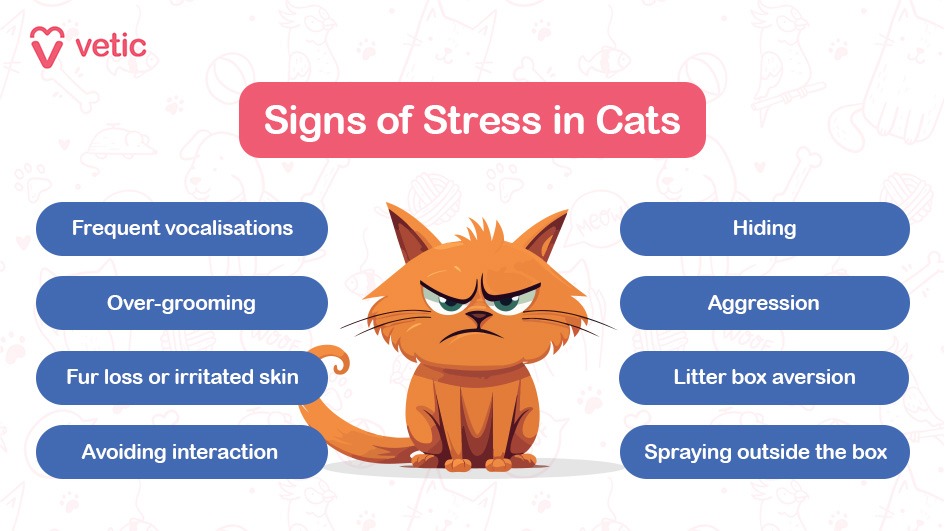
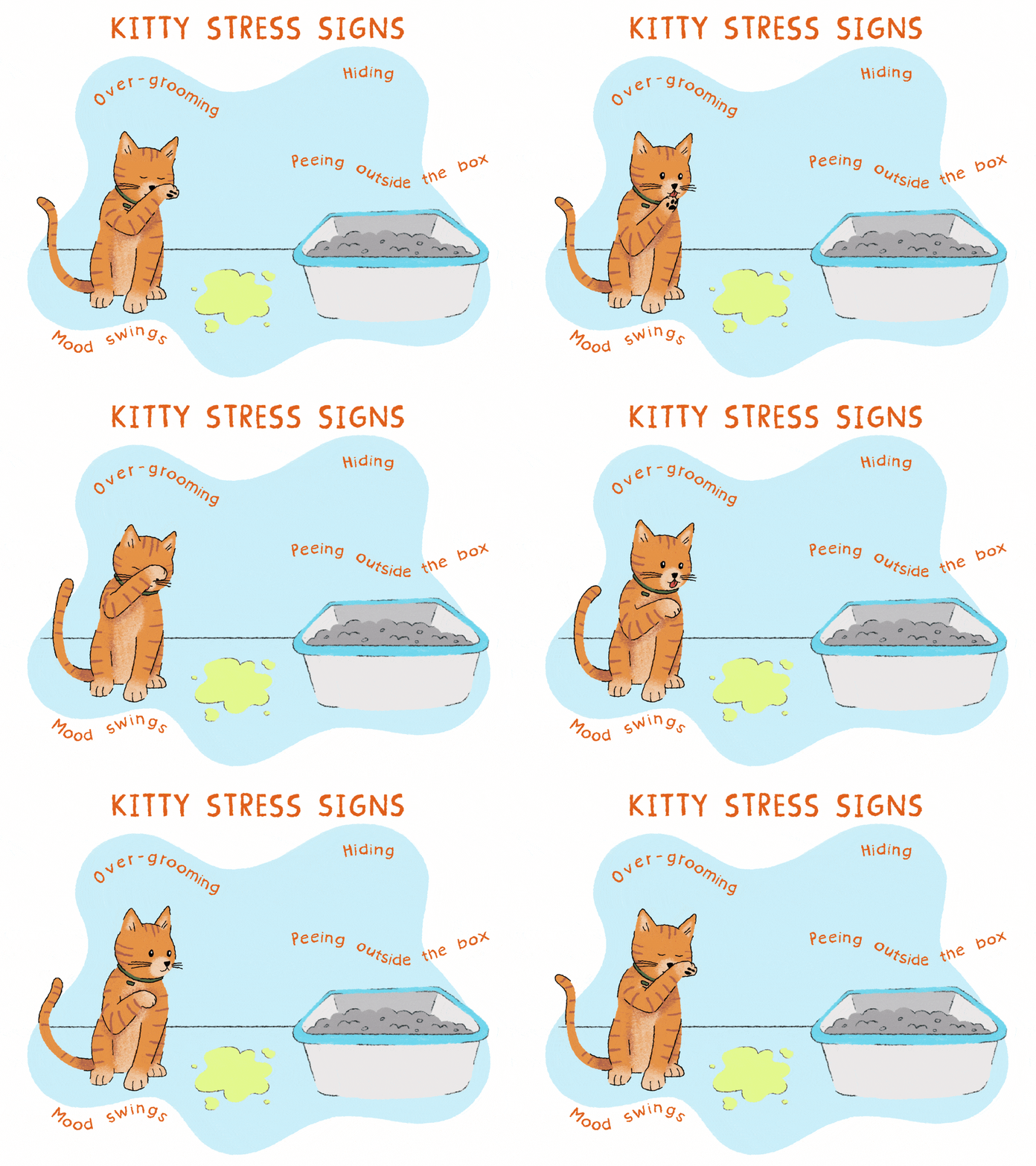
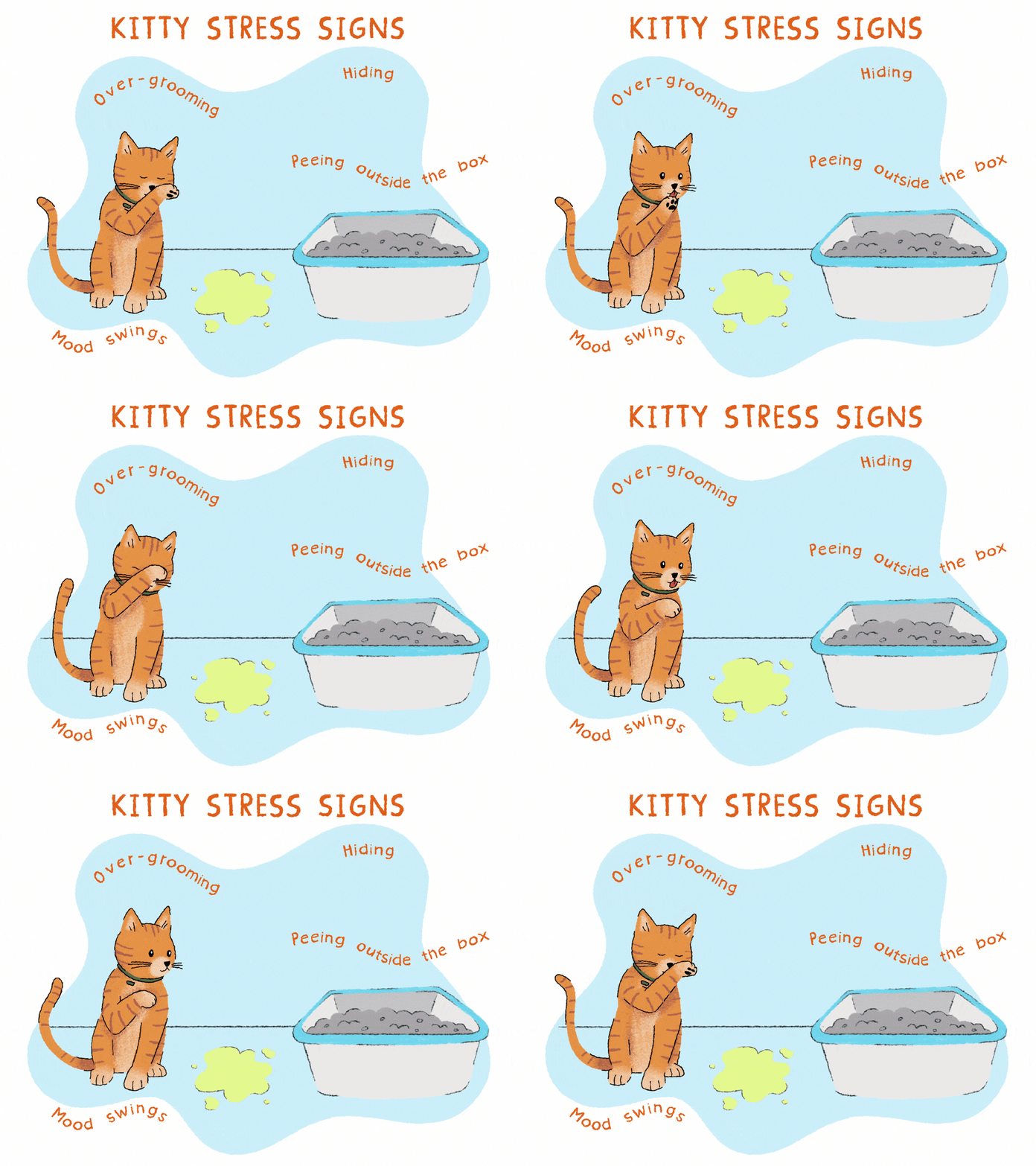
Recognizing anxiety in your cat can be tricky. Look for changes in behavior, like excessive grooming or hiding more than usual. Your cat may also become more vocal or aggressive. If you notice litter box accidents or changes in appetite, these could also be signs of stress.How To Help Your Anxious Cat
There are practical steps you can take to ease your cat’s anxiety. Create a safe space where your cat can retreat and feel secure. Use calming products like pheromone diffusers or sprays. Spend quality time playing with your cat to strengthen your bond and reduce stress.Can Cats Really Sense Your Emotions?
It’s fascinating to think about, but cats might pick up on your emotional state. If you’re stressed or anxious, your cat may mirror those feelings. Try maintaining a calm environment at home to help your cat feel more at ease. Could your own stress be affecting your cat?When To Seek Professional Help
Sometimes, anxiety in cats requires more than just environmental changes. If your cat’s anxiety seems severe or doesn’t improve, consult a veterinarian. They can rule out medical issues and might suggest medication or behavioral therapy. It’s important to address anxiety early to prevent long-term problems. Understanding feline anxiety allows you to be more empathetic and proactive. By recognizing the signs and taking appropriate action, you can help your cat lead a happier, stress-free life. What changes can you make today to ensure your cat feels secure and loved?:strip_icc()/reducing-anxiety-in-cats-554064-FINAL-5b9faac146e0fb00507d984e.png)
Credit: www.thesprucepets.com
Common Stress Signs In Cats
Cats are independent creatures, yet they can experience anxiety. Spotting stress in cats can be tough. Knowing the signs helps provide better care. Let’s explore common stress signs in cats.
Excessive Grooming
Excessive grooming is a frequent stress indicator. Cats may lick until they lose fur. This behavior soothes them but can harm their skin.
Changes In Appetite
Stress can alter a cat’s eating habits. Some cats eat less or stop eating. Others may overeat, seeking comfort in food.
Aggression Or Withdrawal
Stressed cats may become aggressive. They might scratch or hiss more often. Alternatively, they might hide and avoid interaction.
Litter Box Issues
Cats may stop using their litter box. They might urinate outside it. This behavior signals discomfort or anxiety.
Vocalization
Anxious cats might vocalize more. They may meow loudly or frequently. This signals their need for attention or reassurance.
Restlessness
Restlessness is a clear sign of stress. Cats may pace or appear agitated. They struggle to relax or settle down.
Changes In Sleep Patterns
Anxiety can disrupt a cat’s sleep. They may sleep more or less. Noticeable changes indicate stress or discomfort.
Behavioral Changes
Cats are often seen as independent and relaxed creatures. But they can experience anxiety just like humans. Anxiety in cats can manifest through distinct behavioral changes. Recognizing these changes is crucial for cat owners. It helps in providing the right care and environment for their feline friends.
Aggression And Withdrawal
An anxious cat may become more aggressive. It might hiss, bite, or scratch more often. This behavior is a defensive mechanism. The cat feels threatened or stressed and acts out. On the other hand, some cats withdraw instead. They might hide under furniture or avoid social interaction. This withdrawal is a sign they are overwhelmed and need space. Observing these behaviors can indicate anxiety.
Excessive Grooming
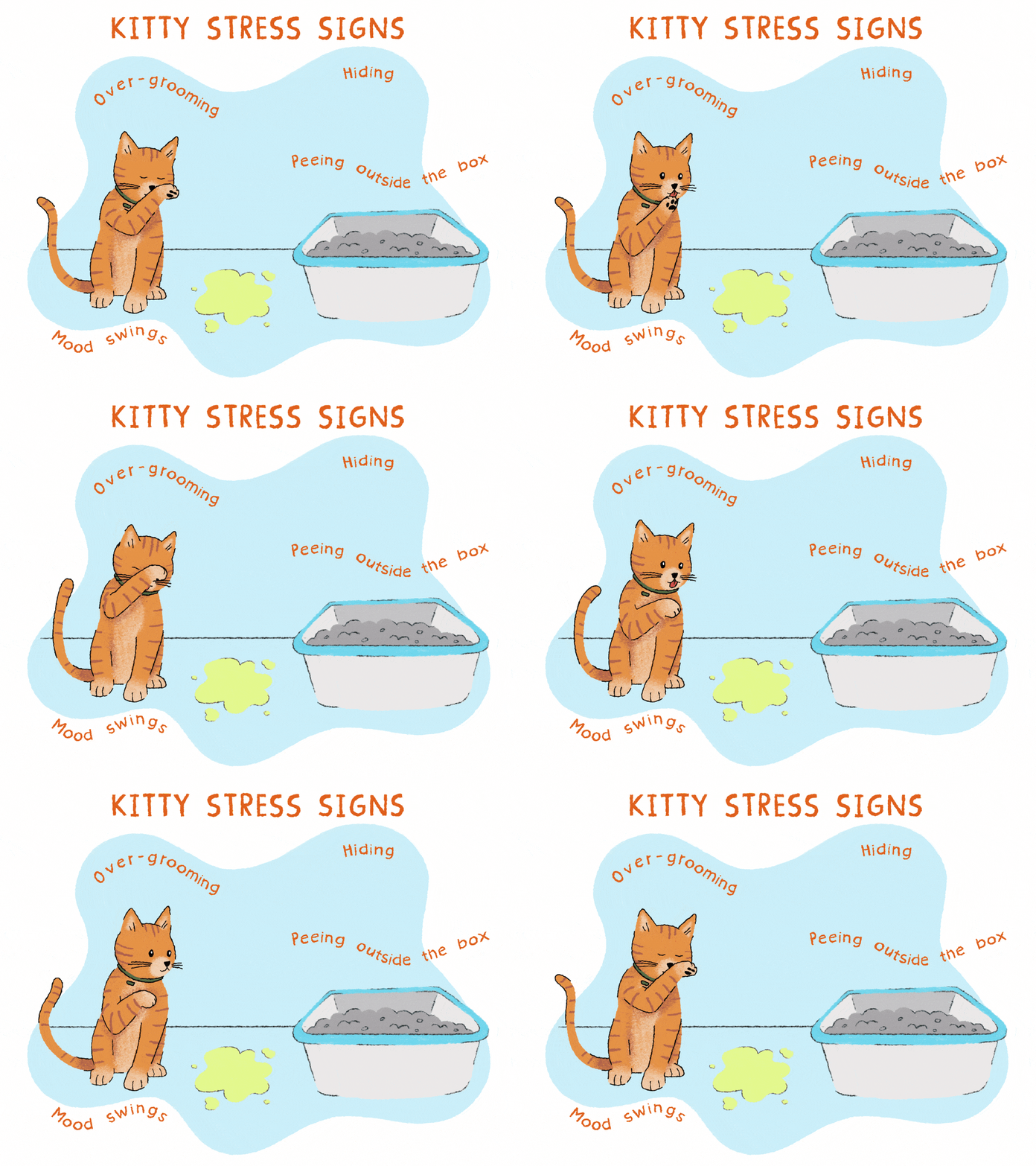
Excessive grooming is another indicator of anxiety. Cats naturally groom to keep clean. But anxious cats may over-groom, leading to bald patches or skin irritation. This behavior provides temporary relief from stress. It becomes a compulsive habit when anxiety is high. Monitoring your cat’s grooming habits is essential. It helps identify if anxiety is the underlying cause.
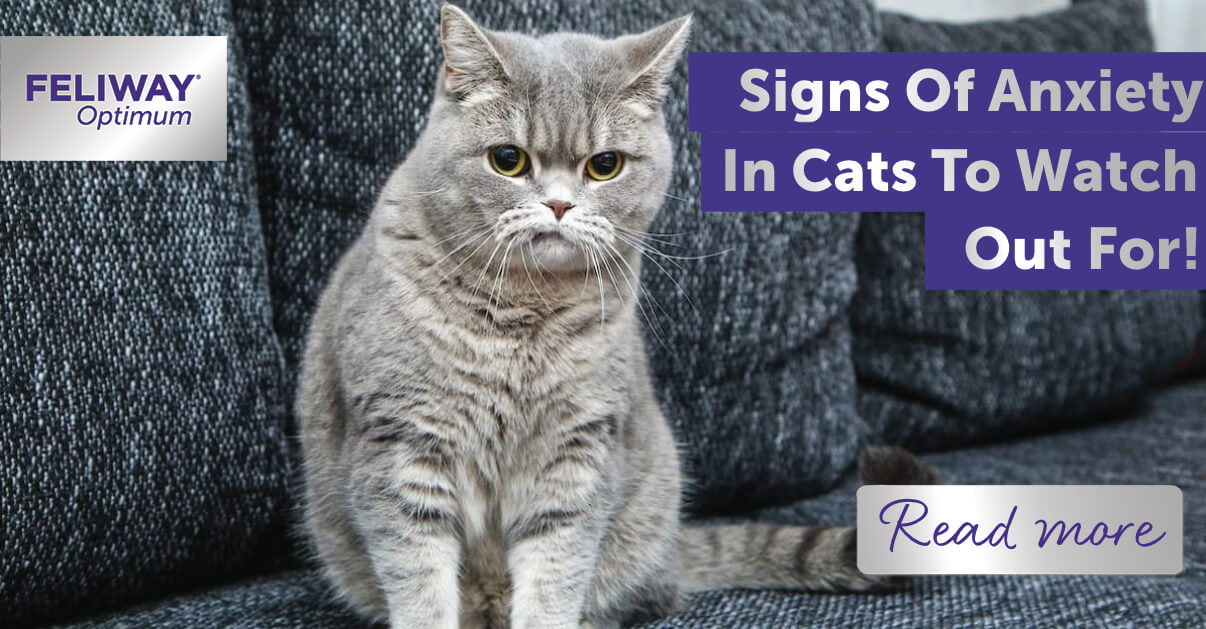
Credit: us.feliway.com
Physical Indicators
Cats show anxiety through physical signs like excessive grooming, dilated pupils, and frequent hiding. These indicators help in identifying stress. Understanding these signs can improve a cat’s well-being.
Cats are fascinating creatures, often described as independent and self-assured. Yet, like humans, they can suffer from anxiety. Recognizing anxiety in cats is crucial for their well-being. Physical indicators are often the first signs that something is amiss. Understanding these changes can help you address your cat’s needs effectively.Altered Eating Habits
If your cat suddenly turns its nose up at food or develops a voracious appetite, it might be a sign of anxiety. A friend once noticed her cat nibbling at food throughout the day instead of finishing meals. Upon examining the environment, she discovered a new loud appliance was causing stress. Think about your cat’s eating habits. Are they eating more or less than usual? Changes in eating can be triggered by stressors you might not immediately notice. Consider if there have been any recent changes in your home or routine.Litter Box Issues
Anxiety can also manifest in litter box problems. Cats may start avoiding the litter box or using it excessively. Imagine dealing with a cat that suddenly decides the living room is its new bathroom. This behavior can be a sign of stress. Examine the litter box environment. Is it clean? Is it in a quiet area? Cats need privacy and comfort when doing their business. If these needs aren’t met, they might express their anxiety in ways that are less than pleasant for you. Addressing these physical indicators can improve your cat’s overall happiness. Have you noticed any of these signs in your feline friend? Identifying and tackling the root cause of anxiety can lead to a healthier, happier pet.Environmental Triggers
Cats are sensitive creatures, and their environment plays a big role in their emotional well-being. Changes in surroundings can lead to anxiety in cats. Understanding these environmental triggers can help provide a more stable and calm space for your feline friend.
Noise And Activity
Loud noises can stress cats out. Construction sounds, thunderstorms, or even a loud TV can make them anxious. Cats have keen hearing, so noises that seem normal to humans can be overwhelming to them. A noisy household with constant activity can also affect a cat’s comfort. They thrive in calm and quiet spaces. Providing a quiet corner can help reduce stress.
Changes In Routine
Cats love routine. Sudden changes can disrupt their sense of security. This includes feeding times, play sessions, or even changes in their sleeping area. Cats might become anxious if their daily schedule changes too much. Keeping their routine consistent helps maintain their comfort and calm. Try to make changes gradually to ease their transition.
Impact Of Social Interactions
Cats can feel anxiety due to social interactions. Changes in their environment or routine can trigger stress. Understanding their behavior helps in providing comfort and reducing anxiety.
Cats, like humans, can experience anxiety, and social interactions play a significant role in their emotional well-being. You might notice subtle changes in your cat’s behavior that suggest they’re feeling stressed or anxious. Understanding the impact of different social interactions can help you create a more comfortable environment for your feline friend.Human-cat Relationships
Your relationship with your cat greatly influences their anxiety levels. A strong bond can reduce stress and boost their confidence. Are you spending quality time with your cat daily? Engaging in interactive play or simply sitting together can reinforce your connection. Consider how you approach your cat during interactions. Sudden movements or loud voices might make them uneasy. Try to approach them calmly and speak softly.Presence Of Other Animals
The presence of other animals in your home can be another source of anxiety for cats. They may feel threatened or territorial. Have you noticed your cat behaving differently around other pets? Watch for signs like hissing, hiding, or avoidance. Introducing new pets requires patience. Gradual introductions and providing separate spaces can help ease the transition for your cat. Understanding these dynamics can help create a harmonious environment. How do you manage social interactions in your cat’s life? Small changes can make a big difference.Management Strategies
Cats can experience anxiety, often triggered by changes in their environment. Identifying stressors is crucial for managing their anxiety effectively. Creating a calm space and maintaining a consistent routine can help alleviate their stress, promoting a healthier and happier feline life.
Experiencing anxiety is not exclusive to humans; our feline friends can also suffer from it. Recognizing and addressing your cat’s anxiety can improve its quality of life and your bond with it. It can be challenging, but with the right strategies, you can make your cat feel more secure and content. Let’s dive into some effective management strategies to help your anxious kitty.Creating A Safe Space
Your cat needs a place where it can escape and feel safe. This could be a specific room, a cozy corner, or even a cat tree. When my cat, Whiskers, started showing signs of anxiety, I noticed she would retreat under the bed. I set up a soft blanket and her favorite toys there to make it her special spot. You can do the same by identifying a location your cat naturally gravitates towards and enhancing it with comforting items. Ensure that this area is away from loud noises and bustling household activities. It should be quiet and peaceful, where your cat can unwind without disturbances. This safe haven can significantly reduce anxiety levels, providing your cat a sanctuary to retreat to whenever it feels overwhelmed.Use Of Calming Products
Calming products can also play a pivotal role in managing your cat’s anxiety. Have you ever tried using a pheromone diffuser? These devices release synthetic versions of natural cat pheromones that can help your cat feel more relaxed. I was skeptical at first, but after plugging in a diffuser, Whiskers seemed noticeably calmer within a few days. There are sprays and collars available too, each offering a different method of delivery to suit your and your cat’s preferences. If you prefer a more natural approach, consider herbal remedies. Products containing valerian root or chamomile can have soothing effects on cats. Always check with your vet before trying new products to ensure they’re safe for your furry friend. Take the time to observe your cat’s response to these products. Not every product works for every cat, so it might take a bit of trial and error to find the right fit. But once you do, you’ll likely notice a happier, more relaxed cat.
Credit: www.pawmaw.com
Professional Help
Recognizing anxiety in cats is vital. Sometimes, professional guidance is needed. Cats show stress in unique ways. A trained expert can identify subtle signs. They offer solutions that improve your cat’s life. Professional help can ease your worries too.
When To Consult A Veterinarian
Consult a vet if your cat’s behavior changes suddenly. Frequent hiding or aggression can indicate anxiety. Excessive grooming or loss of appetite are also signs. A veterinarian can diagnose underlying issues. They provide advice tailored to your cat’s needs.
Behavioral Therapy Options
Behavioral therapy helps anxious cats. It includes gentle training techniques. A therapist may use desensitization strategies. They help cats adjust to stressors gradually. Play therapy and environmental enrichment are useful too. These methods promote relaxation and well-being.
Frequently Asked Questions
What Are Signs Of Anxiety In Cats?
Cats show anxiety through excessive grooming, hiding, aggression, or changes in appetite. They may also vocalize more, urinate outside the litter box, or display restlessness. Recognizing these signs helps in managing their stress effectively.
How To Tell If A Cat Has Separation Anxiety?
Cats may show separation anxiety through excessive meowing, destructive behavior, or inappropriate urination. Other signs include clinginess and changes in appetite. Providing distractions, toys, or gradual separations can help ease anxiety. Consulting a vet can offer additional support and solutions tailored to your cat’s needs.
What To Give A Stressed Cat?
Give your stressed cat calming treats or pheromone diffusers. Provide a quiet, safe environment and engage in gentle play. Ensure access to fresh water and a cozy resting spot. Consult a vet for tailored advice.
What Do Cats Think When You Leave?
Cats might feel curious or confused when you leave. They often wonder about your return. Some cats may feel anxious or lonely, while others enjoy the quiet time. Each cat reacts differently based on its personality and past experiences.
Conclusion
Cats can indeed experience anxiety. Understanding their behavior is crucial. Signs like hiding or aggression may indicate stress. Providing a calm environment helps reduce anxiety. Interactive toys and regular playtime can soothe them. Consider consulting a vet if anxiety persists.
They might suggest treatments or strategies. Remember, a happy cat means a happier home. Cats rely on us for comfort. Always be patient and observant with your feline friend. Their well-being is in your hands. Ensure they feel safe and loved.
This strengthens your bond and enhances their quality of life.

Similar Posts