How to Tell If My Cat is Stressed: Signs & Solutions

Is your feline friend acting out of sorts? As a loving cat owner, you want nothing but the best for your furry companion.
But when your cat starts behaving differently, it can be worrisome. Stress in cats is more common than you might think, and recognizing the signs early can make all the difference in their well-being. Imagine being able to understand your cat’s silent cries for help and taking steps to bring back their purrs and playful antics.
You’ll discover the telltale signs of stress in cats and learn practical tips to help your kitty feel safe and happy once again. Don’t let stress rob your cat of their joy—read on to become the hero your cat needs.
Common Stress Signs In Cats
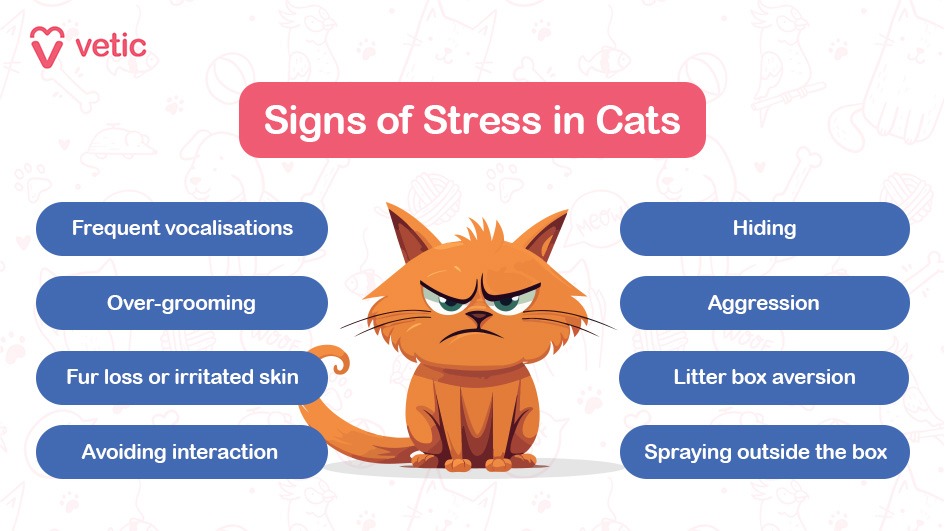
Understanding your cat’s stress signals is crucial for maintaining their well-being. Cats, much like humans, can experience stress due to changes in their environment or routine. Recognizing these signs early can help you address the root cause and provide comfort to your feline friend. Below are some common stress signs in cats that you should be aware of:
Changes In Appetite
One of the most noticeable stress indicators in cats is a shift in their eating habits. You might see your cat ignoring their food bowl or indulging more than usual. This change can stem from anxiety or environmental disruptions. Have you recently moved homes or introduced a new pet? These could be factors affecting their appetite.
Increased Vocalization
Is your cat suddenly more talkative? Increased vocalization, like excessive meowing or yowling, can be a plea for attention or a sign of distress. Cats use vocalization to communicate discomfort. Think about any recent changes in their surroundings. Are they missing a familiar face or feeling neglected?
Altered Grooming Habits
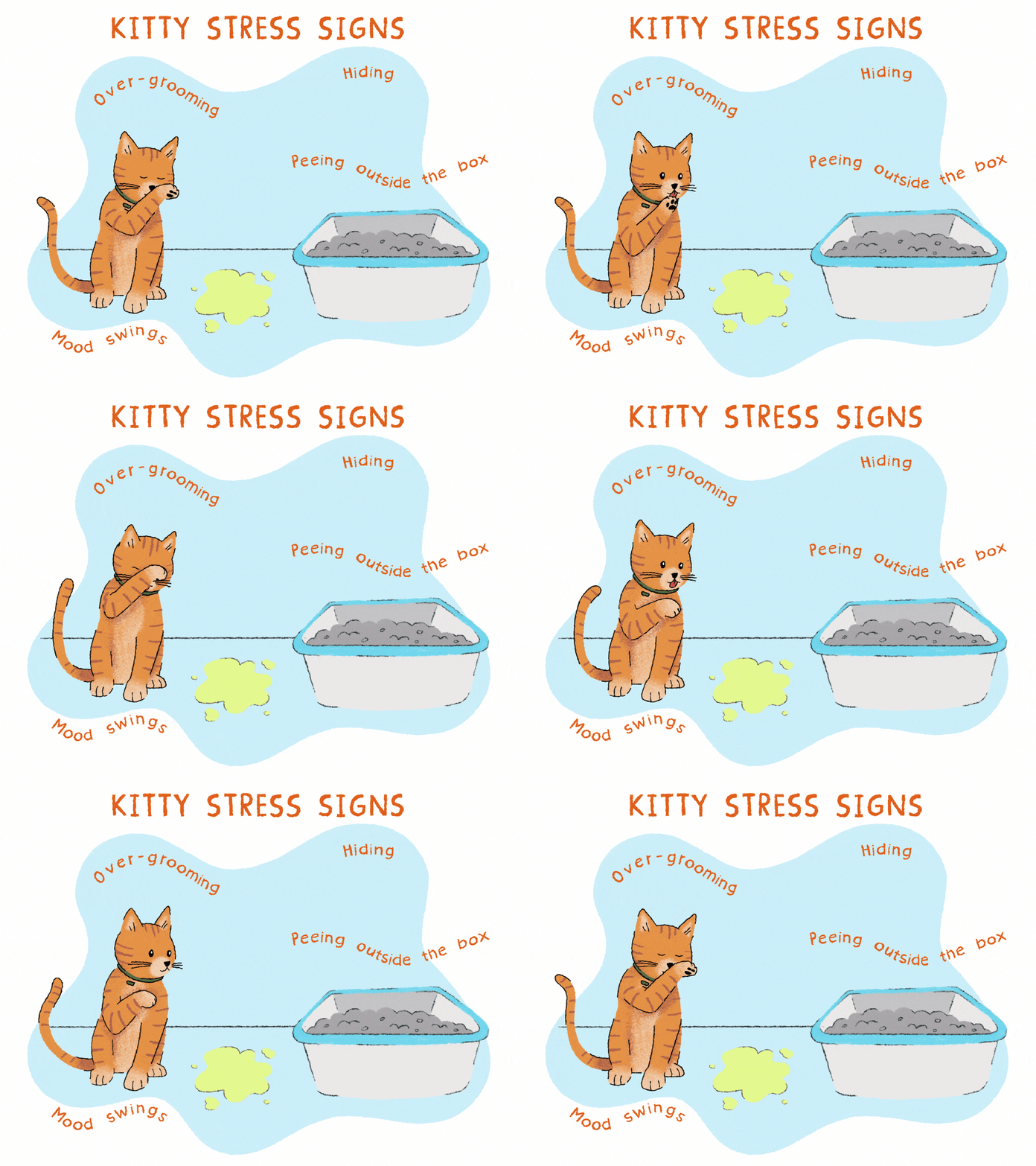
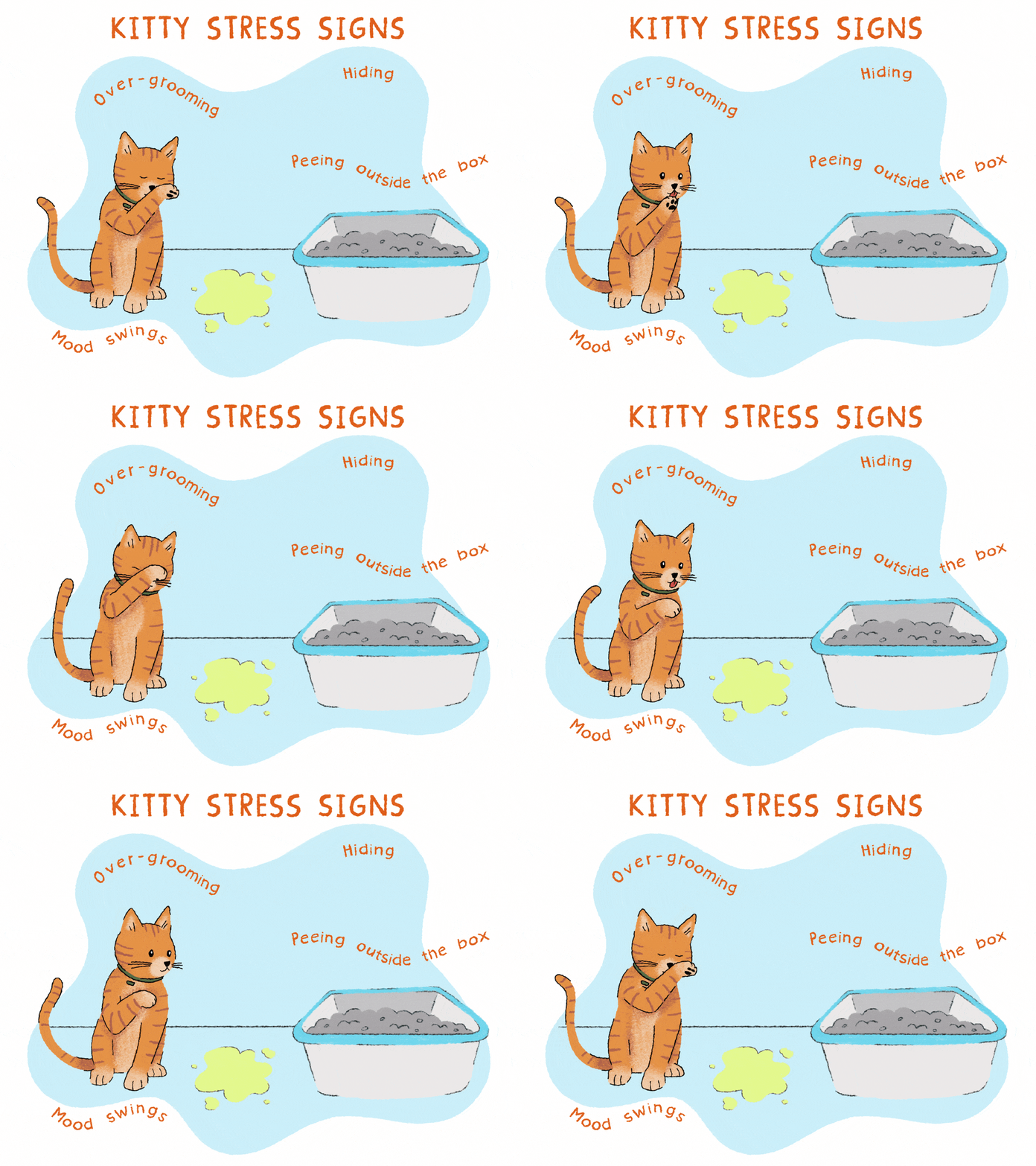
Watch for changes in your cat’s grooming routine. Over-grooming can lead to bald patches and irritated skin, while under-grooming may result in a matted coat. Stress can disrupt their usual self-care rituals. Have you noticed them grooming obsessively or ignoring their fur altogether?
Hiding Or Avoidance
Cats tend to retreat to quiet corners or hide when stressed. If your cat is spending more time under the bed or in closets, they might be avoiding stressors in their environment. Consider what might be causing them to seek solitude. Could it be a new household member or loud noises?
By observing these behaviors, you can take proactive steps to alleviate your cat’s stress. Ask yourself, what can you do to create a calm and safe space for your furry friend? Addressing their needs promptly can make a world of difference in their emotional health.

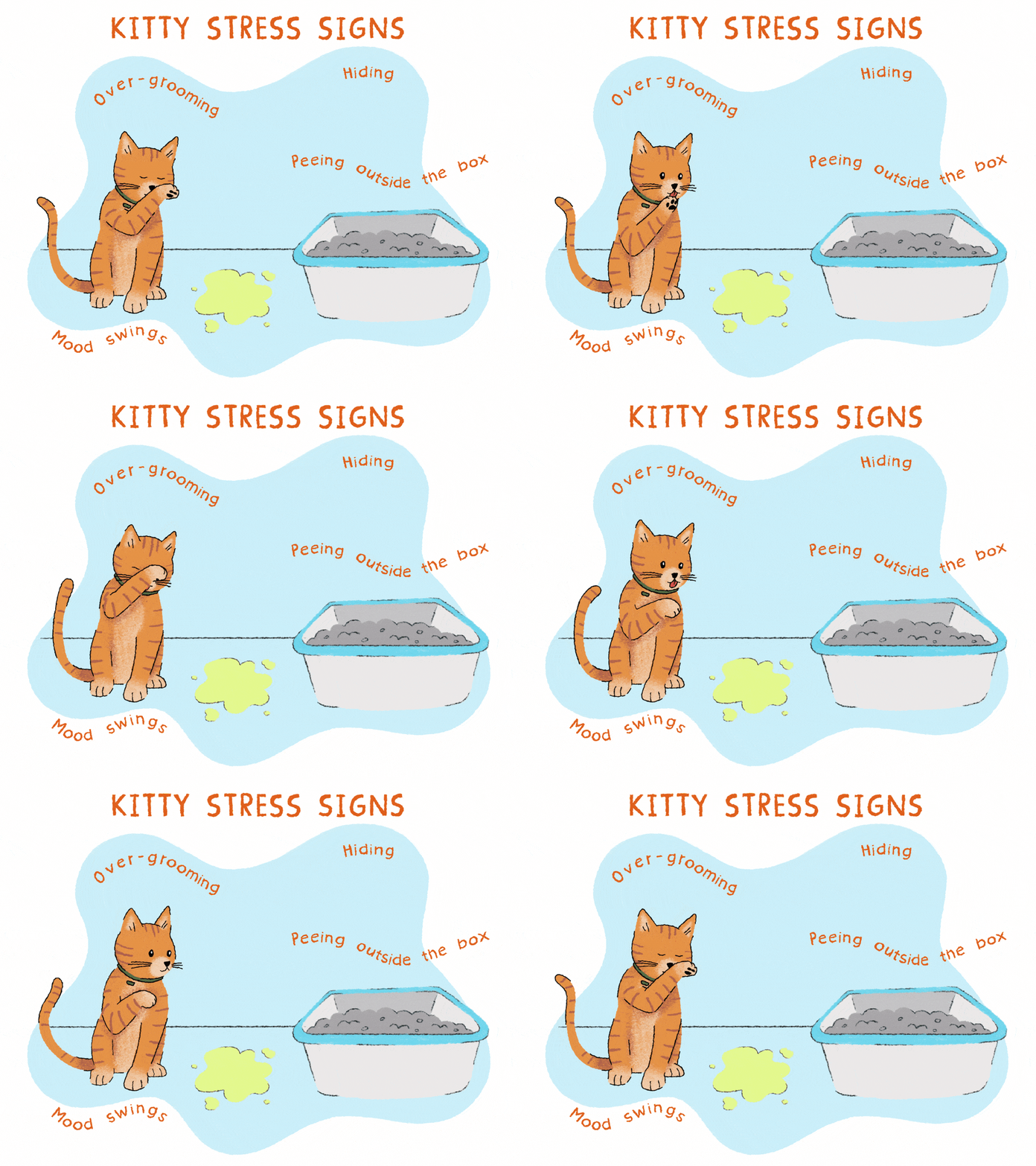
Credit: www.banfield.com
Behavioral Indicators
Recognizing stress in cats can be challenging. Cats often hide their feelings. Understanding behavioral indicators helps in identifying stress. This allows you to address your cat’s needs promptly.
Increased Aggression
A stressed cat may show increased aggression. This could involve hissing or growling. Swatting or biting might occur too. These behaviors can signal discomfort or anxiety. Observe changes in your cat’s usual temperament.
Frequent Scratching
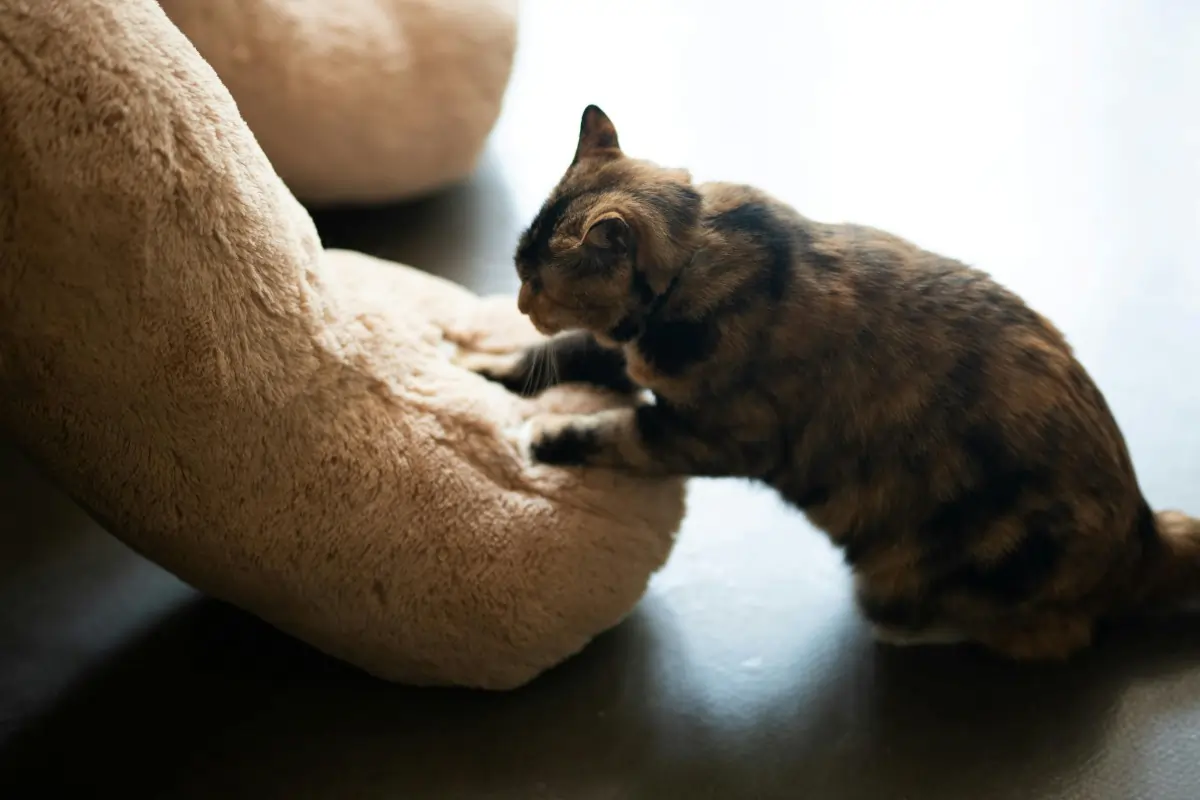
Scratching is a natural cat behavior. But excessive scratching may indicate stress. Your cat might target furniture or walls more often. This behavior helps cats mark territory. It’s also a way to relieve stress.
Litter Box Issues
Stress can lead to litter box problems. Your cat might avoid the litter box. Or, they may urinate outside of it. Changes in urination habits can signal stress. Ensure the litter box is clean and accessible. This can reduce stress-related litter box issues.
Physical Symptoms
Recognizing stress in cats can be challenging. Cats often mask their emotions. Yet, physical symptoms can reveal their stress. Observing these signs helps in identifying stress levels. Let’s explore some key physical symptoms.
Digestive Problems
Stress can upset a cat’s digestive system. You may notice vomiting or diarrhea. A change in appetite is common too. They might eat less or seem uninterested in food. These symptoms indicate discomfort in their digestive health.
Excessive Shedding
Shedding is normal in cats. But stress can cause excessive hair loss. You might find more fur on furniture or clothes. This increased shedding points to stress. Regular grooming can help manage this symptom.
Rapid Breathing
Breathing patterns can signal stress. Rapid breathing is a common indicator. Cats may breathe faster than usual. This rapid breath suggests anxiety or discomfort. Observing their breathing can offer clues to their stress levels.
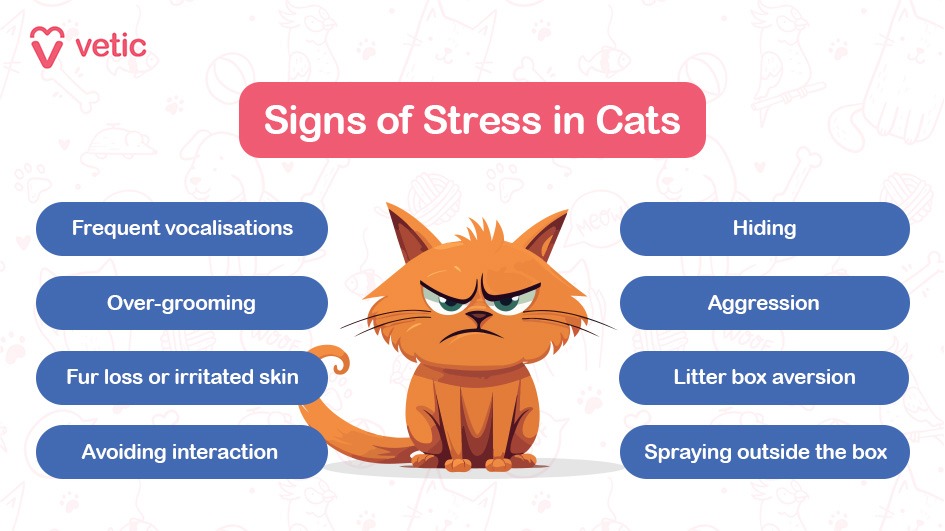
Credit: vetic.in
Environmental Factors
Your cat’s environment plays a crucial role in their stress levels. Cats are creatures of habit, and even slight changes can impact their well-being. Recognizing these environmental factors can help you maintain a peaceful atmosphere for your feline friend. Let’s dive into how changes in routine, new pets, and loud disturbances can influence your cat’s stress.
Changes In Routine
Have you noticed your cat acting differently after a recent schedule shift? Cats thrive on predictability. If you suddenly change your work hours or meal times, your cat might feel anxious. This disruption can lead to signs of stress, like excessive grooming or hiding.
Think about your own experience with change. When your daily rhythm is altered, it often takes time to adjust. Your cat experiences the same. Consistency in feeding, play, and sleep routines can help keep your cat calm.
Introduction Of New Pets
Bringing a new pet into your home is exciting, but it can be stressful for your cat. Cats can be territorial, and the presence of a new animal might feel threatening. You may notice signs like hissing, growling, or avoiding the newcomer.
To ease this transition, introduce pets gradually. Allow your cat to observe the newcomer from a distance. Use positive reinforcement when both animals are calm around each other. This helps your cat feel safe and secure in their environment.
Loud Noises And Disturbances
Loud sounds can be unsettling for cats. Construction, thunderstorms, or even a loud TV can trigger anxiety. You might see your cat darting for cover or pacing nervously.
Consider how you manage noise stress. Do you use earplugs or find a quiet space? Similarly, create a peaceful haven for your cat during noisy times. Soft music or a cozy hiding spot can provide comfort and reduce stress.
Is your cat showing signs of stress due to environmental changes? Understanding these factors equips you to create a calming home for your pet. Observing their behavior and making adjustments can significantly improve their quality of life.
Stress Reduction Techniques
Stress can take a toll on your feline friend, affecting their health and behavior. But how can you help your cat find peace in a sometimes overwhelming world? Implementing stress reduction techniques is crucial to ensuring your cat’s well-being. From creating safe spaces to maintaining consistency in their routine, these strategies can transform your home into a sanctuary for your stressed-out kitty.
Creating Safe Spaces
Your cat needs a haven where they can retreat and feel secure. Consider setting up cozy nooks with soft bedding. You might notice your cat gravitates towards certain spots—enhance these areas with their favorite blankets or toys. Have you ever noticed how a cardboard box can become a fortress for your cat? It’s all about providing a space where they feel invisible and invincible.
Interactive Playtime
Engaging your cat in play can work wonders for stress relief. Not only does playtime distract them, but it also helps burn off nervous energy. Use toys that mimic prey like feathers or balls to stimulate their hunting instincts. Have you ever seen your cat’s eyes light up at the sight of a dangling string? Those moments are invaluable for their mental health. Regular play sessions can bring joy and relaxation, strengthening your bond.
Consistency In Routine
Cats thrive on predictability. A stable routine can drastically reduce their stress levels. Try feeding them at the same times each day and keeping litter boxes in consistent locations. Imagine how unsettling it is for them when their world keeps shifting—routine offers a sense of stability. Is your cat more relaxed when they know what to expect? Observing their behavior can offer insights into how effective your routine adjustments are.
Ultimately, your cat’s stress levels can be a reflection of their environment. By creating comforting spaces, engaging in regular play, and maintaining a consistent routine, you can help alleviate their stress and create a happier, healthier home for both of you. How will you start transforming your cat’s world today?
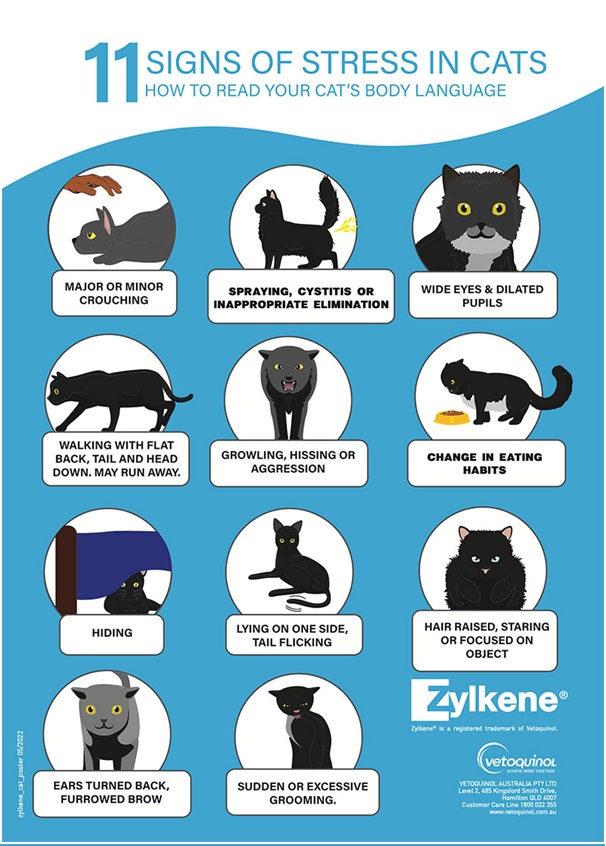
Credit: keysivet.com.au
Diet And Nutrition
Recognizing stress in your cat can be challenging. Diet and nutrition play a crucial role in managing your cat’s stress levels. A healthy diet can help keep your cat calm and happy. Let’s explore how to support your furry friend’s diet to reduce stress.
Balanced Diet Importance
A balanced diet supports your cat’s overall health. It provides essential nutrients for physical and mental well-being. An unbalanced diet can lead to health issues and stress. Ensure your cat receives the right mix of proteins, fats, and carbohydrates.
Include vitamins and minerals in their meals. These help in managing stress levels. Avoid sudden changes in diet, as they can cause anxiety.
Hydration Tips
Hydration is vital for a cat’s health. Dehydration can lead to stress. Make fresh water accessible to your cat at all times. Some cats prefer running water, so a pet fountain might help.
Wet food can also increase water intake. It contains more moisture than dry food. This can be beneficial for hydration.
Specialty Stress-relief Foods
Some foods are designed to reduce stress in cats. These contain ingredients that promote calmness. Look for foods with added omega-3 fatty acids. They support brain health and reduce anxiety.
Foods with L-theanine or tryptophan can also help. These ingredients have calming properties. Consult with your vet before changing your cat’s diet.
When To Consult A Veterinarian
Understanding when to consult a veterinarian about your cat’s stress is crucial. Not all stress signs need immediate vet attention. Yet, some symptoms may signal deeper issues. Knowing these signs can ensure your cat gets the help it needs. Let’s explore the key indicators.
Persistent Symptoms
If stress symptoms persist over weeks, a vet visit is necessary. Common signs include continuous vomiting or diarrhea. Unexplained weight loss also demands professional attention. Ignoring these can lead to more severe health issues. Cats can’t tell us they’re in pain. We need to observe them closely.
Behavioral Changes
Behavioral changes might indicate stress. Is your cat hiding more than usual? Increased aggression or excessive grooming are red flags. Sudden changes in litter box habits also matter. These behaviors can stem from stress or other health problems. A vet can help identify the root cause.
Expert Intervention
A veterinarian provides expert intervention for stressed cats. They can offer solutions tailored to your cat’s needs. Sometimes, stress stems from an underlying medical condition. A vet can diagnose and treat these issues. They can also recommend environmental changes to ease stress.
Frequently Asked Questions
What Are The Symptoms Of Stress In Cats?
Cats show stress by hiding, excessive grooming, or aggression. They may also lose appetite or become lethargic. Changes in litter box habits or increased vocalization can indicate stress. Monitor your cat’s behavior for any unusual signs.
What To Do To Help A Stressed Cat?
Create a calm environment for your cat. Offer cozy hiding spots, interactive toys, and gentle petting. Use soothing music and pheromone diffusers. Ensure a consistent routine and provide a balanced diet. Consult a vet for professional advice if stress persists.
Will A Stressed Cat Not Eat?
Yes, a stressed cat may stop eating. Stress affects their appetite, leading to refusal of food. Common stressors include changes in environment, new pets, or loud noises. Monitor their behavior and consult a vet if necessary to address stress-related eating issues.
What Calms Cats Naturally?
Catnip, valerian root, and chamomile naturally calm cats. Soft music and pheromone diffusers also help relax them. Regular playtime and a cozy space can reduce stress and anxiety.
Conclusion
Cats show stress in different ways. Spotting these signs helps. It ensures your cat stays happy and healthy. Listen to your cat’s behavior. Changes might mean stress. Try comforting them. Offer a quiet space. Toys can distract them. Regular check-ups with the vet are vital.
They keep your cat’s health on track. A stress-free cat is a joyful companion. Your efforts matter. Happy cats make happy homes. Stay observant. Keep your cat’s environment calm. Your cat deserves peace and comfort. Enjoy the bond you share.
It’s special and rewarding.

Similar Posts