How to Train Cats to Use Toilet: Expert Tips Revealed
Imagine the convenience of never having to scoop cat litter again. Your feline friend could learn to use the toilet, freeing up precious time and eliminating pesky odors.
Intrigued? You’re not alone. Many cat owners dream of a litter-free home, and you can achieve it too. Training your cat to use the toilet might seem daunting, but it’s more attainable than you think. This guide will walk you through each step, ensuring your cat’s comfort and success.
Ready to transform your home and your cat’s habits? Let’s dive into this exciting endeavor and discover how you can make this dream a reality.
Benefits Of Toilet Training Cats
Toilet training cats offers many advantages for pet owners. It can improve daily life for both cats and their humans. Understanding these benefits can motivate you to start the process.
Environmental Benefits
Toilet training reduces the use of cat litter. This means less waste in landfills. Litter production also decreases, which helps the environment. Choosing to toilet train can be an eco-friendly choice.
Cost Savings
Buying cat litter can be expensive. Toilet training eliminates this cost. Over time, the savings can be significant. You’ll notice more money in your pocket.
Improved Hygiene
Litter boxes can spread unpleasant smells. Toilet training keeps your home fresher. It also reduces the risk of bacteria from used litter. A cleaner home is healthier for everyone.
Space Efficiency
Homes with limited space benefit from toilet training. Litter boxes can be bulky and require space. Using a toilet frees up room for other uses.
Convenience
No more daily scooping of litter boxes. A trained cat uses the toilet, making cleanup easier. It saves time and effort for busy owners.
Bonding Opportunity
Training your cat can strengthen your bond. It requires patience and teamwork. Success in training can lead to a closer relationship.
Choosing The Right Time
Training a cat to use the toilet is a unique task. Timing plays a crucial role in this process. Cats are creatures of habit and need a well-timed approach. Picking the right moment can make the transition smoother.
Assessing Your Cat’s Age
Kittens might be too young to start toilet training. They may not have the balance required. Adult cats can be more adaptable. Choose an age when your cat shows maturity and stability.
Observing Your Cat’s Health
A healthy cat is more likely to learn quickly. Ensure your cat is not stressed or ill. A relaxed cat will respond better to training. Monitor their health and adjust plans if needed.
Understanding Your Cat’s Behavior
Notice your cat’s daily routines. Are they showing curiosity about the toilet? If yes, they might be ready to learn. Use their natural curiosity to your advantage.
Creating A Comfortable Environment
Ensure the bathroom is quiet and stress-free. Loud noises can scare cats. Comfort encourages learning and exploration. Make the space inviting and safe.
Timing During The Day
Pick a time when your cat is alert and active. Morning or evening is usually best. Avoid training during nap times. A lively cat will show more interest in new tasks.
Essential Tools And Supplies
Training your cat to use the toilet can be an exciting venture, but it requires specific tools and supplies to make the process smooth and successful. The right equipment not only helps your cat transition but also keeps your bathroom tidy and hygienic. As someone who has embarked on this journey with my own feline friend, I’ve discovered that the right resources can make all the difference. Are you ready to transform your bathroom into a cat-friendly space?
Cat Toilet Training Kit
A cat toilet training kit is your best friend in this process. These kits usually come with a series of removable rings that gradually reduce the litter area until your cat is comfortable using the toilet. Look for kits that are adjustable to fit your toilet seat. This ensures stability, making it safer for your cat.
Consider brands that offer easy-to-follow instructions. It’s crucial that you and your cat understand each step. Kits often include litter specifically designed for toilet training, which clumps differently than regular litter. This helps your cat adapt more easily.
Flushable Cat Litter
Flushable cat litter is essential during the transition phase. This type of litter breaks down easily in water, preventing plumbing issues. Choose a litter that mimics the texture your cat is used to, ensuring they feel comfortable during the switch.
Some cats can be picky about their litter. If your cat hesitates, try mixing a small amount of the new litter with their usual type. Gradually increase the new litter until they’re accustomed to it. This gentle approach can ease your cat’s anxiety.
Toilet Seat Adapter
A toilet seat adapter can make the process more comfortable for your pet. These adapters are designed to be sturdy and safe, providing a secure spot for your cat to perch. Choose one that fits snugly to avoid any wobbling, which can scare your cat.
Remember, every cat is unique. Some might take longer to adjust to the adapter. Be patient and offer positive reinforcement, like treats or praise, whenever they make progress.
Patience And Positive Reinforcement
Beyond physical supplies, patience is key. Transitioning to a toilet is a big change for your cat. Celebrate small victories, like when they show interest or attempt using the toilet. Positive reinforcement can encourage them to continue trying.
Consider using treats or extra playtime as rewards. This not only boosts their confidence but also strengthens your bond. Have you ever noticed how your cat responds to praise? It can be surprisingly motivating!
As you gather these tools and supplies, remember that each step brings you closer to a cleaner and more convenient setup. Are you ready to tackle this training adventure with your feline friend?

Credit: www.associatedregistry.com
Step-by-step Training Process
Training your cat to use the toilet might sound like a quirky idea, but it can save you from dealing with smelly litter boxes. Cats are intelligent creatures and, with patience, can learn this nifty trick. The process is gradual, requiring consistency and a touch of creativity. Let’s dive into the step-by-step training process to guide your feline friend to toilet independence.
Introducing The Concept
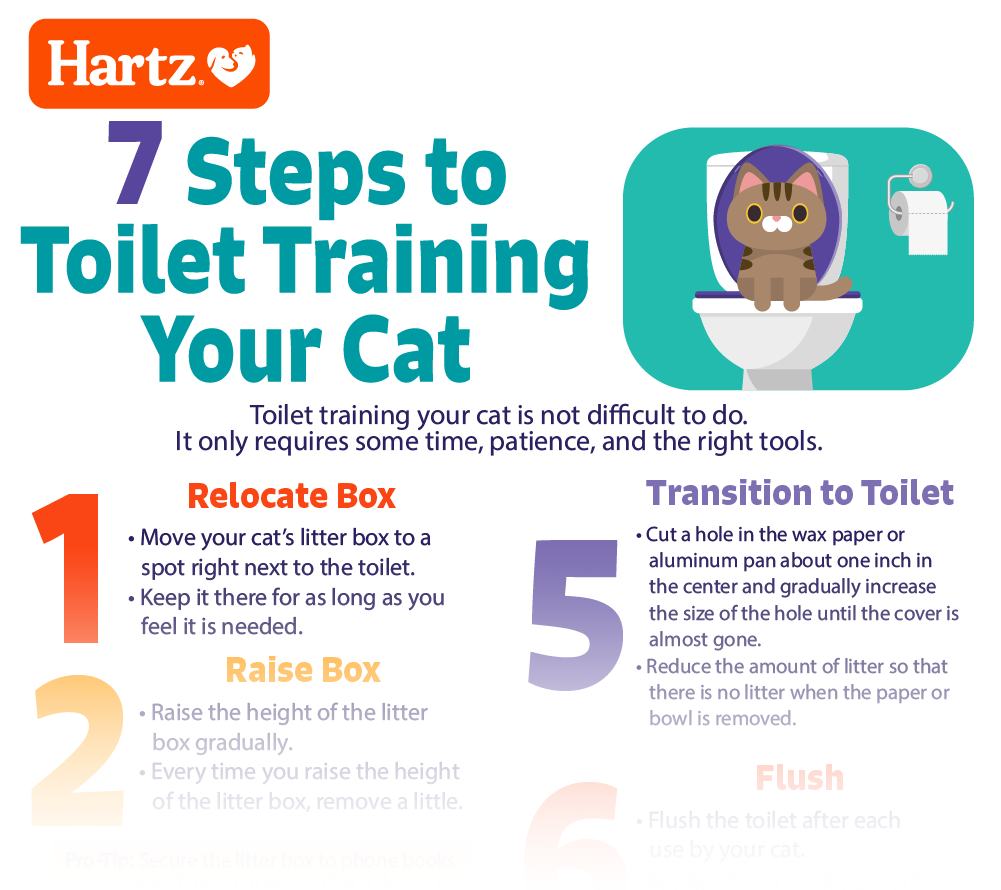
The first step is to introduce your cat to the idea of using the toilet. Start by placing the litter box near the toilet. Over a few days, gradually move the box closer to the toilet until it’s right next to it. This helps your cat associate the toilet area with their bathroom routine.
During this phase, observe your cat’s reaction. Are they curious or hesitant? Address their comfort first. Cats appreciate routine, so any drastic changes might confuse them.
Gradual Transition From Litter Box
Once your cat is comfortable with the toilet area, it’s time to transition them away from the litter box. Begin by raising the height of the box using sturdy materials like books or boxes. Increase the height slowly, ensuring stability. This encourages your cat to jump or climb, mimicking the action they’ll take when using the toilet.
How do you know when to increase the height? Your cat should confidently access the elevated box without hesitation. If they seem unsure, give them more time before raising it further.
Adjusting The Toilet Setup
As your cat adapts to the elevated litter box, replace it with a training seat designed for cats. These seats fit on the toilet, offering a familiar surface for your cat. Secure the seat firmly to avoid any wobbling, which might scare your cat.
Ensure the training seat is easy for your cat to access. Does your cat seem intrigued by the new setup? If so, you’re on the right track. If not, try enticing them with treats or toys placed nearby.
Encouraging Proper Positioning
Now, it’s crucial to encourage your cat to position themselves correctly. Cats need to balance on the toilet seat, which can be tricky. Guide them with gentle nudges or place their front paws on the seat as a hint.
Watch your cat’s posture. Are they comfortable and balanced? If they struggle, offer reassurance through calming words or strokes. Cats learn best in a stress-free environment.
Training a cat to use the toilet can be a rewarding journey. What unique challenges have you faced while teaching your cat new tricks? Share your experiences and see how this process can be tailored to suit your kitty’s personality.
Troubleshooting Common Challenges
Training cats to use the toilet involves patience and consistency. Start by placing the litter box near the toilet. Gradually raise it using sturdy platforms until it aligns with the toilet height. Encourage your cat to jump onto the toilet seat.
Eventually, remove the litter box entirely.
Training your cat to use the toilet can be a rewarding experience, but it’s not without its challenges. The process might seem straightforward, but unexpected hurdles can arise. If you’re facing issues, you’re not alone. Let’s dive into some common problems and their solutions to get your feline friend on the right track.Addressing Reluctance
Sometimes, your cat might be hesitant to use the toilet. They might seem uninterested or even afraid. Start by observing their behavior. If they avoid the bathroom, try making it a more inviting space. You can add a cozy mat or offer treats. Is the toilet seat too slippery? Consider using a non-slip cover to make it more comfortable.Dealing With Accidents
Accidents are a normal part of the learning process. If your cat has an accident, don’t scold them. Instead, clean the area thoroughly to remove the scent. Use an enzymatic cleaner to ensure there are no lingering odors. Ask yourself, is the training pace too fast? Slow down and return to the previous step if needed.Handling Behavioral Issues
Some cats might display behavioral issues like scratching the toilet seat or refusing to flush. Address these problems patiently. If scratching is an issue, provide alternatives like a scratching post nearby. For flushing, use positive reinforcement. Offer praise or a small treat when they manage to flush. Could it be that your cat is bored or stressed? Spend more quality time with them to alleviate anxiety. Are you facing any of these challenges, or do you have a unique hurdle? Remember, patience and consistency are key. Every cat is different, and finding what works for yours is the ultimate goal.Maintaining Consistency And Patience
Training your cat to use the toilet can be a rewarding journey. It requires maintaining consistency and patience. Cats are creatures of habit. They thrive on routine. Keeping a steady schedule is key to success. Patience will help you and your cat adjust smoothly. As you progress, remember each cat learns at its own pace.
Understanding Your Cat’s Behavior
Cats communicate through behavior. Watch for signs of discomfort or confusion. Tailor your approach to suit your cat’s needs. If your cat seems stressed, take a step back. Reassure them with gentle words and actions. This understanding builds trust. Trust is crucial for smooth training.
Setting A Routine
Consistent routines help cats feel secure. Establish a regular time for training sessions. Use the same words and actions each time. Keep training sessions short. Cats have short attention spans. A simple routine reduces confusion. It makes learning easier for your feline friend.
Positive Reinforcement
Reward your cat’s progress with treats and praise. Positive reinforcement encourages desired behavior. It helps your cat associate the toilet with positive experiences. Be generous with praise. A happy cat is a willing learner.
Adapting To Your Cat’s Pace
Each cat learns differently. Some cats pick up skills quickly. Others need more time. Adapt your pace according to your cat’s comfort level. If your cat struggles, break tasks into smaller steps. Patience ensures a stress-free experience for both of you.
Staying Consistent
Consistency is vital. Stick to your routine even if progress is slow. Changing the routine can confuse your cat. Consistency helps reinforce new habits. Stay committed to the process. Your dedication will pay off in the long run.
Expert Tips For Success
Training a cat to use the toilet can seem challenging. But with the right tips, success is within reach. Expert advice can simplify this process. It can also ensure a smoother transition for your furry friend. Let’s dive into some expert tips to help you succeed.
1. Understand Your Cat’s Behavior
Cats are creatures of habit. Observe their current litter box habits. It provides insights into their comfort zones. Identifying any hesitations helps in addressing them. Pay attention to their body language. It tells you how they feel about changes.
2. Gradual Transition Is Key
Start by moving the litter box closer to the toilet. Gradually raise it using sturdy boxes. This familiarizes your cat with the toilet’s height. Take it slow to avoid stress. Patience is crucial during this phase.
3. Choose The Right Training Kit
Invest in a cat toilet training kit. These kits come with step-by-step guides. They make the process more structured. Look for one with positive reviews. It should fit securely on your toilet.
4. Positive Reinforcement Works Wonders
Reward your cat for each successful step. Use treats and praises generously. They associate this with positive behavior. Avoid punishment for mistakes. It can cause fear and reluctance.
5. Maintain A Clean Environment
Cats love cleanliness. Ensure the toilet is always clean. Remove any mess immediately. A clean environment encourages them to use the toilet. It also minimizes any potential odors.
6. Be Consistent With Your Routine
Consistency builds trust in your cat. Maintain regular feeding and toilet times. It helps them understand your expectations. Routine creates a sense of security. Stick to a schedule for best results.
7. Monitor Progress And Adjust Accordingly
Keep an eye on your cat’s progress. Adjust the steps based on their comfort. Every cat learns at its own pace. Be flexible and attentive to their needs. Celebrate small successes along the way.
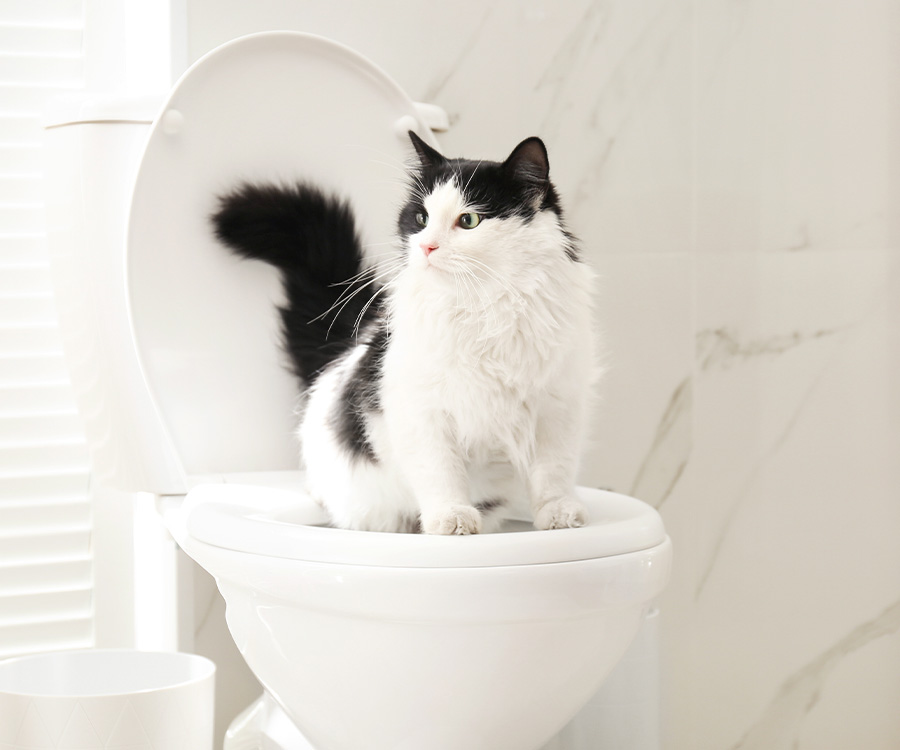
Credit: www.hartz.com
Long-term Care And Maintenance
Teaching cats to use the toilet requires patience and consistency. Gradually move their litter box closer to the toilet, then onto a modified seat. Reward progress with treats and praise, ensuring a stress-free experience for your feline friend. This method promotes hygiene and convenience in long-term cat care.
Training your cat to use the toilet is an exciting journey. It’s a marvel to see your feline friend take on the challenge and succeed. But what happens after the initial success? Long-term care and maintenance are crucial to ensure your cat continues to use the toilet consistently. Let’s explore how you can support your cat in maintaining this skill over time.Consistency Is Key
Consistency in training ensures that your cat doesn’t revert to old habits. Once your cat is comfortable using the toilet, keep the routine steady. Cats thrive on routine, so sticking to a schedule can help them stay on track. Set specific times for bathroom visits. This helps reinforce the habit. If your cat starts showing signs of regression, gently guide them back to the toilet.Keep The Toilet Clean
Cats are particular about cleanliness. A dirty toilet can deter them from using it. Make it a habit to clean the toilet regularly to keep it inviting for your cat. Use non-toxic cleaners. This ensures safety for your cat. Avoid strong scents that might overwhelm their sensitive noses.Monitor Health And Behavior
Changes in behavior can indicate health issues. If your cat suddenly stops using the toilet, it might be time for a vet visit. Pay attention to any signs of discomfort or distress. Regular check-ups can catch problems early. Your cat’s health directly affects their ability to maintain new habits.Offer Positive Reinforcement
Positive reinforcement encourages your cat to keep using the toilet. Praise and treats can go a long way. Celebrate their successes to build confidence. Avoid punishment for accidents. This can create fear and anxiety, making your cat less likely to use the toilet.Adapt To Changes
Life changes can impact your cat’s behavior. Moving to a new home or welcoming a new family member might disrupt their routine. Be patient and provide support during these transitions. Prepare for adjustments. You may need to reintroduce training steps in new environments. Conclusion: Training your cat to use the toilet is a rewarding experience. With attention to long-term care and maintenance, you can ensure your feline friend remains consistent in their new skill. How do you plan to support your cat’s toilet training journey? Share your thoughts and experiences in the comments below!
Credit: www.washingtonpost.com
Frequently Asked Questions
Can You Train Cats To Use The Toilet?
Yes, cats can be trained to use the toilet. Start gradually by moving their litter box closer to the toilet. Use a toilet training kit designed for cats to guide them. With patience, consistency, and rewards, your cat can learn to balance on the toilet seat.
How Long Does It Take To Train A Cat To Use A Human Toilet?
Training a cat to use a human toilet typically takes 2 to 6 weeks. Consistency and patience are key. Start with a gradual transition from litter box to toilet seat. Use a training kit designed for toilet training cats. Monitor progress and adapt based on your cat’s comfort level.
Are Cats Easy To Potty Train?
Cats are generally easy to potty train. Most instinctively use a litter box. Choose a suitable litter and location. Keep it clean to encourage consistent use. Some cats may require extra guidance, but patience and positive reinforcement help. Consistency is key for successful training.
How Do I Get My Cat To Pee In The Toilet?
Train your cat using a toilet training kit. Gradually move the litter box closer to the toilet. Replace the litter box with the kit on the toilet seat. Encourage your cat with treats and praise. Be patient, as this process takes time and consistency.
Conclusion
Training your cat to use the toilet is achievable. Patience and consistency are key. Start with a litter box near the toilet. Gradually move the box closer, then onto the seat. Use positive reinforcement, like treats and praise. Cats need time to adjust, so be gentle.
Avoid rushing the process. Each cat learns at their own pace. Celebrate small successes along the way. Your efforts can lead to a cleaner home. Remember, every cat is unique. Some may prefer traditional litter boxes. Stay flexible and attentive to your cat’s needs.
Enjoy the journey together!

Similar Posts