How to Train Cat in Litter Box: Expert Tips Revealed
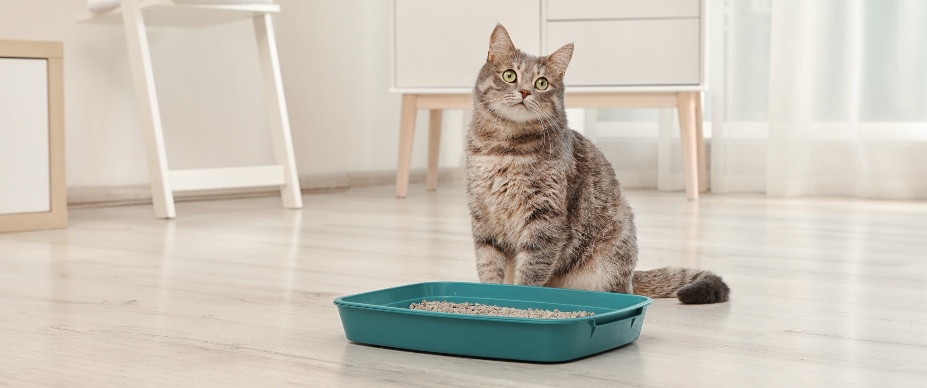
Imagine coming home to a clean, fresh-smelling house every day, without the worry of unpleasant surprises lurking in corners or under furniture. Training your cat to use a litter box can transform this dream into reality.
If you’re tired of messy floors and unwanted odors, it’s time to take control. Your feline friend can learn, and so can you. You’ll discover simple, actionable steps to successfully train your cat to use a litter box. We’ll explore common mistakes and how to avoid them, ensuring a smooth transition for both you and your furry companion.
This isn’t just about cleanliness; it’s about creating a happier, healthier environment for you both. Keep reading, and unlock the secret to a more harmonious home life with your cat.
Choosing The Right Litter Box
Training a cat in a litter box starts with choosing the right one. Consider size and placement for comfort. A clean and accessible box encourages good habits.
Training your cat to use a litter box is an essential part of responsible pet ownership. A key factor in this process is choosing the right litter box. The right one can make a world of difference not only for your cat’s comfort but also for maintaining a clean and pleasant home environment. But with so many options available, how do you make the best choice? Let’s dive into the specifics that will help you select the perfect litter box for your feline friend.Size Matters
When selecting a litter box, consider the size of your cat. A box that is too small can be uncomfortable for your pet and may discourage them from using it. Ideally, the box should be at least one and a half times the length of your cat from nose to tail. This allows them enough space to turn around and dig, which are natural behaviors.Types Of Litter Boxes
There are various types of litter boxes, including open, covered, and self-cleaning models. Open boxes are simple and easy to clean but may not contain odors well. Covered boxes offer more privacy and help control smells, but some cats might feel trapped. Self-cleaning boxes are convenient but can be noisy and expensive. Think about what will work best for your lifestyle and your cat’s preferences.Location, Location, Location
Where you place the litter box is as important as the type you choose. Cats prefer quiet, low-traffic areas where they can do their business undisturbed. Avoid placing the box near noisy appliances or in busy parts of the house. A calm and private spot will encourage your cat to use the box consistently.Material And Design
Consider the material and design of the litter box. Plastic is the most common material due to its durability and ease of cleaning. Look for a design that is simple yet functional, with smooth surfaces that won’t trap litter. Some boxes come with high sides to prevent litter scattering, which can be useful if your cat is a vigorous digger.Budget Considerations
While it’s tempting to go for the cheapest option, investing in a quality litter box can save you money and hassle in the long run. Cheaper models may break easily or fail to contain odors effectively. Weigh the pros and cons of spending a little more for a box that meets both your needs and those of your cat. Choosing the right litter box is more than just a purchase; it’s about ensuring your cat’s comfort and happiness. Have you ever noticed how your cat reacts to different boxes? Paying attention to their behavior can guide you in making the best choice. Remember, a happy cat equals a happy home.Selecting The Ideal Location
Choosing the perfect spot for the litter box is crucial. Ensure it’s quiet and easily accessible for your cat. Avoid busy areas and sudden noise to keep your feline comfortable and stress-free.
Selecting the ideal location for your cat’s litter box is a crucial step in ensuring successful training. It’s not just about finding a convenient spot for you; it’s about choosing a place where your cat feels comfortable and safe. This decision can significantly impact how quickly and effectively your cat adapts to using the litter box.Choose A Quiet Spot
Cats appreciate peace and quiet when they attend to their personal business. Imagine yourself in a bustling hallway – it’s not the most relaxing place, right? Similarly, your cat prefers a secluded area where it won’t be disturbed. Avoid placing the litter box near noisy appliances like washing machines or loud televisions that could scare your cat away.Avoid High Traffic Areas
While it might seem convenient to place the litter box in the living room or kitchen, these high traffic areas can deter your cat from using it. Your cat needs privacy, much like you do. An ideal spot is somewhere they can access easily but is away from the hustle and bustle of daily activities.Consider Accessibility
Think about how easy it is for your cat to reach their litter box. Is it too far from their favorite resting spot? Cats are creatures of habit, and if the box is inconveniently located, they might find alternative places. Ensure the box is easily accessible, especially if you have a kitten or an elderly cat.Keep It Separate From Food
Just like you wouldn’t enjoy dining in the bathroom, your cat doesn’t want their litter box too close to their food and water. Maintain a respectful distance between these areas. This separation can encourage your cat to use the litter box rather than finding other less desirable spots.Test Different Locations
If your cat isn’t using the litter box despite your best efforts, don’t be afraid to experiment. Try placing the box in different spots to see where your cat feels most comfortable. Sometimes, even a slight change in location can make a big difference.Observe Your Cat’s Preferences
Pay attention to where your cat spends most of their time. Is there a particular room or corner they seem drawn to? This can give you clues about where they might feel most at ease. Is there a spot in your home that meets all these criteria? Your cat’s needs might surprise you, and finding the perfect location can be an interesting journey. Remember, the right spot can make all the difference in your cat’s litter box training success.Introducing Your Cat To The Litter Box
Training your cat to use the litter box involves patience and consistency. Place the litter box in a quiet, accessible spot. Gently place your cat inside after meals or naps to encourage use.
Introducing your cat to the litter box can be a rewarding experience for both you and your furry friend. It’s a crucial step in ensuring a clean and harmonious living space. This process doesn’t need to be stressful or overwhelming. With the right approach, your cat will be using the litter box confidently in no time.Choose The Right Location
Cats value privacy and quiet. Place the litter box in a secluded area where your cat can feel safe. Avoid high-traffic areas or locations near loud appliances. If you have multiple cats, consider providing a litter box for each, plus one extra. This helps prevent territorial disputes and ensures each cat has its own space.Select The Appropriate Litter
Cats have preferences when it comes to litter texture and scent. If your cat doesn’t seem interested in using the litter box, try experimenting with different types of litter. Opt for unscented, clumping litter as a starting point. This type is often more appealing to cats and easier for you to clean. Take note of any changes in behavior with each type you try.Introduce Gradually
Gently guide your cat to the litter box and let them explore it on their own terms. You might want to place them near it after meals or naps when they’re likely to need it. If they seem unsure, use a soft voice to encourage them. Avoid forcing or scolding your cat, as this can create negative associations.Positive Reinforcement
Reward your cat with treats or affection when they use the litter box successfully. Positive reinforcement encourages repeat behavior and helps your cat associate the litter box with positive outcomes. Remember to keep these rewards immediate and consistent to reinforce the right behavior. Have you noticed how a simple treat can motivate your cat?Maintain Cleanliness
Cats are clean creatures, and a dirty litter box can deter them from using it. Scoop the litter daily and clean the box regularly. Consider placing a mat under the litter box to catch stray litter and keep the area tidy. How does your cat react to a freshly cleaned box? Successfully introducing your cat to the litter box requires patience and observation. Each cat is unique, so be attentive to their preferences and needs. Through understanding and positive reinforcement, you’ll foster a healthy litter box routine for your feline companion.Types Of Cat Litter
Training a cat in the litter box involves choosing the right litter type. Clumping litter makes cleaning easier, while non-clumping varieties absorb moisture. Some cats prefer natural or biodegradable options. Selecting the best type ensures your cat feels comfortable using the litter box regularly.
Training your cat to use the litter box can be a rewarding experience, but one crucial aspect to consider is the type of cat litter you choose. Different types of litter have their own benefits and drawbacks. Understanding these can help you make a decision that suits both you and your feline friend.Clay Litter
Clay litter is one of the most common types you’ll find. It’s affordable and effective at absorbing moisture. Many cats seem to enjoy its texture, making it a popular choice. However, it can be dusty, which might not be ideal for cats with respiratory issues or for your cleaning routine.Clumping Litter
Clumping litter is favored for its convenience. It forms solid clumps when wet, which makes scooping easier. This feature can save you time and effort during clean-up. Keep in mind, though, that some cats may not like the texture, and it can track outside the box if not managed properly.Silica Gel Crystals
Silica gel crystals are unique in their ability to control odor. They absorb moisture while keeping the litter box fresh. If you’re sensitive to smells, this might be a good option. They’re pricier than other types, but less frequent changes might balance the cost.Biodegradable Litter
Are you environmentally conscious? Biodegradable litter made from materials like corn, wheat, or recycled paper might appeal to you. These are great for reducing your environmental footprint. Some cats appreciate the natural feel, but others might take time to adjust.Pine Litter
Pine litter offers a pleasant natural scent and is made from renewable materials. If you want a more natural option, this could be it. It’s less dusty than clay, but not all cats will take to its texture right away. Choosing the right litter involves considering your cat’s preferences and your lifestyle. Have you noticed your cat reacting differently to various types? Your observations can guide your choice. Remember, the right litter can make training a smoother experience for both you and your cat.Maintaining Cleanliness And Hygiene
Training cats to use a litter box is essential for maintaining cleanliness at home. Start by placing the box in a quiet, accessible spot. Encourage your cat with gentle guidance and patience to ensure they feel comfortable using it.
Training your cat to use a litter box is just the first step. Maintaining cleanliness and hygiene is crucial for your cat’s health and comfort. A clean litter box not only keeps unpleasant odors at bay but also encourages your cat to use it consistently. Let’s dive into how you can achieve a spotless environment for your feline friend.Regular Cleaning Schedule
Establish a routine to clean the litter box. Scoop out waste daily to prevent buildup. This not only keeps the box fresh but also minimizes the chance of your cat avoiding it due to unpleasant smells or sights. Consider a weekly deep clean. Empty the entire box and scrub it with mild soap and water. This removes any lingering odors and bacteria. Dry it thoroughly before refilling with fresh litter.Choosing The Right Litter
Not all litters are created equal. Opt for clumping litter, as it makes cleaning easier and controls odors better. Some cats might be sensitive to certain types of litter, so pay attention to any signs of discomfort. Experiment with unscented options. While scented litter may appeal to you, cats often prefer their litter odor-free. Their noses are sensitive, and strong scents might deter them from using the box.Location Matters
Place the litter box in a quiet, accessible spot. Avoid high-traffic areas or places where noise might startle your cat. A calm environment encourages regular use. Ensure the location is convenient for cleaning. If the box is tucked away in a hard-to-reach spot, you might be less inclined to maintain it regularly.Monitoring Your Cat’s Habits
Observe your cat’s litter box habits. If you notice any changes, such as reluctance to use the box, it might be time to reassess your cleaning practices. Consider why your cat might be avoiding the box. Is it not clean enough? Is the location inconvenient? Identifying these issues early can prevent bigger problems down the line.Preventing Litter Box Aversion
A clean box prevents litter box aversion. Cats are naturally clean animals and will avoid using a dirty box. Keeping the box clean is not just about comfort but also about ensuring your cat’s health. Ask yourself: Would you want to use a bathroom that hasn’t been cleaned in days? Your cat feels the same way about their litter box. Regular maintenance is key to preventing aversion and ensuring your cat feels at home. Maintaining cleanliness isn’t just a task; it’s a commitment to your cat’s well-being. With these steps, you can create a welcoming space that your cat will happily use every day.
Credit: hoosierfix.com
Dealing With Resistance
Training a cat to use a litter box can be challenging. Start by placing the box in a quiet spot. Gradually introduce your cat to it, rewarding good behavior with treats.
Training a cat to use the litter box can sometimes feel like a battle of wills. You might have envisioned a seamless transition, but your feline friend has other ideas. It’s normal for cats to resist the litter box for various reasons, but understanding and addressing these issues can make the process much smoother.Common Issues
Some cats may resist the litter box due to stress or past experiences. A change in environment, like moving to a new home, can also upset their routine. Medical issues could be another cause, so it’s crucial to rule out any health problems with a vet visit. Other common issues include the litter box’s location or type. Cats can be picky about where they do their business. A noisy or high-traffic area might deter them. Similarly, the wrong type of litter can be off-putting. Have you considered if the litter is too perfumed or rough for their paws?Solutions And Techniques
Start by experimenting with different litter types. Try unscented or softer varieties. You might find that your cat has a strong preference for one. Ensure the litter box is in a quiet, accessible location. Cats value their privacy. Is there a spot in your home that meets these criteria? If resistance persists, consider using a second litter box. Sometimes, the issue isn’t with the box but with the number available. More boxes can mean fewer accidents. Positive reinforcement works wonders. Reward your cat with treats or affection when they use the box correctly. It’s amazing how a little praise can motivate behavior. Have you ever thought about using a clicker? Clicker training isn’t just for dogs. Cats respond well to it too. It can be an effective way to encourage litter box use. Remember, patience is key. Every cat is unique, and some may take longer to adjust. Keep trying different strategies until you find what clicks for your feline friend.Positive Reinforcement Techniques
Training your cat to use the litter box can be simple. Positive reinforcement techniques make the process enjoyable for both you and your cat. These techniques help your cat associate good behavior with rewards. This builds a healthy habit of using the litter box regularly.
Rewarding With Treats
Start by using treats your cat loves. Each time your cat uses the litter box, offer a small treat. Place the treat near the litter box to create a positive connection. This encourages your cat to use the box again.
Using Praise And Petting
Cats respond well to praise and gentle petting. Offer verbal praise when your cat uses the litter box. Use a calm and happy tone. Follow up with gentle petting to reinforce the positive experience.
Consistency Is Key
Be consistent in your approach. Reward your cat every time it uses the litter box. Consistency helps your cat understand what is expected. It strengthens the habit over time.
Patience And Understanding
Patience is crucial during the training process. Every cat learns at its own pace. Stay calm and understanding if there are accidents. With time and positive reinforcement, your cat will learn.
Creating A Comfortable Environment
Ensure the litter box area is comfortable for your cat. Keep it clean and accessible. A pleasant environment makes your cat more willing to use the box. This supports the training process effectively.
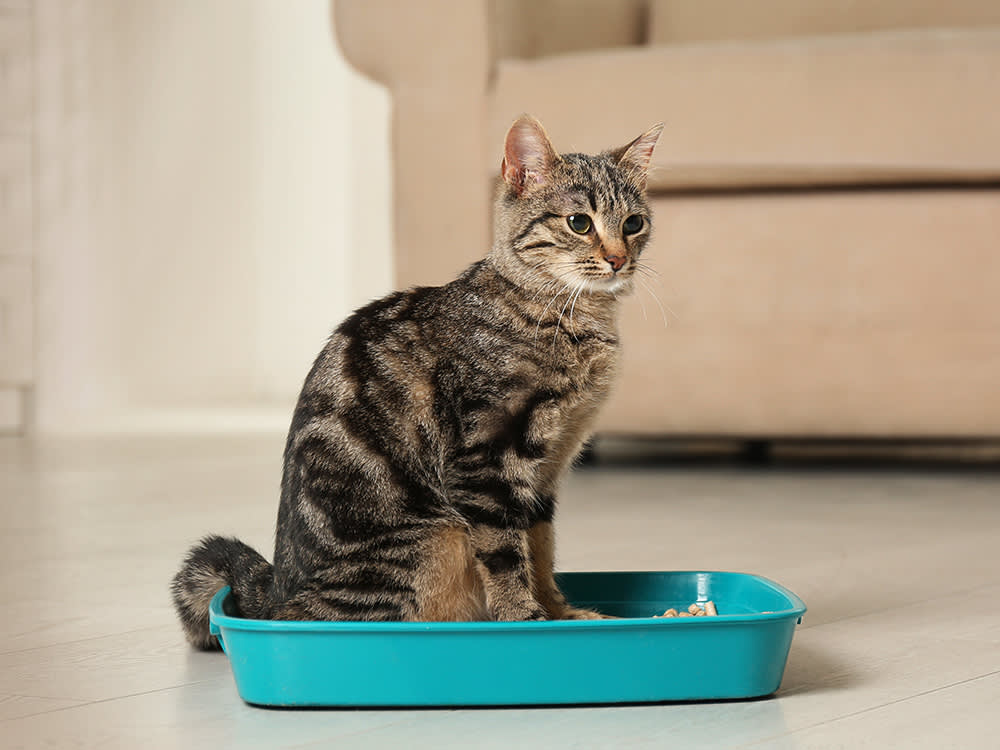
Credit: www.kinship.com
Monitoring And Adjusting
Training a cat to use the litter box involves patience and observation. Monitoring your cat’s behavior is crucial for successful training. Adjusting techniques helps cater to your cat’s specific needs. This section focuses on how to watch and adapt to ensure your cat learns effectively.
Understanding Your Cat’s Routine
Observe your cat’s daily habits. Know when they usually need the litter box. Cats often follow a routine. They might use the box after eating or playing. Keep track of these times. This helps you guide them to the litter box when necessary.
Signs Your Cat Needs Adjustment
Watch for signs if your cat avoids the litter box. Check for frequent accidents outside the box. This might mean something is wrong. Cats can be picky about cleanliness or location. Be ready to make changes to the setup.
Adapting To Your Cat’s Preferences
Consider what your cat likes. Some cats prefer certain types of litter. Others might need a quieter spot for the box. Test different litters or move the box to a new location. Observe which changes help improve your cat’s behavior.
Tracking Progress
Keep a record of changes and their effects. Note improvements or setbacks. This helps you understand what works best. Adjust as needed based on progress. Stay patient and flexible in your approach.
Seeking Professional Help
If problems persist, consult a vet or pet behavior expert. They can offer advice tailored to your cat. Professional guidance ensures your cat receives the best care. It also helps address any health issues affecting behavior.
Expert Tips For Success
Training your cat to use the litter box can be a rewarding journey. Cats are naturally inclined to bury their waste, making litter box training straightforward. With expert tips, you can ensure success and maintain a clean and happy home. Understanding your cat’s needs and habits is key.
A spacious litter box suits most cats. It should be easy to enter and exit. Avoid boxes with high sides for kittens and older cats. Consider the location; it should be quiet and accessible. Ensure it’s not near their food or water.
Picking The Best Litter
Your cat may have a preference for certain types of litter. Experiment with clumping, non-clumping, scented, or unscented. Choose a litter that minimizes dust for better health. Keep it clean to attract your cat.
Consistent Routine
Consistency is essential in training. Stick to feeding and cleaning schedules. This helps your cat develop habits. Regularly scoop waste and change litter. A clean box encourages use.
Positive Reinforcement
Reward your cat when they use the litter box. Praise or offer a treat. Positive reinforcement builds good habits. Avoid punishment; it can cause stress and confusion.
Observing Behavior
Watch for signs your cat needs to go. Scratching or circling indicates they are ready. Guide them to the box when you notice these signs. This helps them associate the box with relief.
Addressing Issues
Accidents happen. Clean them thoroughly to remove odor. Ensure no health issues are present. Consult a vet if your cat struggles with training. They can offer advice or check for medical concerns.
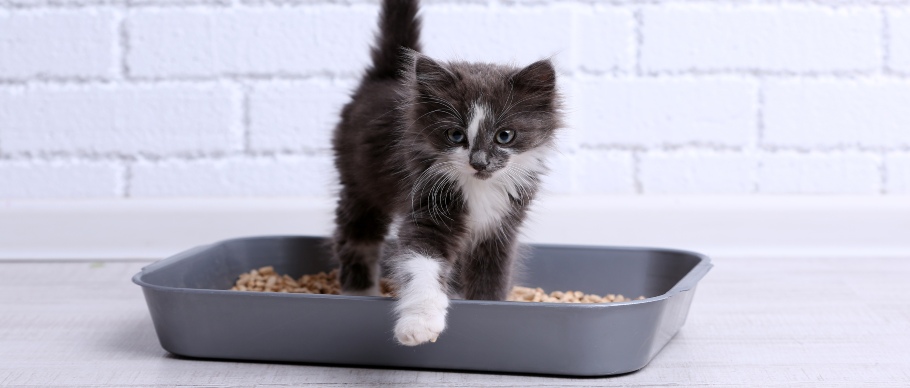
Credit: www.fourpaws.com
Frequently Asked Questions
How Long Does It Take To Train A Cat To Use A Litter Box?
Training a cat to use a litter box typically takes about one to two weeks. Ensure consistency and patience. Most cats learn quickly with proper guidance. Place the litter box in a quiet, accessible location. Clean it regularly to encourage usage.
Reward your cat for successful use.
How Do I Train My Cat To Use The Litter Box?
Place the litter box in a quiet, accessible location. Encourage your cat by placing them inside. Praise them when they use it. Clean the box regularly to keep it inviting. Maintain a consistent routine for feeding and litter box access.
Are Cats Hard To Litter Box Train?
Cats are generally easy to litter box train due to their natural instincts. Provide a clean, accessible litter box and show them where it is. Most cats quickly learn and use it consistently. Consistent cleaning and a quiet location help maintain their litter box habits.
How Do I Get My Cat To Pee In The Litter Box?
Ensure the litter box is clean and in a quiet, accessible location. Use unscented litter your cat prefers. Encourage your cat with positive reinforcement, rewarding them for using the box. Gradually move them to the litter box if accidents occur.
Consult a vet if problems persist.
Conclusion
Training your cat to use the litter box is achievable. Start with patience and encouragement. Cats respond well to positive reinforcement. Reward their successes with treats and praise. Keep the litter box clean and accessible. Consistency is key; make it a routine.
Observe your cat’s habits and adjust as needed. Troubleshoot issues promptly to avoid setbacks. Every cat is unique, so be flexible with methods. Celebrate each milestone, no matter how small. With time and effort, your cat will adapt. Enjoy a cleaner home and a happier pet.
Your journey to success is within reach!

Similar Posts