How to Potty Train Cat Litter Box: Expert Tips
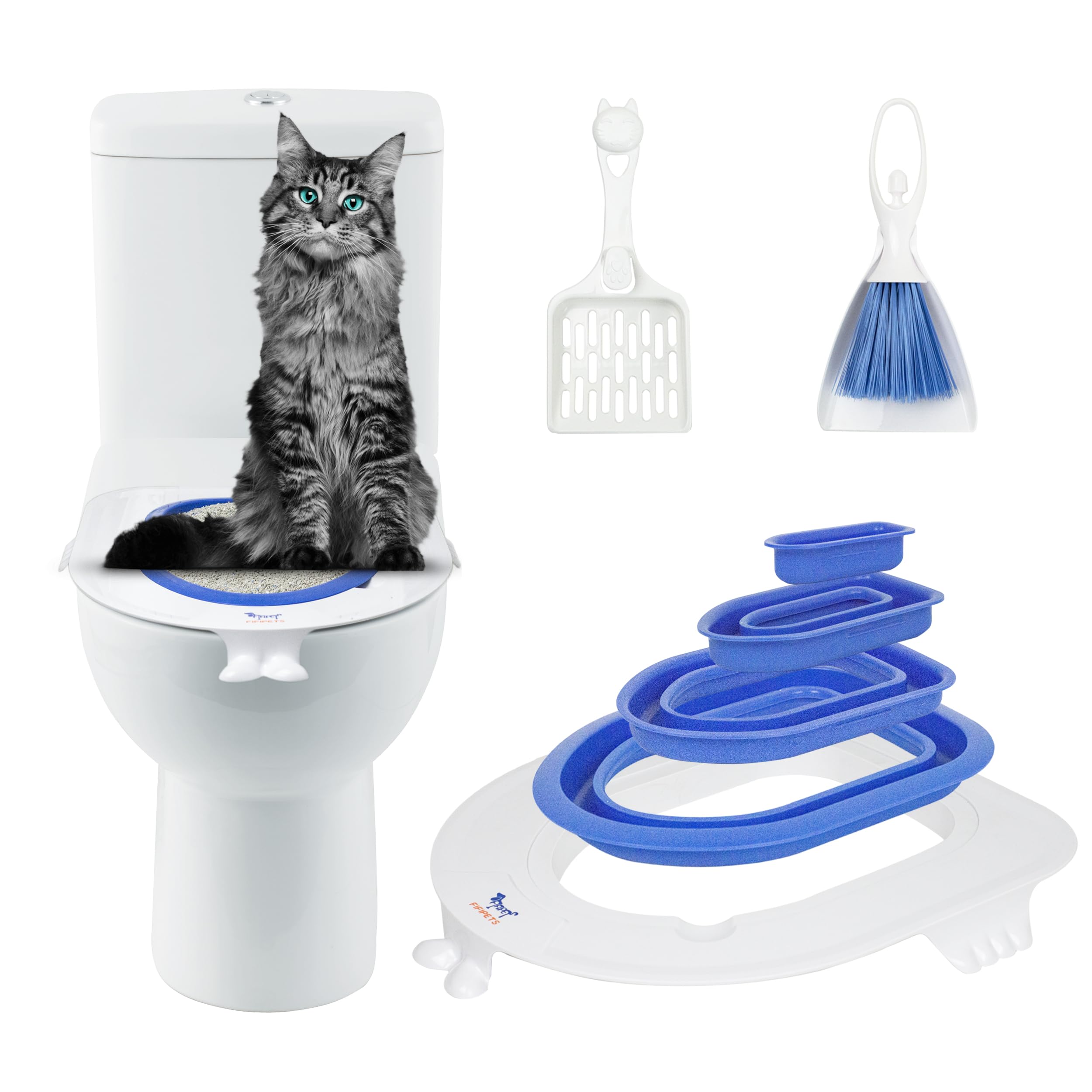
Are you tired of dealing with the mess and stress of your cat not using the litter box? You’re not alone.
Many cat owners face the challenge of potty training their furry companions, and it can feel like an uphill battle. But what if you could turn this daunting task into a straightforward and rewarding experience? Imagine the relief of a clean home and a happy, well-trained cat.
In this guide, you’ll discover simple and effective methods to potty train your cat to use the litter box. By understanding your cat’s instincts and behaviors, you can create a seamless transition that benefits both you and your feline friend. Ready to transform your cat’s bathroom habits and reclaim your space? Let’s dive into the secrets of successful cat litter box training.
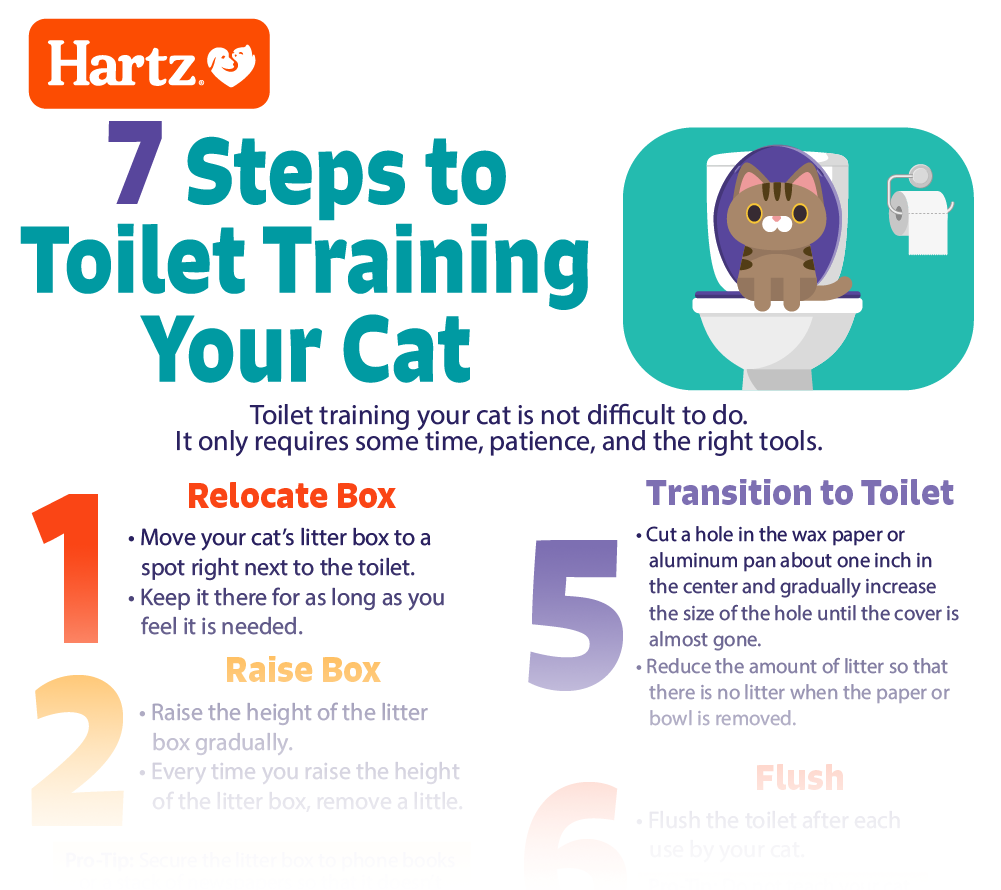
Credit: www.hartz.com
Choosing The Right Litter Box
Training a cat to use a litter box starts with the right choice. The right litter box makes the process smooth. It encourages your cat to use it regularly. Consider size, depth, and type before buying. Let’s explore these factors.
Size And Depth Considerations
A spacious litter box is essential. Cats need room to move comfortably. A small box can discourage use. Choose a box that fits your cat’s size. Larger breeds need more space. The box should also be deep enough. A depth of 3-4 inches works well. It prevents litter from spilling out. Shallow boxes can create a mess. Deep boxes contain litter better.
Covered Vs. Uncovered Options
Both covered and uncovered boxes have their benefits. Covered boxes offer privacy. They reduce odor and mess. Shy cats often prefer this option. Some cats feel trapped in covered boxes. Uncovered boxes are open and airy. They allow easy access and exit. Consider your cat’s preferences. Observe their behavior to decide. Try different options if unsure.
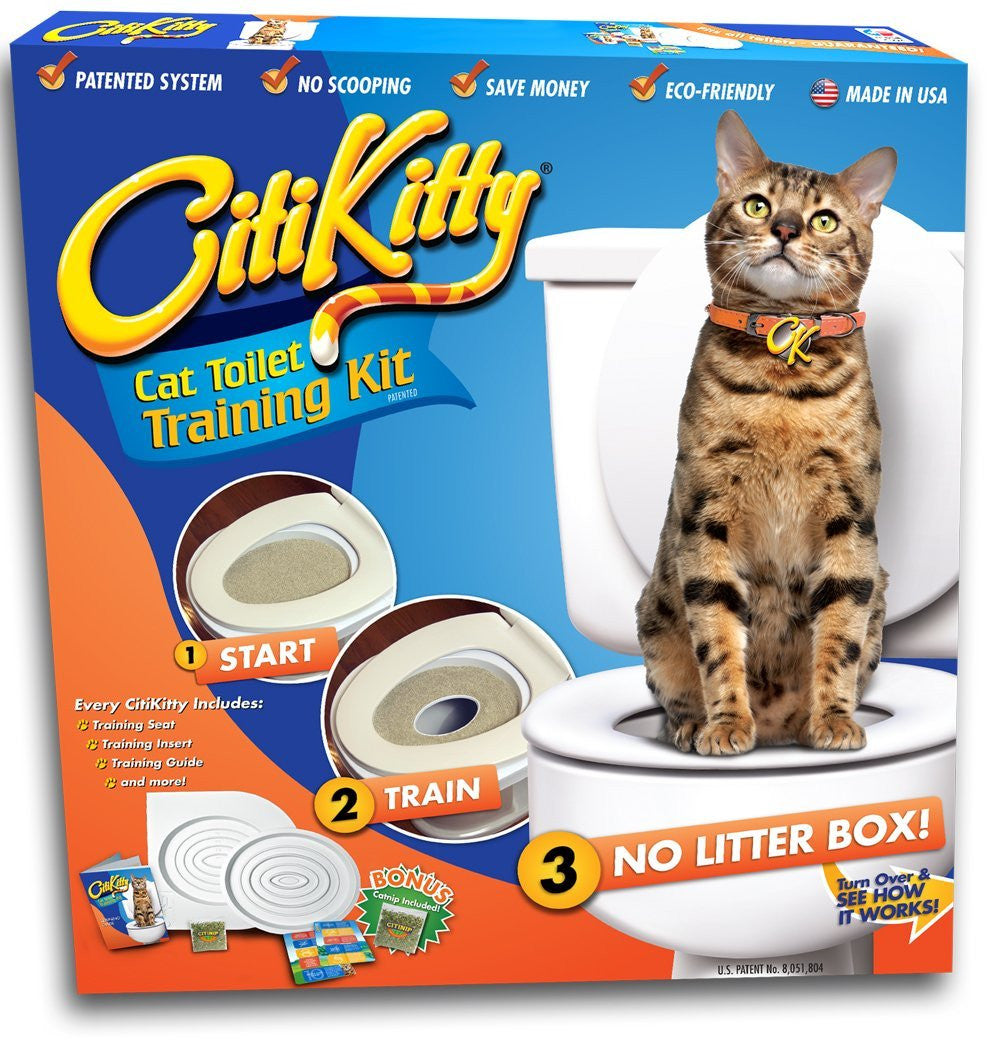
Credit: www.citikitty.com
Selecting The Best Cat Litter
Choosing the right cat litter is crucial for successful potty training. The litter you select impacts your cat’s comfort and health. It also affects how easy it is to keep the litter box clean. Cats have preferences, so finding what suits your feline friend is key.
Clumping Vs. Non-clumping
Clumping litter forms solid clumps when wet. This makes it easy to scoop and clean. Non-clumping litter absorbs moisture but does not form clumps. It requires more frequent complete changes. Clumping litter often controls odor better due to its easy removal. Non-clumping is usually more affordable, though. Consider your cleaning preferences and budget.
Scented Vs. Unscented
Scented litter masks odors with added fragrances. This can be pleasant for humans. Yet, strong scents might deter sensitive cats. Unscented litter relies on natural odor control. It is often preferred by cats with allergies or sensitivities. Think about your cat’s comfort and your home’s air quality. Cats’ noses are more sensitive than ours.
Ideal Placement Of The Litter Box
Choosing the right spot for a cat’s litter box matters. Cats are sensitive creatures. An ideal location makes training easier. It helps them feel safe and comfortable. The right place can prevent accidents around the house.
Quiet And Accessible Locations
Cats prefer quiet places. Loud noises can scare them away. Choose a calm spot in your home. Make sure the area is easy to reach. Cats should not struggle to find their litter box. An accessible location encourages regular use.
Avoiding High Traffic Areas
Avoid placing the litter box in busy areas. High traffic spots can stress cats. They need privacy during bathroom breaks. Choose a corner or secluded spot. It gives them the peace they need. This can lead to better litter box habits.
Creating A Positive Experience
Training your cat to use a litter box can be rewarding. Start by placing the litter box in a quiet, accessible area. Encourage your cat with praise and treats when they use it correctly.
Creating a positive experience for your cat while potty training is crucial for success. Cats are independent creatures and respond best to environments that make them feel secure and loved. By focusing on positive reinforcement and gentle introduction techniques, you can transform the litter box into a space your cat willingly embraces.Reward-based Training
Reward-based training is all about celebrating your cat’s victories. When your cat uses the litter box correctly, offer a treat or a favorite toy as a reward. This reinforces the behavior and encourages your cat to repeat it. Consistency is key. If you notice your cat heading towards the litter box, praise them. This helps them associate the litter box with positive experiences. Imagine the joy of seeing your feline friend eagerly trot to the litter box, knowing a reward awaits them.Gradual Introduction Techniques
Introducing your cat to a new litter box can feel overwhelming for both of you. Start by placing the litter box in an area where your cat feels comfortable. This could be a quiet corner of your home where they already like to hang out. If your cat seems hesitant, try placing familiar objects nearby, like their blanket or toy. This builds trust and encourages exploration. Patience is essential. Give your cat time to discover the litter box at their own pace. Have you ever watched a cat cautiously approach something new, sniffing and observing? That curiosity is your ally in potty training. Creating a positive experience is all about understanding your cat’s needs and responding with love and encouragement. What steps will you take today to make your cat’s potty training journey a joyful one?Maintaining Cleanliness
Maintaining cleanliness in your cat’s litter box is crucial. A clean litter box encourages your cat to use it consistently. Cats are clean animals. They prefer a fresh environment. Neglecting cleanliness can lead to accidents elsewhere in your home. Consistent maintenance keeps unpleasant odors at bay. Plus, it ensures your cat remains healthy and happy. Let’s explore how to maintain a clean litter box effectively.
Regular Scooping Routine
Scoop the litter box daily. Remove clumps and waste promptly. This keeps the box fresh. It also reduces odor. Use a scoop with small holes. This ensures only waste is removed. Add a bit of fresh litter to replace what you removed. This maintains the right depth for your cat. A consistent scooping routine makes a big difference.
Deep Cleaning Schedule
Set a regular schedule for deep cleaning. Once a week is ideal. Empty the entire box. Wash it with mild soap and water. Avoid strong cleaners. Rinse thoroughly. Let it dry completely before adding new litter. This prevents moisture and odors. Deep cleaning helps remove bacteria. It ensures a hygienic place for your cat.
Addressing Common Challenges
Training your cat to use the litter box can be tricky. Many cat owners face challenges during this process. Being prepared helps you handle these situations with ease. Let’s explore common challenges and solutions.
Dealing With Accidents
Cats might have accidents outside the litter box. Clean up the mess immediately to remove the scent. Use an enzyme cleaner to ensure no lingering smell. Make sure the litter box is easily accessible for your cat. Check if the litter box is clean and has enough litter. Cats prefer a fresh and clean environment.
Observe your cat’s behavior. Accidents may signal stress or medical issues. Consult a vet if you suspect health problems. Sometimes, changing the litter type helps. Cats can be picky about texture and scent.
Handling Multi-cat Households
Multiple cats can complicate litter box training. Ensure you have enough litter boxes. A good rule is one box per cat plus one extra. Place them in different locations around your home. This gives cats privacy and options.
Monitor litter box usage. Some cats dominate certain boxes. Encourage fair use by observing and redirecting. Clean litter boxes regularly to prevent territorial disputes. Cats appreciate a clean space, especially in shared homes.
Consider different litter types for each box. This can cater to each cat’s preference. It also helps reduce conflicts and ensures all cats are comfortable.
Signs Of Successful Potty Training
Successfully potty training your cat to use the litter box is a rewarding experience. Observing certain behaviors will tell you if your cat has mastered this skill. Here are key signs that indicate your cat’s successful potty training journey.
Consistent Litter Box Use
One major sign is consistent litter box use. Your cat should regularly choose the litter box over other areas. A successfully trained cat will not have accidents elsewhere. Check for clean floors and furniture. These indicate your cat understands where to go.
Comfortable Behavior
A comfortable cat will approach the litter box without hesitation. Watch if your cat enters and exits the box with ease. They should dig around the litter confidently. This shows they feel safe and comfortable using it. Comfortable behavior means your cat trusts the litter box environment.
When To Seek Professional Help
Difficulty arises when a cat consistently avoids the litter box. Persistent issues can indicate a need for professional help. Consulting an expert ensures a tailored approach to address specific behavioral challenges effectively.
Potty training your cat to use a litter box is usually a straightforward process. But what do you do when things don’t go as planned? Sometimes, despite your best efforts, your furry friend may not adapt as easily as expected. It’s essential to recognize when you might need professional help. Let’s explore some situations where reaching out to an expert could be your best option.Persistent Issues
If your cat consistently avoids the litter box, it might be time to seek professional assistance. Many cat owners face this challenge, and it can be frustrating. You might have tried different types of litter, varied the location of the box, or even added more boxes around your home. Yet, your cat still refuses to use them. A professional can help identify underlying issues that you might not notice. Sometimes, simple changes recommended by an expert can make all the difference.Behavioral Concerns
Cats are creatures of habit, and sudden changes in their behavior can be perplexing. If your cat starts acting out, such as urinating outside the box or displaying aggression, it may stem from stress or anxiety. Have you recently moved homes or changed your routine? These changes can affect your cat’s behavior significantly. A professional can offer insights into your cat’s psychology. They can provide strategies tailored to your cat’s specific needs, ensuring a smoother transition to using the litter box. Have you considered the emotional aspect of your cat’s behavior? Sometimes, behavioral concerns are not just about the litter box itself but about how your cat feels. Understanding your pet’s emotions is crucial. Involving a professional can bring clarity and solutions you might not have thought possible. Is your cat trying to tell you something through its actions? Recognizing these signs early and seeking help can prevent long-term issues. Engaging with a professional doesn’t mean you’ve failed. It’s about ensuring the best environment for your cat to thrive. What steps can you take today to make life better for your feline friend?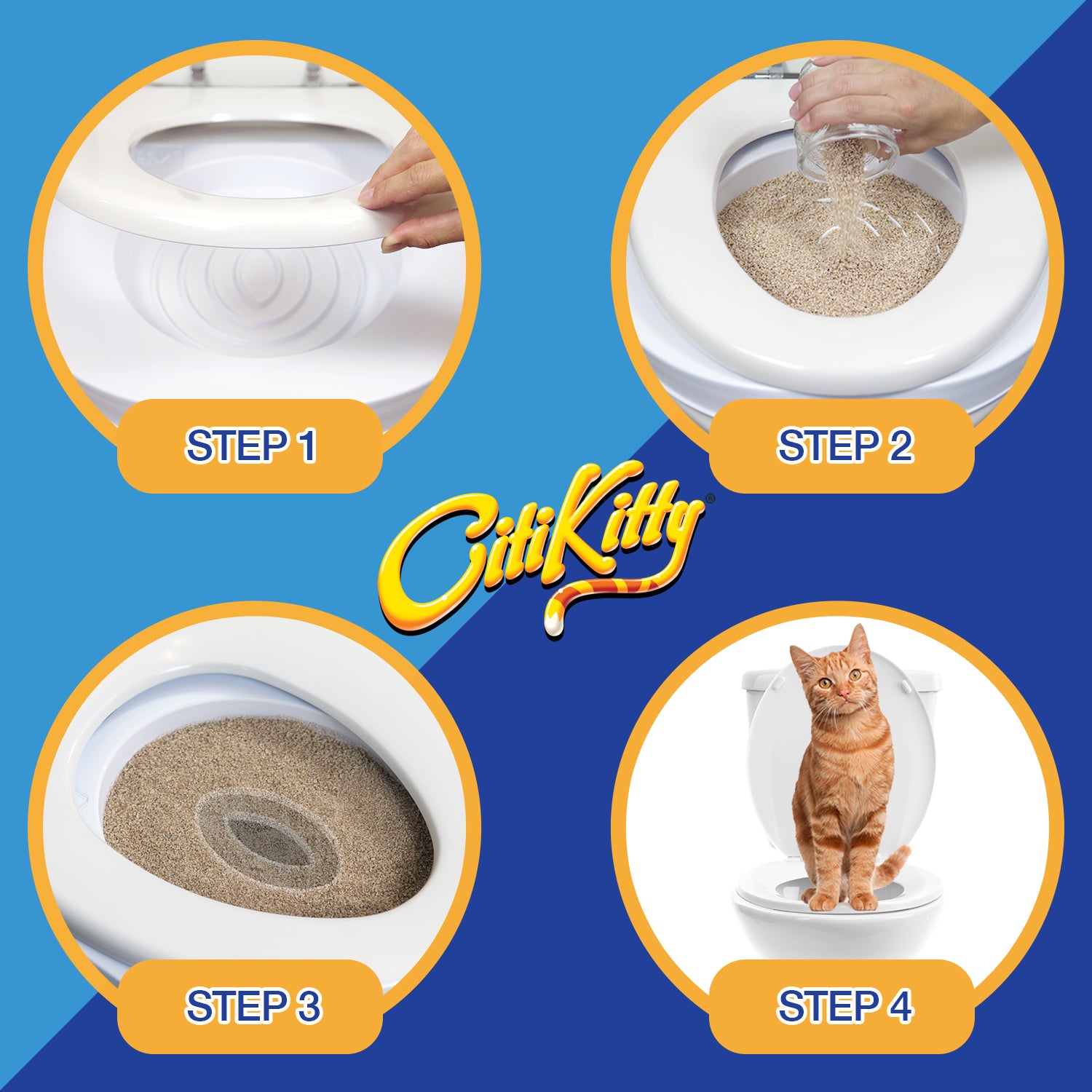
Credit: www.citikitty.com
Frequently Asked Questions
How Long Does It Take To Train A Cat To Use A Litter Box?
Training a cat to use a litter box typically takes between one to two weeks. Start by placing the box in a quiet, accessible location. Encourage your cat with positive reinforcement. Keep the box clean to prevent aversion. Consistency and patience are key for successful litter box training.
How To Potty Train A Cat To Use The Litter Box?
Place the litter box in a quiet, accessible area. Encourage your cat by gently placing them inside. Reward them with treats when they use it. Keep the box clean to maintain their interest. Be patient and consistent for successful training.
How Do I Encourage My Cat To Pee In The Litter Box?
Place the litter box in a quiet, accessible location. Clean it regularly to prevent odors. Use unscented litter. Reward your cat with treats or praise when it uses the box. Consult a vet if the issue persists.
Why Is My Litter Box Trained Cat Pooping On The Floor?
Stress, health issues, or a dirty litter box might cause your cat to poop on the floor. Check for changes in the environment, clean the litter box frequently, and consult a vet to ensure your cat’s health. Addressing these factors can help resolve the problem effectively.
Conclusion
Training your cat to use a litter box takes patience. Start with a calm environment. Choose a suitable box for your cat. Use positive reinforcement. Reward your cat for using the box correctly. Clean the litter box regularly to keep it inviting.
Observe your cat’s behavior and adjust as needed. Consistency is key. Stay patient and persistent. Every cat learns at their own pace. Celebrate small victories. Soon, your cat will be comfortable using the litter box. Enjoy a cleaner home and a happier pet.

Similar Posts