How to Train My Cat to Use the Toilet: Ultimate Guide
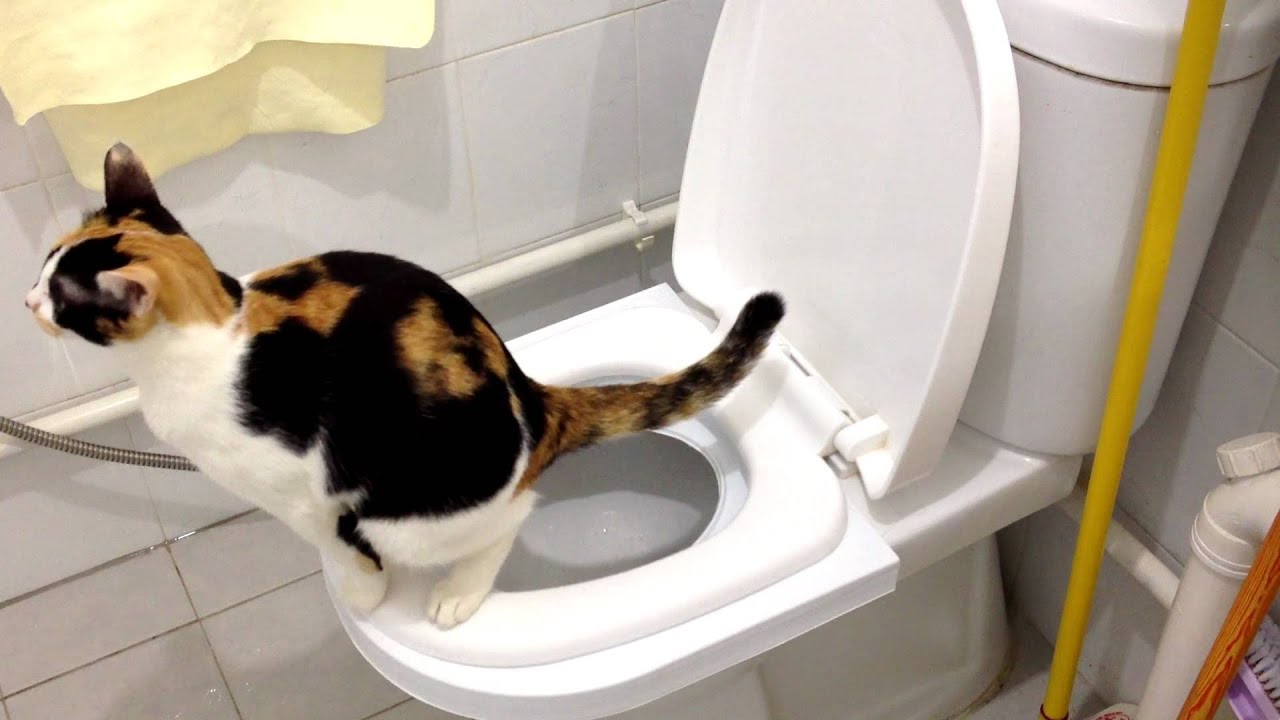
Imagine a home free of litter boxes, where your cat gracefully uses the toilet just like you do. Sounds like a dream, right?
But it can be your reality. Training your cat to use the toilet is not only possible but can also simplify your life and enhance your pet’s well-being. With the right techniques, patience, and a bit of creativity, you can transform this dream into a routine.
Are you ready to discover how to achieve this remarkable feat? Dive into the step-by-step guide and learn how to teach your feline friend this incredible skill. Let’s make your home cleaner and your life easier.
Benefits Of Toilet Training For Cats
Teaching cats to use the toilet offers convenience and reduces litter box mess. It saves time on cleaning and minimizes odors, promoting a cleaner home environment.
Training your cat to use the toilet might seem like a daunting task, but the benefits can make it worth the effort. Imagine a life without the constant need to scoop litter, no more tracking of litter granules across your floors, and a more eco-friendly household. These are just a few reasons why many cat owners are exploring the idea of toilet training their feline companions.Improve Cleanliness In Your Home
Toilet training your cat can significantly enhance cleanliness. Litter boxes, no matter how often cleaned, can harbor unpleasant odors and bacteria. By teaching your cat to use the toilet, you eliminate these issues, making your home a fresher environment.Save Money On Litter Supplies
The cost of cat litter can add up over time. By transitioning your cat to use the toilet, you can cut down on these expenses substantially. This leaves you with extra funds for other pet necessities or even a treat for yourself!Reduce Environmental Impact
Traditional cat litter is not the most eco-friendly product. Many types are made from non-biodegradable materials and contribute to landfill waste. Toilet training your cat reduces this environmental footprint, aligning with a more sustainable lifestyle.Strengthen Bond With Your Cat
The process of toilet training requires patience and communication, which can strengthen the bond between you and your cat. Working together on a common goal fosters mutual understanding and trust. This can lead to a more harmonious relationship.Challenge Your Cat’s Intelligence
Cats are smart creatures, and they thrive on challenges. Toilet training is an excellent way to engage your cat’s brain. It offers mental stimulation and can deter boredom, leading to a happier pet. Have you ever wondered how you could enrich your pet’s life while simplifying yours? Toilet training your cat might just be the answer. It’s a journey that demands commitment but rewards you with a cleaner, greener home and a more connected relationship with your pet. Are you ready to take the plunge?
Credit: www.wikihow.com
Choosing The Right Toilet Training Kit
Training a cat to use the toilet can be a rewarding journey. It requires patience, commitment, and the right tools. Choosing the right toilet training kit is crucial for success. A good kit will guide your cat gently through the process. It ensures the transition is smooth and stress-free. But how do you pick the right one? Let’s dive into the factors to consider.
Understanding The Basics Of A Toilet Training Kit
A toilet training kit typically includes a seat insert. This insert fits over your toilet bowl. It might have removable rings. These rings help your cat gradually adjust to the toilet. The kits are designed to mimic the litter box environment. This helps in reducing anxiety for your cat.
Considering Your Cat’s Size And Age
Every cat is unique. Consider your cat’s size and age before choosing a kit. Some kits are better for kittens. Others are suited for larger, adult cats. Read the kit description carefully. Choose one that matches your cat’s specific needs.
Checking For Safety Features
Safety is a top priority. Ensure the kit has non-slip surfaces. This prevents accidents and injuries. A stable seat insert is vital. It should not wobble or tip over. A secure kit keeps your cat confident and comfortable.
Ease Of Cleaning And Maintenance
Cleanliness is crucial in toilet training. Choose a kit that is easy to clean. Removable parts are a plus. They allow for thorough washing. A clean kit reduces odors and keeps your bathroom fresh.
Reading User Reviews And Feedback
User reviews are valuable. They offer insights into real-world experiences. Look for kits with positive feedback. Pay attention to comments about durability and ease of use. Reviews can guide you to the best choice.
Preparing Your Bathroom
Training your cat to use the toilet involves preparing your bathroom. This step is crucial for a smooth transition. A well-prepared bathroom can make training easier.
Setting Up The Toilet Area
Start by clearing space around the toilet. Remove any rugs or mats. This avoids distractions for your cat. Make sure the toilet lid is always up. An open lid invites your cat to explore.
Choosing The Right Training Kit
Invest in a cat toilet training kit. These kits guide your cat step by step. Choose a kit that suits your toilet size. Some kits have adjustable rings. This helps your cat adapt gradually.
Creating A Safe Environment
Safety is key for your cat. Ensure the bathroom door is secure. Your cat needs free access. Keep cleaning supplies out of reach. Cats are curious creatures. Avoid toxic risks.
Maintaining Cleanliness
A clean bathroom is essential. Cats prefer clean areas. Regularly clean the toilet seat. Use pet-safe cleaning products. A fresh environment encourages your cat. It also keeps odors away.
Introducing Your Cat To The Bathroom
Let your cat explore the bathroom. Spend time with them there. Encourage their curiosity. Use treats as rewards. This builds positive associations. Your cat will feel comfortable.
Introducing Your Cat To The Toilet
Training your cat to use the toilet involves patience and consistency. Gradually move the litter box closer to the toilet, eventually placing it on the seat. Replace the box with a training kit, encouraging your cat to balance and use the toilet naturally.
Introducing your cat to the toilet can feel like a daunting task. However, with patience and a structured approach, your feline friend might just surprise you. The key is to make the transition as smooth as possible, keeping an eye on how they respond to each step along the way.Gradual Transition From Litter Box
Start by placing the litter box near the toilet. This subtle change helps your cat associate the toilet area with their usual routine. Once they’re comfortable, gradually raise the litter box using old newspapers or magazines. Increase the height every few days, allowing your cat to adapt to the elevation. As the box reaches the toilet seat level, move it onto the toilet. Consider using a training seat that fits over the toilet bowl. During this phase, patience is crucial. Your cat needs time to adjust to the new height and location. If they show hesitation, slow down the process.Monitoring Initial Reactions
Pay close attention to how your cat reacts to each change. Are they curious? Or do they seem anxious? A curious cat may investigate the toilet seat or attempt to use it. This is a positive sign. Praise them for their efforts. An anxious cat might avoid the bathroom altogether. If you notice this, revert to the previous step and give them more time. Observe their body language. Are they relaxed or tense? Changes in behavior can offer insights into their comfort level. Consider documenting their progress. It can help identify patterns or obstacles that need addressing. Training your cat to use the toilet requires patience and adaptability. How would your cat react to these changes? Would they embrace the challenge or need more time? Every cat is unique, and understanding their reactions is key to success.Step-by-step Training Process
Training your cat to use the toilet involves gradual steps. Start by moving the litter box closer to the toilet. Gradually raise it using stacks of books. Replace the litter box with a training seat on the toilet. Over time, remove the training seat.
Patience and consistency are key.
Training your cat to use the toilet can be an exciting journey. It requires patience and a clear plan. This step-by-step process will guide you through the transformation from litter box to toilet-trained feline. With consistency and encouragement, your cat can learn this impressive skill. Let’s dive into the training process that can make your home cleaner and your life a bit easier.Starting With A Training Seat
Begin by introducing a training seat that fits over your toilet. You can find these seats online or in pet stores. Place it next to the litter box for a few days to let your cat get used to its presence. Once your cat is comfortable, transfer some litter from the box to the training seat. This familiar scent encourages your cat to use it. Gradually, move the training seat onto the toilet itself. Ensure the toilet lid is always up, and the seat is stable. Cats dislike unstable surfaces, and a wobbly seat can cause setbacks in the process.Increasing The Toilet Height
As your cat adapts to the new seat, it’s time to raise the height. Elevate the training seat incrementally using books or small boxes. This helps your cat adjust to using the toilet at its natural height. Consistency is key here; sudden changes might confuse your cat. Monitor your cat’s behavior closely. If they seem hesitant, reduce the height slightly and try again. Remember, patience is your best friend during this phase.Removing The Training Seat
Once your cat is confidently using the elevated seat, it’s time for the final step. Gradually reduce the amount of litter in the training seat until it’s empty. Then, remove the seat entirely. Your cat should now be using the toilet directly. Keep the toilet clean and accessible. If your cat regresses, reintroduce the training seat temporarily. This process can take weeks, so celebrate small victories along the way. Have you ever imagined the surprise on your guests’ faces when they discover your cat’s unique skill? It’s a rewarding experience for both you and your feline friend.Addressing Common Challenges
Training a cat to use the toilet can be tricky. Cats might resist change and unfamiliar surroundings. Patience and gradual steps help ease this transition.
Training your cat to use the toilet can be a rewarding yet challenging task. As you embark on this journey, you may encounter a few bumps along the way. Knowing how to address these common challenges can make the process smoother for both you and your feline friend.Dealing With Accidents
Accidents are a natural part of the learning process. When they happen, it’s crucial to stay calm. Cats are sensitive creatures and can pick up on your frustration, which may hinder their progress. Clean up any messes promptly to avoid lingering odors that might attract your cat back to the same spot. Use enzymatic cleaners to remove any scent traces. Consistency is key; always guide your cat back to the toilet after an accident. Have you ever considered that your cat might not understand the new setup? If your cat repeatedly has accidents, it might mean they need more time to adjust. Think about going back a step in the training process to help them catch up.Handling Resistance
Resistance is common, especially if your cat is used to a litter box. Gradually transitioning is crucial to minimize stress. Instead of rushing the process, give your cat time to adapt to each new stage. Make the toilet area inviting and familiar. Placing a piece of their bedding nearby can comfort them. Positive reinforcement, like treats or affection, can encourage your cat to embrace the change. Is your cat hesitant to make the leap? It might be a fear of the water or the new height. Consider using a toilet training seat that mimics the litter box initially. This can ease the transition and reduce anxiety. Remember, patience and understanding go a long way. Each cat is unique, and their pace may differ. Embrace the journey with flexibility and keep your expectations realistic. Your cat will appreciate your support as they learn this new skill.Ensuring Safety During Training
Training your cat to use the toilet requires safety precautions to prevent accidents. Begin with a secure toilet setup. Ensure the toilet lid stays open and stable.
Training your cat to use the toilet is both exciting and challenging. Safety is the first priority during this process. Cats are curious and can get into trouble easily. Ensuring a safe environment is crucial for successful toilet training. Below are key areas to focus on for a safe training journey.Preventing Falls
Cats can be agile but may slip during training. Ensure the toilet lid is always up and secure. Consider using a slip-resistant mat around the toilet base. This prevents slipping and gives your cat a stable footing. Monitor your cat closely during initial training sessions. Being present helps in preventing accidental falls.Maintaining Cleanliness
Cleanliness is vital for a healthy training environment. Regularly clean the toilet and surrounding area. Cats are sensitive to odors. A clean toilet encourages them to use it more. Use mild cleaners that are safe for pets. Harsh chemicals can be harmful and deter your cat. Keep the toilet seat dry to avoid accidents.Maintaining Success Post-training
Teaching a cat to use the toilet requires patience and consistency. Success means maintaining the habit post-training. Gradual adjustments and praise keep your feline friend on track.
Maintaining success post-training is crucial for your cat’s toilet habits. Once your feline friend has mastered using the toilet, consistent reinforcement ensures they stick to this new routine. Cats, like humans, benefit from a stable environment. Regular monitoring and positive reinforcement play significant roles in sustaining this behavior. Here’s how you can maintain your cat’s success and ensure a smooth toilet transition.Reinforcing Habits
Consistency is key in reinforcing habits. Praise your cat each time they use the toilet correctly. A simple reward system can be very effective. Treats or a favorite toy can motivate them. Avoid negative reinforcement as it may lead to stress. Stress can cause them to revert to old habits. Make the toilet a positive place. Keep it clean and accessible. A clean environment encourages your cat to continue using it.Monitoring Behavior Changes
Keep an eye on any changes in your cat’s behavior. Watch for signs of distress or confusion. These can indicate problems with the toilet training. If your cat starts to avoid the toilet, investigate potential causes. Changes in household dynamics can affect their habits. Ensure the toilet remains a calm, safe space. Address any behavioral changes promptly. This helps in maintaining their new toilet routine. Regular vet check-ups can also rule out health issues. Health problems can affect toilet habits.Alternative Solutions For Non-cooperative Cats
Training a cat to use the toilet can be challenging. Some cats resist the process. They might find the toilet unfamiliar or intimidating. It’s important to consider alternative solutions for these non-cooperative cats. These options can make life easier for both you and your furry friend.
1. Litter Box Upgrade
Consider upgrading your cat’s litter box. There are litter boxes with features that mimic the toilet experience. Choose one with a low entry point for easy access. Some even have a flushing mechanism to remove waste.
2. Cat Litter Mats
Litter mats can be helpful. Place them near the toilet to simulate the litter box. They can ease the transition for your cat. Cats feel more secure with familiar textures under their paws.
3. Training Pads
Training pads are another useful option. Lay them around the toilet area. They are absorbent and easy to clean. This can help your cat associate the toilet with a safe space.
4. Specialized Cat Toilets
There are specialized cat toilets available. These are designed for feline comfort. They come with features that resemble a regular toilet. This can be less stressful for your cat.
5. Patience And Consistency
Patience is key in training. Be consistent with your approach. Praise your cat for small successes. Encouragement can make a big difference in training.
6. Professional Help
Consider seeking help from a professional trainer. They can offer tailored advice. Experts can provide specific strategies. This can be beneficial for stubborn cats.
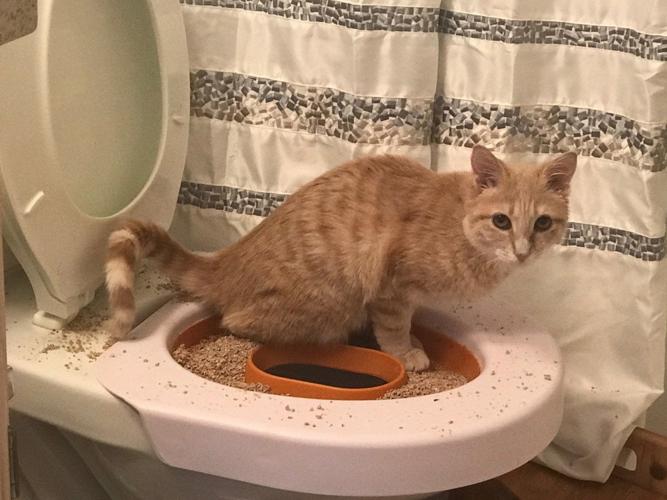
Credit: gazette.com

Credit: www.washingtonpost.com
Frequently Asked Questions
How Long Does It Take To Train A Cat To Use The Toilet?
Training a cat to use the toilet usually takes 2 to 6 weeks. Consistency and patience are crucial. Start with a litter box near the toilet, gradually moving it onto the seat. Use a training kit designed for cats to help with the transition.
Every cat learns at its own pace.
How Do I Get My Cat To Pee In The Toilet?
Start by gradually moving the litter box closer to the toilet. Use a special cat toilet training kit. Ensure your cat is comfortable at each step before progressing. Be patient and reward your cat with treats for using the toilet.
How To Train Your Cat To Pee And Poop In Litter?
Introduce your cat to the litter box by placing them inside. Reward them with treats after using it. Keep the litter box clean to encourage use. Consistency and patience are key for successful training.
At What Age Are Cats Fully Potty Trained?
Cats are usually fully potty trained by 4 to 6 months of age. Kittens learn quickly from their mothers. It’s important to provide a clean litter box and positive reinforcement. Consistency in training helps ensure proper potty habits.
Conclusion
Training your cat to use the toilet takes patience and time. Cats are smart and can learn this skill with consistency. Start slowly, allowing your cat to adapt. Use positive reinforcement to encourage progress. Keep the toilet clean to avoid any setbacks.
Celebrate small victories along the journey. Remember, each cat learns at their own pace. Stay patient and supportive throughout the process. With dedication, your cat can learn to use the toilet. This will save on litter and reduce mess. Enjoy a cleaner home and a happy, toilet-trained cat.

Similar Posts