How to Help My Cat’s Anxiety: Expert Tips & Tricks
Do you often find your feline friend hiding under the bed or pacing around the house nervously? If your cat seems anxious, you’re not alone.
Many pet owners face the challenge of helping their cats feel more secure and comfortable. Understanding what’s causing your cat’s anxiety is the first step toward a happier, healthier life for your pet. You’ll discover practical tips and strategies to ease your cat’s stress, creating a peaceful environment that both you and your furry companion can enjoy.
Keep reading to unlock the secrets of a stress-free life for your cat, and watch them flourish like never before.
Credit: www.cats.org.uk
Causes Of Cat Anxiety
Understanding what causes anxiety in cats is crucial for pet owners. Identifying the triggers helps in providing effective solutions. Cats, much like humans, experience anxiety due to various reasons. Let’s explore some common causes.
Environmental Changes
Changes in the environment can unsettle cats. Moving to a new home or rearranging furniture may cause stress. Even adding a new pet can disrupt their sense of security. Cats thrive on routine and predictability. Sudden changes can lead to anxiety.
Health Issues
Health problems can also trigger anxiety in cats. Pain or discomfort from an illness can make them uneasy. Regular vet check-ups are essential. Identifying and treating health issues early can reduce anxiety. Cats may not always show obvious signs of illness. Monitor their behavior closely for any changes.
Lack Of Socialization
Socialization plays a key role in a cat’s comfort. Cats isolated during their early months may become anxious. They may struggle to adapt to new people or pets. Encourage gentle interactions from a young age. This helps build confidence and reduces fear in social settings.
Recognizing Anxiety Symptoms
Recognizing anxiety symptoms in cats can help you offer the right support. Watch for changes in behavior or appetite. Create a calm environment to soothe their stress and anxiety.
Recognizing anxiety symptoms in cats is crucial for their well-being. Cats often hide their stress, making it hard to detect. Understanding the signs can help you offer better care. Identifying these symptoms early can prevent severe health issues.Behavioral Signs
Anxious cats may hide more than usual. They might avoid interaction with people or other animals. Increased aggression is another sign of stress. Watch for excessive grooming, leading to bald patches. Scratching furniture or walls could indicate anxiety. Vocalization changes are also common. Your cat might meow or yowl frequently.Physical Indicators
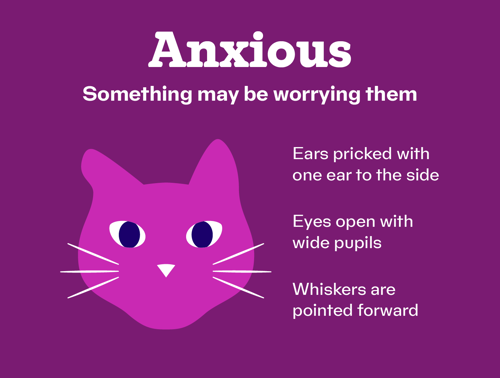
Physical symptoms can be subtle. Pay attention to your cat’s body language. Dilated pupils or flattened ears signal stress. Rapid breathing is another indicator. Some cats develop tremors or shake. Fur loss can occur due to constant grooming. Frequent vomiting or diarrhea might also suggest anxiety.Changes In Eating Habits
Anxiety can alter a cat’s appetite. Some cats eat less due to stress. Others might overeat to self-soothe. Sudden weight changes are a red flag. Monitor your cat’s eating patterns closely. Persistent changes require a vet’s attention. Familiarize yourself with your cat’s normal habits.Creating A Safe Space
Helping a cat with anxiety involves creating a calm environment. Provide cozy hiding spots and keep a consistent routine. Gentle interaction and soothing sounds can also help reduce stress and make your cat feel secure.
Creating a safe space for your cat can significantly ease their anxiety. Cats, much like humans, thrive in environments where they feel secure and comfortable. Providing a sanctuary can help your furry friend relax and reduce stress. Let’s explore how you can create this haven for your feline companion.Comfortable Environment
A comfortable environment is crucial for your cat’s well-being. Ensure that your cat’s space is quiet and away from high-traffic areas of your home. Soft bedding and cozy blankets can make all the difference. Think about the temperature in the room. Cats prefer warm spots, so placing their bed near a sunny window can be soothing. How would you feel if your bed was in a drafty hallway?Secure Hiding Spots
Cats often retreat to hidden spaces when they feel threatened. Creating secure hiding spots can offer them a sense of safety. Consider adding a cat tree with enclosed cubbies or a simple cardboard box. I remember when I first brought home my timid rescue cat. She immediately sought refuge in a quiet corner behind the couch. Providing intentional hiding spots can prevent your cat from choosing less desirable places.Calming Sounds And Scents
Soothing sounds and scents can have a calming effect on anxious cats. Soft music or nature sounds can help mask distressing noises from outside. Have you tried playing calming music during a thunderstorm? Scents can also play a role in relaxation. Cat pheromone diffusers, available at pet stores, can be a game changer. These products release synthetic pheromones that mimic the ones cats naturally produce, promoting a sense of calm. By focusing on these elements, you’ll create a sanctuary where your cat can feel safe and at ease. How will you start transforming your home into a feline-friendly haven?Diet And Nutrition
Cats can experience anxiety, impacting their overall well-being. A balanced diet rich in omega-3 fatty acids may help soothe stress. Nutrients like vitamins B and E support nervous system health, potentially reducing anxiety symptoms.
Cats, like humans, can experience anxiety, and their diet plays a crucial role in managing this condition. The right nutrition can soothe their nerves and help them lead a happier life. Adjusting your cat’s diet might be the key to easing their anxiety.Stress-reducing Foods
Did you know certain foods can naturally calm your cat? Foods rich in Omega-3 fatty acids, like salmon or sardines, can help reduce stress. These nutrients support brain health and promote a sense of calm. Consider adding pumpkin to their meals. It’s packed with fiber, supporting digestion and a balanced gut. A happy gut often leads to a happier cat. Introduce turkey into their diet. It’s high in tryptophan, an amino acid known for its calming effects. A relaxed cat means less anxiety.Importance Of Hydration
Hydration is often overlooked but is vital for your cat’s mental health. A dehydrated cat might feel more anxious. Ensure they have access to fresh water at all times. You might notice your cat prefers running water. Invest in a pet fountain to encourage them to drink more. It might seem odd, but many cats love it! Consider wet food options. These can help increase their fluid intake without relying solely on water bowls.Supplements For Anxiety
Supplements can be a game-changer for anxious cats. Have you considered Omega-3 supplements? They offer a concentrated form of stress-reducing nutrients. Look into L-theanine supplements. This amino acid is known for promoting relaxation. It’s commonly found in green tea and can be very effective for pets. Discuss with your vet about CBD oil. While it’s gaining popularity, it’s essential to ensure it’s safe for your feline friend. It might be the solution your cat needs.Taking steps to adjust your cat’s diet and nutrition can make a significant difference. What changes will you make to support your cat’s mental health today?
Interactive Play And Exercise
Cats sometimes feel anxious, and interactive play can help them relax. Playing with your cat keeps them active and boosts their mood. Exercise can ease stress and improve their overall health.
Engaging them with toys and routines brings joy and comfort. Let’s explore how these activities can help your cat feel better.
Stimulating Toys
Toys that move or make noise can capture a cat’s attention. Choose toys that mimic prey, like feather wands or laser pointers. These toys encourage cats to chase, pounce, and explore.
Rotating different toys keeps things exciting. Cats can get bored easily, so variety is important. Interactive toys engage their mind and body, reducing anxiety.
Daily Exercise Routines
Set aside time each day for your cat’s exercise. Regular activity can improve their mood and reduce stress. Short play sessions spread throughout the day work best.
Simple activities like tossing a ball or dangling a string can be effective. These routines help maintain a healthy weight and increase happiness.
Bonding Through Play
Playing together strengthens the bond between you and your cat. It shows them you care and understand their needs. Use playtime to connect and communicate with your cat.
Your cat will enjoy the attention and affection. This can lead to a more relaxed and happy pet. Play is not just fun; it’s a way to build trust and friendship.
Behavioral Training Techniques
Calm your cat’s anxiety with gentle behavioral training. Use soft voices and consistent routines to create a secure environment. Encourage play and reward calm behavior to help your cat feel at ease.
Cats, like humans, can experience anxiety. This can affect their behavior and well-being. Understanding and applying behavioral training techniques can help. These methods can ease your cat’s anxiety and improve their quality of life. Let’s explore some effective techniques.Positive Reinforcement
Positive reinforcement encourages good behavior through rewards. Use treats, toys, or affection to reward your cat. This method strengthens the desired behavior over time. Be consistent with rewards to see effective results. Your cat will associate calmness with positive outcomes. This approach builds trust and reduces anxiety.Desensitization Strategies
Desensitization involves exposing your cat to anxiety triggers. Start with low-intensity exposure. Gradually increase the exposure level. This helps your cat become accustomed to the trigger. Pair exposure with positive reinforcement. This creates a positive association. Over time, anxiety should decrease. Patience is key with this technique.Routine And Consistency
Cats thrive on routine. Predictability in daily activities reduces stress. Feed your cat at the same times each day. Maintain a consistent play schedule. Regular grooming sessions also help. A structured routine provides a sense of security. This stability lowers anxiety levels. Your cat will feel more relaxed and comfortable.Professional Help
Understanding your cat’s anxiety is crucial for their well-being. Consult a professional to identify triggers and develop calming strategies. Proper care and guidance can help ease their stress effectively.
If your cat is dealing with anxiety, you might feel a bit lost on how to help. Professional help could be the turning point for your furry friend. Seeking expert advice can provide you with effective strategies and solutions tailored to your cat’s needs. Knowing when and where to get help can make all the difference in your cat’s well-being.Veterinary Consultation
A visit to the vet is a crucial first step. Your vet can rule out any medical issues contributing to your cat’s anxiety. They might suggest a detailed plan based on your pet’s unique situation. Think about it: when was the last time your cat had a thorough check-up? A vet can also recommend environmental changes or dietary adjustments that might help.Therapist Guidance
Pet therapists specialize in understanding animal behavior. These experts can offer insights into what might be triggering your cat’s anxiety. They can teach you techniques to calm your cat and create a more soothing environment. Imagine having a professional who can read your cat’s behavior like a book. They can work with you to devise a plan that fits both your lifestyle and your pet’s needs.Medication Options
Sometimes, medication might be necessary to help your cat cope. Your vet can discuss options that are safe and effective for managing anxiety. It’s not about sedating your pet but rather helping them feel more relaxed and secure. Consider how you would feel if you were constantly stressed. Medication can be a temporary solution that allows other behavioral strategies to take hold. Dealing with a pet’s anxiety can feel overwhelming, but remember, you’re not alone. Professional help can provide the support and guidance you need to make your cat’s life more comfortable. Have you considered reaching out for expert advice to help your beloved feline friend?
Credit: us.feliway.com
Maintaining A Calm Environment
Creating a calm space can help ease your cat’s anxiety. Soft music and quiet corners make them feel safe. Gentle petting and playtime also reduce stress.
Maintaining a calm environment for your cat is crucial. Cats are sensitive creatures. They thrive in peaceful settings. Noise, routine changes, and stress can heighten anxiety. Creating a serene space can help soothe your feline friend.Minimizing Loud Noises
Loud noises can scare cats easily. Keep the volume low on TVs and radios. Avoid sudden loud sounds in the home. Consider using quiet appliances. The softer the environment, the better for your cat’s nerves. If possible, create a quiet corner for your cat. This can be a safe haven during noisy times.Routine Changes
Cats love consistency. Sudden changes in routine can unsettle them. Stick to a regular feeding schedule. Ensure playtime happens at the same time daily. Changes in routine should be gradual. If you need to alter their schedule, do it slowly. This helps them adjust without stress.Reducing Stressors
Identify what stresses your cat. Maybe it’s another pet. Or frequent visitors. Limit these stressors as much as possible. Provide hiding spots for your cat. Cats feel safe when they have a place to retreat. Keep their environment predictable. A stable, calm atmosphere eases anxiety.
Credit: www.banfield.com
Frequently Asked Questions
How Do You Treat Anxiety In Cats?
Treat cat anxiety with gentle care, calming pheromones, and interactive play. Consult a vet for professional advice.
How To Tell If A Cat Is Anxious?
A cat may be anxious if it hides often, becomes aggressive, or over-grooms. Watch for excessive meowing, changes in eating habits, and litter box issues. Notice if it paces or trembles. Consulting a veterinarian can help address anxiety.
What Triggers Anxiety In Cats?
Loud noises, unfamiliar environments, or changes in routine can trigger anxiety in cats. Lack of socialization or past trauma may also contribute. Providing a safe space and consistent routine helps reduce stress.
What Are Signs Of Cat Anxiety?
Signs of cat anxiety include excessive grooming, hiding, aggression, and changes in appetite. You might also notice increased vocalization or litter box issues. If your cat displays these behaviors frequently, it could be a sign of anxiety. Observing your cat’s behavior closely can help in identifying anxiety early.
Conclusion
Helping your cat’s anxiety requires patience and understanding. Simple changes make a big difference. Create a calm environment. Offer safe spaces. Play with your cat regularly. Use toys to distract and engage. Consider calming products if needed. Always observe your cat’s reactions.
Consult a vet for persistent issues. They can offer professional advice. Your efforts can improve your cat’s well-being. Remember, every cat is unique. What works for one might not work for another. Keep trying different strategies. Your cat’s happiness is worth it.
With time, you can help your cat feel safe and loved.