Is Pine Essential Oil Safe for Cats: Expert Insights
When it comes to your furry friends, their safety is your top priority. You want to give them the best care, and that includes choosing the right products for their environment.
With the growing popularity of essential oils, you might be tempted to use them in your home. But wait—is pine essential oil safe for your cats? You might be surprised to learn that what smells delightful to you could be harmful to your feline companions.
Understanding the impact of essential oils is crucial for their well-being. Keep reading to uncover the truth about pine essential oil and your cat’s safety. You’ll find essential tips that might just save your cat from potential harm.
Pine Essential Oil Basics
Pine essential oil is popular for its fresh, woody scent. It is extracted from the needles of pine trees. Many people use it for its refreshing fragrance and potential benefits. But, is it safe for cats? Understanding its basics helps assess its safety for our feline friends.
Composition And Properties
Pine essential oil contains several chemical compounds. These include alpha-pinene, beta-pinene, and limonene. These compounds give the oil its distinctive smell. They also provide various therapeutic properties. The oil is known for its anti-inflammatory and antimicrobial effects. It can help relieve stress and boost mood.
Common Uses In Households
Pine essential oil is widely used in homes. It is a popular ingredient in cleaning products. People use it to freshen up the air in their homes. Some use it in diffusers to create a calming environment. Others add it to homemade cleaning solutions. It helps remove germs and leaves a pleasant scent.
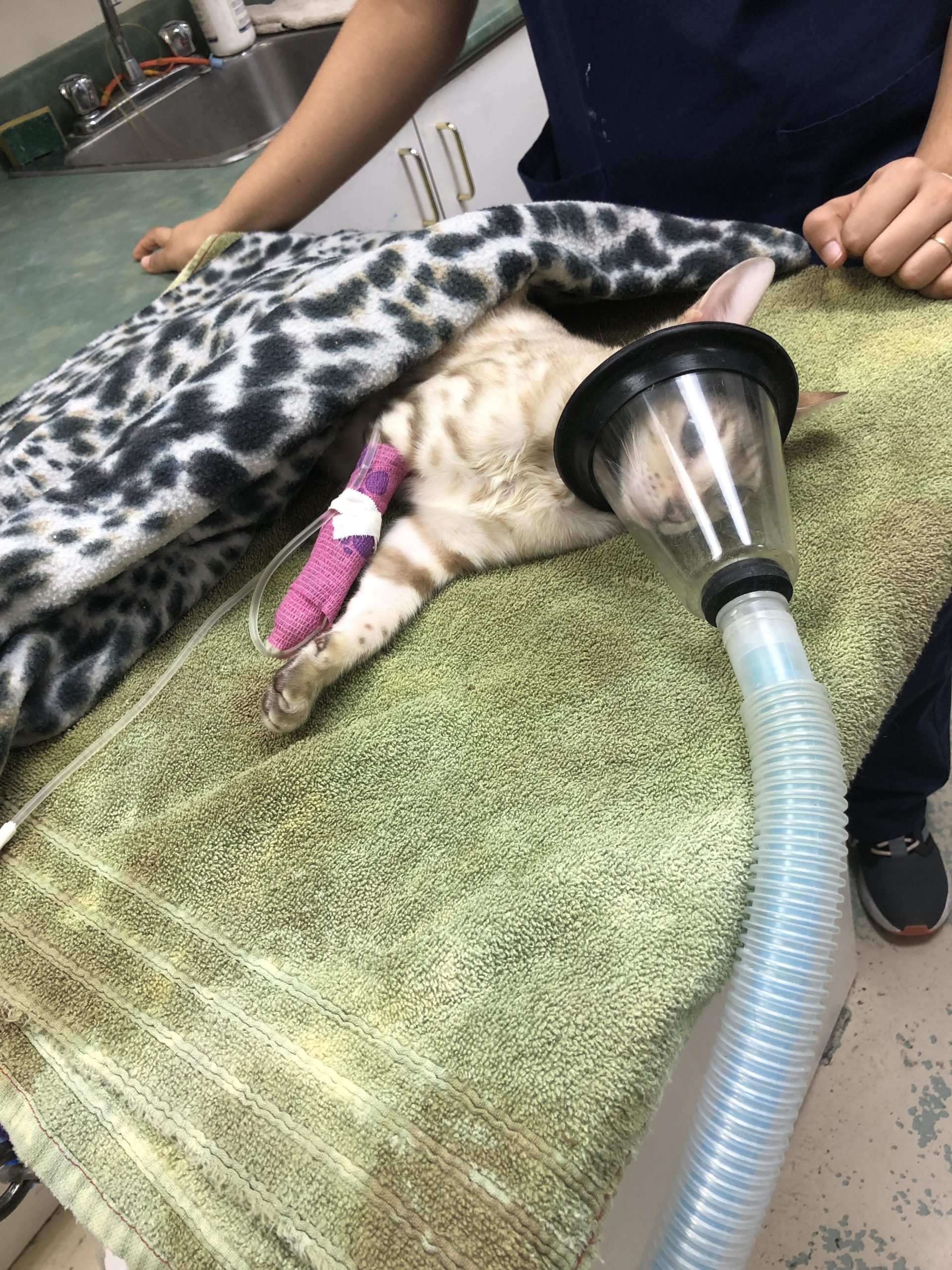
:strip_icc()/dangers-of-essential-oils-555089-v4-5ae1f28904d1cf003cd0fb16-78b6840719d44148a4dea9a5bebe7d6f.jpg)
Credit: www.thesprucepets.com
Potential Risks For Cats
Pine essential oil has gained popularity for its refreshing aroma. Many pet owners wonder about its safety for cats. Understanding the potential risks is crucial for your feline friend’s health. Cats have sensitive systems, and certain oils can be harmful. Pine essential oil is one such oil. It contains components that may pose dangers to cats.
Toxic Components
Pine essential oil contains compounds like alpha-pinene and beta-pinene. These compounds can be toxic to cats. Cats lack certain liver enzymes to break down these substances. This makes them more vulnerable to the harmful effects. Even small amounts can lead to serious health issues. It’s essential to know these components to protect your cat.
Symptoms Of Exposure
If a cat is exposed to pine essential oil, watch for symptoms. Vomiting and drooling are common signs. Cats may also experience difficulty breathing. Lethargy and loss of appetite might occur. Skin irritation can develop if the oil touches their fur. These symptoms indicate toxicity and need immediate attention. Contact a veterinarian if you notice these signs. Quick action can prevent severe health problems.
Expert Opinions
Pet owners often wonder about the safety of pine essential oil. Expert opinions provide clarity. They offer insights into its effects on cats. Let’s explore what veterinarians and aromatherapists have to say.
Veterinarian Perspectives
Veterinarians express concern about pine essential oil. Cats have a unique metabolism. They can’t process certain substances well. Pine essential oil contains phenols. These can be harmful to cats. Vets advise caution. They recommend avoiding direct exposure. Cats may have skin or respiratory reactions.
Experts suggest consulting a vet. Especially if cats show signs of distress. Symptoms can include sneezing or skin irritation. Always prioritize your pet’s health. Seek professional guidance when in doubt.
Aromatherapist Insights
Aromatherapists share valuable knowledge. They recognize the benefits of essential oils. Yet, they urge caution around pets. Pine essential oil is potent. It should be used sparingly around cats. Proper dilution is crucial.
Aromatherapists recommend diffusing oils in well-ventilated spaces. Ensure cats have a safe escape route. This minimizes potential risks. Educated use promotes safety. It helps maintain a harmonious environment.
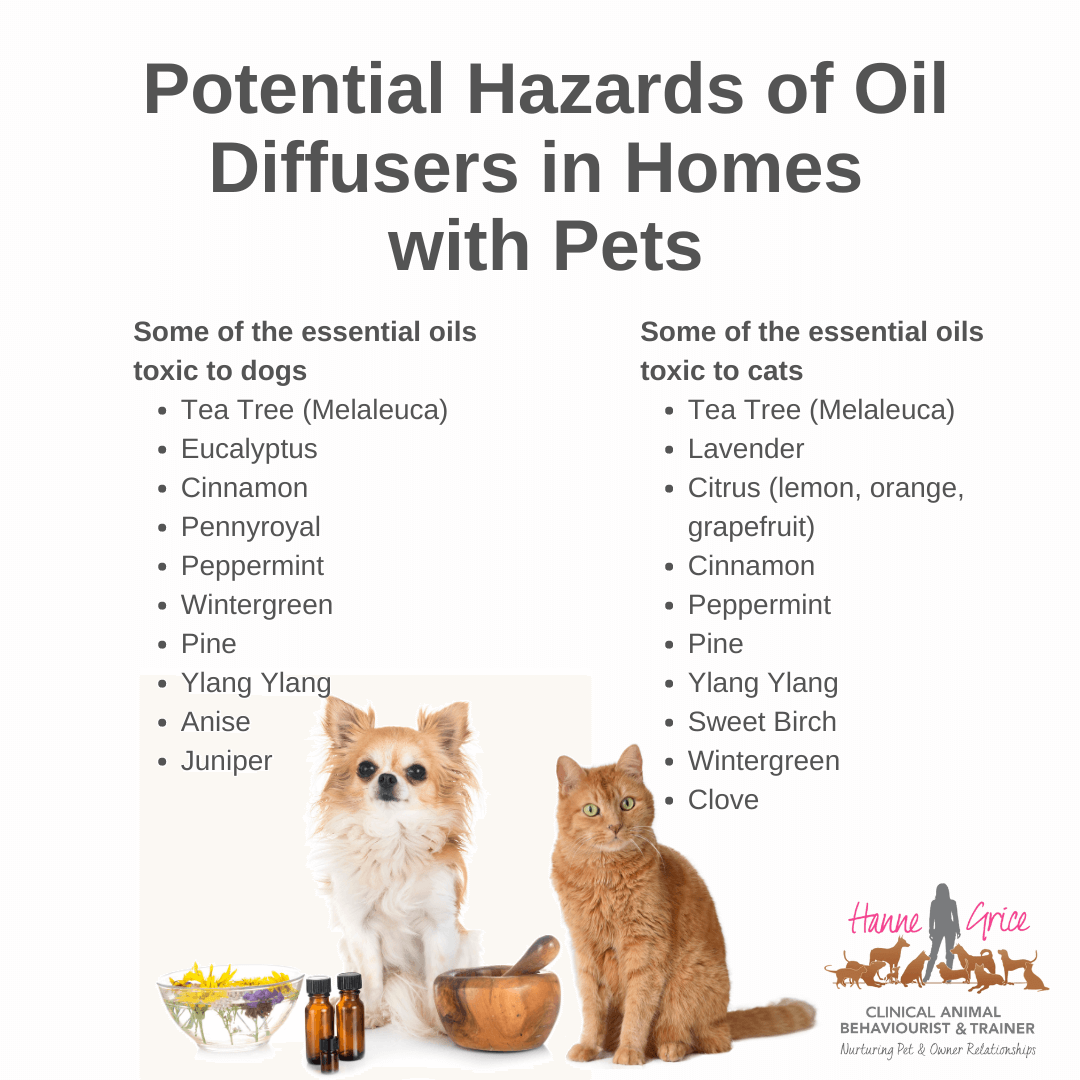
Credit: www.hannegrice.com
Safe Alternatives
Choosing safe alternatives for your feline friends is crucial when considering home fragrances. Cats are more sensitive to essential oils than humans, so it’s important to know which oils are safe and which are not. Instead of using potentially harmful pine essential oil, you can explore cat-friendly options that ensure your home smells great without compromising your pet’s health. Let’s dive into some safe alternatives that you can consider.
Cat-friendly Essential Oils
Not all essential oils pose a threat to cats. Some are actually safe and can even be beneficial. For example, lavender and chamomile are known to be soothing for cats. They can help reduce stress and anxiety, making them ideal for homes with nervous kitties.
When using these oils, ensure they are diluted properly. You can add a few drops to a diffuser, keeping it out of reach to prevent direct contact. Always monitor your cat’s behavior for any signs of discomfort.
Have you noticed how your cat reacts to different scents? Observing their behavior can help you understand their preferences and choose oils that they enjoy.
Non-toxic Home Fragrances
Aside from essential oils, there are other ways to freshen up your home safely. Consider natural alternatives like baking soda or vinegar. These substances are effective at neutralizing odors without introducing toxins.
If you prefer a scented environment, try using dried herbs or flowers. Rosemary and rose petals can provide a subtle fragrance without the risks associated with essential oils. You can even make potpourri using these ingredients.
Have you tried making your own natural air freshener? A simple mix of water and lemon juice can act as an excellent spray to keep your home smelling clean. Plus, it’s safe for your feline companions!
Choosing safe alternatives not only benefits your cat’s health but also gives you peace of mind. What safe alternatives have you tried in your home, and how have your cats responded to them? Share your experiences and insights!
Precautionary Measures
Pine essential oil can be harmful to cats. It’s crucial to keep it out of their reach. Always consult a veterinarian before using any essential oils around pets.
Pine essential oil has been a favorite among many for its refreshing and invigorating aroma. However, if you have a feline friend at home, you might wonder if this delightful scent is safe for them. Cats are known for their sensitivity to various substances, and essential oils are no exception. Precautionary measures are crucial to ensure that your cat stays healthy and happy while you enjoy the benefits of pine essential oil.Safe Usage Guidelines
Using pine essential oil safely around cats requires a thoughtful approach. Always opt for diffusers instead of direct application, as direct contact can be harmful. Keep the diffuser in a well-ventilated area to prevent concentrated exposure. Consider using pine essential oil intermittently rather than continuously. This reduces the risk of buildup in your pet’s environment. If your cat shows signs of distress, such as sneezing or unusual behavior, turn off the diffuser immediately.Emergency Response Actions
Despite your best precautions, accidents can happen. Knowing how to respond can make all the difference. If you suspect your cat has been exposed to pine essential oil, watch for signs like drooling, vomiting, or difficulty breathing. Act quickly by removing your cat from the area and ensuring fresh air circulation. Contact your veterinarian immediately to get professional advice tailored to your cat’s needs. Preparing a pet emergency kit with essential contact numbers and basic supplies can be a lifesaver. Engaging in these precautionary measures not only protects your furry friend but also gives you peace of mind. How do you balance enjoying essential oils while safeguarding your cat’s health?Creating A Safe Environment
Pine essential oil can pose risks for cats, potentially causing respiratory issues. Cats lack enzymes to process certain oils safely. Consider alternatives like lavender or chamomile for a safer environment.
Creating a safe environment for your feline friend is crucial, especially when considering the use of pine essential oil. Cats are naturally curious and sensitive creatures. Their safety should always be a priority in your household. Have you ever wondered if the essential oils you’re using might be harmful to your pet? Let’s dive into how you can keep your home safe while enjoying the benefits of pine essential oil.Pet-proofing Your Space
Start by identifying areas where your cat spends most of its time. These spaces should be free from any direct exposure to essential oils. Consider using a diffuser in a room where your cat doesn’t frequent. Store your oils securely. Cats are known for their agility and can easily reach shelves and cabinets. A locked cabinet or a high shelf might be ideal for storing essential oils. Additionally, ensure that any spills are cleaned immediately. Cats can accidentally ingest oils by licking their paws after walking through a spill.Monitoring Cat Behavior
Pay close attention to any changes in your cat’s behavior. If your cat becomes lethargic or starts coughing after you’ve used pine essential oil, it might be time to reconsider its use. Observe your cat’s eating and grooming habits. A sudden lack of appetite or excessive grooming can be signs of distress. Engage with your cat regularly. This helps you notice subtle changes in behavior that might indicate discomfort. If in doubt, consult your veterinarian to ensure your cat’s health is not compromised. By creating a safe environment and monitoring your cat’s behavior, you can enjoy the benefits of pine essential oil without risking your pet’s well-being.
Credit: www.fetchpet.com
Frequently Asked Questions
Is Pine Essential Oil Safe To Diffuse Around Cats?
Pine essential oil can be toxic to cats if diffused. Cats have sensitive respiratory systems. Avoid using pine oil around them to ensure their safety. Opt for cat-safe alternatives like lavender or chamomile. Always consult a veterinarian for advice on essential oils around pets.
Does Pine Smell Affect Cats?
Pine smell can affect cats. Some may find it irritating or overwhelming. Essential oils from pine are toxic to cats. Always ensure that any products containing pine are safe and cat-friendly. Monitor your cat for any signs of discomfort or allergic reactions when exposed to pine scents.
Which Essential Oil Is Safest For Cats?
Lavender essential oil is generally considered safest for cats. Use it sparingly and ensure proper ventilation. Always consult your veterinarian before introducing any essential oil to your pet’s environment to prevent adverse reactions. Avoid oils like tea tree, peppermint, and citrus, which can be harmful to cats.
Is Pine Oil Safe For Pets?
Pine oil can be toxic to pets if ingested or inhaled. It may cause respiratory issues and stomach upset. Always consult your veterinarian before using products containing pine oil around pets. Ensure proper ventilation and keep such products out of reach to ensure their safety.
Conclusion
Pine essential oil can be risky for cats. Cats have sensitive systems. Their livers can’t process certain chemicals in essential oils. This may lead to health issues. Always consult your vet before using oils around your cat. Safety should be your priority.
Keep oils out of your cat’s reach. Consider safer alternatives. Research thoroughly to protect your furry friend. Simple precautions can prevent serious problems. Your cat’s well-being depends on informed choices. Stay vigilant and keep your pet safe.


