Can Pregnant Women Clean Cat Litter Safely? Tips & Risks
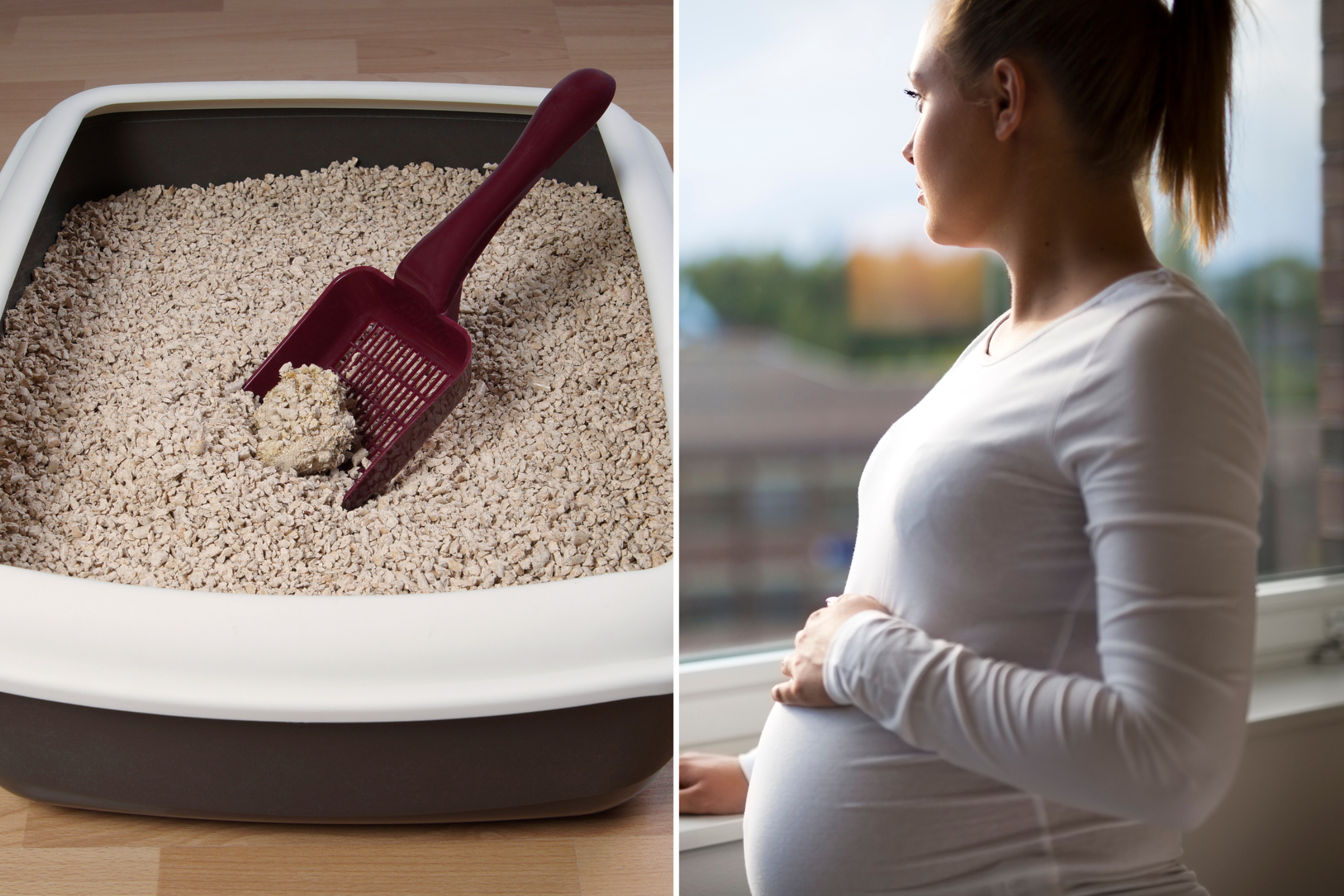
Are you expecting a little bundle of joy and wondering if you can still take care of your furry feline friend? The question of whether pregnant women can clean cat litter is more common than you might think.
Your health and your baby’s well-being are top priorities, and it’s important to understand the risks and precautions involved. You might feel a bit anxious about the potential dangers, but don’t worry! By learning the facts, you can make informed decisions and ensure a healthy pregnancy while keeping your cat happy.
Dive into this article to discover the truth and gain peace of mind about balancing pregnancy and pet care.

Credit: www.newsweek.com
Understanding Toxoplasmosis
Pregnant women need to be cautious with cat litter due to toxoplasmosis risk. This infection can harm the unborn baby. It’s safer to let someone else handle litter cleaning during pregnancy.
Pregnancy can be a whirlwind of emotions and decisions. Among the many questions that arise, one stands out for cat-loving expectant mothers: Can you safely clean the cat litter? It’s crucial to understand the risks associated with Toxoplasmosis, a disease often linked to cat litter. By gaining knowledge about this, you can ensure both your safety and that of your unborn child.What Is Toxoplasmosis?
Toxoplasmosis is an infection caused by the parasite Toxoplasma gondii. It often goes unnoticed as it rarely causes symptoms in healthy individuals. However, it can be risky for pregnant women and their developing babies. This infection is known to affect many warm-blooded animals, including humans. But did you know your pet cat can play a significant role? Understanding how this parasite spreads is key to preventing exposure.How Toxoplasmosis Spreads
Cats can contract Toxoplasma gondii by eating infected prey or undercooked meat. Once infected, they can shed the parasite in their feces. This becomes a concern for pregnant women who might inadvertently come into contact with contaminated litter. Consider this: if a cat litter box is not cleaned regularly, the parasite can survive in the feces for weeks. It can then become airborne and pose a risk when inhaled or accidentally ingested. Are you aware of how quickly such a small oversight can escalate?Risks For Pregnant Women
Pregnant women are particularly vulnerable to toxoplasmosis. If you contract the infection, it can be passed to your unborn child, potentially leading to serious health issues. These can include vision problems, neurological damage, or even miscarriage. You might wonder if there are ways to protect yourself. Absolutely! Consider having someone else clean the litter box, or at the very least, wear gloves and wash your hands thoroughly afterward. Could this small change in routine make a big difference for you and your baby? Understanding these risks and taking simple precautions can ensure a safer pregnancy journey. Do you feel more informed about toxoplasmosis now? Your awareness and proactive steps can help keep you and your little one safe.Precautions For Handling Cat Litter
Pregnant women should avoid cleaning cat litter to prevent toxoplasmosis infection. Wear gloves and wash hands thoroughly if necessary. Consider asking someone else to handle this task for extra safety.
Handling cat litter while pregnant requires extra care to ensure both your health and your baby’s safety. Toxoplasmosis, an infection caused by a parasite found in cat feces, poses a risk to pregnant women. Being mindful of how you manage cat litter can significantly reduce this risk.Using Gloves And Masks
Always wear disposable gloves when cleaning the litter box. This simple step acts as a barrier, keeping your skin safe from potential exposure. Pair gloves with a mask to avoid inhaling any harmful dust particles that could be stirred up during cleaning. Consider keeping a box of gloves and masks next to the litter box. This can serve as a handy reminder to protect yourself each time. Have you considered how such small precautions can significantly safeguard your health?Sanitizing Tools And Area
After cleaning, sanitize the scoop and the area around the litter box. Use a mild bleach solution or antibacterial wipes to ensure cleanliness. This not only protects you but also helps keep your home environment fresh and healthy. Make it a habit to clean the tools immediately after use. This prevents germs from lingering and minimizes the risk of contamination. How often do you sanitize your cleaning tools?Frequency Of Cleaning
Regular cleaning is crucial. Aim to clean the litter box daily to lower the risk of parasite development. Frequent cleaning also minimizes odor and keeps your cat happy. Create a schedule that suits your routine. If possible, ask for help from a family member or partner to share the responsibility. Isn’t it reassuring to know that a simple routine can keep you and your baby safe? By taking these precautions, you can maintain a clean and safe environment for yourself and your growing family.Alternatives To Cleaning Litter
Pregnant women can avoid cleaning cat litter by using alternatives. Ask a partner to help with the task. Consider automatic litter boxes that reduce direct contact.
Pregnancy is a beautiful journey filled with excitement and anticipation. But it also comes with its own set of challenges and precautions. One common concern for many expecting mothers is whether they can safely clean cat litter. Fortunately, there are alternatives that can help you avoid this task, ensuring both your safety and peace of mind.Delegating The Task
Delegating cat litter cleaning to someone else is a practical solution. Your partner, a family member, or even a friend can step in. This is not just about passing on chores; it’s about safeguarding your health. Exposure to cat feces can lead to toxoplasmosis, which is risky during pregnancy. So, ask for help. You might be surprised at how willing people are to assist.Using Self-cleaning Litter Boxes
Investing in a self-cleaning litter box can be a game changer. These boxes reduce the need for daily scooping. They automatically sift through the litter, separating waste from clean granules. This means less direct contact with potentially harmful bacteria. Consider brands that are known for reliability and ease of use. This could be a worthwhile investment for your convenience and safety.Hiring Professional Services
Another option is hiring professional cleaning services. Some pet care companies offer litter box cleaning as part of their services. This can be scheduled weekly, or as needed. It’s a simple solution that can free up your time and ensure thorough cleaning. Plus, you can focus on more important things like preparing for your little one’s arrival. Have you thought about how these alternatives could simplify your daily routine? By exploring these options, you can maintain a safe and healthy environment for both you and your baby. Remember, prioritizing your health is crucial during this special time.
Credit: www.youtube.com
Health And Safety Tips
Pregnant women should avoid cleaning cat litter due to toxoplasmosis risk, which can harm the baby. Wearing gloves and asking someone else to do it is safer. Regular handwashing is essential after any interaction with pets.
Cleaning cat litter during pregnancy can be a daunting task due to potential health risks. However, by following essential health and safety tips, you can protect yourself and your baby. Let’s dive into some practical steps to ensure your safety when handling cat litter.Proper Handwashing Techniques
Washing your hands thoroughly is crucial after touching cat litter. Use warm water and soap, scrubbing for at least 20 seconds. This simple act can significantly reduce the risk of toxoplasmosis, a parasitic infection that can harm your unborn baby. Consider humming “Happy Birthday” twice while you wash—it’s a fun way to ensure you’re spending enough time on this important task. Have you ever thought about how often you actually wash your hands correctly?Monitoring For Symptoms
Being aware of symptoms like flu-like illness or swollen lymph nodes can be vital. These signs might indicate toxoplasmosis exposure. Keep a close watch on your health and don’t dismiss any unusual feelings. Have you ever noticed how easy it is to overlook minor symptoms? Make it a habit to jot down any health changes, no matter how small. This proactive approach can be a lifesaver.Consulting A Healthcare Provider
If you feel uncertain or notice any symptoms, reach out to your healthcare provider. They can offer guidance and reassurance, tailoring advice to your specific situation. Consulting with professionals doesn’t just ease your worries; it empowers you with knowledge. When was the last time you sought advice for peace of mind? By taking these steps, you can continue caring for your furry friend without compromising your health or that of your baby.Benefits Of Responsible Pet Ownership
Responsible pet ownership offers many benefits. It enhances health, happiness, and harmony in homes. Caring for pets is a rewarding experience. It fosters emotional connections and promotes well-being. The journey of responsible pet ownership involves understanding and addressing pet needs.
Strengthening Bond With Pets
Spending time with pets strengthens bonds. Engaging in daily routines builds trust. Playing and cuddling makes pets feel loved. Consistent care and attention nurture mutual affection. This bond provides comfort and companionship. It becomes a source of joy and emotional support.
Understanding Pet Needs
Understanding pet needs is crucial. Pets rely on humans for food and care. Recognizing these needs ensures a happy pet life. Regular vet visits and feeding schedules maintain health. Observing behavior helps identify needs and prevent issues. Meeting their needs keeps them content and healthy.
Ensuring A Safe Home Environment
A safe home environment is essential. It protects pets and humans alike. Properly storing cleaning supplies prevents accidents. Secure outdoor spaces keep pets safe. Regular checks ensure a hazard-free home. Safety measures prevent harm and create peace of mind.

Credit: www.caryobgyn.com
Frequently Asked Questions
Is It Safe For Pregnant Women To Clean Cat Litter?
Pregnant women should avoid cleaning cat litter due to toxoplasmosis risk. This infection can harm the unborn baby. If cleaning is necessary, use gloves and wash hands thoroughly afterward. It’s best to have someone else handle cat litter during pregnancy.
What Are The Risks Of Cleaning Cat Litter During Pregnancy?
Cleaning cat litter exposes pregnant women to toxoplasmosis, a harmful infection. This can lead to complications like miscarriage or birth defects. Cats can carry this infection in their feces. It’s crucial to minimize exposure during pregnancy for the baby’s safety.
How Can Pregnant Women Avoid Toxoplasmosis From Cat Litter?
Pregnant women should avoid direct contact with cat litter. Use gloves if cleaning is unavoidable. Always wash hands thoroughly afterward. It’s safer to have someone else manage the cat litter. Maintaining proper hygiene and cleanliness reduces the risk of toxoplasmosis.
Can Toxoplasmosis Affect My Unborn Baby?
Yes, toxoplasmosis can seriously affect the unborn baby. It can cause miscarriage, stillbirth, or severe birth defects. Infected babies might face serious health issues later. Avoiding exposure to cat litter during pregnancy is crucial to protect the baby from this infection.
Conclusion
Pregnant women must take care while handling cat litter. Toxoplasmosis is the risk. It can affect the unborn baby. Wearing gloves helps. Mask adds extra protection. Asking someone else to clean is safest. Avoid direct contact with cat feces. Make sure to wash hands well.
Change litter daily to reduce risks. Consult your doctor for advice. Every pregnancy is unique. Your health and baby’s safety come first. Follow guidelines for a safe experience. Keep informed and stay cautious. Healthy habits protect both mother and child.

Similar Posts