Why is My Cat Pooping Outside the Litter Tray: Uncover Solutions
Your beloved feline friend has always been the perfect housemate, but lately, you’ve noticed a rather unpleasant surprise: your cat is pooping outside the litter tray. It’s a frustrating situation that leaves you puzzled and wondering what’s going wrong.
Is it a behavioral issue, a health problem, or something else entirely? You’re not alone in this; many cat owners face the same issue. Understanding why your cat is doing this is essential. Not only for the sake of your clean floors but also for your cat’s health and well-being.
This article will delve into the common reasons behind this behavior and offer practical solutions to help you and your furry friend get back on track. Keep reading to uncover insights that could transform your home environment and restore peace of mind.
Common Reasons For Litter Tray Avoidance
Discovering your cat pooping outside the litter tray can be frustrating. Understanding the reasons behind this behavior is crucial. Cats are sensitive creatures. They may avoid the litter tray due to health issues, stress, or preferences. Knowing these common reasons helps address the problem effectively.
Health Issues
Cats often avoid the litter tray due to health problems. Urinary tract infections can cause pain. This makes them associate the tray with discomfort. Diarrhea or constipation can also lead to accidents outside the tray. A vet check-up is essential to rule out medical conditions.
Stress Factors
Stress can impact a cat’s behavior significantly. Changes in the environment might distress them. New pets or family members can be overwhelming. Loud noises or a chaotic household could contribute to stress. A stressed cat may choose to poop outside the litter tray.
Litter Tray Preferences
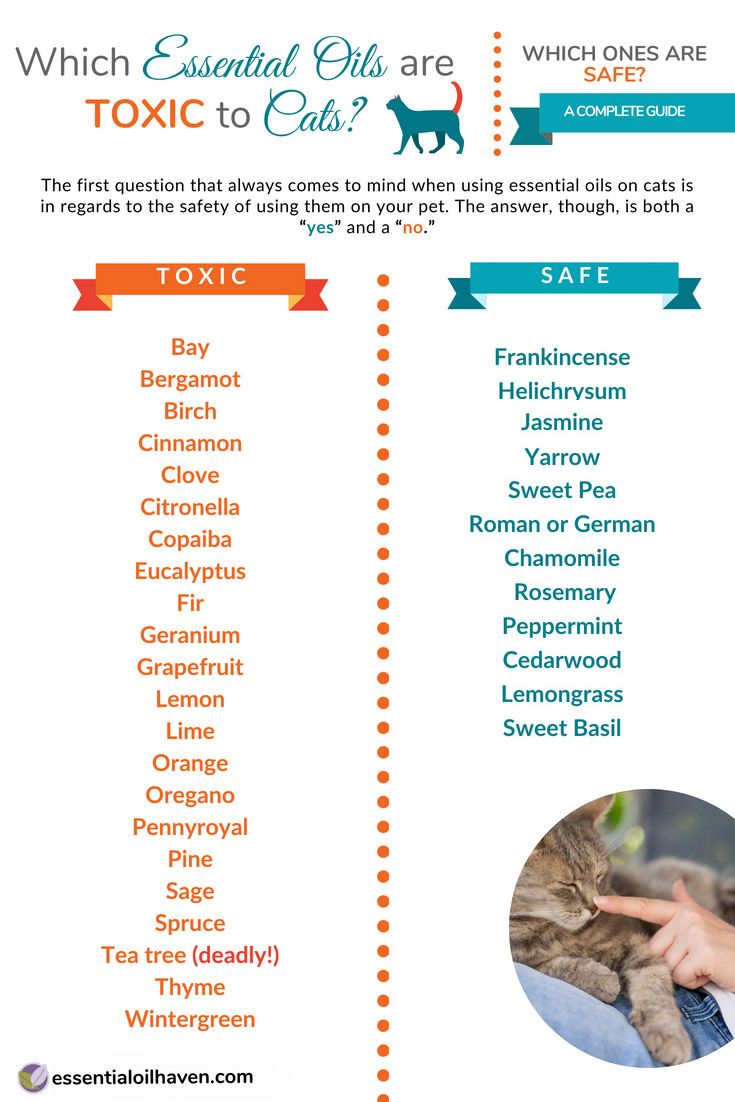
Some cats have specific litter tray preferences. Tray size matters. A small tray may feel cramped. The location should be quiet and private. Cats dislike strong scents. Scented litter or harsh cleaning chemicals can be off-putting. Experiment with different types of litter to find the best fit.
Health Concerns Impacting Behavior
Cats often poop outside the litter tray due to stress or illness. Health issues like constipation or urinary tract infections may alter their behavior. Consulting a vet helps identify and address these concerns effectively.
Health Concerns Impacting Behavior Sometimes, your cat’s litter box habits may take a surprising turn due to health issues. If your usually well-mannered feline starts pooping outside the litter tray, it might be more than just a behavioral quirk. Health problems can significantly impact your cat’s bathroom behavior, and understanding these can help address the issue.Urinary Tract Infections
Urinary tract infections (UTIs) can cause discomfort and pain, making your cat associate the litter box with unpleasant experiences. This may lead them to avoid the box entirely. If you’ve noticed your cat straining to urinate or frequenting the litter box without success, a UTI could be the culprit. A visit to the vet can help diagnose the issue and provide relief for your pet. Antibiotics are often prescribed to clear up the infection. Keeping an eye on your cat’s water intake and ensuring they have fresh water available can also help prevent UTIs.Digestive Problems
Digestive issues such as constipation or diarrhea can also cause your cat to avoid the litter box. A sudden change in your cat’s diet or an intolerance to certain foods might lead to these problems. Have you recently switched your cat’s food? It might be worth revisiting that decision. Consulting with your vet can help you choose a diet that suits your cat’s needs and keeps their digestive system in check.Arthritis And Mobility Issues
As cats age, they can develop arthritis or other mobility issues that make it difficult to access the litter box. Climbing in and out of a high-sided box might become a painful ordeal for your aging pet. Consider the design of your cat’s litter box. Switching to a box with lower sides can make it easier for them to use. Additionally, placing the box in a location that’s easy for your cat to reach without having to jump or climb stairs can make a big difference. Is your cat experiencing any of these health concerns? Recognizing and addressing the underlying issue not only improves your cat’s quality of life but can also restore harmony in your home. Regular vet check-ups play a crucial role in detecting health problems before they affect your cat’s behavior.Stress And Environmental Changes
Cats are sensitive creatures. Stress affects them more than we think. Environmental changes can lead to unexpected behavior. One common issue is cats pooping outside the litter tray. Understanding stress factors can help resolve this problem.
New Household Members
Introducing new members can unsettle your cat. Whether it’s a new baby or a pet, change is hard. Cats may feel threatened by newcomers. They might mark territory by pooping outside the tray. Gradually introduce new members to your cat. Give them time to adjust to changes.
Changes In Routine
Cats thrive on routine. Any disruption can cause stress. Even slight changes in feeding times affect them. A move to a new home or a change in your work hours might upset your cat. Maintaining a consistent routine helps them feel safe and secure.
Loud Noises And Disturbances
Cats are startled easily by loud noises. Construction sounds, parties, or fireworks can scare them. Disturbances make them anxious and stressed. Find quiet spots for them during noisy times. Calming their environment can prevent them from pooping outside the tray.
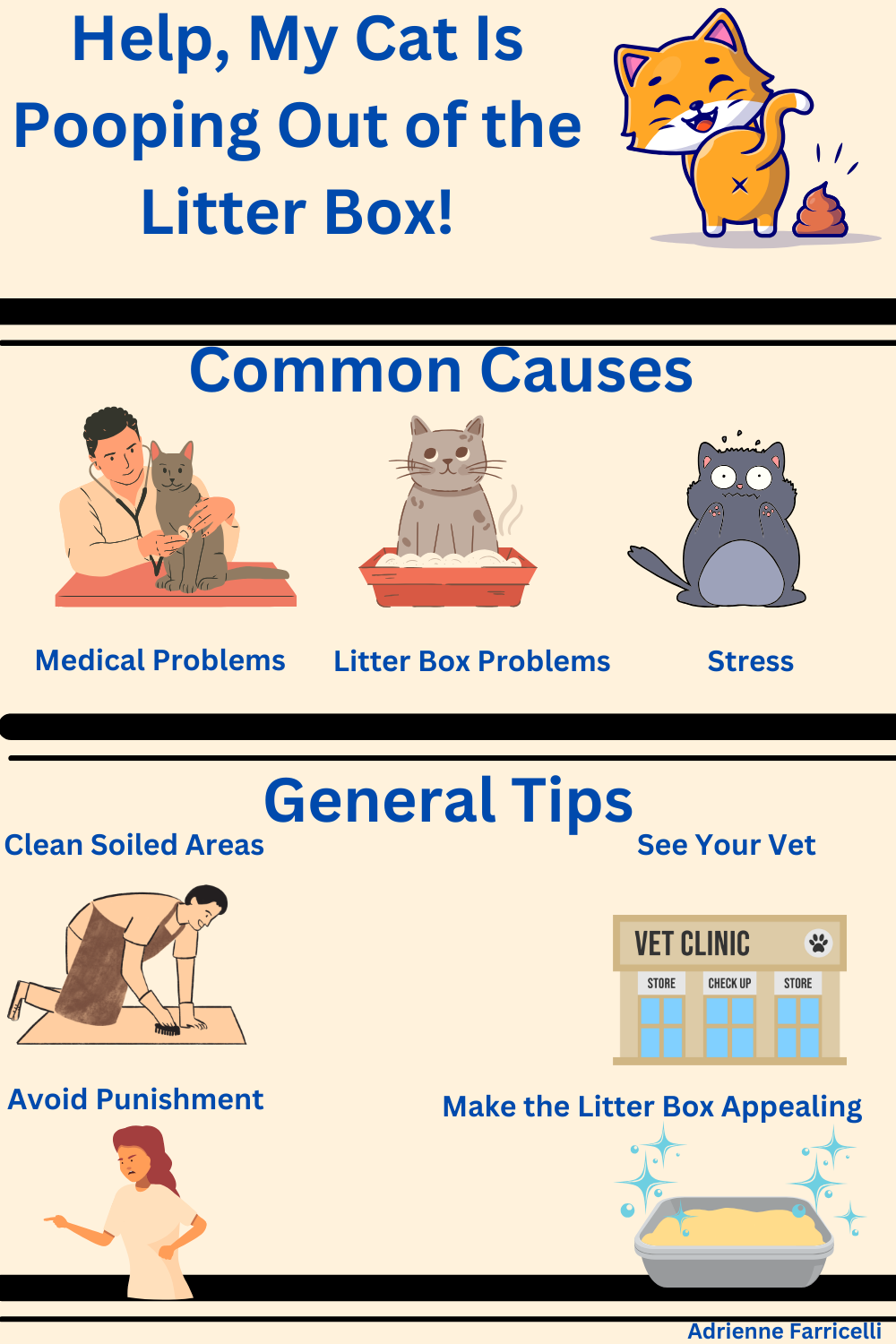
Credit: pethelpful.com
Litter Tray Setup And Maintenance
Is your cat pooping outside the litter tray? This common issue can be frustrating for pet owners. Understanding the setup and maintenance of the litter tray is crucial. With the right environment, your cat is more likely to use it correctly.
Tray Location
The tray’s location is essential. Cats need privacy when using the litter tray. Place the tray in a quiet, low-traffic area. Avoid noisy appliances and busy spots. A peaceful location encourages your cat to feel safe.
Type Of Litter
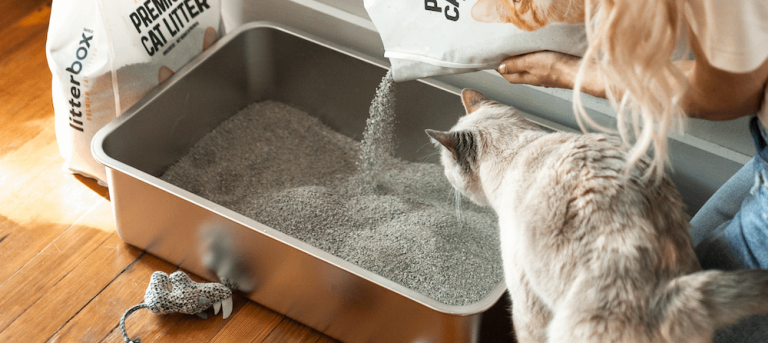
Choosing the right litter can make a difference. Cats have preferences for texture and smell. Some prefer clumping litter, others like non-clumping. Experiment with different types to see what your cat likes. A comfortable litter can lead to better habits.
Cleanliness And Odor Control
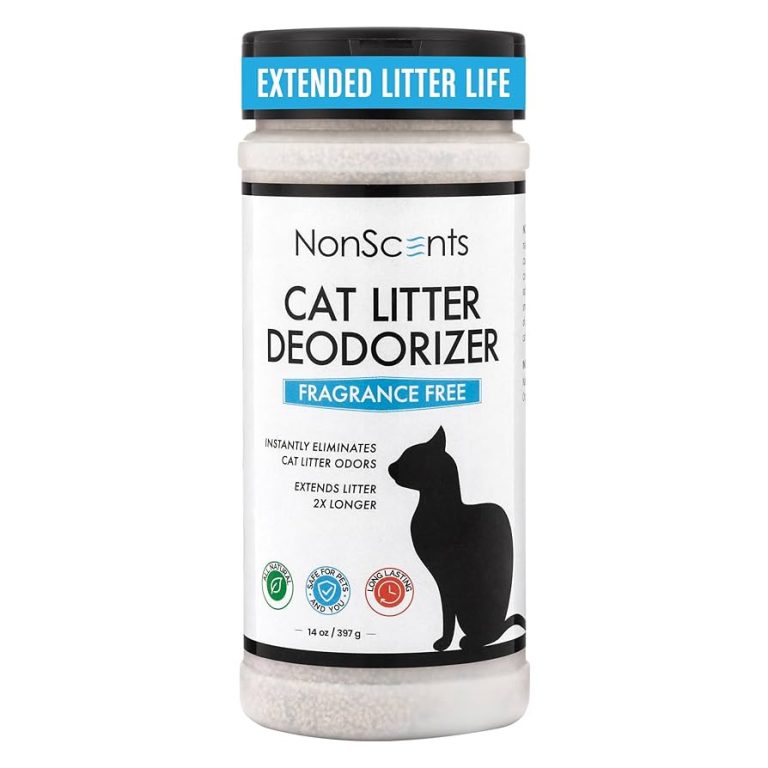
A clean tray is inviting. Scoop waste daily to maintain cleanliness. Change the litter weekly to avoid strong odors. Use mild soap and water to wash the tray. Cats dislike strong smells, so avoid scented products. An odor-free tray can help prevent issues.
Training And Behavioral Strategies
Training and behavioral strategies can help address a cat’s litter tray issues. Cats are creatures of habit. Sometimes, they need guidance and encouragement to use their litter tray properly. Understanding their behavior is key to finding solutions. Below are effective strategies to train your cat and improve its habits.
Positive Reinforcement
Reward your cat when it uses the litter tray. Treats or gentle praise work well. This encourages them to repeat the behavior. Cats respond well to positive feedback. It makes them feel safe and appreciated. Be consistent with rewards to build a habit. Positive reinforcement strengthens their trust in you.
Gradual Changes
Small changes can make a big difference. Cats dislike abrupt alterations. Gradually adjust litter type or tray location. This reduces stress and confusion. A new litter type may be more comfortable. Slight shifts in environment can aid in training. Observe your cat’s reaction to changes. Adapt based on their comfort.
Behavioral Therapy
Behavioral therapy addresses deeper issues. Consult a professional for persistent problems. They can identify stressors affecting your cat. Therapy helps in managing anxiety or fear. It provides techniques to improve behavior. A calm environment is crucial for therapy success. Consistent effort can restore balance.
Credit: krydervet.com
Consulting A Veterinarian
When your cat starts pooping outside the litter tray, it can be both frustrating and concerning. While behavioral issues might be a reason, health problems could also be at the root of the issue. Consulting a veterinarian is crucial for getting to the bottom of this problem. With professional guidance, you can uncover hidden health issues, receive expert advice, and explore treatment options tailored for your furry friend.
Diagnosing Health Problems
Veterinarians have the expertise to diagnose health problems that might be causing your cat’s litter tray issues. Cats are known for hiding illnesses, and symptoms can often go unnoticed. A thorough examination by a vet can reveal problems such as urinary tract infections, digestive issues, or even arthritis, which might be affecting your cat’s ability to use the litter tray properly.
Have you noticed any other changes in your cat’s behavior or eating habits? Even subtle changes can provide vital clues. A vet might suggest blood tests, X-rays, or ultrasounds to get a clearer picture of your cat’s health.
Expert Advice
Once a diagnosis is made, a veterinarian can offer expert advice on managing your cat’s condition. This advice might include changes to diet, litter type, or litter tray location. Sometimes, simple adjustments can make a world of difference.
When my cat started avoiding the litter tray, our vet recommended switching to a different type of litter. It turned out my cat had developed an allergy to the old one. This simple change resolved the issue almost immediately.
Treatment Options
Depending on the diagnosis, your vet will suggest treatment options. If a medical condition is identified, medications or surgery might be necessary. In cases of stress or anxiety, behavioral therapy or environmental changes might be recommended.
Consider keeping a diary of your cat’s behavior and any treatments you’re trying. This can help you and your vet track progress and make adjustments as needed.
Have you consulted a vet about your cat’s litter tray troubles? If not, it might be time to schedule that appointment. Your cat’s comfort and well-being could depend on it.
Preventive Measures For The Future
Understanding why your cat poops outside the litter tray is crucial. It’s not just a nuisance. It’s a sign of underlying issues. Implementing preventive measures ensures a clean and stress-free environment. These steps help maintain your cat’s hygiene habits. Let’s explore ways to prevent future litter box mishaps.
Routine Health Check-ups
Regular vet visits are essential for your cat’s health. Cats hide their illnesses well. A vet can detect issues early. Health problems can cause litter box avoidance. Routine check-ups ensure your cat is healthy. They help address any medical concerns.
Creating A Comfortable Environment
A comfortable environment encourages proper litter box use. Place the litter tray in a quiet area. Avoid noisy or high-traffic locations. Use a litter type your cat likes. Keep the box clean and odor-free. A pleasant environment reduces stress. It promotes regular use of the litter tray.
Monitoring Changes In Behavior
Pay attention to your cat’s behavior. Sudden changes can indicate problems. Anxiety or stress affects litter habits. Monitor any shifts in routine. Address issues promptly. Understanding your cat’s behavior helps prevent future mishaps. Stay observant and proactive.
:strip_icc()/cat-pooping-outside-box-Final-554017-6d77dbd602474769ad6cebd1b578752a.jpg)
Credit: propelbikes.com
Frequently Asked Questions
Why Has My Cat Started Pooping Outside Of Her Litter Box?
Your cat might be pooping outside due to stress, litter box location, or health issues. Check for changes in environment, cleanliness of the box, or consult a vet for medical concerns. Ensuring comfort and routine can help resolve this behavior.
Why Is My Cat Avoiding The Litter Tray?
Your cat might be avoiding the litter tray due to stress, medical issues, or an unclean tray. Cats are sensitive to changes in their environment. Ensure the litter tray is clean and placed in a quiet, accessible location. If the behavior persists, consult a veterinarian for further advice.
How Can I Stop My Cat Pooping Outside?
To prevent your cat from pooping outside the litter tray, keep the tray clean and accessible. Cats prefer a quiet, private spot for their litter tray. Consider using a different type of litter if your cat is sensitive. If issues continue, seek advice from a veterinarian.
Could Health Issues Cause Litter Tray Avoidance?
Yes, health issues can cause your cat to avoid the litter tray. Conditions like urinary tract infections or digestive problems may lead to this behavior. Monitor your cat for signs of discomfort or changes in appetite. If you notice any symptoms, consult a veterinarian for a thorough examination.
Conclusion
Every cat has unique reasons for pooping outside the litter tray. Stress can be a big factor. So can health issues. Observe your cat’s behavior closely. Make sure the litter box is clean. Try changing the litter type. Consult a vet if problems persist.
Patience is key. Cats need time to adjust. Consistency helps create better habits. Understanding your cat’s needs can improve their behavior. With care, you can solve this issue. Your furry friend will thank you.