Can Pregnant Women Change Cat Litter? Essential Safety Tips
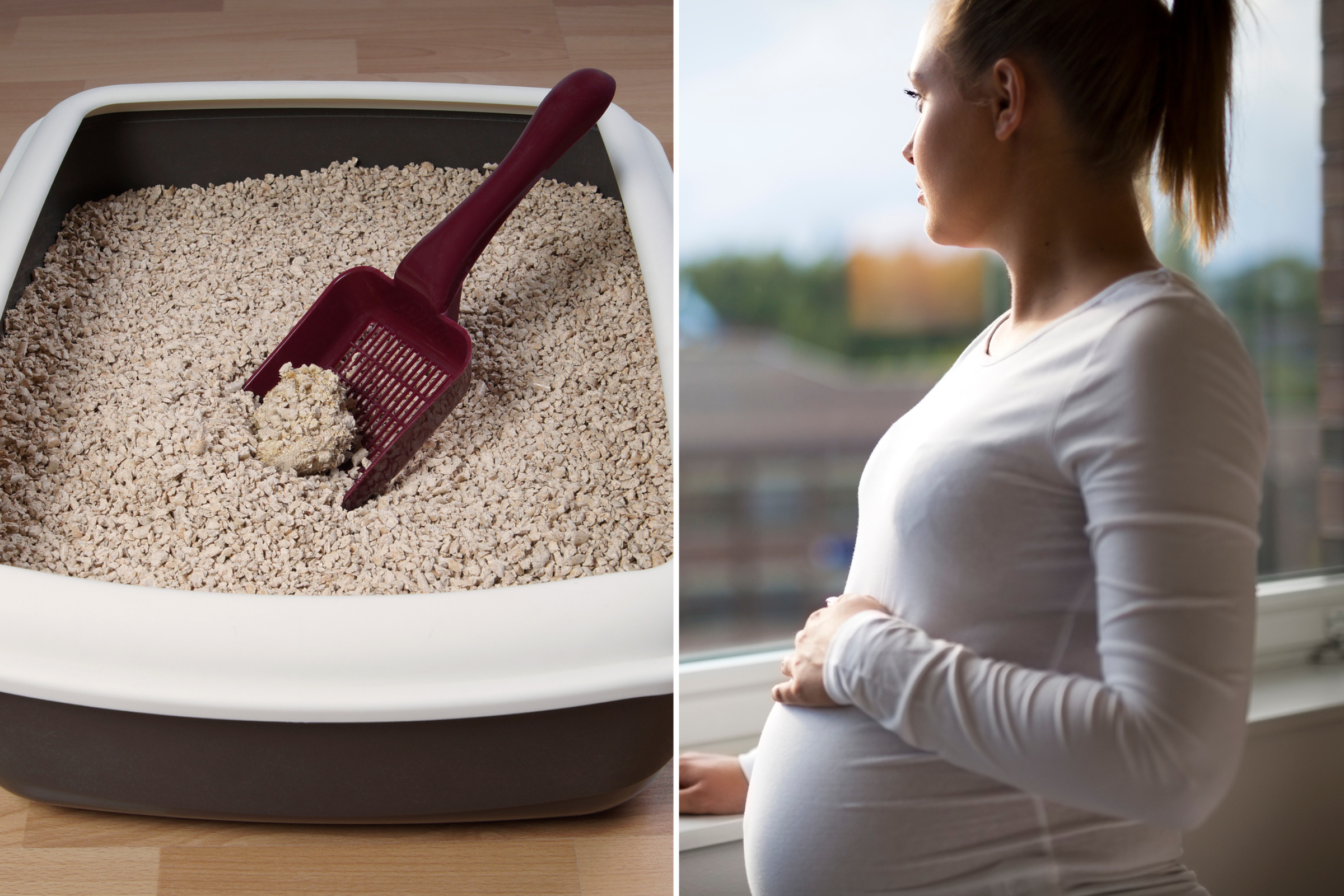
Are you expecting a little bundle of joy and wondering if it’s safe for you to handle your cat’s litter box? You’re not alone.
Many pregnant women face this dilemma and seek answers to protect both themselves and their unborn child. You may have heard whispers about potential risks, and it’s only natural to want clarity. What if you could continue caring for your furry friend without compromising your health or that of your baby?
This article will unravel the truth and provide you with clear, actionable advice. With your peace of mind at stake, read on to discover how you can navigate the world of cat litter safely during pregnancy.
Risks Of Cat Litter For Pregnant Women
Pregnant women should avoid changing cat litter due to the risk of toxoplasmosis. This infection can harm the unborn baby. Always ensure someone else handles this task to keep both mother and baby safe.
Pregnancy can be a thrilling yet cautious period, especially when it comes to everyday tasks like changing cat litter. Many expectant mothers are advised to steer clear of this chore due to potential health risks. But what exactly makes cat litter a concern during pregnancy? It’s important to understand the specific risks involved to make informed decisions.Toxoplasmosis And Its Impact
Toxoplasmosis is a key concern when it comes to cat litter. This infection is caused by the Toxoplasma gondii parasite, often found in cat feces. If a pregnant woman becomes infected, it can lead to serious complications for the unborn baby. Consider this: a friend of mine, who adored her feline companion, was advised by her doctor to avoid cleaning the litter box throughout her pregnancy. She wasn’t aware that toxoplasmosis could cause developmental issues or even miscarriage. Are you aware of the potential impact this seemingly harmless chore could have?Potential Health Consequences
The health consequences of contracting toxoplasmosis during pregnancy can be severe. The infection can lead to vision problems, brain damage, or other developmental issues in the baby. Pregnant women should be extra cautious, as the infection often goes unnoticed due to mild symptoms. A simple step like asking a partner or family member to handle the litter box can significantly reduce the risk. Moreover, regular handwashing after petting your cat or gardening can also minimize exposure. Have you considered delegating this task or taking additional precautions? Balancing your love for your cat with your health and your baby’s well-being is crucial. By understanding these risks, you can take proactive steps to ensure a healthy pregnancy while still enjoying the company of your furry friend.Understanding Toxoplasmosis
Toxoplasmosis is a disease caused by a parasite called Toxoplasma gondii. This parasite is common in cats and can spread to humans. Pregnant women should know about it because it can harm the unborn baby.
Understanding how toxoplasmosis spreads is important. Knowing the symptoms helps in getting early diagnosis and treatment.
Causes And Transmission
The Toxoplasma parasite lives in cats’ intestines. It spreads through cat feces. Handling cat litter without care can expose you to the parasite. Contaminated soil or water is also a source. Eating undercooked meat can be risky too.
The parasite can survive for long periods in the environment. This makes it easy to catch. Washing hands after handling cat litter is crucial. Cooking meat properly reduces risk.
Symptoms And Diagnosis
Most people with toxoplasmosis show no symptoms. Some may feel like they have the flu. Symptoms can include fever, muscle aches, or fatigue. In pregnant women, the infection can affect the baby.
Doctors diagnose toxoplasmosis with blood tests. Early detection is key to preventing complications. If pregnant, regular check-ups help in monitoring health.
Safety Tips For Handling Cat Litter
Pregnant women should avoid changing cat litter to reduce the risk of toxoplasmosis. Using gloves and washing hands thoroughly can help minimize exposure. Consider asking someone else to handle litter duties during pregnancy.
Handling cat litter during pregnancy can raise some safety concerns. It’s important to ensure the well-being of both you and your baby while keeping your feline friend’s space clean. Following some safety tips can help you manage this task without any worry.Protective Measures
When changing cat litter, consider wearing disposable gloves. This creates a barrier between you and any potential pathogens. After disposing of the gloves, wash your hands thoroughly with soap and water. A face mask can also be beneficial. This helps to avoid inhaling any dust or particles that might be stirred up during cleaning. Keep the litter box in a well-ventilated area to reduce the concentration of any harmful elements in the air. Think about enlisting help from family members or roommates. They can take over litter duty, especially if you feel uneasy about handling it. This can also be a great way to involve them in your pregnancy journey.Alternative Solutions
Consider using a self-cleaning litter box. These automated options reduce the need for daily scooping and can be a real game-changer during pregnancy. Another alternative is hiring a pet sitter. This can be particularly useful if you’re facing mobility issues or other pregnancy-related challenges. A pet sitter can ensure your cat’s litter is regularly maintained without you needing to handle it. Have you thought about using flushable or biodegradable litter? These options tend to produce less dust and can be more environmentally friendly. They might be a safer choice during pregnancy, offering peace of mind as you care for your cat. Taking these precautions can help you feel more secure about managing cat litter while expecting. What changes can you make today to ensure your safety and comfort?
Credit: www.youtube.com
Involving Family And Friends
Pregnancy brings new challenges and responsibilities. One task that may need a rethink is changing cat litter. The potential health risks associated with it can be minimized by involving family and friends in this task. This shared responsibility not only ensures safety but also strengthens bonds.
Delegating Responsibilities
Assigning tasks to family members can be a huge help. They can take turns changing the litter box. This keeps the pregnant woman away from potential risks. Make a schedule for everyone involved. This ensures that the task is done regularly without burdening one person.
Friends can also pitch in. They might visit weekly to help out. This small gesture can mean a lot. It shows care and support during this special time.
Creating A Support System
A reliable support system can make a big difference. Family and friends can be part of this network. They can offer help with household chores or even babysitting. This allows the pregnant woman to focus on her health.
Communicate openly with those around you. Let them know how they can assist. This encourages a sense of community and mutual care. It’s comforting to know that help is available when needed.
Choosing Safe Cat Litter Options
Pregnant women often face concerns about changing cat litter. Toxoplasmosis, a disease linked to cat feces, poses a risk. Choosing safe cat litter options can help reduce this risk. It’s important to understand the different types of litter. Selecting the right one can make a big difference.
Types Of Litter
Many types of cat litter are available. Clay-based litter is popular. It’s effective at controlling odor. Though, it creates dust. This can be harmful for pregnant women. Silica gel litter absorbs moisture well. It’s also dust-free. But it can be pricey. Biodegradable litter is another choice. It’s made from natural materials. These include corn, wheat, or paper. It’s eco-friendly and safe.
Environmentally Friendly Choices
Eco-friendly litter options are gaining popularity. They are made from renewable resources. Plant-based litters are a good choice. They are biodegradable and compostable. They help reduce landfill waste. Recycled paper litter is another option. It absorbs moisture efficiently. It also has minimal dust. Wood-based litter is also available. It’s made from sawdust or wood chips. It controls odor and is biodegradable.

Credit: www.caryobgyn.com
Consulting Healthcare Professionals
Consulting healthcare professionals is crucial for pregnant women dealing with cat litter. This guidance helps ensure safety for both mother and baby. Cat litter can pose risks due to toxoplasmosis. A healthcare professional can provide personalized advice to mitigate these risks.
Seeking Medical Advice
Always seek medical advice during pregnancy. Doctors can offer the best guidance on managing cat litter. They assess individual health needs and risks. This helps in making informed decisions. Don’t hesitate to ask questions. Clarity is key for both safety and peace of mind.
Regular Health Monitoring
Regular health monitoring is essential during pregnancy. This includes routine check-ups. These appointments track both mother and baby’s health. They also detect any early signs of infection. Keeping your doctor informed about daily activities, like changing cat litter, is important.

Credit: www.highmarkblueshield.com
Frequently Asked Questions
When Should A Pregnant Woman Stop Changing Cat Litter?
Pregnant women should stop changing cat litter immediately to prevent toxoplasmosis. Ask someone else to handle it. Use gloves and wash hands if unavoidable.
Can A Pregnant Woman Change Their Litter Box?
Pregnant women should avoid changing litter boxes. Cat feces can carry Toxoplasma gondii, harmful to unborn babies. If necessary, wear gloves and wash hands thoroughly after handling.
Can A Pregnant Woman Be Around A Cat Litter Box?
Pregnant women should avoid cat litter boxes due to toxoplasmosis risk. Wear gloves and wash hands thoroughly. Ask someone else to clean the litter box. Regularly changing litter reduces exposure. Maintaining a clean environment minimizes potential health risks.
Can I Get Toxoplasmosis From Smelling Cat Litter?
You cannot get toxoplasmosis from smelling cat litter. Infection occurs through direct contact with infected feces. Always wash hands after handling cat litter to reduce risk.
Conclusion
Changing cat litter during pregnancy poses risks. Toxoplasmosis is the main concern. It can affect unborn babies. Pregnant women should avoid this task. Ask someone else to help. Wear gloves if necessary. Wash hands thoroughly afterward. Protect yourself and your baby.
Keeping hygiene is vital. Consult a doctor for advice. Health is the priority. Consider these tips for safety. Your baby deserves protection. Simple precautions can make a difference. Keep your home safe. Stay informed and cautious. Safety first for both mom and baby.

Similar Posts