Why Does My Cat Have Anxiety? Uncover the Surprising Truth
Is your feline friend acting more skittish than usual? Does your cat seem on edge, hiding more often or reacting to the slightest noise?
If your answer is “yes,” you’re not alone. Many cat owners notice these changes and wonder, “Why does my cat have anxiety? ” Understanding your cat’s behavior is essential, not just for their well-being but for your peace of mind too.
When you know the reasons behind your cat’s anxiety, you can take steps to help them feel safer and more comfortable. Stick around to explore the common causes of feline anxiety and discover practical tips to soothe your furry companion’s nerves. You’ll be surprised at how a few simple changes can make a world of difference for both you and your cat.
Signs Of Cat Anxiety
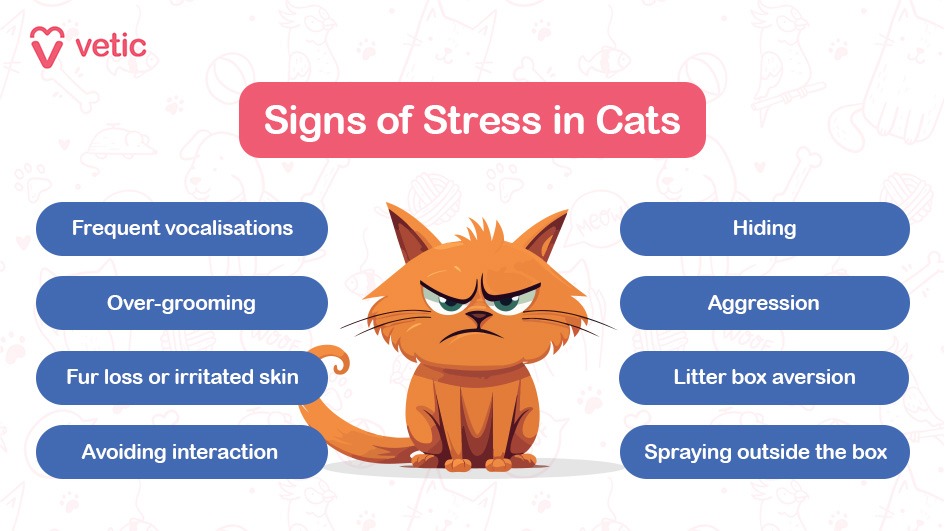
Recognizing signs of anxiety in cats can help ease their distress. Cats, like humans, show anxiety in various ways. Understanding these signs can improve their well-being.
Behavioral Changes
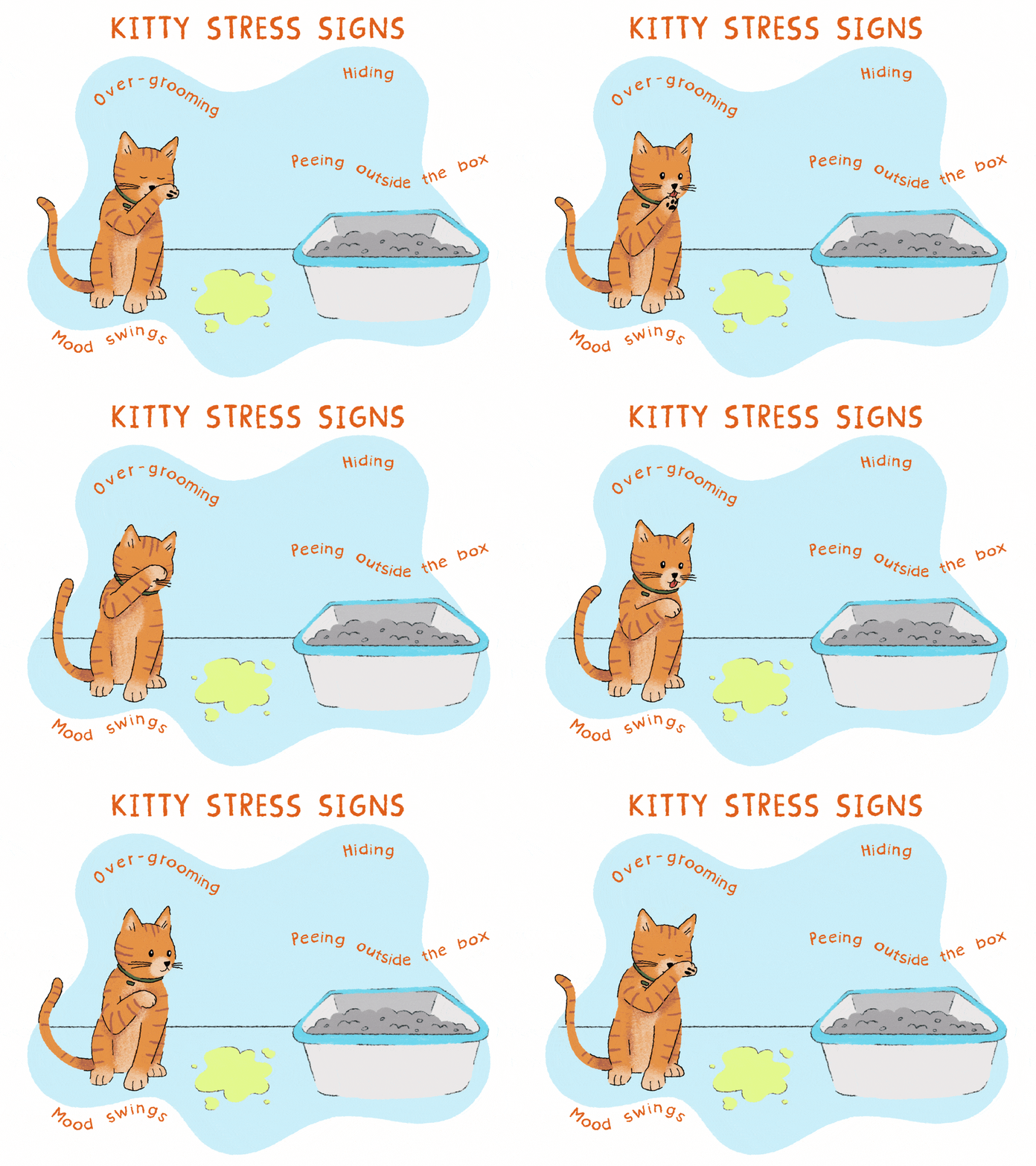
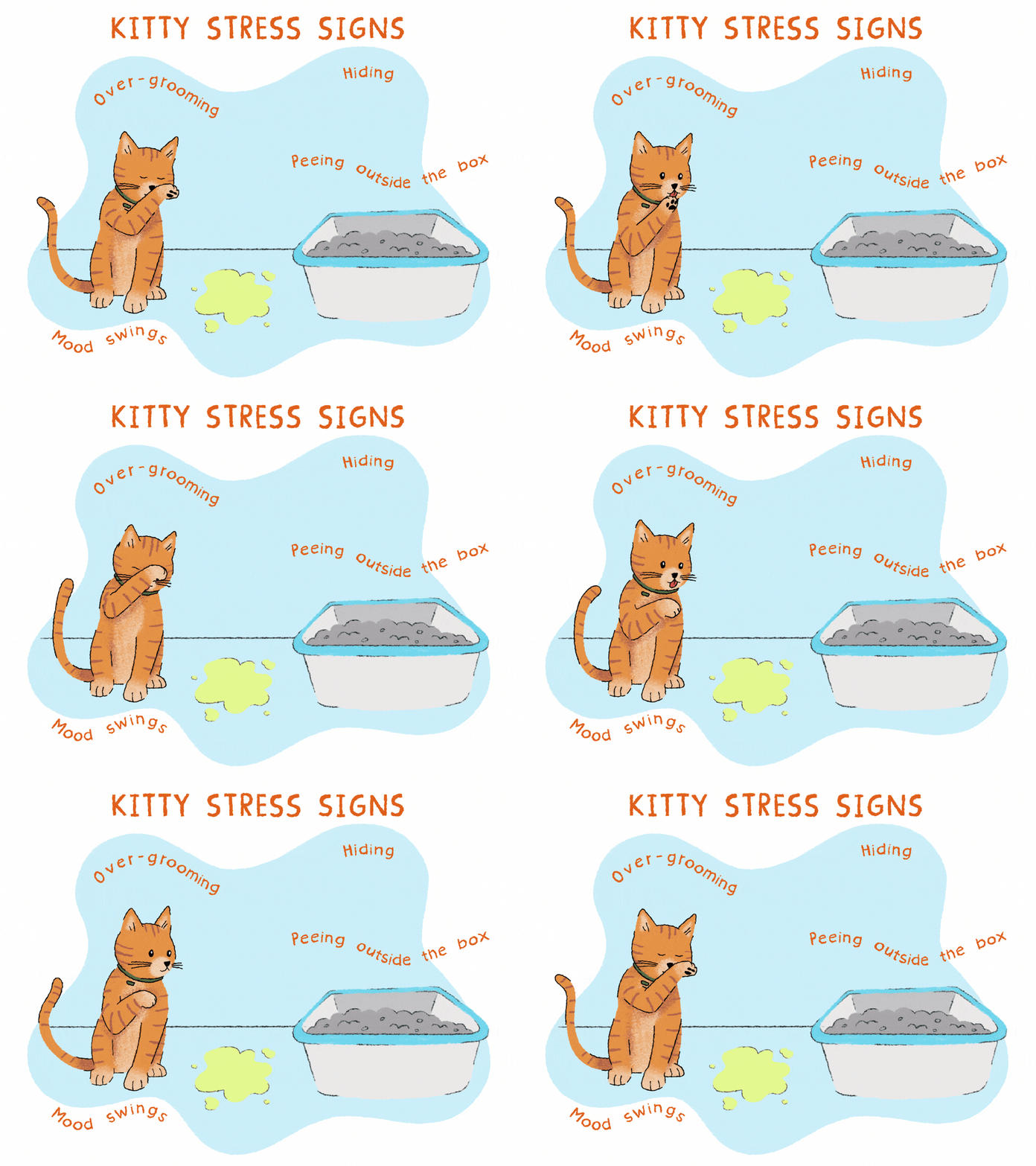
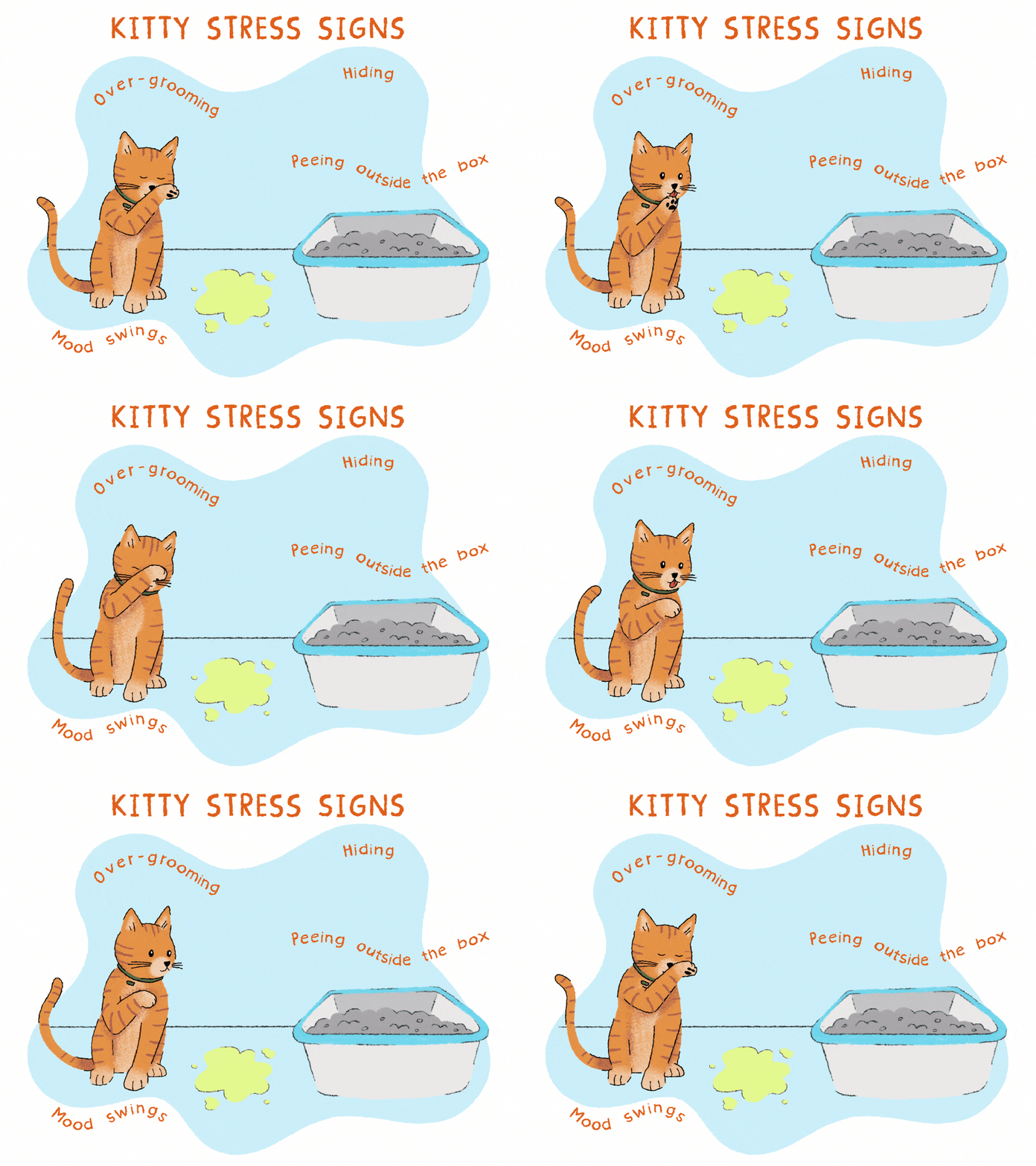
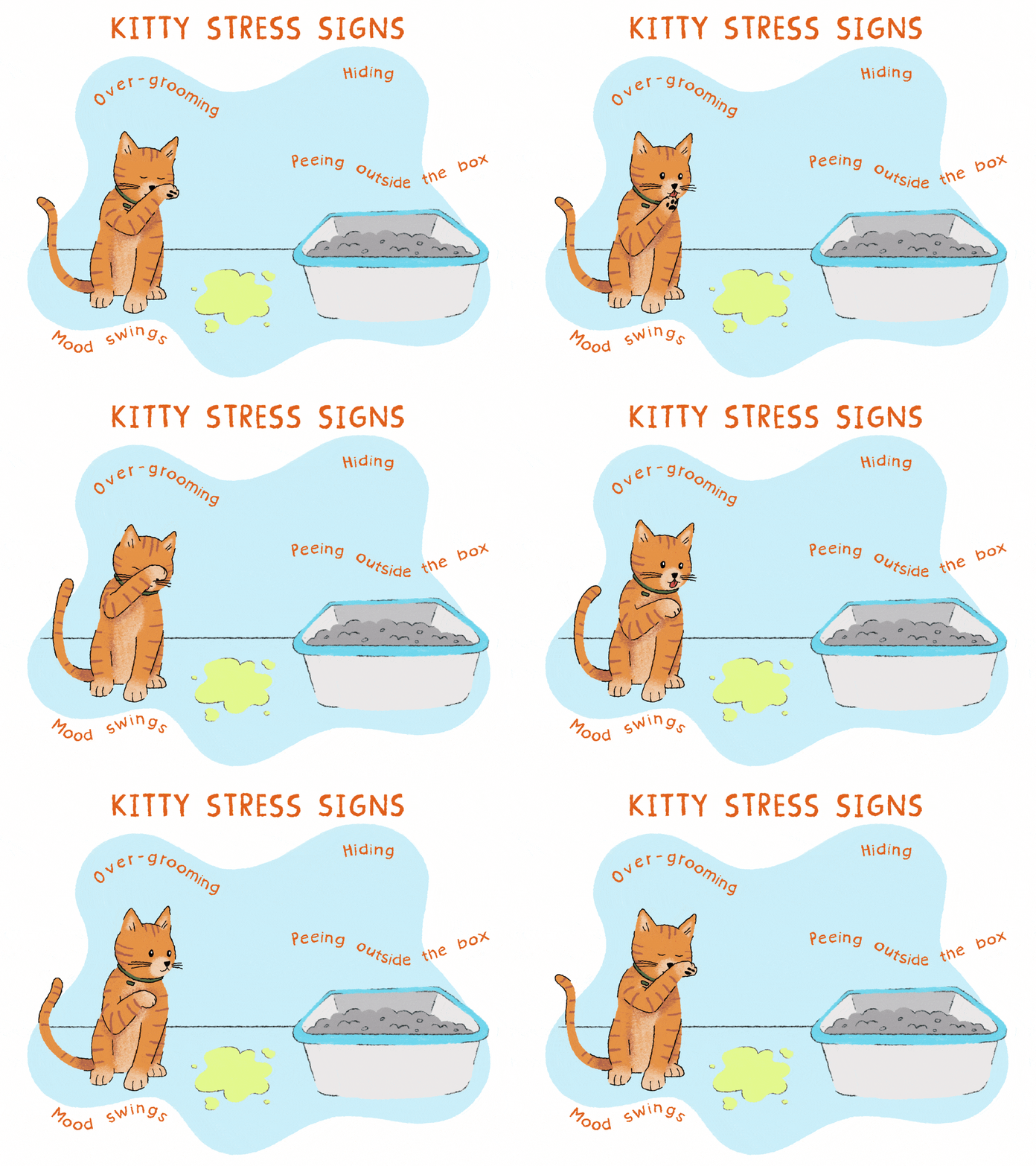
Behavioral changes are often the first signs. A usually social cat might hide more often. They may avoid their favorite spots or people. Some cats become clingy, seeking constant attention. Increased aggression is also a common indicator. They might hiss or scratch without any clear reason. Changes in litter box habits can signal anxiety too. They may urinate outside the box or do so frequently.
Physical Symptoms
Cats with anxiety might show physical symptoms. Excessive grooming can lead to bald spots or skin irritation. A decrease in appetite is another sign. Your cat might eat less or refuse food. Rapid weight loss is something to watch for. Digestive issues like vomiting or diarrhea can occur. Cats might also exhibit changes in sleep patterns. Restless nights or sleeping too much can indicate stress.
Common Causes Of Anxiety In Cats
Cats can feel anxious due to changes in their environment or routine. Loud noises, new pets, or strangers can also stress them. Understanding these triggers helps in creating a calm atmosphere for your feline friend.
Cats are sensitive creatures, and various factors can trigger their anxiety. Understanding these causes helps in providing a better environment for your feline friend. Anxiety in cats can stem from environmental stressors, health issues, and social factors. Each plays a crucial role in your cat’s mental well-being.Environmental Stressors
Changes in a cat’s environment can cause anxiety. Loud noises can be unsettling. A new home or rearranged furniture can disrupt their comfort zone. Even a new pet or family member can lead to stress. Cats thrive on routine. Sudden changes can make them anxious. Providing a stable environment helps minimize stress.Health Issues
Health problems often lead to anxiety in cats. Pain from arthritis or dental issues can be distressing. Hyperthyroidism and skin allergies are common culprits. Chronic illnesses like kidney disease can also affect their mood. Regular vet check-ups are vital. Identifying and treating health issues early can reduce anxiety.Social Factors
Cats are social animals, though they can be selective. Lack of socialization can cause anxiety. Aggressive interactions with other pets can be stressful. Being left alone for long periods can lead to separation anxiety. Providing companionship and interaction is essential. Playtime and bonding reduce stress and build trust.Impact Of Anxiety On Cat Health
Cats can experience anxiety due to changes in their environment, leading to stress-related health issues. Symptoms like excessive grooming or hiding may signal anxiety, affecting their overall wellbeing. Addressing these concerns early can help in managing and improving your feline’s health.
Anxiety in cats is not just a fleeting emotion; it can have profound effects on their health. Just like humans, when a cat faces anxiety, it can affect both their mental and physical well-being. Understanding these impacts can help you take better care of your feline friend and perhaps even improve their overall quality of life. Have you noticed your cat acting differently? Let’s dive into how anxiety might be affecting them.Mental Well-being
A cat’s mental state can be significantly disrupted by anxiety. They might become more withdrawn, avoiding interactions with you or other pets. Have you ever seen your cat hiding more frequently? This could be a sign of anxiety. Anxious cats may also exhibit behavioral changes, like increased aggression or excessive grooming. These actions are their way of coping with stress. Understanding these signs can help you address their emotional needs and offer comfort.Physical Health
Anxiety doesn’t just stay in the mind; it can spill over into physical health. You might notice your cat losing weight or having a change in appetite. Stress can lead to digestive issues, affecting their overall nutrition. Frequent health problems, such as urinary tract infections, could also be linked to anxiety. Imagine the discomfort your cat feels, which only adds to their stress. Addressing their anxiety might alleviate some of these physical ailments. Taking proactive steps to manage your cat’s anxiety can lead to a healthier, happier pet. Have you considered creating a calm environment or introducing stress-relieving activities? Small changes can make a big difference.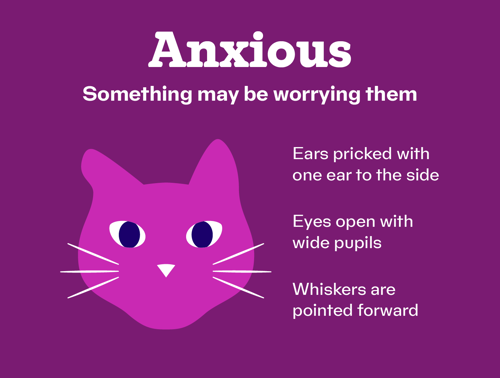
Credit: www.cats.org.uk
How To Help Your Anxious Cat
Cats can feel anxious due to changes in their environment or routine. Loud noises, unfamiliar people, or new pets might stress them. Providing a calm space, gentle interaction, and consistent routines can help soothe a worried cat.
Helping your anxious cat can be crucial for its well-being. Cats can experience anxiety due to various reasons. Changes in environment, loud noises, or past traumas can trigger stress. Understanding how to comfort your cat can improve its quality of life. Let’s explore ways to help your feline friend feel safe and secure.Creating A Safe Environment
A calm space can ease your cat’s anxiety. Provide a quiet corner with a cozy bed. Ensure it has toys and scratching posts. Soft lighting can also help. Keep the area free from sudden noises. Maintain a regular routine to give your cat a sense of security. Familiar smells can comfort them. Try using a pheromone diffuser to calm your cat naturally.Behavioral Interventions
Engage your cat in playful activities. Interactive toys can distract and entertain. Routine playtime can reduce stress levels. Use gentle words and petting to reassure them. Training sessions can build confidence. Reward positive behavior with treats. Consistency in actions can make them feel safe. Observe their body language and respond accordingly.Professional Help
Consult a vet for expert advice. They can assess and suggest solutions. Medication might be necessary in severe cases. Cat behaviorists can offer specialized training. Therapy sessions can improve coping mechanisms. Regular check-ups can prevent health issues. Ask about dietary changes to reduce anxiety. An expert can guide you towards effective strategies.Preventing Anxiety In Cats
Cats often feel anxious due to changes in their environment or routine. Loud noises, unfamiliar people, or even new furniture can trigger stress. Understanding these causes helps prevent anxiety, ensuring your feline friend stays calm and content.
Preventing anxiety in cats is crucial for their well-being. Anxiety can be distressing not only for your feline friend but also for you as a caregiver. The good news is that there are practical steps you can take to help your cat feel secure and calm. Understanding their needs and environment plays a significant role in reducing their stress levels. Let’s dive into how routine, stability, and socialization can prevent anxiety in your cat.Routine And Stability
Cats thrive on routine. They feel secure when they know what to expect each day. Feeding your cat at the same times daily can create a sense of predictability. This simple act can significantly reduce their anxiety. Consider your own experiences. How would you feel if your meals were unpredictable? Cats feel the same way. Establishing a regular playtime can also help. Play stimulates their mind and releases pent-up energy. Routine helps your cat feel safe and secure in their environment.Socialization Tips
Socialization is key to preventing anxiety. Gradually introduce your cat to new people and environments. This helps them build confidence and reduces fear of the unknown. Encourage gentle interactions, allowing your cat to approach others at their own pace. Think about how you would feel meeting strangers. Your cat needs to feel safe and in control. Provide positive reinforcement with treats or affection when they engage socially. This reassures your cat that new experiences can be enjoyable and safe. Creating a calm environment is also important. Consider the impact of loud noises and sudden changes. How can you make your home a peaceful haven? Simple changes, like reducing noise or providing hiding spots, can make a big difference. In helping your cat feel more secure, you’re not only reducing their anxiety but strengthening your bond. What steps will you take today to support your cat’s emotional well-being?
Credit: greenelementcbd.com
Understanding Feline Emotions
Cats experience anxiety due to changes in their environment or routine. New pets, loud noises, or even moving furniture can stress them. Recognizing these signs helps in providing comfort and support.
Cats are mysterious creatures, often leaving us puzzled by their behaviors. Understanding feline emotions can be key to recognizing why your cat might experience anxiety. Just like humans, cats have complex emotional lives, and their anxiety can stem from a variety of sources. Understanding what your cat is feeling can help you create a calmer environment for them.Bonding With Your Cat
Building a strong bond with your cat can be the first step toward understanding their emotions. Spend quality time with them daily. This doesn’t have to be lengthy; even a few minutes of play or gentle petting can strengthen your connection. Consider your own experiences with cats. Have you noticed how they might react differently to your mood or presence? By being observant, you can learn a lot about your cat’s emotional state. Creating a routine can also be beneficial. Cats thrive on predictability, and knowing what to expect can reduce their anxiety. Regular feeding times and play sessions can offer them a sense of security.Recognizing Emotional Cues
Recognizing your cat’s emotional cues is crucial in identifying anxiety. Look for changes in their behavior, such as hiding, excessive grooming, or vocalization. These can be signs that something is off. Consider if there have been any changes in your home environment. New furniture, visitors, or even a change in your schedule might affect your cat’s emotional state. Cats communicate through body language. Pay attention to their ears, tail, and eyes. An upright tail might mean they’re happy, while flattened ears could indicate fear or anxiety. Have you ever noticed your cat retreating to a quiet corner? This could be their way of coping with stress. Creating a safe space for them to retreat to can be incredibly comforting for an anxious cat. Ask yourself if you might be missing any subtle signals. Cats often express anxiety quietly, so tuning into their unique way of communicating is key. Understanding these cues can help you address their needs more effectively.:strip_icc()/reducing-anxiety-in-cats-554064-FINAL-5b9faac146e0fb00507d984e.png)
Credit: www.thesprucepets.com
Frequently Asked Questions
How To Reduce A Cat’s Anxiety?
Create a calm environment with soothing music and soft lighting. Provide safe hiding spots. Use pheromone diffusers to promote relaxation. Engage your cat with interactive toys and regular playtime. Maintain a consistent routine for feeding and activities. Consider consulting a veterinarian for additional advice or anxiety medications.
What Are Signs Of Anxiety In Cats?
Cats may show signs of anxiety through excessive grooming, hiding, or aggression. They might also vocalize more and avoid litter boxes. Changes in eating or sleeping habits can indicate stress. Watch for pacing, trembling, or tail flicking as potential anxiety indicators.
How Long Does It Take A Cat To Get Over Stress?
Cats usually recover from stress within a few days to weeks. The duration depends on the severity of stress and individual temperament. Providing a calm environment and consistent routine helps. Consult a vet if stress persists.
Is My Cat Anxiously Attached?
Cats with anxious attachment may display clingy behavior, excessive meowing, or distress when alone. They might follow you constantly and show signs of anxiety. Consult a vet for proper diagnosis and solutions to ease your cat’s anxiety, ensuring a happier and healthier environment for them.
Conclusion
Understanding your cat’s anxiety helps improve its well-being. Pay attention to changes. Offer a safe environment with plenty of love. Regular vet visits are important. A balanced diet can also make a difference. Consider interactive toys for mental stimulation. Patience is key in supporting your feline friend.
Seek professional advice if anxiety persists. Your cat’s happiness is worth the effort. A calm cat means a happy home. Remember, each small step brings comfort. Celebrate progress, no matter how small. Your cat depends on you for emotional support.
Show compassion and understanding daily. Together, you can ease their anxiety.

Similar Posts