What Helps Cats With Anxiety: Effective Calming Solutions

Are you worried about your cat’s anxiety? You’re not alone.
Many cat owners notice their furry friends acting stressed or anxious, and it’s not always clear how to help. Seeing your beloved pet in distress can be heart-wrenching. You want to provide comfort, but you’re unsure where to start. Imagine if you could unlock the secrets to a calmer, happier cat with just a few simple changes.
This article will guide you through practical and effective strategies that can make a real difference. Keep reading to discover how you can transform your anxious kitty into a purring bundle of joy. Your cat’s happiness is just a few steps away.
Credit: www.smalldoorvet.com
Causes Of Anxiety In Cats
Cats may experience anxiety due to changes in their environment, loud noises, or unfamiliar faces. Calming pheromone sprays can help soothe them. Providing safe spaces and interactive toys also helps ease their stress.
Cats, like humans, can experience anxiety. Understanding the causes of anxiety in cats is crucial in providing them with the right support. Identifying these causes not only helps in reducing their stress but also enhances their overall well-being. Have you ever noticed your cat acting differently during certain events or changes in the environment? You might have been witnessing anxiety triggers. Let’s dive into some common triggers and signs of anxiety in cats.Common Triggers
Cats are sensitive creatures. A shift in their routine or environment can cause stress. Loud noises, such as fireworks or thunderstorms, often unsettle them. Have you ever seen your cat bolt under the couch during a storm? It’s more common than you might think. Changes in the household, like a new pet or a new family member, can also trigger anxiety. Cats thrive on stability, and sudden changes can disrupt their sense of security. Even moving furniture around might cause your cat to feel uneasy. Additionally, separation from their favorite human can lead to anxiety. If you notice your cat meowing excessively when you leave, they might be feeling lonely or stressed. Think about how comforting your presence is to them.Signs Of Anxiety
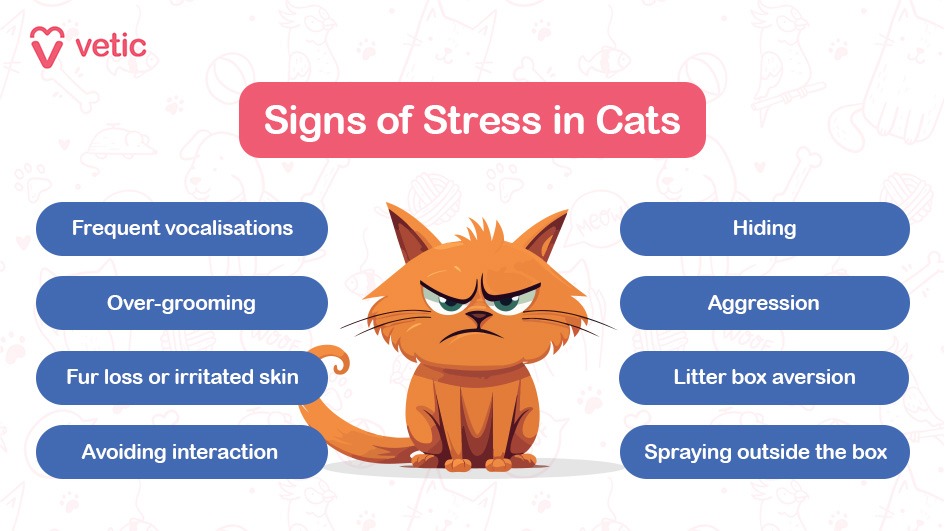
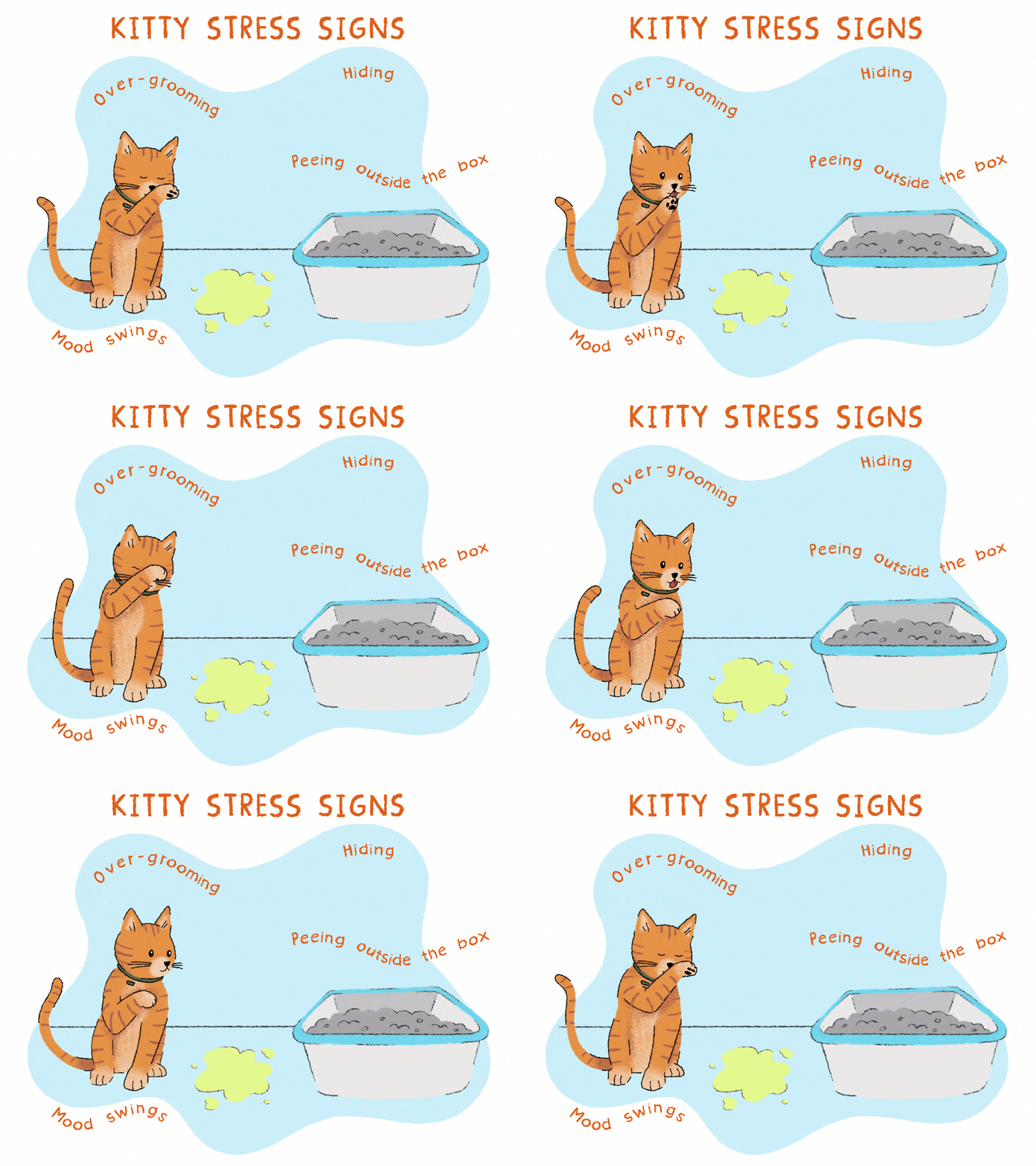
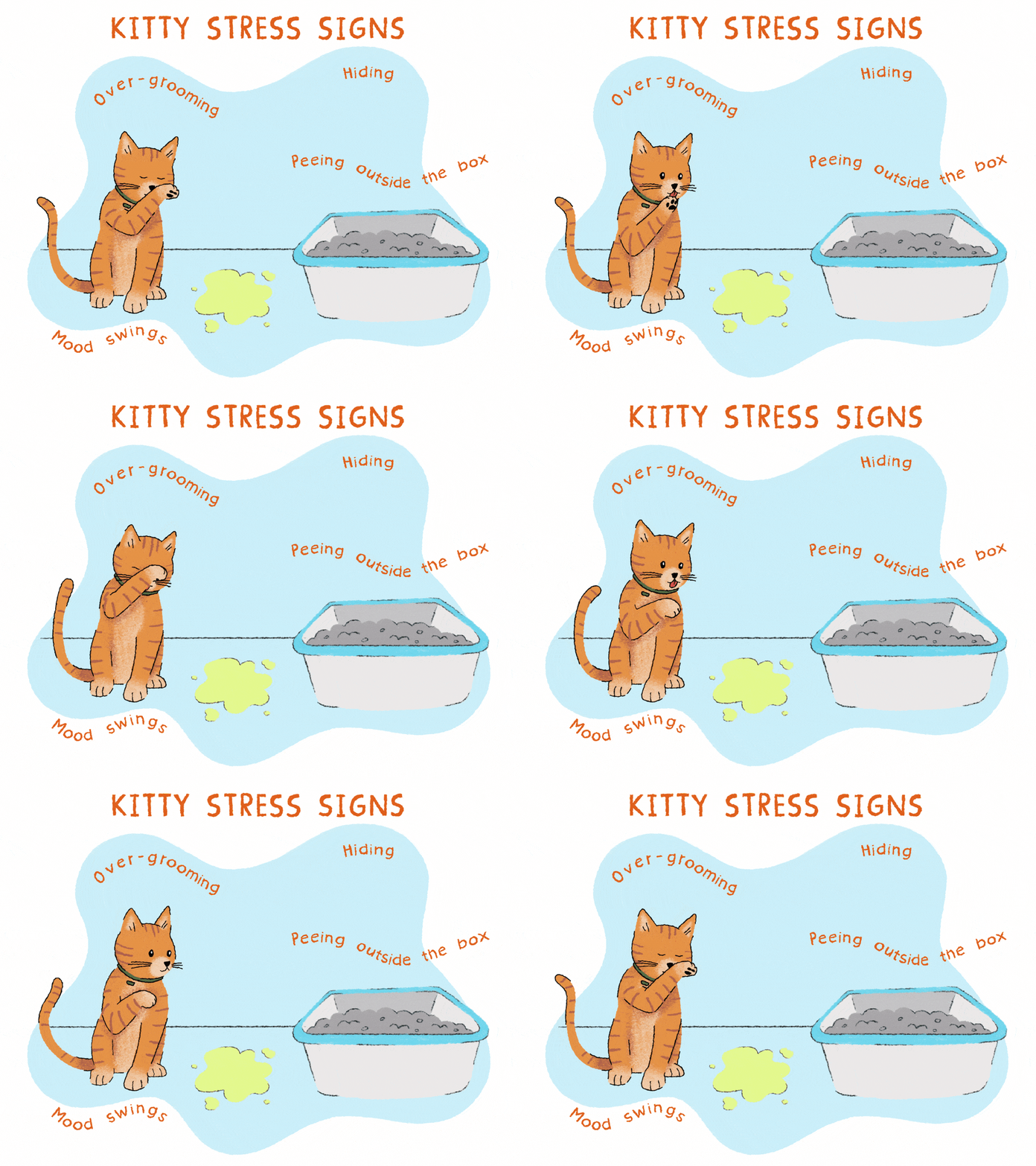
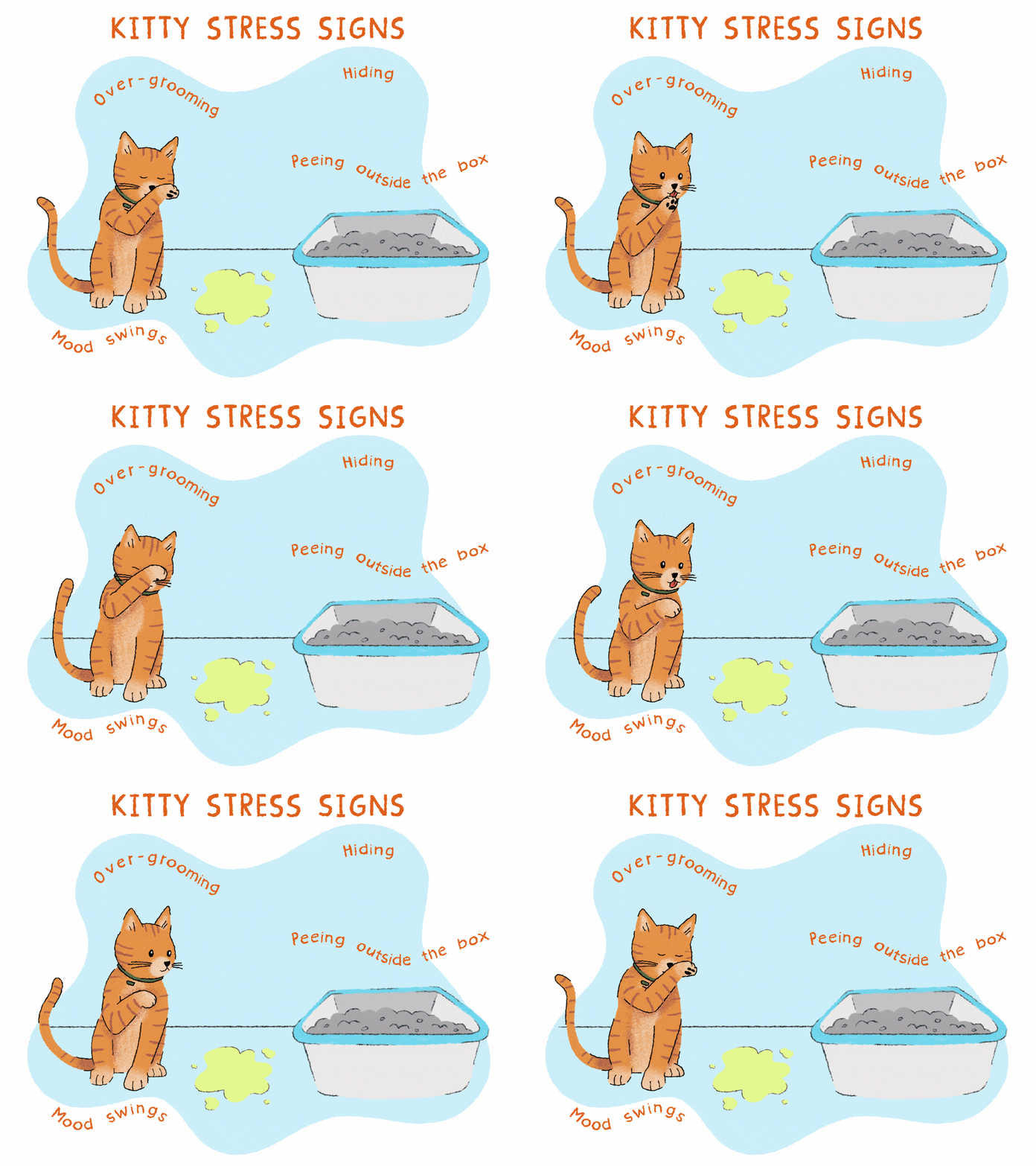
Recognizing anxiety in your cat can be tricky, but there are clear signs to watch for. Have you seen your cat grooming excessively to the point of bald patches? This behavior often indicates stress. Hiding is another common sign. If your usually social cat suddenly spends more time under the bed or in a closet, they might be anxious. Pay attention to these changes in their behavior. Increased aggression or irritability can also be a sign. If your cat suddenly swats at you more often, they’re probably dealing with anxiety. It’s important to approach them calmly and gently during these times. Understanding these signs and triggers can help you create a more comforting environment for your furry friend. What steps will you take to make your home a safe haven for your anxious cat?
Credit: restorapet.com
Environmental Adjustments
Creating a peaceful environment helps cats feel safe. Calming music and cozy hiding spots reduce anxiety. Regular routines provide comfort and security.
Cats, like humans, can experience anxiety, and it’s vital to create a comforting environment that eases their stress. Environmental adjustments can significantly help in reducing anxiety levels. By making small changes at home, you can provide your feline friend with a more serene and soothing atmosphere. Let’s dive into some practical steps you can take.Safe Spaces
Creating a safe space is crucial for an anxious cat. A designated area where your cat can retreat when feeling overwhelmed is essential. Consider setting up a cozy corner with a soft bed or blanket, away from high-traffic areas. You might also add a few of your cat’s favorite toys to this safe space. My cat, Luna, loves her little hideaway under the stairs, especially when things get too noisy. Where does your cat find comfort?Sensory Enrichment
Sensory enrichment can play a significant role in alleviating anxiety in cats. Introduce gentle sounds, like soft music or nature sounds, to create a calming environment. This can help drown out disturbing noises, like thunderstorms or fireworks. Engage your cat’s sense of smell with cat-friendly pheromone diffusers, which can promote relaxation. These can be particularly helpful if your cat is sensitive to changes in the home environment. You might also consider offering different textures for your cat to explore, such as scratching posts or plush toys. This not only keeps them entertained but also helps them feel more secure. Have you noticed any particular scents or sounds your cat responds positively to? Experiment with various sensory inputs to discover what works best.Behavioral Interventions
Calming a cat with anxiety can involve gentle behavioral interventions. Creating a safe space for your cat helps. Playing soothing music or offering interactive toys can also reduce stress.
Cats, like humans, can experience anxiety, and it’s essential to address these feelings to ensure their well-being. Behavioral interventions are a great way to help your feline friend cope with anxiety. They involve techniques that modify behavior through structured routines and positive interactions. Let’s delve into two key strategies that can make a difference: routine establishment and positive reinforcement.Routine Establishment
Creating a consistent daily routine can significantly alleviate your cat’s anxiety. Cats thrive on predictability. Establishing a schedule for feeding, playtime, and rest can provide them with a sense of security. Imagine waking up at the same time every day, knowing exactly when you’ll get breakfast. This predictability can lower anxiety levels in cats. Start by setting regular meal times, and stick to them. Add a daily play session using your cat’s favorite toy. Over time, your cat will anticipate these activities, reducing stress and anxiety.Positive Reinforcement
Positive reinforcement is a powerful tool to encourage desirable behavior. Praise and reward your cat when they engage in calm and relaxed behavior. This can be as simple as a gentle pet or a tasty treat. Consider rewarding your cat with a treat each time they calmly sit by your side rather than hiding under the bed. Over time, your cat will associate calm behavior with positive outcomes, encouraging them to stay relaxed. Have you ever tried using a clicker to train your cat? Clicker training can be an effective way to reinforce positive behaviors, like sitting or coming when called. It’s a fun and interactive way to boost your cat’s confidence and reduce anxiety. Are you ready to embrace these strategies and see a change in your cat’s behavior? The bond you share will grow stronger as their anxiety diminishes, creating a happier environment for both you and your feline companion.Natural Remedies
Cats can experience anxiety just like humans. Natural remedies might help ease their stress. These solutions are often gentle and non-invasive. They offer a holistic approach to calming your feline friend. Let’s explore some effective natural remedies for cat anxiety.
Herbal Supplements
Herbal supplements can soothe anxious cats. Valerian root is popular for its calming effects. Chamomile has a gentle sedative property. Catnip can also relax your feline. These herbs are usually safe but consult a vet first.
Some supplements come in tincture form. You can add them to your cat’s food. Others are available as capsules or powders. Herbal options provide a natural way to reduce stress.
Aromatherapy
Aromatherapy can help anxious cats feel calmer. Essential oils like lavender are well-known for soothing properties. Always ensure oils are safe for cats. Dilute them properly before use.
Use a diffuser to spread calming scents in your home. Cats might respond well to gentle aromas. Avoid direct application on your cat’s fur or skin. Aromatherapy offers a peaceful environment for your pet.
Commercial Products
Calming products like pheromone diffusers and anxiety wraps can ease stress in cats. Herbal supplements and toys also help soothe anxious behavior.
Cats, like humans, can experience anxiety. While there are many solutions available, commercial products can offer quick relief for your furry friend. These products are designed with the well-being of your pet in mind, utilizing innovative features to provide comfort and security. Let’s explore some popular options that could help ease your cat’s anxiety.Calming Collars
Calming collars are infused with soothing pheromones that mimic the natural scent mothers produce to calm their kittens. These pheromones help your cat feel safe and secure. Imagine coming home after a long day, and your stressed cat suddenly becomes calm and affectionate. These collars are designed to provide that kind of immediate comfort. They’re easy to use, just like a regular collar. Have you tried them before? If not, it might be worth considering.Anxiety Vests
Anxiety vests, often referred to as “thunder shirts,” wrap snugly around your cat’s body, creating a comforting pressure. This gentle hug can significantly reduce anxiety levels. You might have seen similar vests for dogs, but they work wonders for cats too. Picture your cat during a thunderstorm, usually a source of distress, now resting peacefully with the help of a vest. These vests are adjustable and come in various sizes. Would your cat benefit from one during stressful events like vet visits or travel? Choosing the right product depends on your cat’s specific needs and preferences. It’s worth experimenting to see what works best. Remember, the goal is a happy, relaxed cat who can enjoy life without anxiety holding them back.Professional Help
Professional help can be a lifeline for anxious cats. When simple solutions don’t work, experts step in. They offer tailored advice and care. Cats, like humans, have unique needs. Professionals understand this. They provide support and guidance. Let’s explore the options available.
Veterinary Consultation
Veterinarians play a vital role in managing cat anxiety. They conduct thorough examinations. This helps identify any underlying health issues. Sometimes, anxiety stems from physical discomfort. A vet can prescribe medication if needed. This can help soothe nerves. They also offer advice on lifestyle changes. Diet, exercise, and environment can impact anxiety levels. Regular vet visits ensure your cat’s well-being.
Behavioral Therapy
Behavioral therapy focuses on modifying a cat’s responses. Certified animal behaviorists lead these sessions. They study the cat’s habits and triggers. Then, they develop a customized plan. This might include desensitization techniques. Or positive reinforcement strategies. Consistent practice is key. Over time, cats learn to cope better. They become more relaxed in stressful situations.
Long-term Management
Creating a calming environment helps cats with anxiety. Provide cozy spaces and maintain a routine for stability. Gentle play and soothing sounds can ease stress, promoting long-term management of anxious behaviors.
Long-term management of anxiety in cats requires dedication and patience. Understanding your feline friend’s needs can make all the difference in ensuring their well-being. It’s not just about a one-time fix; it’s about creating a stable, comforting environment for them to thrive.Monitoring Progress
Keep track of your cat’s behavior over time. Notice any changes in their eating habits, sleeping patterns, or interactions with family members. Are they hiding less or engaging more with their toys? Regularly jot down observations in a notebook. This can help you identify triggers or improvements. It also provides valuable information for discussions with your vet. You might be surprised at how small changes can indicate progress. Is your cat exploring more rooms in the house? These are signs that your strategies might be working.Adjusting Strategies
If your current approach isn’t yielding results, it might be time to reassess. What worked once might need tweaking as your cat grows or as household dynamics change. Consider introducing new elements into their environment, like interactive toys or calming pheromones. Have you tried creating a quiet, safe space just for them? Sometimes, simple changes can make a big difference. Consult with a vet or a feline behaviorist. They can offer new perspectives and suggest adjustments you might not have considered. Are you open to trying new approaches for the sake of your cat’s happiness? Engaging with your cat’s anxiety management actively and thoughtfully ensures a happier, healthier life for both of you. What will you try next to help your cat feel more at ease?
Credit: www.banfield.com
Frequently Asked Questions
How Do You Treat Anxiety In Cats?
Treat cat anxiety with calming products, behavior modification, and environmental enrichment. Consult a vet for medication if necessary.
How To Tell If A Cat Is Anxious?
Cats show anxiety through excessive grooming, hiding, or aggression. Watch for changes in appetite and litter box habits. Pacing, vocalizing, or dilated pupils are also signs. Create a calm environment and consult a vet if needed.
What Is A Natural Remedy For Cats With Anxiety?
Try using calming pheromone diffusers or sprays for anxious cats. These mimic natural feline scents, promoting relaxation.
How Can I Calm My Anxious Cat?
To calm an anxious cat, create a safe environment with hiding spots and soothing music. Use pheromone diffusers and maintain a consistent routine. Regular playtime and interactive toys can also help reduce stress. Consider consulting a vet for advice on anxiety-reducing supplements or medications.
Conclusion
Cats with anxiety need love and patience. Small changes can help. Create a safe space. Use calming products designed for pets. Regular playtime is essential. Consistent routines make a big difference. Diet can also affect mood. Consult a vet for advice.
Each cat is unique. Observe what works best for yours. With the right care, your cat can feel better. Remember, your calmness helps them too. Keep supporting your furry friend on their journey to peace.

Similar Posts