How to Tell If a Cat is Stressed: Signs & Solutions
Is your cat acting differently lately? Maybe they’re hiding more than usual or seem a bit jumpy.
Just like us, cats can experience stress, and it can impact their well-being. As a loving pet owner, you naturally want to ensure your furry friend is happy and healthy. Understanding the subtle signs of stress in cats is crucial for their well-being and can help you take action before things get worse.
You’ll discover practical tips to spot stress in your feline companion. Keep reading to learn how to ensure your cat feels calm and content, and strengthen the bond you both cherish.
Signs Of Stress In Cats
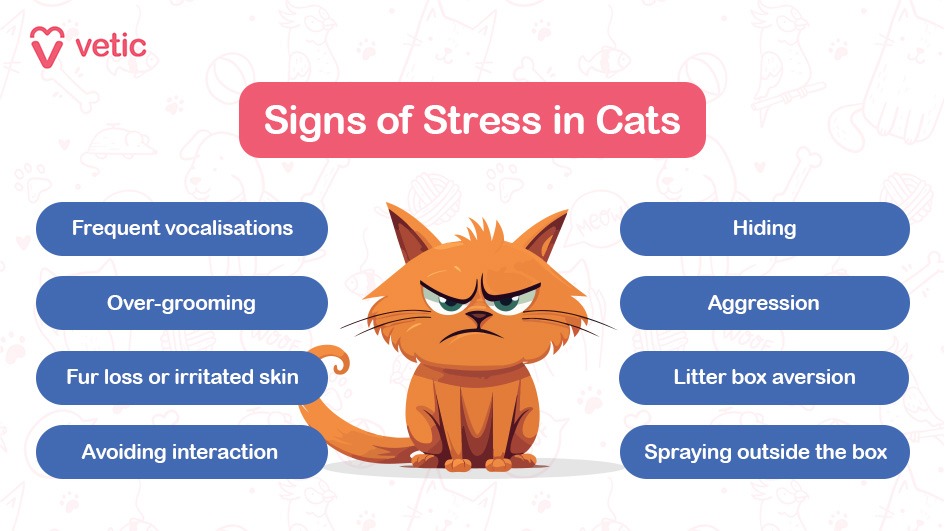
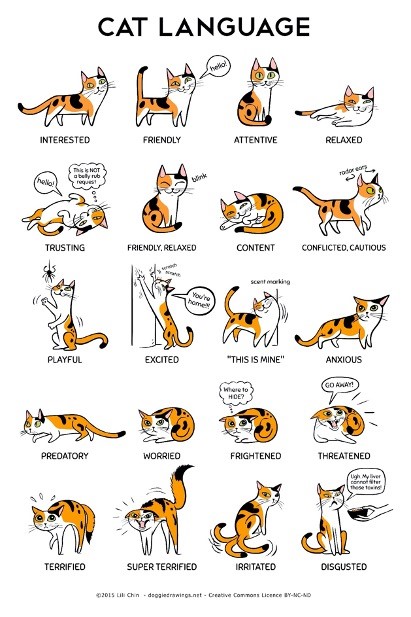
Cats show stress through changes in behavior. Watch for hiding, excessive grooming, or loss of appetite. Increased aggression or frequent meowing might also indicate they are uneasy.
Understanding the signs of stress in cats is crucial for any pet owner. Cats are masters of hiding their discomfort, often making it challenging to detect when they’re stressed. Recognizing these signs early can help you address their needs and ensure their well-being.Behavioral Changes
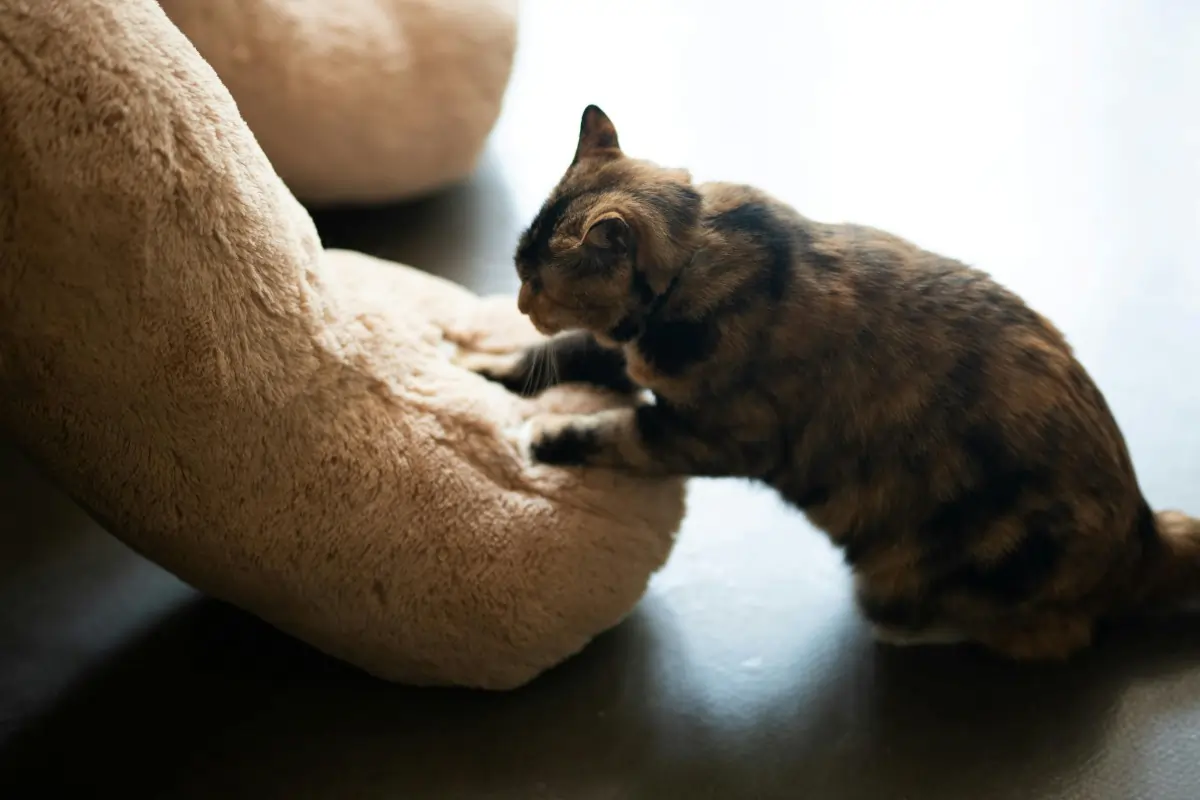
Cats may exhibit noticeable behavioral shifts when stressed. They might become withdrawn, hiding more frequently or avoiding interaction. Increased aggression or sudden fearfulness can also be indicators. Have you noticed your cat clawing furniture more often or vocalizing excessively? These behaviors could be stress signals. My own cat, Luna, started knocking over objects when we moved houses—a clear sign she was unsettled by the change.Physical Symptoms
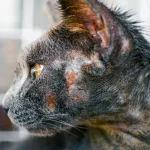
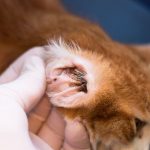
Physical symptoms can be subtle but telling. Your cat might experience a decrease in appetite or start eating less than usual. Weight loss or gain can also occur, reflecting their stress levels. Digestive issues, such as vomiting or diarrhea, might arise. If your cat starts over-scratching or develops bald patches, these could be stress-related too.Changes In Grooming Habits
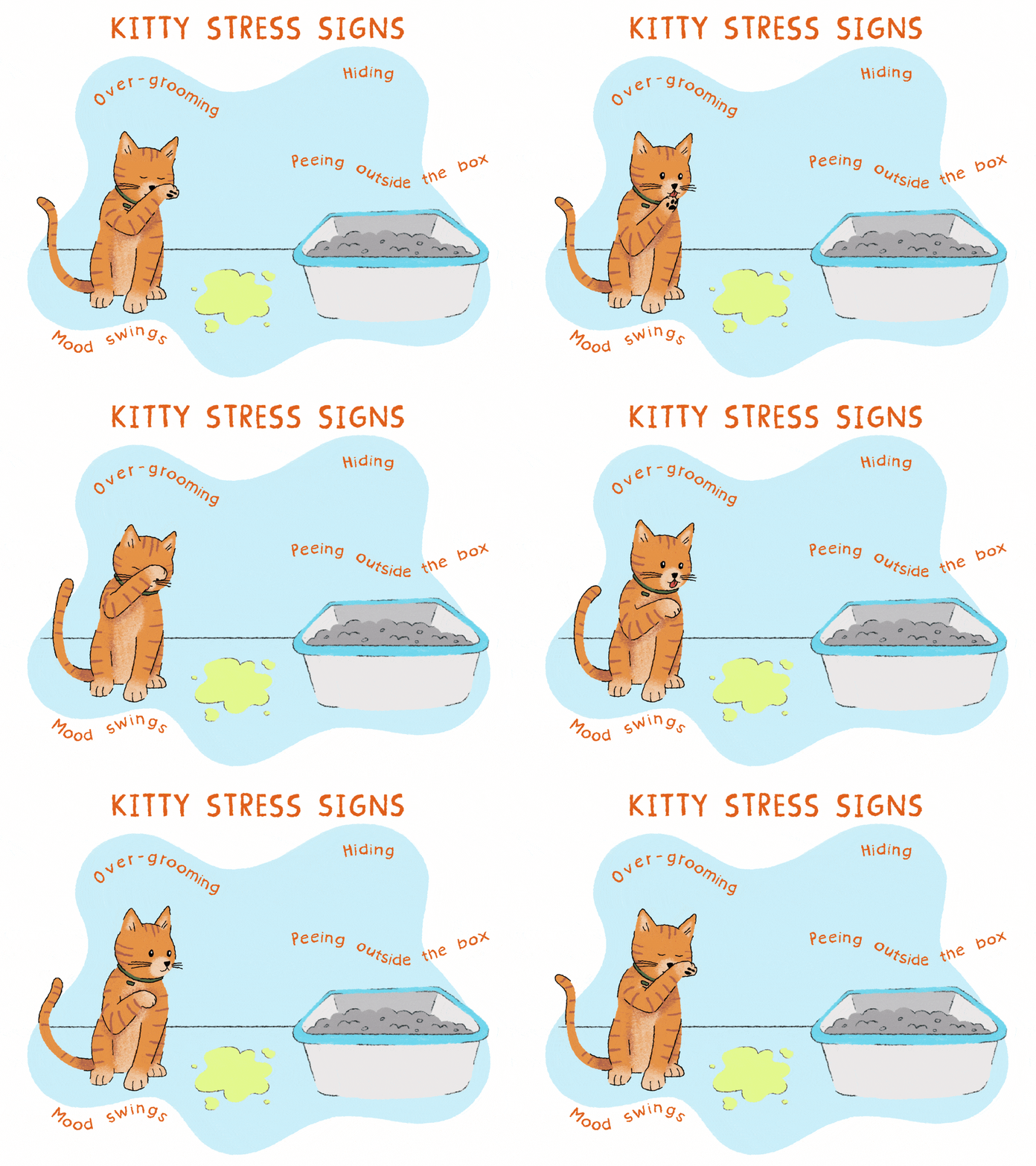
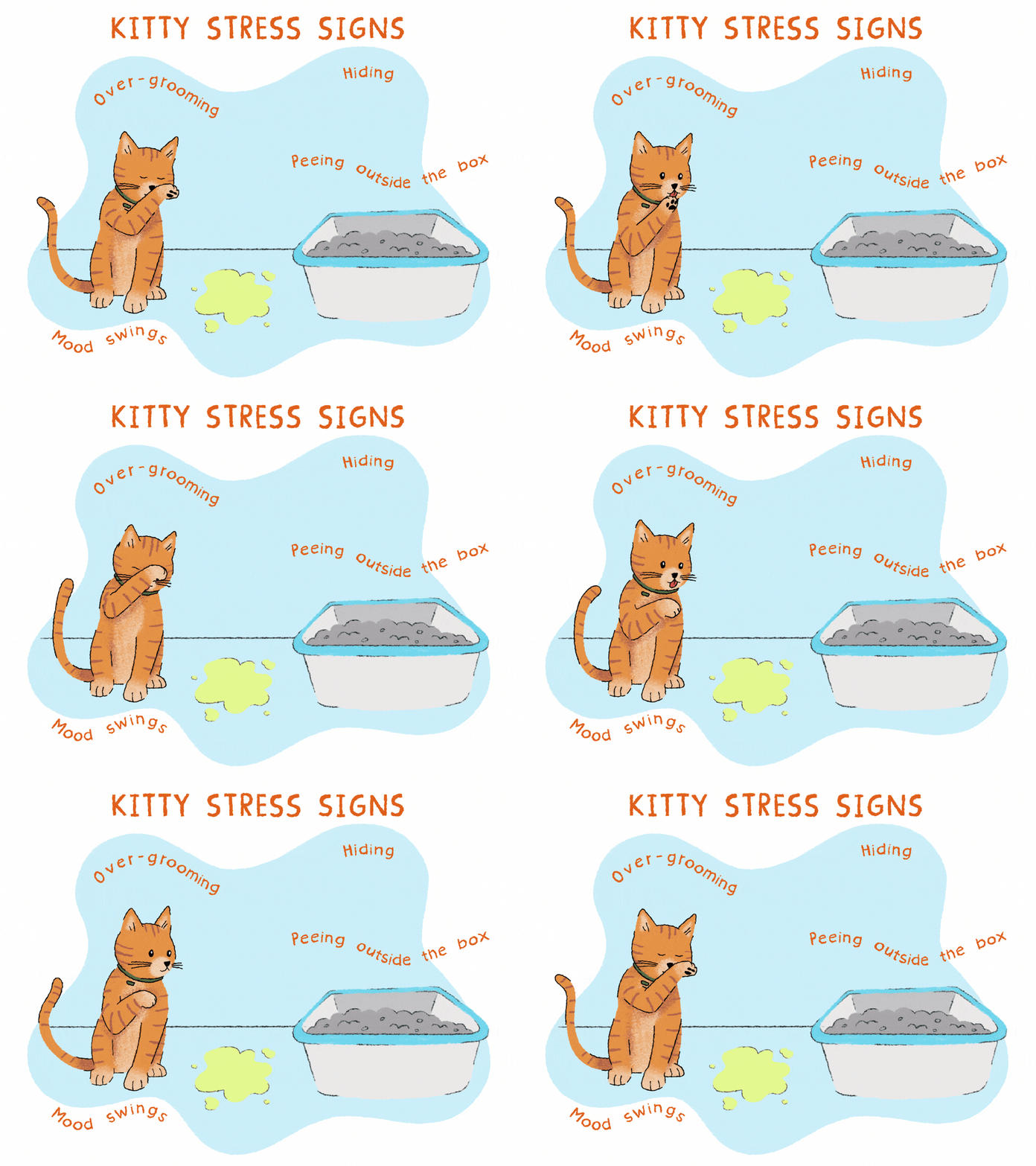
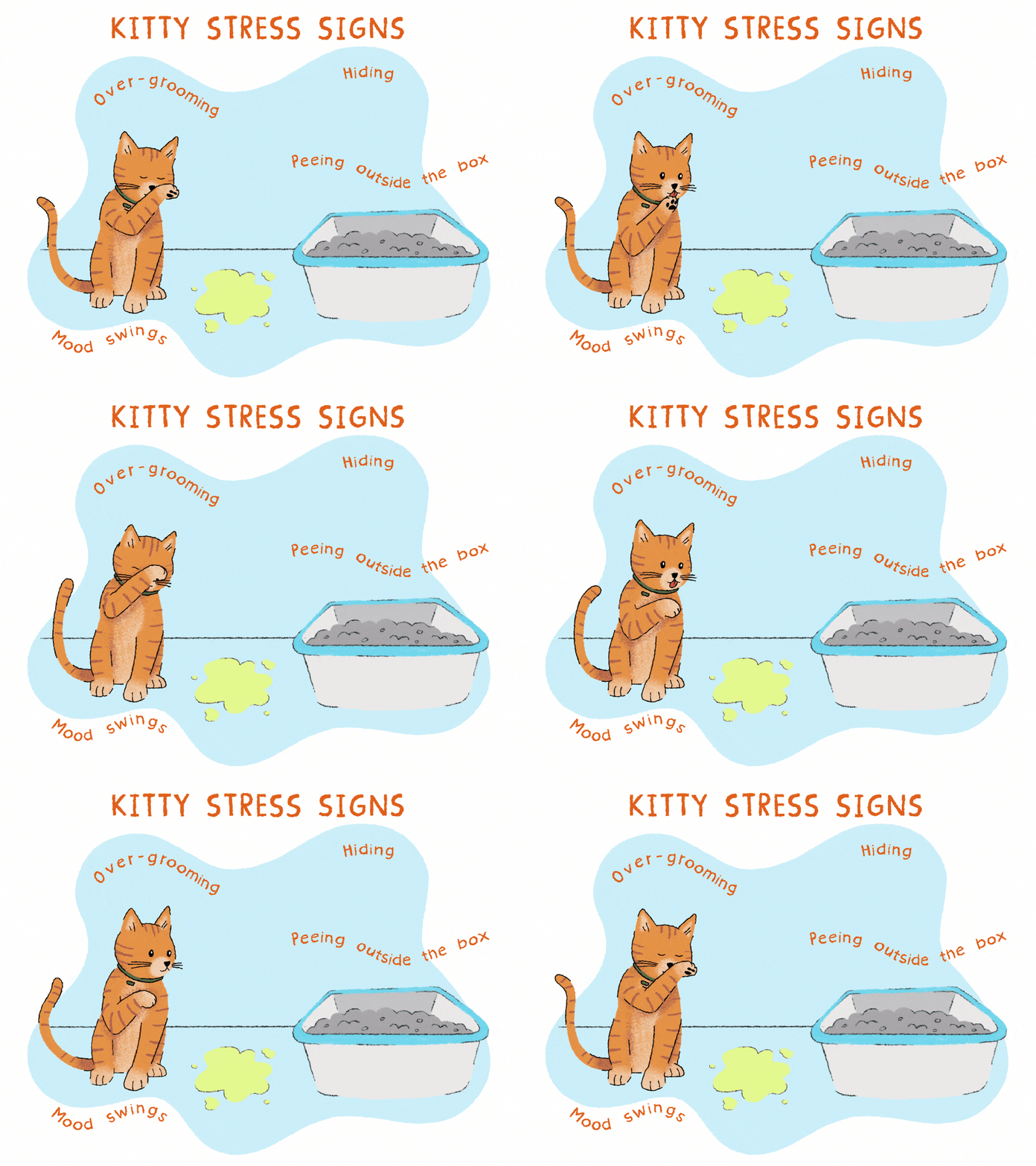
Grooming habits offer a window into a cat’s emotional state. An increase in grooming can mean your cat is trying to self-soothe. Conversely, neglecting grooming can indicate stress, leading to matted fur or dandruff. Have you noticed your cat licking themselves obsessively? This might be their way of coping with stress. Pay attention to such changes, as they can signal that your cat needs help. By observing these signs, you can better understand your cat’s emotional health. What signs have you noticed in your feline friend? Addressing stress early can lead to a happier, healthier companion.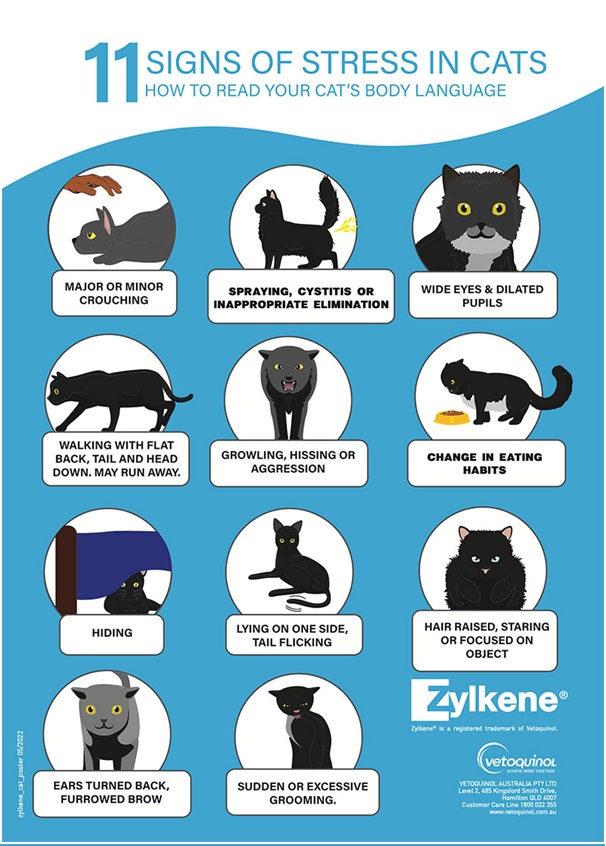
Credit: keysivet.com.au
Common Causes Of Cat Stress
Cats, like humans, experience stress from various sources. Recognizing these stressors can help manage your cat’s well-being. Stress affects their behavior and health, so understanding common causes is vital. Let’s explore the factors that may stress your feline friend.
Environmental Changes
Moving to a new home can unsettle cats. They rely on familiar surroundings for comfort. Loud noises like construction or fireworks can also be stressful. Even simple changes, like rearranging furniture, might upset them. Cats appreciate stability and routine.
Health Issues
Illness or pain can cause stress in cats. Dental problems or chronic conditions are common culprits. Regular vet visits ensure health issues are addressed early. A healthy cat is generally a happier cat. Ensure your cat’s vaccinations and check-ups are up to date.
Social Stressors
Interactions with other pets can lead to stress. Cats are territorial creatures. Introducing new animals might cause anxiety. Even a change in the household members can be unsettling. Ensure introductions to new pets or people are gradual and calm.
Effective Solutions For Cat Stress
Understanding your cat’s stress can be a daunting task, but it’s crucial for their well-being. Cats, like humans, can experience stress due to changes in their environment or routine. However, there are effective solutions to help your feline friend find their calm. Let’s explore how you can create a safe space, provide mental stimulation, and improve their social interactions.
Creating A Safe Environment
Your cat needs a sanctuary where they feel secure. Think about their favorite spots. Is it under the bed or a sunny window ledge? Enhance these areas with cozy blankets and hideaway spaces. Consider using cat trees or shelves that allow them to watch the world from above. A safe environment is key to reducing stress.
Does your home have loud noises or too much foot traffic? Try to minimize these disturbances. Use calming music or white noise machines during busy times. A peaceful atmosphere can make a world of difference in your cat’s stress levels.
Providing Mental Stimulation
Just like humans, cats can get bored. Boredom can lead to stress. Keep their minds active with interactive toys or puzzles. Rotating toys weekly can keep their interest piqued. Have you tried food-dispensing toys? They engage your cat’s hunting instincts while keeping them entertained.
Introduce new activities regularly. Even simple games like hide-and-seek with treats can stimulate their minds. A mentally engaged cat is a happy cat.
Improving Social Interactions
Do you ever wonder if your cat feels lonely? Cats are social creatures, and they thrive on interaction. Spend quality time with them every day. Even a few minutes of play can strengthen your bond and reduce their anxiety.
If your cat seems stressed due to solitude, consider adopting another pet. A companion can provide comfort and keep them company. But ensure your current cat is ready for this change. A gradual introduction can ease the transition.
Remember, understanding your cat’s needs and responding with empathy can significantly alleviate their stress. What changes will you make today for your cat’s happiness?

Credit: www.banfield.com
When To Consult A Veterinarian
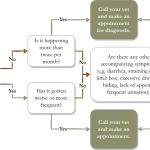
Your feline friend is a master of disguise when it comes to hiding stress, but knowing when to consult a veterinarian can make all the difference in ensuring their well-being. You may wonder, how do you know if your cat’s stress is serious enough to warrant a vet visit? Let’s delve into the signs that should prompt you to seek professional help.
Persistent Symptoms
Cats can sometimes exhibit stress symptoms that linger despite your best efforts to resolve them. If your cat continues to display signs like excessive grooming, hiding, or a lack of appetite for more than a few days, it’s time to consider a vet consultation. These persistent symptoms can indicate underlying health issues that require medical attention.
Severe Behavioral Changes
Has your cat suddenly turned aggressive or started avoiding you? Such severe changes can be alarming. Imagine a cat who once purred happily in your lap now hissing at every touch. These drastic shifts often signal heightened stress levels or potential medical problems, making a vet visit essential.
Health Concerns
Stress can manifest physically, impacting your cat’s health in unexpected ways. Is there unexpected weight loss, vomiting, or diarrhea? These symptoms not only point to stress but can also indicate serious health issues that need immediate veterinary care. A professional evaluation ensures your cat receives the right treatment.
As a cat owner, you have the power to make informed decisions about your pet’s health. Have you noticed any of these signs? Consulting a vet could prevent stress from escalating into something more serious. Remember, your cat’s well-being is worth the proactive effort.
Credit: www.passionatelypets.com
Frequently Asked Questions
What To Do To Help A Stressed Cat?
Create a quiet space for your cat to relax. Use calming pheromone diffusers. Engage in gentle play to distract. Stick to a consistent routine. Consult a vet if stress persists.
What Does Anxiety Look Like In A Cat?
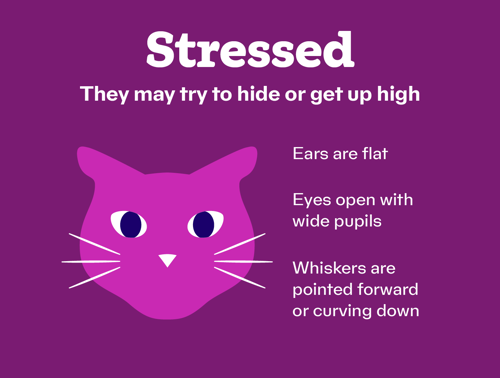
Cats with anxiety may hide, become aggressive, or excessively groom. They might show changes in appetite or litter box habits. Increased vocalization and restlessness are common signs. Look for dilated pupils, tail flicking, and flattened ears. These behaviors indicate stress or discomfort in your cat.
Will Catnip Calm My Cat?
Catnip can calm your cat by releasing feel-good pheromones. Some cats become relaxed, while others may feel more playful. Effects vary depending on your cat’s sensitivity to catnip, which can be inherited or developed over time. Always monitor your cat’s reaction to ensure a positive experience.
Do Indoor Cats Get Stressed?
Indoor cats can experience stress due to boredom, lack of stimulation, or changes in their environment. Providing toys, interaction, and a consistent routine helps alleviate stress. Regular playtime and a safe space contribute to a happier, healthier indoor cat. Always observe your cat’s behavior for signs of stress.
Conclusion
Recognizing stress in cats is vital for their well-being. Watch for signs like hiding, excessive grooming, or changes in appetite. A calm environment helps reduce stress. Provide toys and scratching posts for engagement. Maintain a routine to offer comfort and security.
Regular vet check-ups ensure health issues are not the cause. Pay attention to your cat’s behavior and needs. A happy cat is a healthy cat. With love and care, your feline friend can thrive. Keep observing and learning to ensure a stress-free life for your cat.

Similar Posts