What Can You Give a Cat for Anxiety: Effective Remedies

Is your feline friend acting more skittish than usual? Maybe they’re hiding under the bed or refusing to eat their favorite treats.
If you’ve noticed these signs of stress or anxiety in your cat, you’re not alone. Many pet owners face this challenge, and it’s natural to want to help your furry companion feel calm and secure. But what exactly can you give a cat for anxiety that’s both effective and safe?
You’re about to discover some simple yet powerful strategies that could transform your anxious kitty into a serene, purring bundle of joy. Stay with us as we explore practical solutions that can make a world of difference for both you and your pet. This guide is tailored to ease your worries and help you create a peaceful environment for your beloved cat.
Recognizing Cat Anxiety
Identifying signs of cat anxiety can be crucial for their well-being. Calm your anxious cat with natural remedies like pheromone diffusers or soothing treats. Consult a vet for advice on supplements or medication tailored to your cat’s needs.
Recognizing cat anxiety is crucial for ensuring your feline friend’s well-being. Cats, like humans, can experience anxiety due to various factors. Understanding the signs and causes can help you address their needs effectively.Common Symptoms
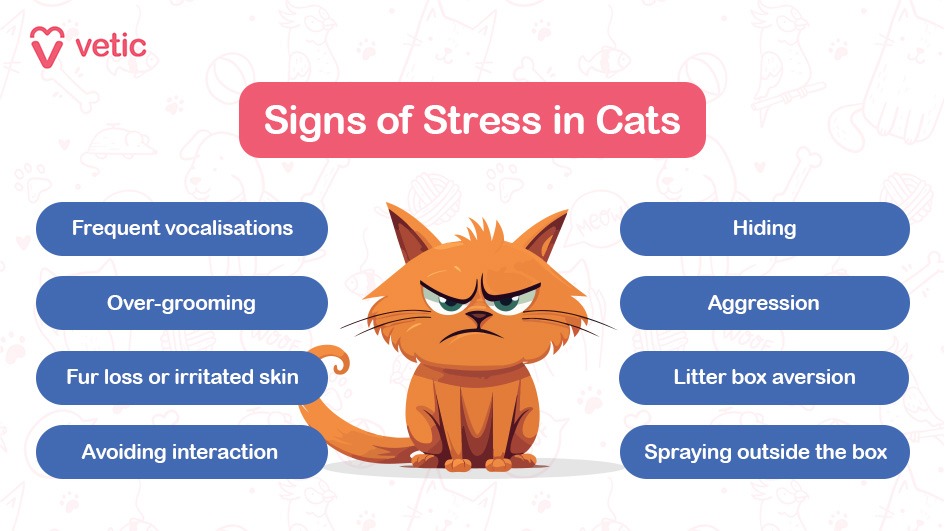
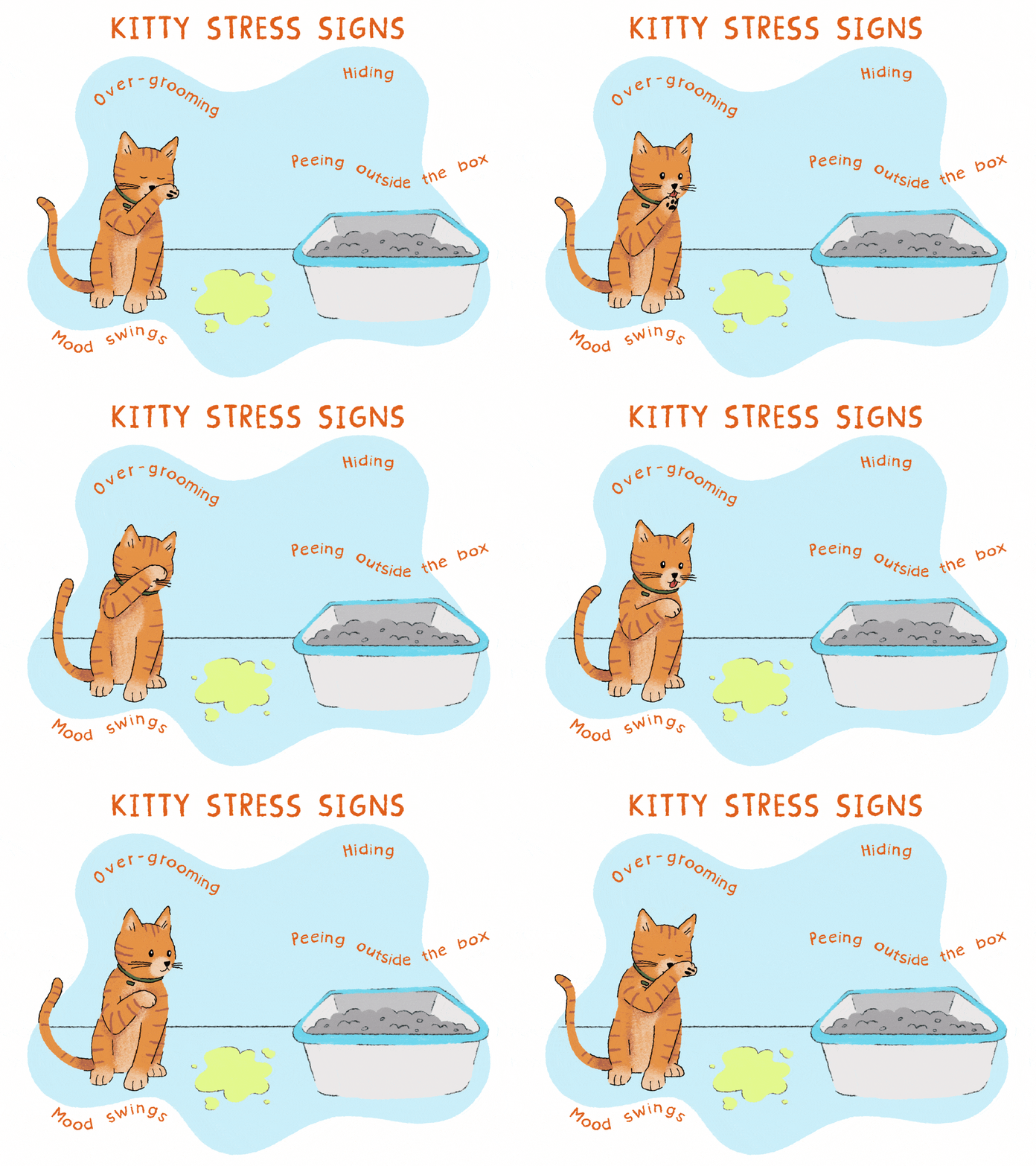
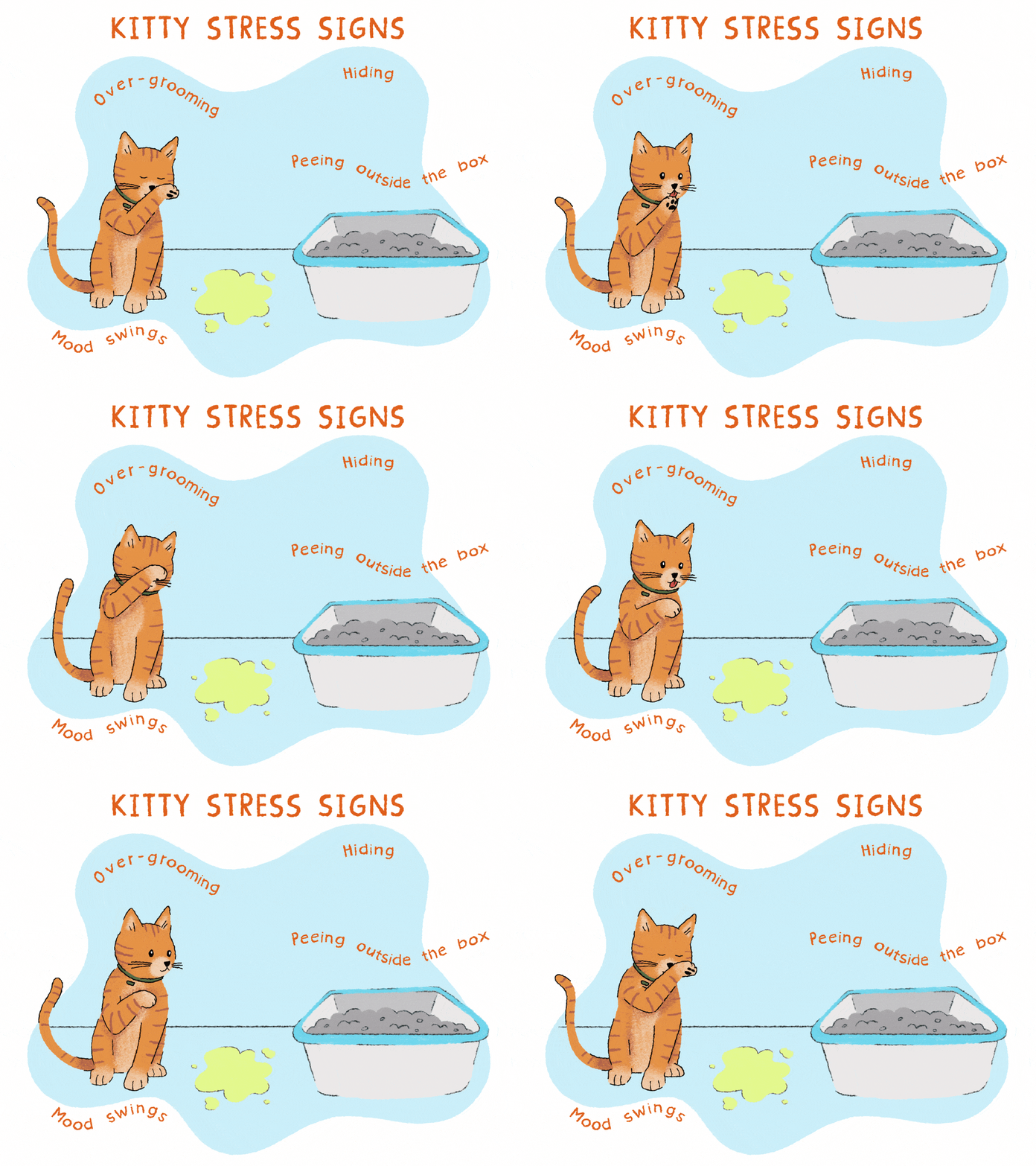
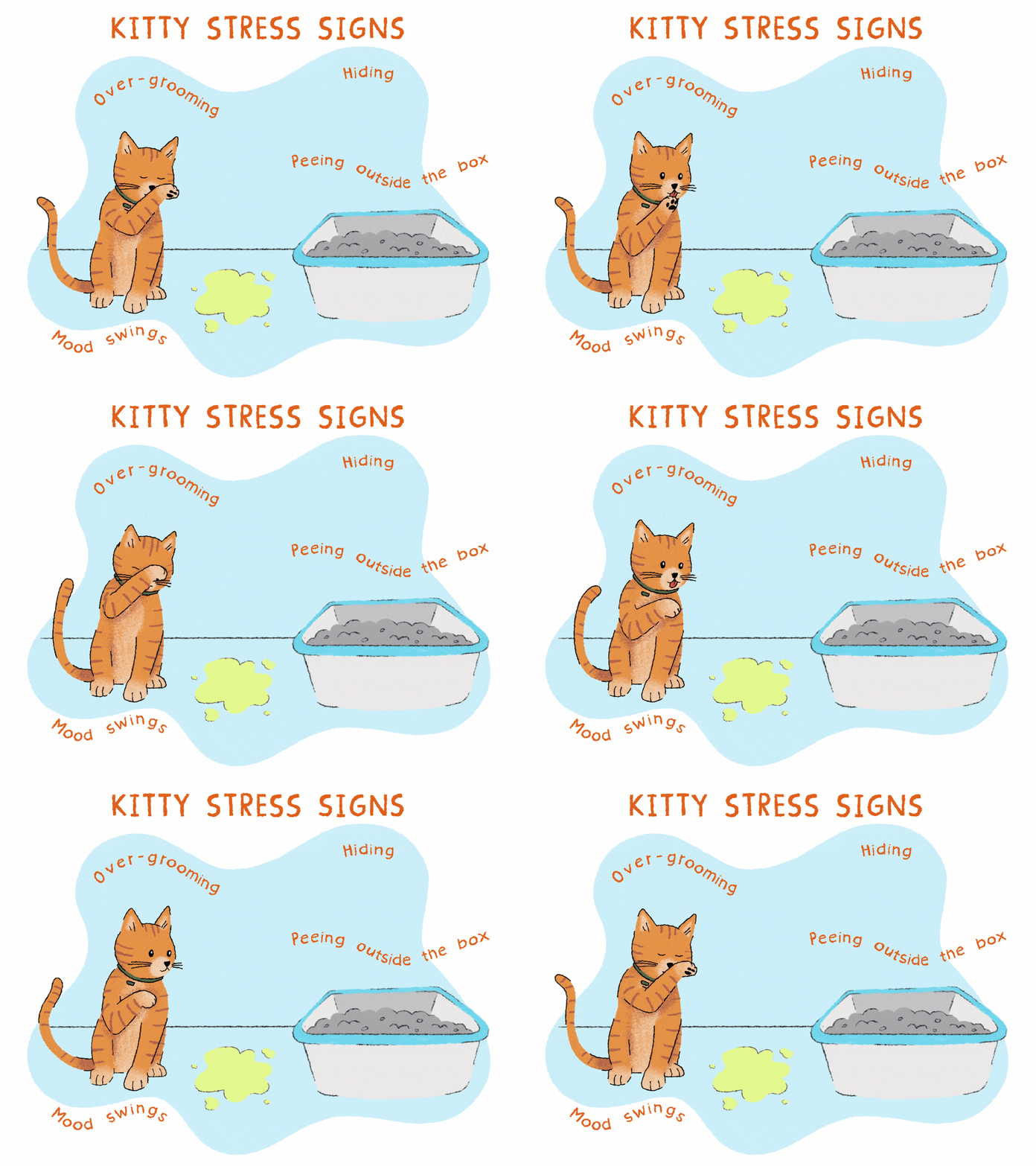
Anxiety in cats often manifests through noticeable behavioral changes. You might observe excessive grooming, which can lead to bald patches. Increased vocalization, like loud meowing or yowling, is another common symptom. Cats might also display aggression or become unusually withdrawn. Some might resort to urinating outside the litter box or show destructive behaviors like scratching furniture. Consider these symptoms as signals rather than problems in themselves.Causes Of Anxiety
Several factors can trigger anxiety in cats. Changes in environment, such as moving to a new home or introducing a new pet, can unsettle them. Loud noises, like thunderstorms or fireworks, can also be distressing. Past trauma can play a significant role. If your cat was rescued, previous negative experiences might linger and affect their behavior. Even seemingly minor changes, like rearranging furniture, can be anxiety-inducing. Have you ever noticed your cat acting strange after a trip to the vet? The unfamiliar smells and sounds can be overwhelming for them. Understanding these causes can help you provide comfort and reassurance. To effectively support your cat, think about what might be causing their anxiety. Could it be a sudden change or something they’ve experienced before? Addressing the root cause might be the key to helping them feel at ease.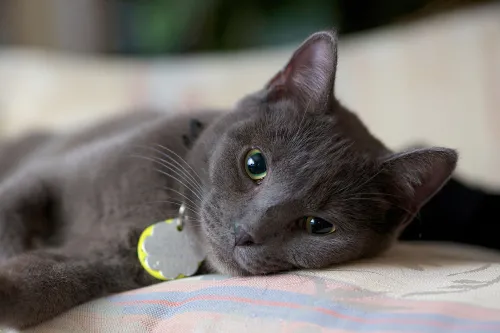
Credit: www.humaneworld.org
Natural Calming Solutions
Cats can experience anxiety just like humans. It can manifest through excessive meowing, hiding, or aggression. Natural calming solutions offer a gentle way to help your cat relax. These remedies focus on herbs and essential oils known for their soothing properties.
Herbal Remedies
Herbs can be effective in calming anxious cats. Catnip, often known for exciting cats, can also have a calming effect. Valerian root is another option. It can reduce stress and promote relaxation. Chamomile is gentle and helps soothe anxious felines. Add these herbs to your cat’s environment or use them in toys. Always ensure the herbs are safe and in small amounts.
Essential Oils
Essential oils can create a calming atmosphere. Lavender oil is popular for its relaxing scent. It can help reduce stress in cats. Frankincense oil also offers soothing benefits. Use essential oils with caution. Diffuse them in the air but never apply directly on your cat. Ensure the space is well-ventilated to keep your cat safe.
Dietary Supplements
Dietary supplements can support a cat’s mental well-being. They provide essential nutrients and calming agents. These supplements aim to ease anxiety in cats. Choosing the right product can make a difference. Not all supplements work the same. Each cat may respond differently. Understanding the options is important for cat owners.
Nutritional Support
A balanced diet plays a crucial role in a cat’s health. Nutritional support can reduce anxiety symptoms. Key nutrients, like Omega-3 fatty acids, help brain function. These acids can improve mood and reduce stress. Vitamins and minerals also contribute to mental stability. They ensure a cat’s body functions optimally. Proper nutrition supports a calm demeanor.
Popular Supplements
Several supplements help calm anxious cats. L-theanine is a natural amino acid. It promotes relaxation and reduces stress. Cats often respond well to it. Another option is tryptophan. This amino acid boosts serotonin levels. Serotonin helps manage mood and anxiety. Chamomile is also popular. It has calming properties and is safe for cats. Valerian root is another effective choice. It soothes nerves and promotes relaxation. Always consult a vet before starting any supplement.
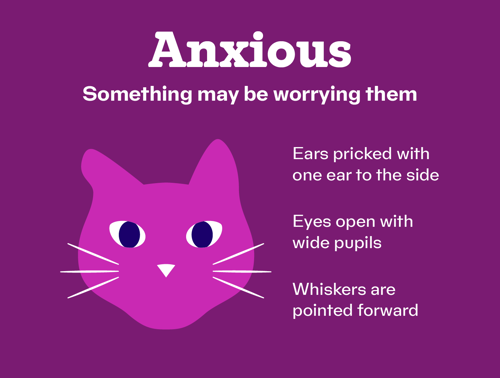
Credit: www.cats.org.uk
Behavioral Approaches
To ease a cat’s anxiety, consider behavioral approaches like interactive play and soothing environments. Calming pheromone diffusers can help create a peaceful atmosphere. Consistent routines and gentle handling also reassure anxious cats.
Dealing with a cat’s anxiety can be challenging, but behavioral approaches offer practical solutions that can make a significant difference. By focusing on enhancing your cat’s environment and adopting behavioral modification techniques, you can help your feline friend feel more at ease. These strategies are not only effective but also deepen the bond between you and your pet, paving the way for a happier household.Environmental Enrichment
Creating an engaging environment for your cat can be a game-changer. Cats thrive on curiosity and stimulation, so introducing new toys or interactive activities can reduce anxiety. Try incorporating puzzle feeders that challenge your cat while providing food rewards. This stimulates their natural hunting instincts and keeps them mentally occupied. Consider setting up a cozy nook with soft blankets and a perch by the window. This allows your cat to observe the outside world safely, offering visual stimulation without overwhelming them. Do you have a multi-cat household? Ensure each cat has its own space to retreat to. This prevents territorial stress and gives them a personal sanctuary.Behavioral Modification Techniques
Behavioral modification techniques are effective in addressing anxiety by gradually changing how your cat responds to stressors. Start with positive reinforcement. Reward your cat for calm behavior with treats or affection. This encourages them to associate calmness with positive outcomes. Introduce new experiences slowly. If your cat is anxious around strangers, invite guests to sit quietly in the same room without approaching your cat. This helps your cat adjust to new faces without feeling threatened. Training sessions can also be beneficial. Simple commands like “sit” or “stay,” when taught with patience and rewards, can boost your cat’s confidence and reduce anxiety. Have you considered the impact of your own behavior on your cat’s anxiety levels? Reflect on how your stress might be influencing your cat, and explore ways to create a calm environment for both of you. These behavioral approaches are not just about managing anxiety; they’re about enriching your cat’s life and creating a harmonious living space. What steps will you take today to help your cat feel more secure?Prescription Medications
Cats may experience anxiety due to various factors like changes in their environment. Prescription medications such as fluoxetine or buspirone can help manage their anxiety. Always consult a veterinarian for the best treatment plan.
Cats, much like humans, can experience anxiety. When your furry friend seems to be struggling with stress, you might wonder if prescription medications could help. It’s crucial to understand when these medications are appropriate and what types are available to ensure your cat’s well-being.When To Consider Medication
Deciding to give your cat medication is a big step. You should consider this option if your cat’s anxiety is affecting their daily life. Has your cat stopped eating or become aggressive? Consult your veterinarian. They can evaluate your cat’s health and suggest whether medication is necessary. Remember, medication might not be the first line of defense. Sometimes behavioral changes or environmental adjustments can do the trick. But if these don’t work, medication might be the next step.Types Of Medications
There are various medications that veterinarians can prescribe for feline anxiety. Selective Serotonin Reuptake Inhibitors (SSRIs) and Tricyclic Antidepressants (TCAs) are common options. They work by altering the chemicals in your cat’s brain to improve mood and reduce anxiety. Another option is benzodiazepines. These can be effective for short-term anxiety relief. Imagine your cat trembling during thunderstorms or fireworks. Benzodiazepines can help calm them during these episodes. Your vet might also suggest buspirone, a medication that can increase your cat’s confidence. This can be particularly helpful if your cat is shy or fearful of new situations. You might be wondering how long your cat will need medication. This varies. Some cats might require it only during stressful periods, while others may need it for longer durations. Discuss with your vet to find the best plan for your cat. It’s essential to monitor your cat’s behavior once they start medication. Are they more relaxed or still showing signs of distress? Adjustments might be necessary. You know your cat best. Trust your instincts and work closely with your vet to ensure your cat’s anxiety is managed effectively. Have you ever thought about what goes through your cat’s mind? Their anxiety might be a sign of deeper issues that need addressing. Prescription medications can be a valuable tool, but they’re just one part of a holistic approach to your cat’s mental health.Creating A Safe Space
Creating a safe space for your cat can ease anxiety. Cats need a comforting place to retreat. This environment should be calm and inviting. A peaceful area helps them feel secure and relaxed.
Comforting Environment
A comforting environment is key to reducing a cat’s stress. Soft blankets and pillows provide warmth. These items create a cozy atmosphere. Consider playing soothing music at a low volume. This can calm their nerves. Avoid loud noises or sudden movements. These can startle your cat. A quiet room with dim lighting is ideal. This setting offers a sense of security.
Safe Zones
Safe zones are special areas for your cat. They offer a private retreat. Use a favorite cat bed or a box with soft bedding. Cats love small, enclosed spaces. These spots make them feel safe. Place the safe zone away from busy areas. Ensure it’s in a quiet corner. Some cats prefer elevated spaces. A high perch can be a perfect choice. These zones reduce their anxiety significantly.
Professional Help
Cats can experience anxiety, just like humans. Calming products such as pheromone diffusers or herbal supplements may help. Consult a vet for guidance on safe and effective treatments for your pet’s anxiety.
When your beloved feline friend shows signs of anxiety, it can be quite distressing for both of you. Cats, like humans, can experience stress that affects their behavior and well-being. While some mild anxiety can be managed with environmental changes or calming products, there are times when professional help is essential. Seeking guidance from experts can provide you with tailored strategies to ease your cat’s anxiety effectively.Consulting A Veterinarian
A veterinarian is your first port of call for any health-related concerns, including anxiety. They can rule out any medical issues that might be causing or contributing to your cat’s stress. It’s surprising how often underlying health problems manifest as anxiety. Veterinarians can also recommend specific medications or supplements that can help manage your cat’s anxiety. Have you ever thought about how a simple visit to the vet could change your cat’s life for the better? They might suggest a prescription for anti-anxiety medication or natural supplements like L-theanine. Always ensure you discuss the potential side effects and benefits before starting any new treatment.Working With An Animal Behaviorist
If your cat’s anxiety is more behavioral, an animal behaviorist might be the key. These professionals specialize in understanding and modifying animal behavior. They can provide insights into why your cat is anxious and what triggers it. Animal behaviorists often use techniques like desensitization or counter-conditioning. These methods help your cat feel more comfortable in anxiety-inducing situations. Have you considered how changing your cat’s perception of stressors could lead to a calmer, happier pet? Working closely with a behaviorist can create a customized plan tailored to your cat’s specific needs. This approach can be particularly beneficial if you’ve tried other methods without success. In your quest to help your cat, remember that professional help isn’t just about addressing symptoms. It’s about finding long-term solutions that improve your cat’s quality of life. Would you not want to explore every avenue to see your furry friend thrive?
Credit: www.banfield.com
Frequently Asked Questions
How Do I Calm Down My Cat With Anxiety?
Create a peaceful environment using soothing sounds and scents. Engage your cat with interactive toys. Ensure a consistent routine with feeding and playtime. Offer a cozy space where your cat feels safe. Consider calming products like pheromone diffusers or collars.
Consult a vet if anxiety persists.
What Are Signs Of Cat Anxiety?
Signs of cat anxiety include excessive grooming, hiding, aggression, loss of appetite, and increased vocalization. Watch for urination outside the litter box, restlessness, and changes in sleep patterns. Recognizing these symptoms can help address your cat’s anxiety effectively.
Is Benadryl Good For Cats With Anxiety?
Benadryl is not recommended for treating anxiety in cats. Consult a veterinarian for appropriate anxiety treatments. Always prioritize professional guidance for your pet’s health.
What Is The Most Effective Calming Aid For Cats?
The most effective calming aid for cats is a pheromone diffuser. It mimics natural cat pheromones, reducing stress. Other options include calming treats, sprays, or supplements. Always consult your vet before introducing new products.
Conclusion
Helping your cat with anxiety takes patience and care. Natural remedies can offer relief. Try pheromone diffusers or calming sprays. Herbal supplements might help too. Always consult your vet before trying new treatments. A peaceful environment is key. Provide a cozy space for your cat.
Regular playtime also reduces stress. Stay consistent with your approach. Watch for changes in behavior. Every cat is unique and needs personalized care. Your love and attention make a difference. With time, your cat can feel more at ease. Keep supporting their well-being every day.

Similar Posts