How to Help a Cat With Anxiety: Expert Tips
Is your feline friend showing signs of stress or restlessness? You’re not alone.
Many cat owners struggle with understanding and managing their pet’s anxiety. This can be a puzzling and sometimes heart-wrenching experience. But don’t worry—there are ways to help your anxious cat feel calm and secure. In this guide, you’ll discover simple yet effective strategies to ease your cat’s anxiety.
Imagine transforming your home into a serene haven where your cat feels safe and happy. Stay with us, and you’ll learn how to make this a reality, improving not only your cat’s life but yours too. Don’t let stress steal your cat’s joy; find out how you can make a difference today.
Identifying Signs Of Anxiety In Cats
Understanding your cat’s behavior can be challenging. Cats often hide their feelings. Anxiety in cats is common. It can affect their well-being. Identifying the signs early can help. This guide will help you spot anxiety symptoms.
Behavioral Changes
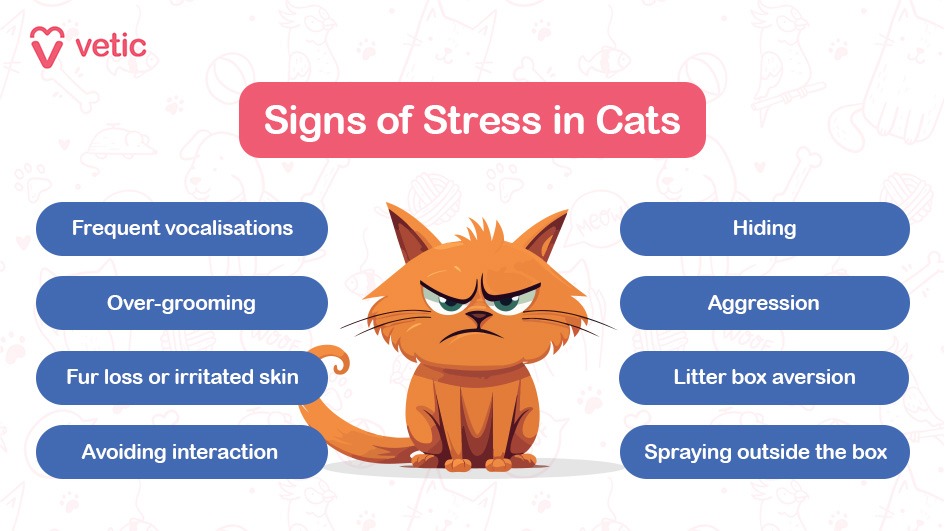
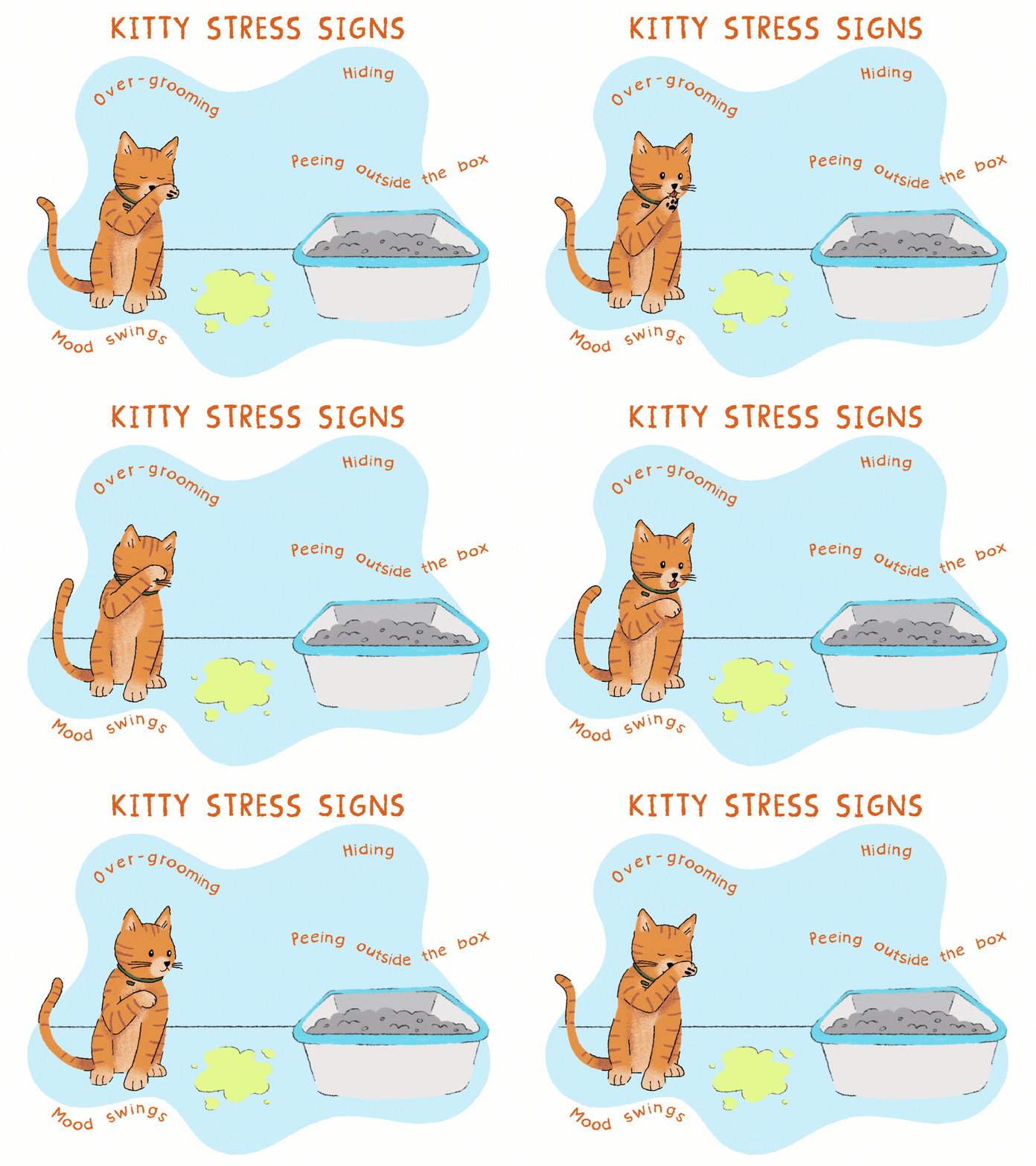
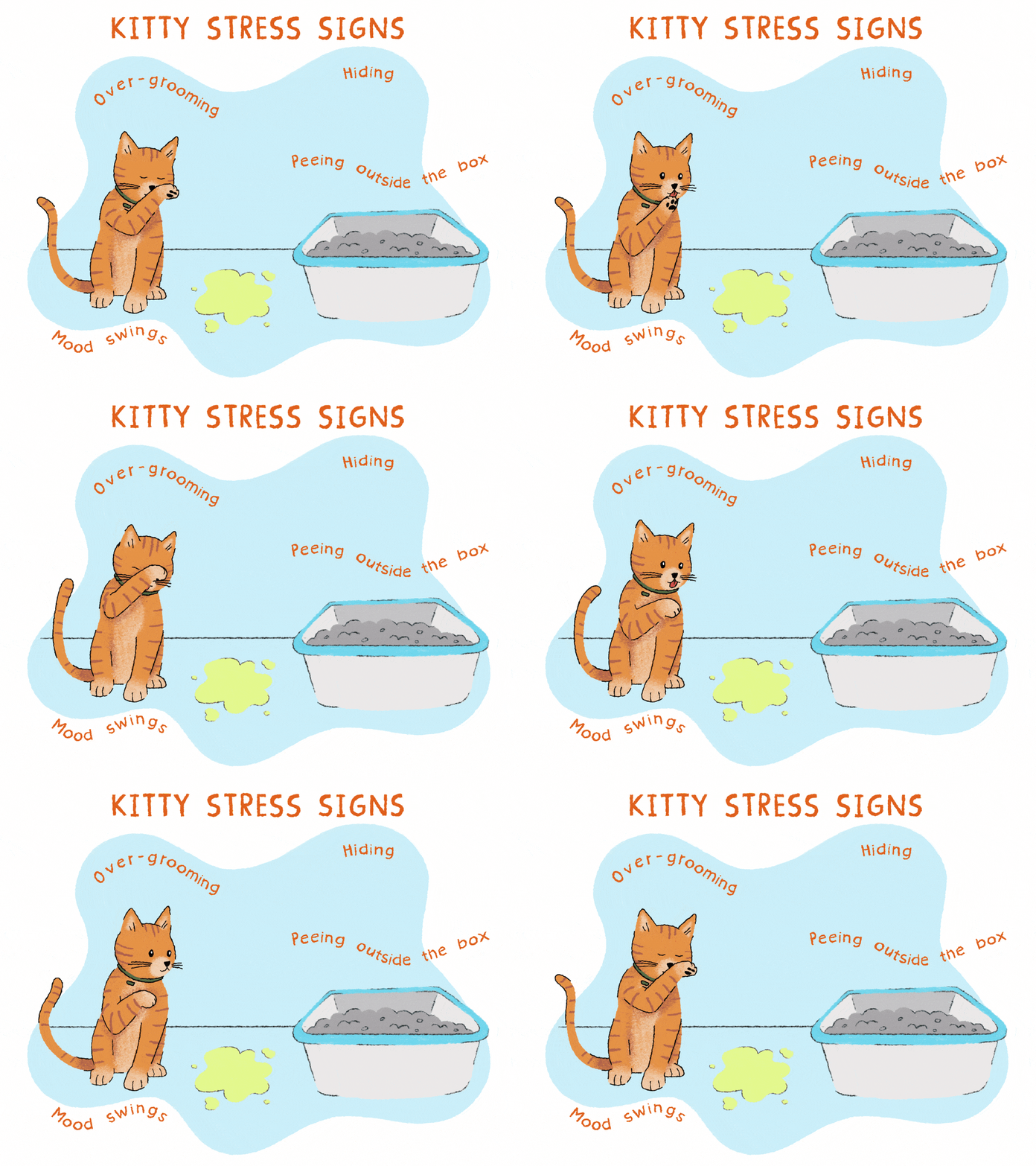
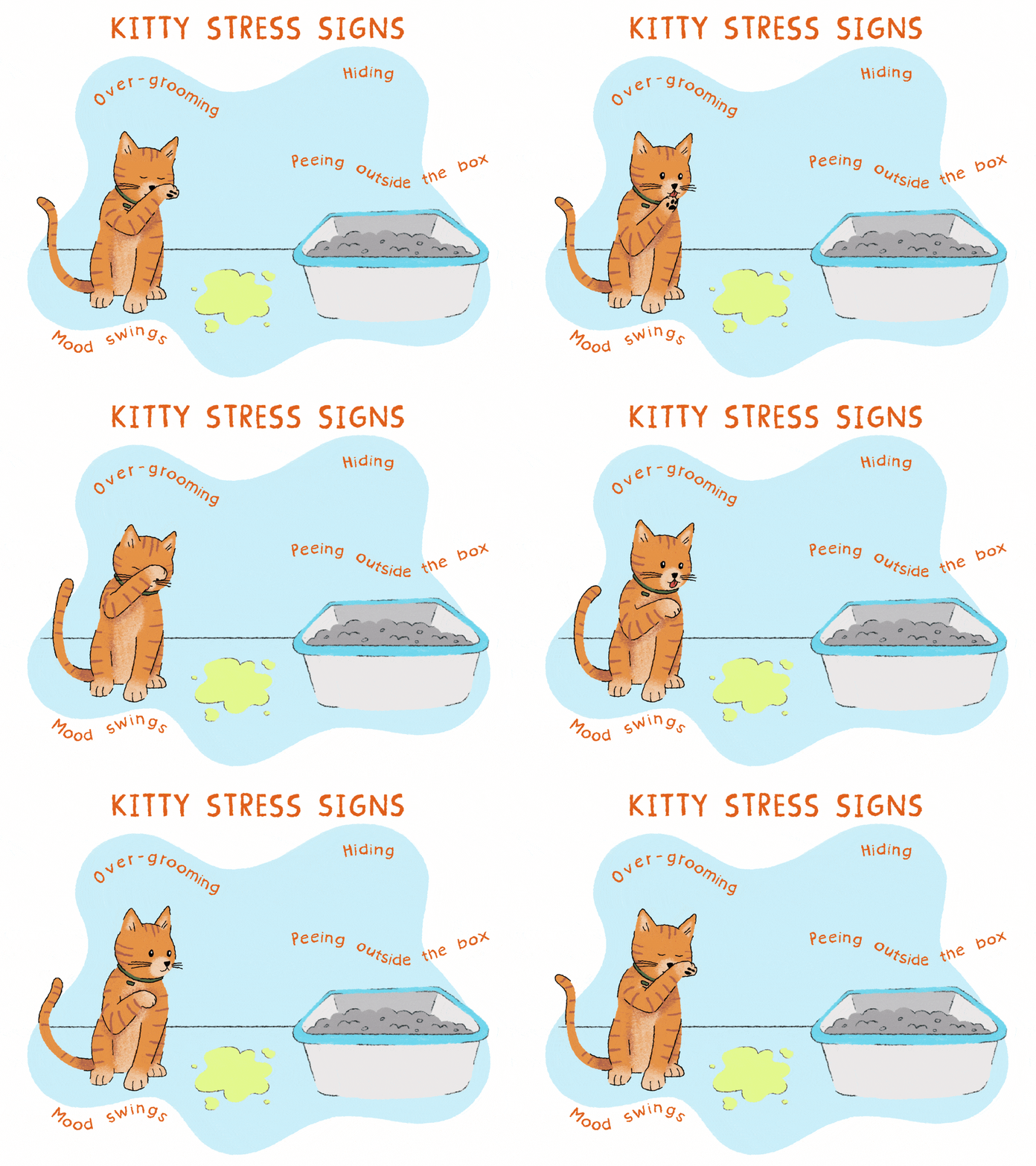
Cats may show unusual behaviors. They might hide more often. Your cat may avoid interaction. Increased aggression can be a sign. Excessive grooming is another indicator. They might also become clingy. Watch for sudden litter box changes.
Physical Symptoms
Physical signs are also important. A cat with anxiety might lose weight. You may notice changes in appetite. Some cats may vomit frequently. Diarrhea can occur too. Watch for excessive shedding. Your cat might seem lethargic.
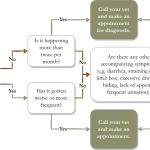
Credit: www.zoetispetcare.com
Causes Of Cat Anxiety
Loud noises and changes in routine can trigger anxiety in cats. Introducing new pets or family members may also cause stress. Offering a safe space and consistent routines helps ease their anxiety.
Understanding the causes of cat anxiety can be key to helping your feline friend lead a happier, more relaxed life. Just like humans, cats can experience anxiety due to a variety of factors. It’s essential to identify the root cause to provide effective support and solutions. Let’s dive into some common causes of cat anxiety that you might overlook.Environmental Factors
Cats are creatures of habit, and changes in their environment can lead to anxiety. Have you recently moved furniture or changed your cat’s feeding spot? These seemingly minor shifts can be unsettling for them. Loud noises, such as thunderstorms or construction, can also trigger anxiety. The environment your cat once found safe can suddenly feel threatening.Health Issues
Health problems can be a hidden cause of anxiety in cats. Painful conditions like arthritis or dental problems can make your cat uncomfortable and anxious. Additionally, certain illnesses can affect their mood and behavior. If your cat’s anxiety seems unexplained, a trip to the vet might reveal an underlying health issue.Social Stressors
Cats are sensitive to the social dynamics in their home. A new pet or a baby can disrupt their sense of security. Even a change in your schedule can be a stressor. If your cat used to enjoy quiet mornings with you and now faces an empty house, anxiety can creep in. How can you make your cat feel more secure in these situations? Does any of this sound familiar? Understanding these causes can empower you to make changes that help ease your cat’s anxiety. Whether it’s tweaking their environment, addressing health concerns, or managing social stressors, small actions can make a big difference. What steps will you take today to help your cat feel more at ease?Creating A Safe Space
Cats feel safe in quiet, cozy corners. Soft blankets, dim lights, and gentle music can calm their nerves. Regular playtimes also help reduce anxiety.
Creating a safe space for your anxious cat can significantly improve their well-being. Cats, like humans, need areas where they feel secure and relaxed. Providing a comfortable environment and quiet zones can help reduce anxiety and create a sense of peace. This guide offers practical tips to make your home a sanctuary for your feline friend.Comfortable Environment
A cozy area can help your cat feel at ease. Soft bedding in a quiet corner works wonders. Choose materials your cat likes. Consider a plush blanket or a soft cushion. Cats enjoy warmth and softness. A window perch can offer relaxation. They love watching the outside world. Ensure it’s stable and secure. Your cat will appreciate a safe view.Quiet Zones
Cats need quiet spaces to retreat. Create zones away from noise. Loud sounds can increase anxiety. Avoid areas with frequent disturbances. Use calming colors and soft lighting. These elements soothe the senses. A quiet room or nook is ideal. It provides solitude and peace. Let your cat explore these spaces freely. Privacy is important to them.
Credit: restorapet.com
Interactive Play And Exercise
Helping a cat with anxiety can often be as simple as engaging them in interactive play and exercise. These activities not only keep your cat physically fit but also mentally stimulated. When a cat is focused on play, it can forget about anxiety triggers, making it a great way to ease their stress.
Toys And Games
Choosing the right toys can make a big difference in your cat’s mood. Opt for toys that mimic prey, like feather wands or small balls, to engage their hunting instincts. You might find that your anxious cat prefers certain toys over others.
Experiment with different textures and sounds to see what excites your cat the most. My cat, Luna, loves her crinkly toy mouse—it keeps her entertained for hours. What kind of toy does your cat gravitate towards?
Interactive games can also be a great way to bond with your cat. Laser pointers can be thrilling for cats, encouraging them to chase and pounce, while also providing much-needed exercise. Just be sure to end the game with a tangible toy, so they feel successful in their hunt.
Scheduled Playtime
Consistency is key when alleviating anxiety. Try setting aside dedicated playtime each day. Cats thrive on routine, and knowing they have a regular play session can be comforting.
Consider scheduling playtime around the same time every day. This approach not only establishes a routine but also helps you carve out quality time with your feline friend. Your cat will soon anticipate playtime, looking forward to it as a positive part of their day.
Have you noticed any particular time of day when your cat seems more anxious? Tailoring your playtime schedule around these moments can provide relief and distraction.
Involve the whole family in play sessions if possible. Multiple people can offer diverse play styles and more interaction, creating a fun and loving environment for your cat.
Interactive play and exercise can transform your cat’s world, reducing anxiety and strengthening your bond. What changes have you noticed in your cat after regular play sessions?
Dietary Adjustments
Cats, like humans, can experience anxiety that affects their well-being. Dietary adjustments can play a crucial role in managing this condition. Understanding what nutritional changes to make can help reduce stress levels in your feline friend. Implementing the right diet can offer comfort and support for your anxious cat.
Nutritional Needs
A cat’s diet must meet its specific nutritional needs to ensure good health. High-quality protein provides essential amino acids that support brain function. Omega-3 fatty acids found in fish oil can help reduce inflammation and support mental health. Adequate vitamins and minerals are essential for your cat’s nervous system.
Consider foods rich in antioxidants. These can boost immune health and reduce stress levels. Fiber is also important. It aids in digestion and can contribute to a calmer gut. Avoid foods with artificial additives. These can increase anxiety and cause behavioral issues.
Calming Supplements
Calming supplements can be a beneficial addition to your cat’s diet. L-theanine is a natural amino acid. It promotes relaxation without sedation. Valerian root can help soothe nervous cats. It has mild sedative properties.
Chamomile is another herb that can relax your cat. It has calming effects and is gentle on the stomach. Consider supplements with B-vitamins. They are vital for brain function and mood regulation. Always consult your vet before introducing new supplements. Each cat’s needs are unique and require professional advice.
Behavioral Therapy Techniques
Calming a cat’s anxiety involves gentle behavioral therapy techniques. Provide safe spaces and soothing environments. Play soft music and use interactive toys to distract and engage. Gradually introduce new situations to build confidence.
Anxiety in cats can be distressing for both you and your feline friend. Understanding behavioral therapy techniques can be a game-changer in helping your cat feel more secure and relaxed. These strategies not only soothe your cat’s nerves but also strengthen the bond between you. Let’s dive into two effective techniques: desensitization and positive reinforcement.Desensitization
Desensitization involves gradually exposing your cat to the source of their anxiety in a controlled way. Start with a situation your cat finds slightly unsettling but still manageable. For example, if your cat is scared of the vacuum cleaner, place it in the room without turning it on. Let your cat explore at their own pace. Over time, increase the exposure. Begin by turning the vacuum on for short periods while offering comfort and treats. The goal is to help your cat associate the previously scary object with positive experiences. Remember to move at your cat’s speed, ensuring they are comfortable before increasing the challenge.Positive Reinforcement
Positive reinforcement is all about rewarding good behavior to encourage more of it. When your cat handles a stressful situation well, shower them with praise, cuddles, or treats. This teaches them that facing their fears leads to positive outcomes. Use your cat’s favorite treats or toys to motivate them. If your cat sits calmly during a thunderstorm, give them a treat immediately. This will make them more likely to stay calm in future storms. Consistency is key. The more you reward, the more your cat will learn that calm behavior is beneficial. Have you ever noticed how your own mood can influence your cat’s behavior? Staying calm and patient can greatly impact your cat’s anxiety levels. Your feline friend looks to you for cues on how to react to the world around them. By implementing these techniques, you can help create a more peaceful environment for both of you.Professional Help Options
Sometimes, cats may experience anxiety that requires professional assistance. Seeking expert help can make a big difference in improving your cat’s well-being. Let’s explore some professional options available for helping your anxious cat.
Veterinary Consultation
Veterinarians can identify underlying health issues causing anxiety. They can perform a thorough examination to rule out medical problems. Vets can also suggest medications that help calm your cat. Sometimes, they recommend supplements that naturally reduce stress. Regular check-ups ensure your cat’s ongoing health.
Animal Behaviorists
Animal behaviorists specialize in understanding pet behaviors. They offer insights into why your cat feels anxious. These experts create tailored plans to address specific anxiety triggers. Behaviorists teach techniques to help your cat feel more secure. Their strategies can improve your cat’s quality of life. Consulting an animal behaviorist can be a beneficial step.
Use Of Calming Products
Cats, like humans, can experience anxiety, which can manifest in different ways such as excessive grooming, hiding, or aggression. If your cat seems anxious, there are various calming products you can try to help ease their stress. These products can provide comfort and create a more peaceful environment for your furry friend. Let’s delve into some effective options such as pheromone diffusers and anxiety wraps.
Pheromone Diffusers
Pheromone diffusers emit synthetic versions of natural calming pheromones that cats produce. These are designed to help your cat feel more secure and relaxed. Imagine plugging in a device that gently releases calming signals into the air. It’s like creating a soothing atmosphere without any fuss.
Many cat owners find that these diffusers are a game-changer. For example, if you have a multi-cat household, a pheromone diffuser can reduce tension and territorial behavior. You might notice your cats are less likely to squabble over their favorite napping spots.
Installation is straightforward—just plug it into an outlet and let it work its magic. However, ensure the diffuser is placed in a room where your cat spends a lot of time. This way, they get the full benefits of the calming pheromones.
Anxiety Wraps
Anxiety wraps, often known as calming vests, apply gentle pressure to your cat’s body. This pressure can mimic the feeling of being hugged, providing a sense of safety. It’s like swaddling a baby to keep them calm and secure.
These wraps can be particularly useful during stressful situations like thunderstorms or fireworks. You might find your cat responds positively to the snug fit, becoming more peaceful even during chaos.
When using anxiety wraps, ensure they fit properly—not too tight or too loose. It’s crucial that your cat can move comfortably while still feeling the calming effects. Would you consider trying one during your next vet visit to help your cat stay calm?
Incorporating calming products into your cat’s routine can make a significant difference in their stress levels. Have you tried any of these methods with your cat? Observing their behavior might reveal a simple solution to their anxiety. By helping your cat feel more at ease, you’re fostering a happier and healthier pet.
Maintaining Routine And Stability
Establishing a consistent routine can soothe a cat’s anxiety. Regular feeding, playtimes, and quiet resting periods offer stability. Familiar surroundings and predictable schedules help create a sense of security and comfort for anxious cats.
Maintaining routine and stability is crucial for cats with anxiety. A predictable environment helps them feel secure and relaxed. This guide will explore how consistent schedules and a stable setting can ease a cat’s anxious behavior. Understanding these elements can transform your home into a soothing sanctuary for your feline friend.Consistent Schedules
Cats thrive on routine. Regular feeding times create a sense of security. Schedule playtime at the same hour each day. Predictable activities help reduce stress levels. Consistency in care builds trust with your cat. Follow a daily grooming schedule. This routine reassures your cat that all is well.Predictable Environment
A stable environment calms an anxious cat. Keep furniture arrangements unchanged. Familiar surroundings reduce anxiety. Create a quiet space for your cat. This area should be free of loud noises. Place favorite toys in this safe zone. A predictable setting encourages relaxation. Limit sudden changes in household activities. Stability fosters a peaceful atmosphere.
Credit: www.banfield.com
Frequently Asked Questions
How Do You Treat Anxiety In Cats?
Treat cat anxiety with calming products, environmental enrichment, and regular playtime. Consult a vet for medication options.
How To Tell If A Cat Has Anxiety?
Cats with anxiety may show excessive grooming, hiding, aggression, or changes in appetite and litter habits. Watch for signs of restlessness or vocalization. Seek veterinary advice for diagnosis and treatment options.
What Are Common Signs Of Cat Anxiety?
Common signs of cat anxiety include excessive grooming, hiding, and aggression. Changes in appetite or litter box habits may also occur. Your cat might become more vocal or appear restless. Identifying these signs early can help you address the issue effectively.
How Can I Calm My Anxious Cat?
Create a safe and quiet space for your cat. Use calming pheromone diffusers and engage in regular playtime. Maintaining a consistent routine can help reduce anxiety. Sometimes, consulting with a vet for additional support or medication is necessary.
Conclusion
Helping a cat with anxiety needs patience and love. Start small. Observe your cat’s behavior closely. Create a calm, safe environment. Use toys and activities to distract and comfort. Introduce any changes gradually. Consistency is key. Also, consult a vet for advice.
They might suggest professional help or medication. Remember, every cat is unique. What works for one might not work for another. Be patient and persistent. Your feline friend will appreciate your efforts. A happier, calmer cat will lead to a happier home.
Stay hopeful and keep trying different solutions. Your cat’s well-being is worth it.

Similar Posts