How Can You Tell If Your Cat is Stressed: Signs & Solutions
Have you ever noticed your cat acting a bit differently and wondered if something might be bothering them? Just like humans, cats can experience stress, and it’s important to recognize the signs so you can help them feel better.
Understanding your cat’s behavior is key to ensuring their happiness and health. You might think your feline friend is simply being moody, but their behavior could be a cry for help. Imagine being able to decode the subtle signals your cat is sending you, ensuring a more peaceful and joyful life for both of you.
You’ll discover the telltale signs of stress in cats and learn how to address them effectively. Keep reading to unlock the secrets of your cat’s behavior and become the hero they need.
Recognizing Stress In Cats
Cats are known for their independent and enigmatic nature. Yet, they can experience stress just like humans. Recognizing stress in cats is crucial for their well-being. Stress can lead to health issues and behavioral problems. By understanding the signs, you can help your feline friend feel more comfortable and secure.
Changes In Behavior
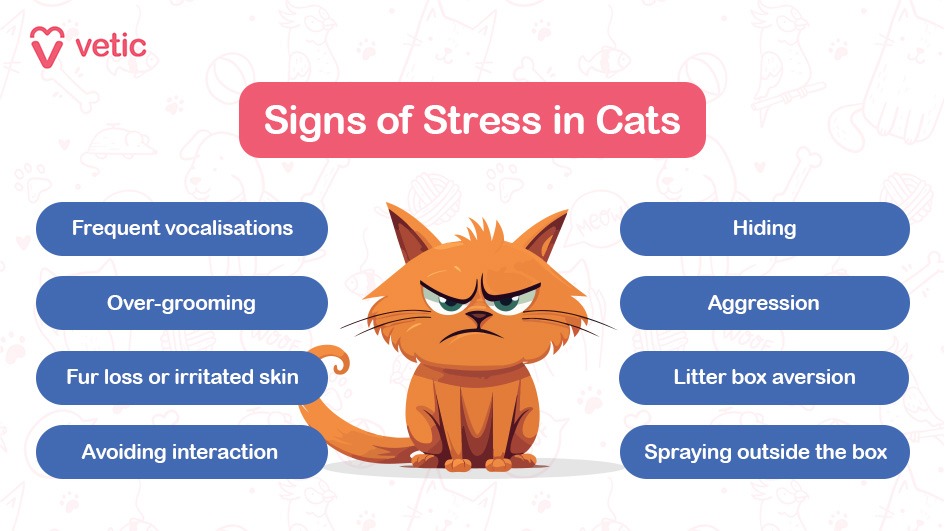
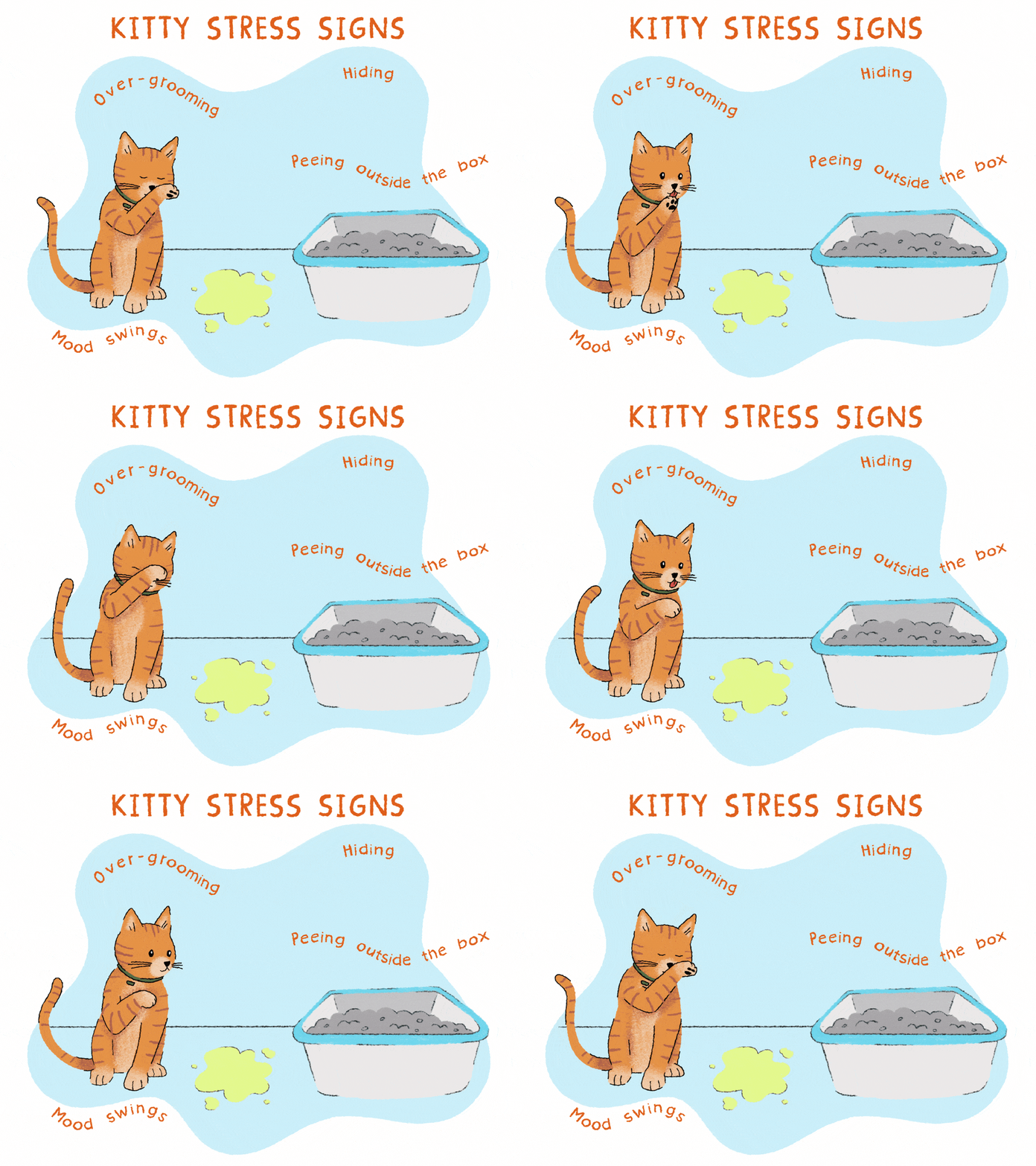
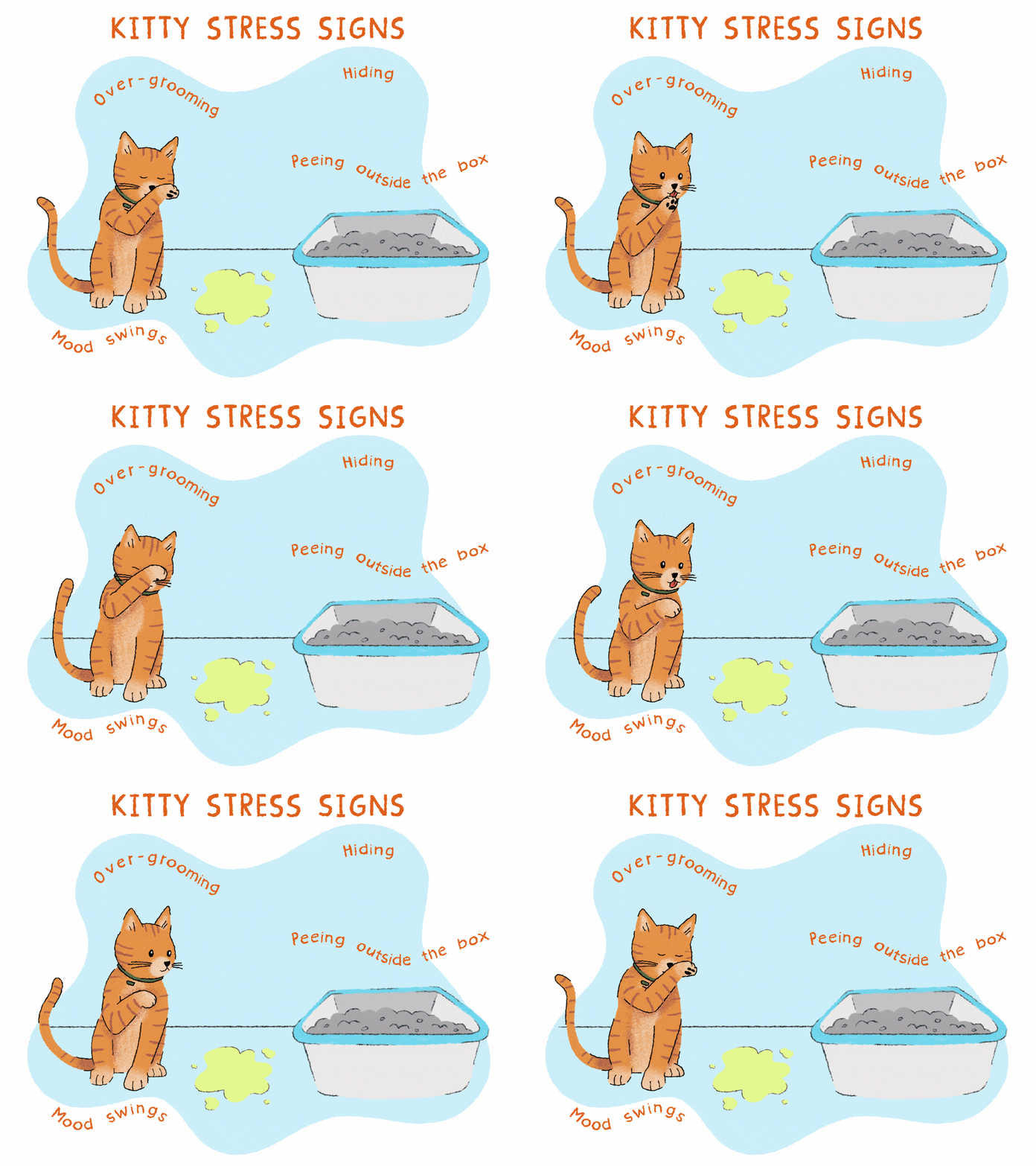
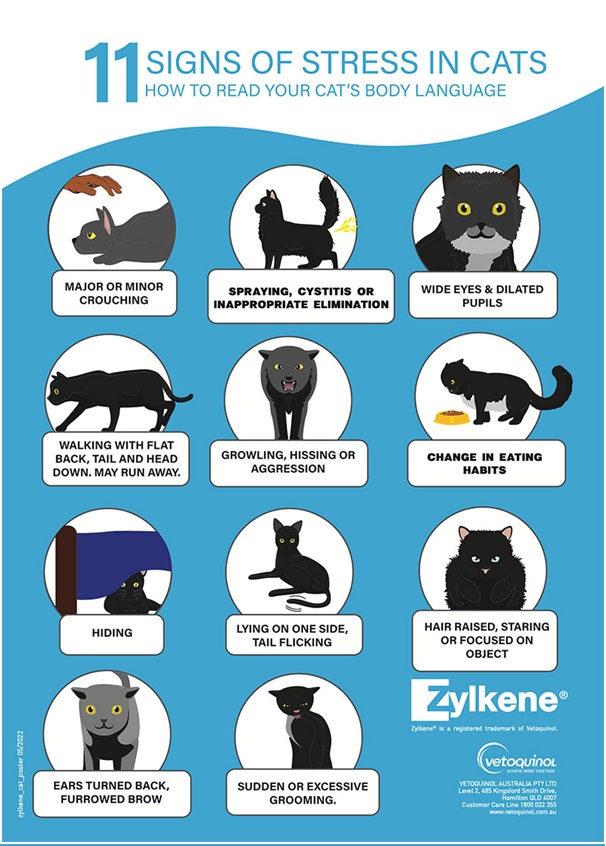
Behavioral changes often signal stress in cats. They might become more aggressive or withdrawn. A previously social cat might hide more often. Watch for signs like excessive grooming or scratching. These actions can indicate anxiety or discomfort.
Physical Symptoms
Physical symptoms can also suggest stress. Look for changes in posture or movement. Stressed cats may have tense muscles or twitching tails. Frequent vomiting or diarrhea can be another indicator. Pay attention to any sudden weight loss or gain.
Altered Eating Habits
Eating habits can reflect a cat’s stress level. Notice if your cat eats less or more than usual. A decrease in appetite might signal emotional distress. Conversely, some cats may overeat when anxious. Changes in water consumption can also be a sign.
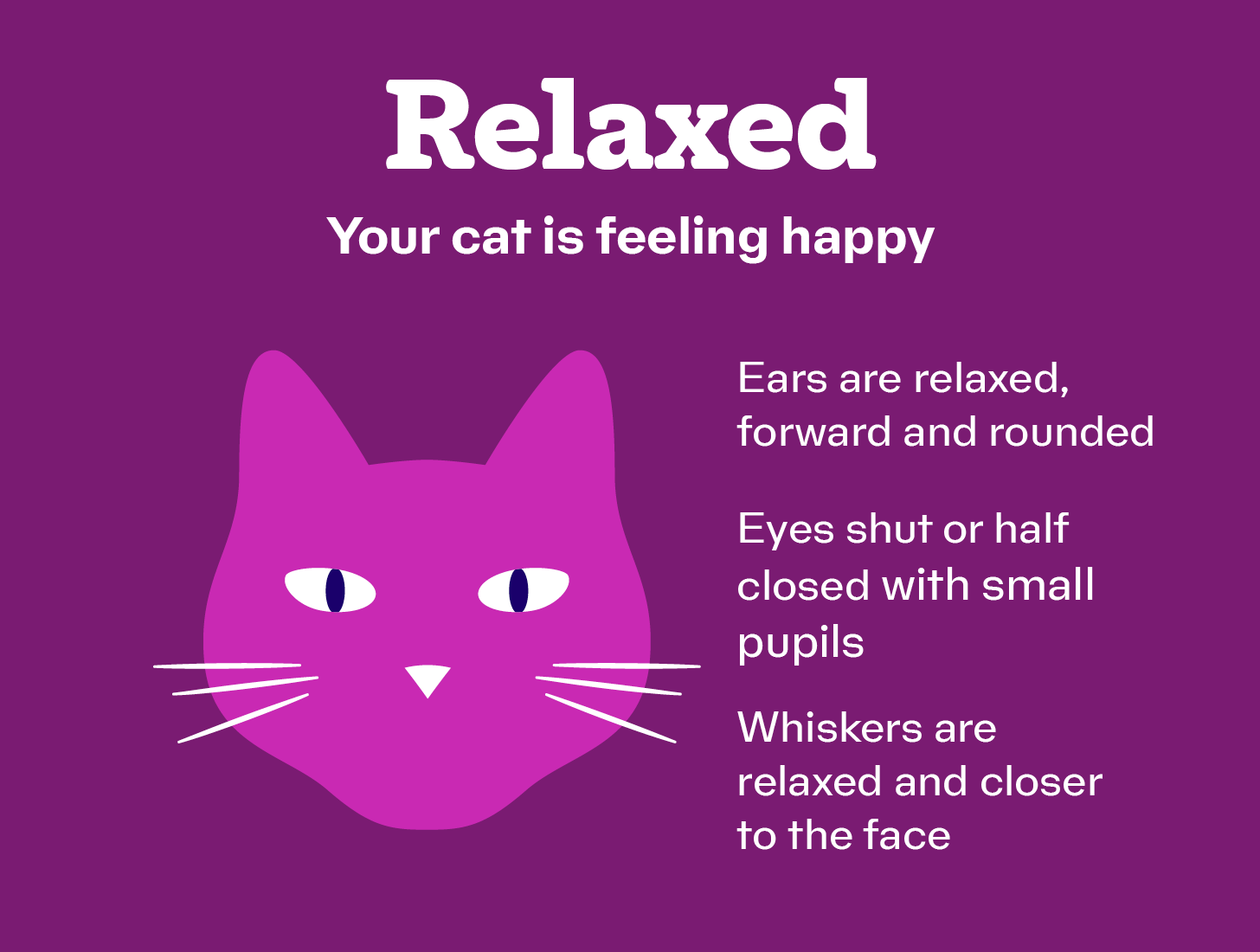
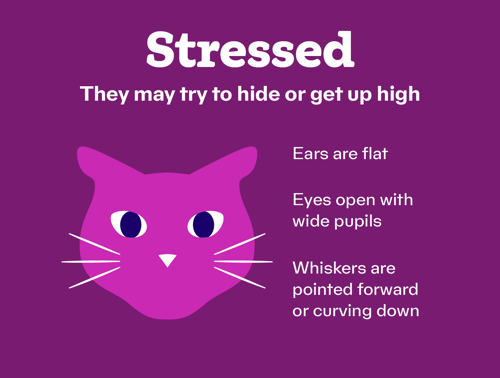
Credit: www.cats.org.uk
Common Causes Of Stress
Cats can show stress through changes in behavior, like hiding or aggression. Unusual eating habits may also indicate stress. Observe their interactions with people and other pets for signs of anxiety.
Understanding the common causes of stress in cats is crucial. Cats, much like humans, can experience stress due to various factors. Recognizing these triggers can help in managing their well-being. Here, we delve into some common causes of feline stress.Environmental Factors
Cats are sensitive to their surroundings. Changes can easily upset them. Loud noises, new furniture, or even a different smell can cause stress. A crowded home or too many pets can make a cat anxious. Cats need a quiet and stable environment to feel secure.Routine Disruptions
Cats thrive on routine. A sudden change in their schedule can be unsettling. Feeding times, play sessions, or sleeping arrangements must be consistent. Even small changes can make them uneasy. A stable routine gives cats a sense of control and safety.Health Issues
Health problems can be a major source of stress. Pain or discomfort often leads to anxiety. Regular vet visits are important for early detection. Weight loss, changes in appetite, or grooming habits are signs to watch. Addressing health issues promptly helps reduce stress.Behavioral Indicators
Recognizing stress in cats can be challenging. Cats express stress through behavior changes. Observing these changes helps ensure your cat’s well-being. Stress can manifest in various ways. Here are some common behavioral indicators.
Increased Aggression
A stressed cat may become aggressive. This behavior is often sudden. Your cat might hiss or bite without warning. Aggression can be directed at people or other pets. Monitor changes in interaction. Aggression can signal discomfort or anxiety.
Excessive Grooming
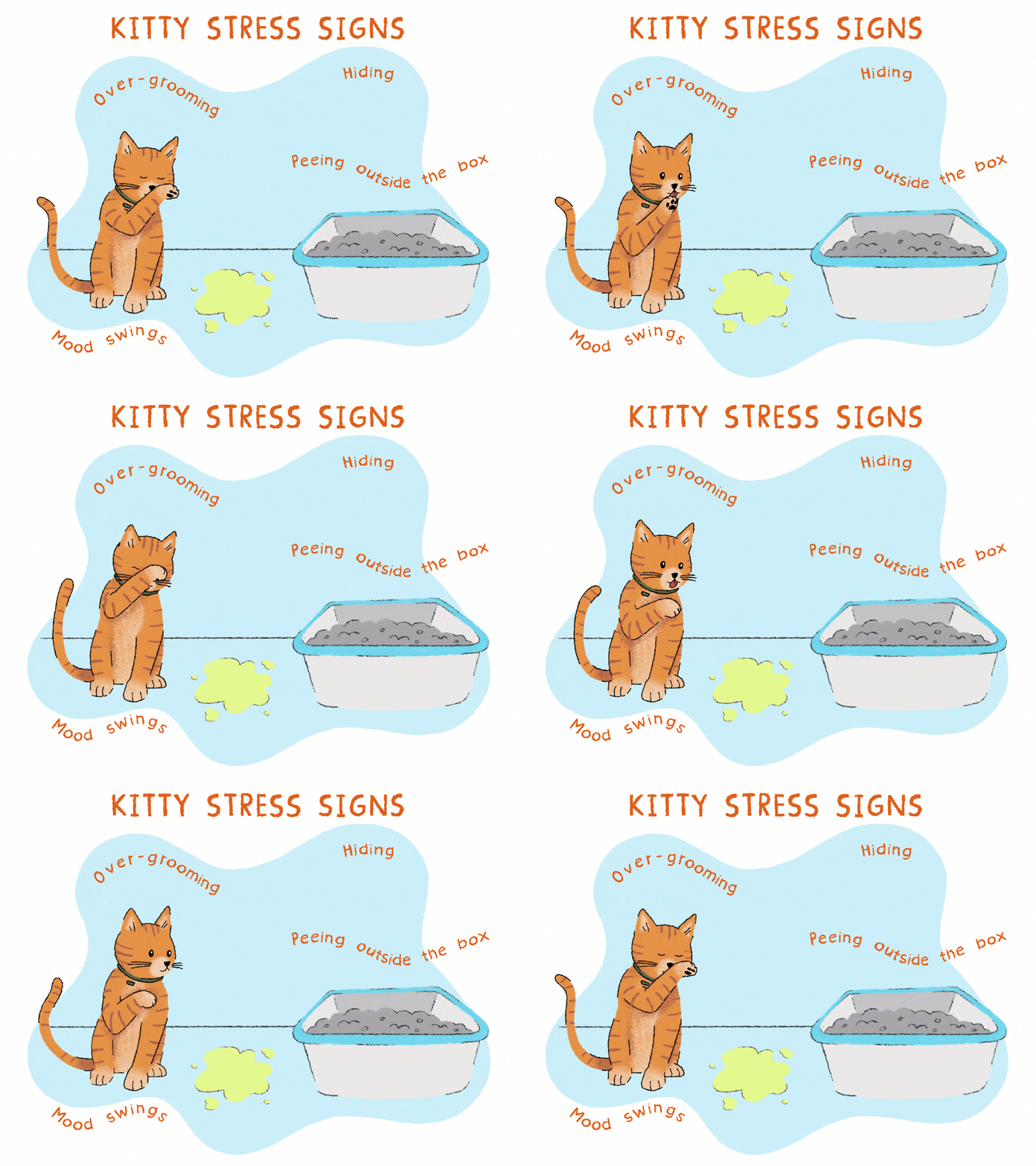
Grooming is normal for cats. Excessive grooming is not. A stressed cat may lick fur repeatedly. This can lead to bald patches or skin irritation. Watch for signs of over-grooming. It can indicate stress or medical issues.
Avoidance Or Hiding
Stressed cats often hide. They seek quiet, secluded spots. This behavior suggests fear or discomfort. Avoidance can be a protective response. Cats may avoid social interaction. Hiding indicates the need for safety and security.
Physical Signs Of Stress
Stress in cats can manifest in various physical ways. If you’re noticing changes in your feline friend’s behavior or appearance, it could be a sign they’re feeling anxious or uncomfortable. Understanding these physical signs can help you address your cat’s stress early and effectively.
Digestive Problems
Is your cat experiencing frequent vomiting or diarrhea? These digestive issues can be a clear indicator of stress. Pay attention to changes in appetite as well; a stressed cat might eat less or, conversely, overeat.
Once, my cat Whiskers suddenly refused her favorite food for days, only nibbling a little. After a vet visit, it turned out she was stressed due to a new pet in the neighborhood. It’s crucial to notice these subtle changes early.
Respiratory Changes
Have you noticed your cat breathing more rapidly or heavily? Stress can cause changes in their breathing pattern. If your cat seems to pant like a dog or breathe through an open mouth, they might be stressed.
Remember the time when Whiskers started panting after a loud thunderstorm? Her breathing returned to normal once the storm passed, but it was a clear sign of temporary stress.
Skin And Coat Conditions
Does your cat’s fur look dull or are they losing patches of hair? Stress often leads to excessive grooming, which can result in bald spots or skin irritation. You might also notice more dandruff or a sudden increase in shedding.
Whiskers had a bout of hair loss when I changed our home routine suddenly. I realized the stress was affecting her coat, and returning to her regular schedule helped soothe her anxiety.
Observing these physical signs can be crucial for your cat’s well-being. Have you noticed anything unusual in your cat lately? Taking the time to understand these indicators can make a world of difference in your cat’s life.
Assessing Stress Levels
Assessing stress levels in your cat can be a challenging yet crucial task for every pet owner. Cats often hide their stress, making it important for you to pay attention to subtle changes in their behavior. Understanding these changes can help you provide a more comfortable and stress-free environment for your feline friend.
Monitoring Daily Activities
Daily activities speak volumes about your cat’s mental state. Has your cat stopped playing with their favorite toy? Or maybe they’re less enthusiastic about meal times? Such shifts may indicate stress. Every cat has its own routine, and a sudden change can be a red flag. Keep a close eye on these activities. You might notice that your cat is spending more time hiding or grooming excessively. These could be signs of anxiety.
Observing Social Interactions
Social interactions can reveal a lot about your cat’s stress levels. Is your cat avoiding family members or other pets? Have they suddenly become aggressive or withdrawn? Cats are social creatures to varying degrees, and changes in how they interact might be stress-related. I once noticed my cat avoiding guests, which was unlike her usual welcoming nature. It turned out she was stressed due to a recent change in our household. Consider who your cat is interacting with and how these interactions have changed.
Tracking Sleep Patterns
Much like humans, cats show stress through their sleep. A stressed cat may sleep more or less than usual. Notice if your cat is sleeping in unusual places or during odd hours. If your cat is constantly awake at night, pacing or restless, it may be time to assess their environment for stressors. I found that my cat started sleeping in the closet after a noisy construction started nearby. Addressing such issues can help your cat regain their comfortable sleep routine. How is your cat sleeping these days?
Assessing your cat’s stress levels requires observation and understanding. Each cat is unique, and so are their signs of stress. By paying attention to their daily activities, social interactions, and sleep patterns, you can provide the care they need to thrive. Are you ready to tune into your cat’s signals?
Effective Solutions
Identifying stress in cats can be challenging. Effective solutions can ease their discomfort. Implementing these strategies creates a calm environment for your feline friend.
Creating A Safe Environment
A safe environment reduces stress for cats. Designate quiet spaces for them to relax. Use soft bedding and dim lighting. Avoid loud noises and disturbances. Offer hiding spots like boxes or cat tents. These provide comfort and security.
Ensuring Routine Consistency
Consistency in daily routines helps cats feel secure. Feed them at the same times daily. Maintain regular play and cuddle sessions. Consistent routines build trust and reduce anxiety. Sudden changes can cause stress.
Providing Adequate Stimulation
Cats need mental and physical stimulation. Interactive toys engage their minds. Scratching posts satisfy natural instincts. Rotate toys to keep them interested. Window perches offer entertainment through outside views. Engage in daily play to keep them active and happy.
Seeking Professional Help
Is your cat showing signs of stress? It might be time to seek help. Cats express stress in different ways. Some become withdrawn. Others might become aggressive. If stress affects your cat’s health, consider professional guidance. Professional help can make a significant difference.
Consulting A Veterinarian
A veterinarian is your first step. They can rule out health issues. Cats often hide illness. Stress can mask other problems. A vet will perform a thorough examination. Blood tests might be necessary. Discuss your cat’s behavior changes. The vet can provide insights. They can suggest next steps.
Behavioral Therapy Options
Sometimes, cats need behavioral therapy. A trained specialist can help. They will observe your cat. They look for stress triggers. Behaviorists teach coping strategies. They might suggest environmental changes. Enrichment activities can reduce stress. Therapy takes time. Patience is key.
Medication Considerations
Medication might be an option. This is for severe cases. Only a vet can prescribe. They assess the benefits and risks. Medication can calm your cat. It should not be a first choice. Combine it with behavior therapy. Monitor your cat’s response. Adjust as necessary.

Credit: www.banfield.com
Credit: keysivet.com.au
Frequently Asked Questions
What To Do To Help A Stressed Cat?
Create a calm environment with soothing sounds and dim lights. Offer hiding spots and interact gently. Use stress-relief products like pheromone sprays. Maintain a routine to provide security. Consult a vet for persistent stress issues.
Will A Stressed Cat Not Eat?
Yes, stress can cause cats to stop eating. Common stressors include changes in environment, routine, or household dynamics. Monitor your cat’s behavior closely. If your cat refuses food for more than 24 hours, consult a veterinarian to rule out any underlying health issues.
What Calms Cats Naturally?
Cats calm naturally with pheromone diffusers, like Feliway. Catnip or silver vine can also soothe them. Provide a quiet, comfortable space and gentle petting. Regular playtime with interactive toys helps reduce stress. Consistent routines and soft music create a peaceful environment.
How Does A Cat With Anxiety Act?
Cats with anxiety may hide, avoid interaction, or become overly aggressive. They might excessively groom or vocalize. Changes in appetite and litter box habits can occur. Watch for restlessness or pacing. Providing a safe and calm environment helps alleviate stress.
Consult a vet for persistent symptoms.
Conclusion
Spotting stress in your cat is crucial. Cats show stress in different ways. Look for changes in behavior, eating, or grooming habits. These signs might indicate stress. Create a calm environment for your cat. Spend quality time together. Offer toys and safe spaces.
Regular vet check-ups can help too. Understanding your cat’s needs reduces stress. A happy cat means a happy home. Stay observant and patient. Your cat’s well-being depends on it.

Similar Posts