How to Tell If a Cat Has Anxiety: Signs & Solutions
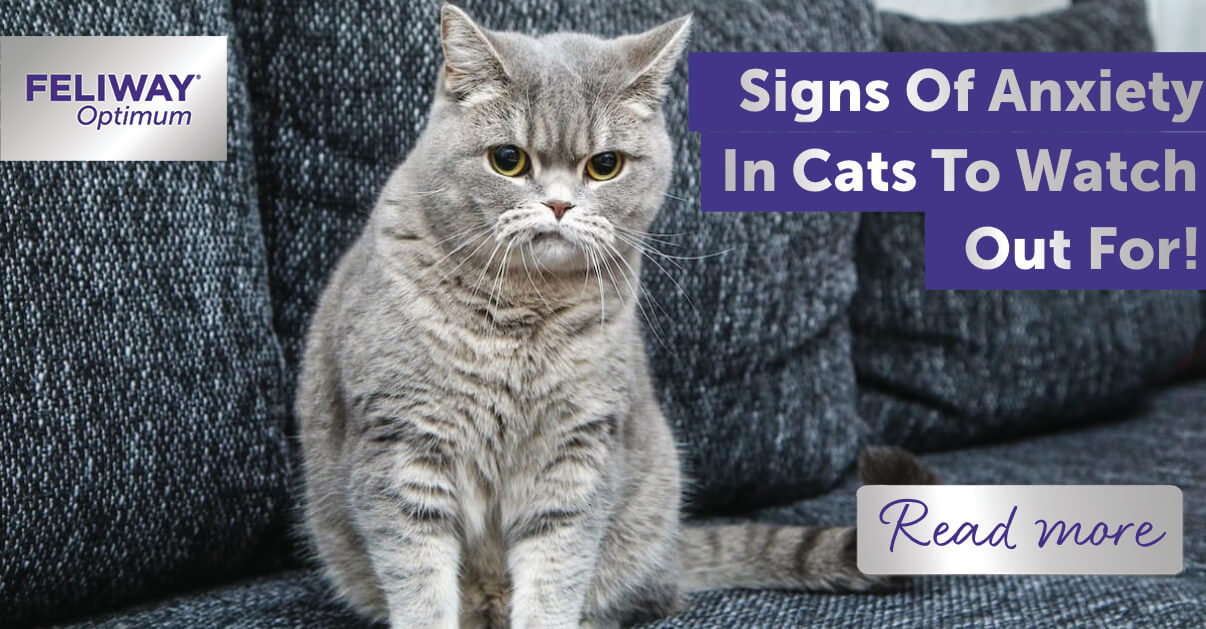
Is your feline friend acting a bit out of sorts lately? Maybe they’re hiding more than usual, or perhaps they’re excessively grooming themselves to the point of bald patches.
It’s easy to dismiss these behaviors as quirks, but what if your cat is actually experiencing anxiety? Just like humans, cats can suffer from anxiety, and it can significantly affect their quality of life. Understanding the signs of feline anxiety is crucial for any cat owner, and it can make a world of difference in your pet’s happiness and well-being.
You’ll discover the telltale signs that your cat may be anxious, learn the underlying causes, and find out how you can help them feel more secure and relaxed. Your cat’s comfort and happiness are within reach, and it all starts with recognizing their silent cries for help. Read on to ensure your furry companion enjoys a peaceful and stress-free life.

Credit: greenelementcbd.com
Signs Of Cat Anxiety
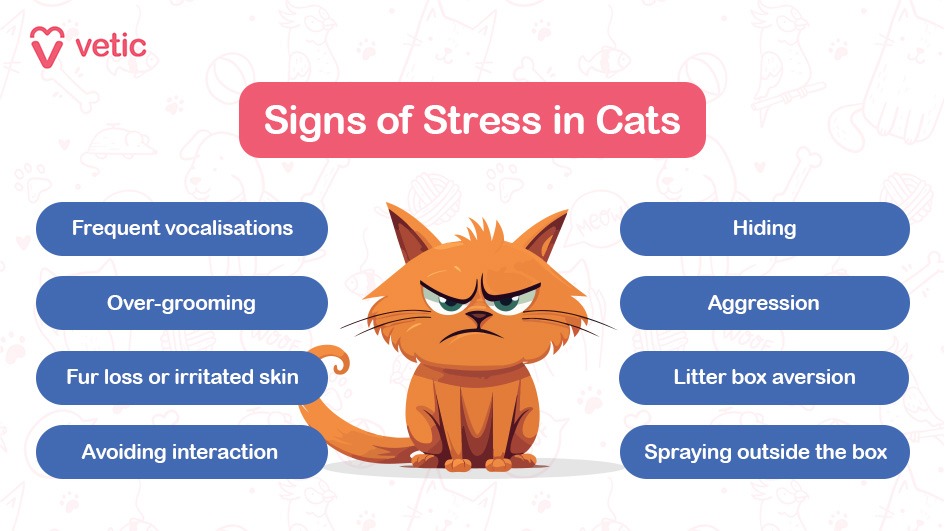
Recognizing signs of anxiety in your cat is crucial for their well-being and your peace of mind. Cats, like humans, can experience anxiety, and it often manifests in various ways. Understanding these signs can help you address the root cause and improve your pet’s quality of life. As a cat owner, you might wonder: Is my feline friend anxious?
Changes In Behavior
One of the most noticeable signs of anxiety in cats is a change in behavior. Has your cat suddenly become less active or more withdrawn? Perhaps they are hiding more than usual or avoiding certain areas of your home. These shifts can indicate they’re experiencing stress or fear. Pay attention to these changes; they often signal that something is amiss in their environment.
Excessive Grooming
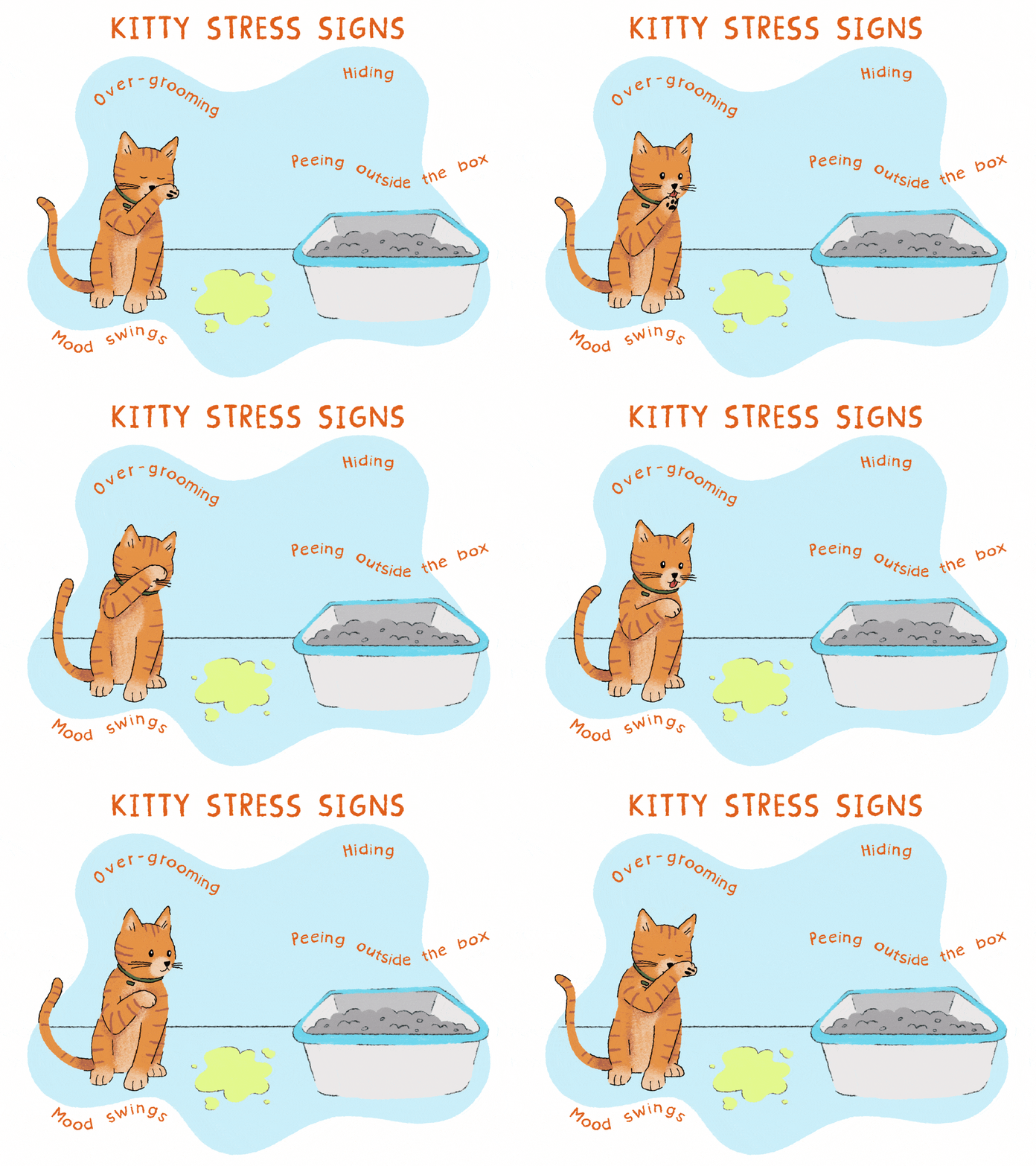
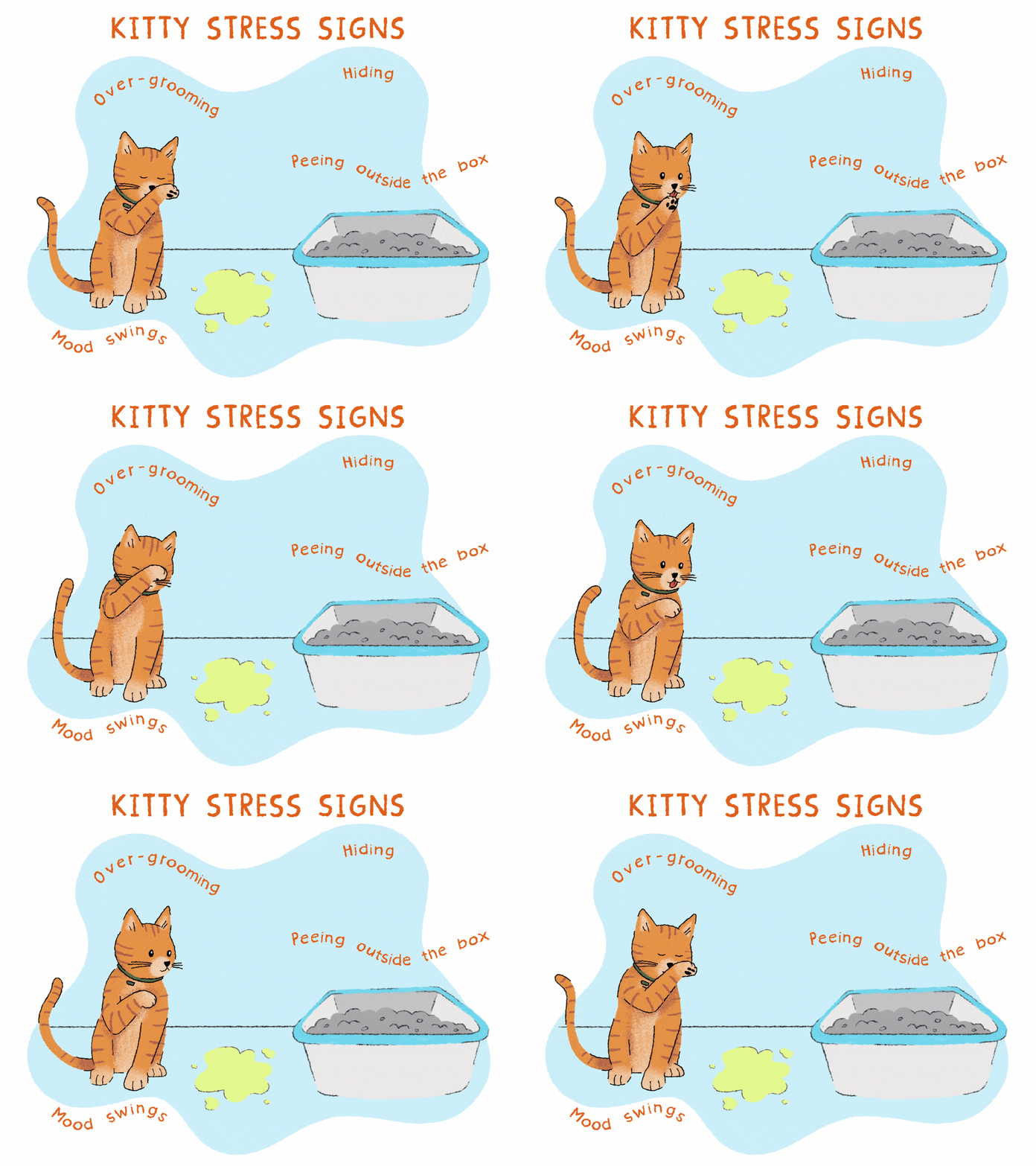
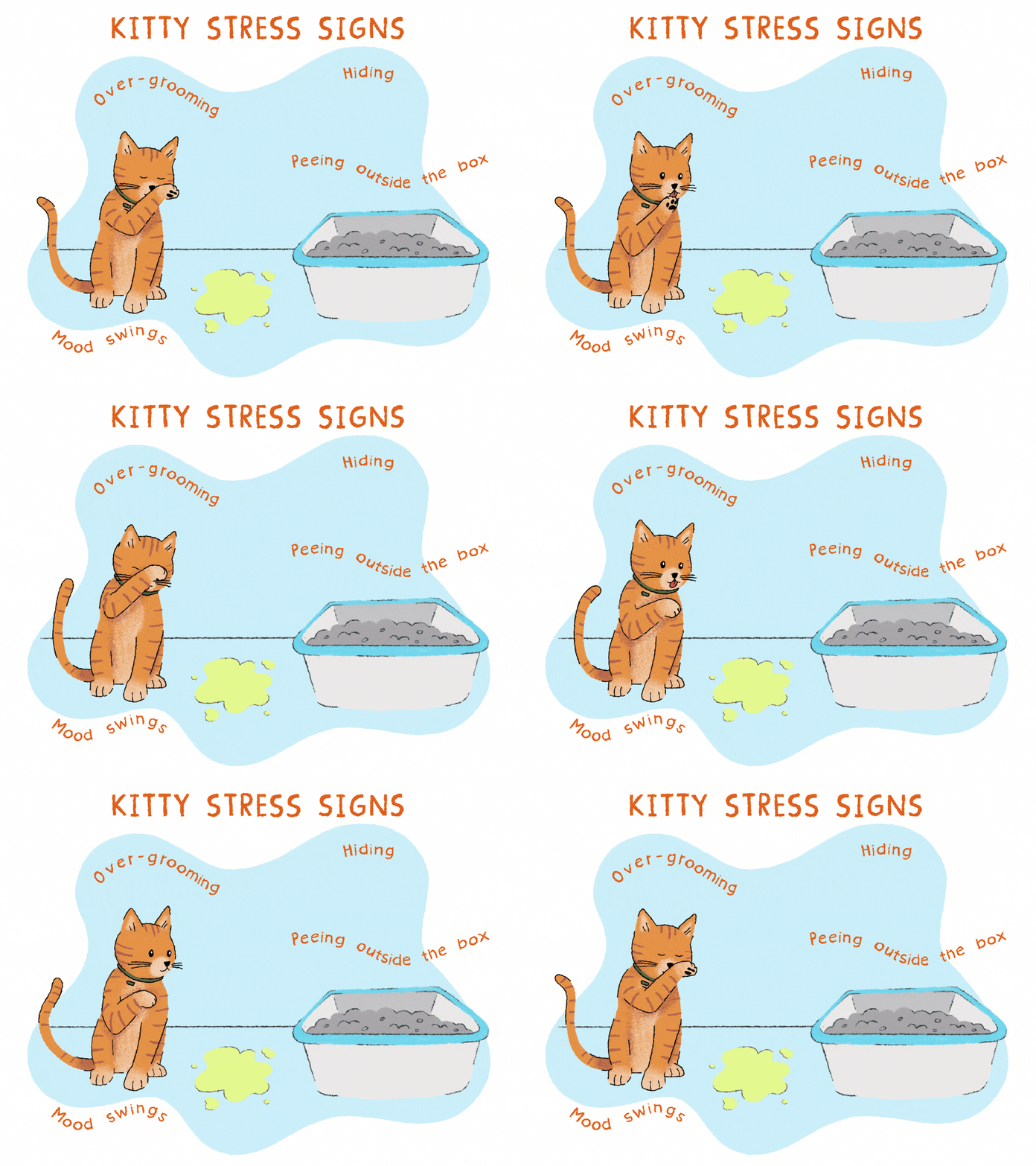
Is your cat grooming excessively? Cats naturally groom themselves, but when it becomes excessive, it can be a sign of anxiety. You might notice bald patches or irritated skin. This behavior often stems from an attempt to soothe themselves. Consider if there have been recent changes in your household, such as new pets or visitors, which might trigger this response.
Aggression Or Withdrawal
Does your cat exhibit sudden aggression or withdrawal? Anxiety can lead to drastic shifts in their social behavior. A typically friendly cat might start hissing or swatting, or conversely, a playful cat may become unusually quiet. Reflect on recent changes in your cat’s routine or environment that could be causing stress. Addressing these can help restore their usual demeanor.
Destructive Behavior
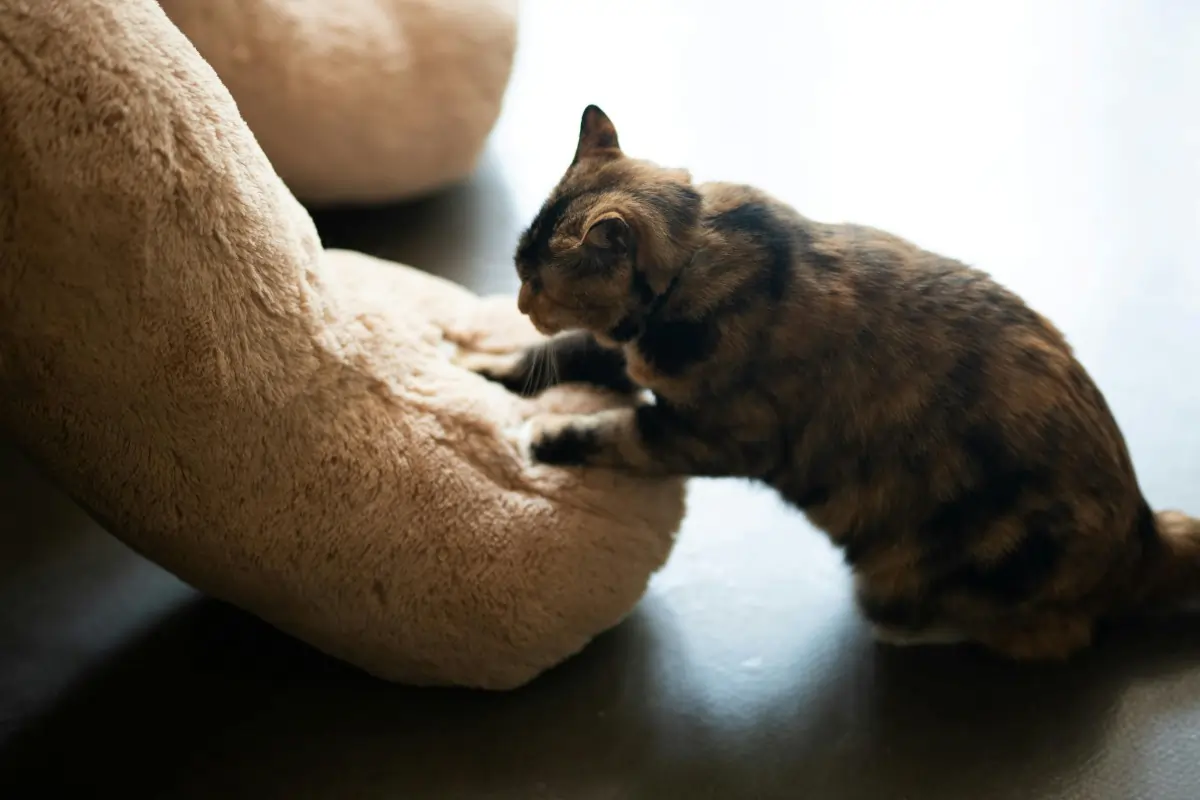
Have you noticed your cat engaging in destructive behavior? This can include scratching furniture or knocking items off surfaces. Such actions can be a cry for help, showing their discomfort and unease. Examine whether there have been disruptions in their daily life, such as moving to a new house or a change in feeding schedule. Providing a stable environment can mitigate these behaviors.
Understanding these signs is the first step in helping your cat. Could it be time to reassess your pet’s environment for stressors? Taking action to alleviate their anxiety can lead to a happier, healthier cat. So, how can you improve your feline’s comfort today?
Common Causes
Cats might show anxiety through excessive grooming, hiding, or aggression. Changes in appetite or litter habits can also signal stress. Observing these behaviors helps in identifying anxiety in cats.
Cats, just like humans, can experience anxiety. Recognizing the causes of anxiety in your feline friend is essential. Understanding these can help you create a calm environment. Here are some common causes of anxiety in cats.Environmental Changes
Cats thrive on routine. Sudden changes in their surroundings can lead to stress. Moving to a new home is a big change. Even small shifts like new furniture can cause anxiety. A new pet or family member might also disrupt their peace. Maintaining a stable environment is key.Lack Of Stimulation
Cats need mental and physical activity. Without enough stimulation, they become bored. Boredom can lead to anxiety. Interactive toys can help. Playtime is crucial for their well-being. Ensure they have activities to keep them engaged.Separation Anxiety
Some cats feel anxious when left alone. They form strong bonds with their owners. Leaving them alone for long periods can cause stress. Signs include excessive meowing or destructive behavior. Providing comfort items can help ease their anxiety.Medical Issues
Health problems can also cause anxiety. Pain or discomfort might make them uneasy. Regular vet check-ups are important. Identifying and treating medical issues can reduce stress. Always consult a vet if you notice unusual behavior.Diagnostic Methods
Understanding if a cat has anxiety requires careful diagnostic methods. These methods help identify stress-related behaviors in cats. A systematic approach ensures accurate evaluation. Let’s explore key diagnostic methods for cat anxiety.
Behavioral Observations
Behavioral observations play a crucial role in diagnosing cat anxiety. Watch for changes in your cat’s routine. Notice if they hide more or become withdrawn. Increased aggression or excessive grooming are also signs. Pay attention to vocalizations and litter box habits. Behavioral changes often indicate anxiety.
Veterinary Assessment
A veterinary assessment is essential in diagnosing anxiety in cats. Veterinarians evaluate physical and emotional health. They conduct thorough examinations and may ask about recent changes. They might recommend behavior modification strategies. A professional assessment ensures a comprehensive understanding of your cat’s needs.
Rule Out Health Problems
Ruling out health problems is a critical diagnostic step. Physical ailments can mimic anxiety symptoms. Your vet might perform blood tests and physical exams. They check for conditions like hyperthyroidism or urinary tract issues. Identifying underlying health problems ensures proper treatment. Addressing health issues can alleviate anxiety symptoms.

Credit: www.pawmaw.com
Effective Solutions
Recognizing anxiety in cats involves observing their behavior closely. Frequent hiding, excessive grooming, or sudden aggression may indicate stress. Providing a calm environment and engaging play can help ease anxiety symptoms in felines.
Cats can experience anxiety just like humans. Understanding how to alleviate their stress is crucial. Effective solutions can help them feel calm and secure. Here are some strategies to address cat anxiety.Creating A Safe Space
Every cat needs a personal space to retreat. This area should be quiet and comfortable. Soft bedding and familiar scents provide comfort. Ensure the space is away from loud noises. A safe space helps reduce anxiety. It reassures your cat when they feel overwhelmed.Interactive Play
Engaging your cat in play is vital. Use toys to stimulate their mind. Feather wands and laser pointers work well. Playtime helps release pent-up energy. It also strengthens the bond between you and your cat. Regular play sessions can minimize anxiety.Environmental Enrichment
A stimulating environment is essential for cats. Add scratching posts and climbing structures. These encourage natural behaviors and reduce stress. Rotate toys to maintain interest. Keep the environment dynamic. This enrichment keeps your cat mentally active and happier.Behavioral Therapy
Behavioral therapy can support anxious cats. Consider consulting a professional. They can offer tailored strategies. Gradual exposure to stressors may help. Positive reinforcement is effective too. Over time, therapy can improve your cat’s well-being.Preventive Measures
Preventing anxiety in cats is crucial for their well-being and your peace of mind. Cats are sensitive creatures, and a proactive approach can help avoid stress-related behaviors. Understanding preventive measures can ensure your feline friend remains happy and healthy. Let’s dive into some actionable strategies.
Regular Routine
Consistency is key for your cat’s comfort. Stick to regular feeding times and maintain a consistent schedule for play and sleep. Cats thrive on routine, and sudden changes can disrupt their sense of security.
Picture this: your cat waiting by its food bowl at the same time each day. This predictability fosters trust and reduces anxiety. Have you noticed how a slight change in your routine can make your cat uneasy?
Socialization Strategies
Introduce your cat to new experiences gradually. Exposing them to different environments, sounds, and people can build their confidence. Use treats and praises to associate new experiences with positivity.
I once brought my cat to a friend’s house, and it was a nervous wreck. Slowly introducing her to new environments helped build her social skills. Could your cat benefit from more diverse interactions?
Stress Reduction Techniques
Identify stressors in your home environment. Loud noises, unfamiliar scents, or other pets can elevate anxiety levels. Create a safe space for your cat with comfortable bedding and familiar toys.
Think about a quiet corner with a soft blanket and favorite toys. This sanctuary can be your cat’s escape from stress. What changes can you make today to minimize your cat’s anxiety triggers?
Preventive measures are not just about avoiding anxiety; they’re about enriching your cat’s life. Your efforts can foster a deeper bond and a happier home for both of you.
When To Seek Professional Help
Noticeable changes in your cat’s behavior, like excessive grooming or hiding, may signal anxiety. Persistent symptoms require professional help to ensure your pet’s well-being. Consulting a veterinarian can provide insights and effective solutions for managing feline anxiety.
If you’ve noticed your cat displaying unusual behaviors or signs of distress, you might wonder if it’s time to seek professional help. Understanding when professional intervention is necessary can ensure your cat receives the care it needs. While some anxiety symptoms can be addressed with simple changes at home, certain signs indicate it’s time to consult an expert.Persistent Symptoms
If your cat’s anxiety symptoms last more than a few weeks, it’s wise to seek help. Persistent symptoms include excessive grooming, hiding, or aggression. Long-term stress can affect your cat’s health, so timely intervention is crucial.Severe Behavioral Changes
Have you noticed drastic shifts in your cat’s behavior? This might include a once-friendly cat becoming aggressive or a playful feline turning lethargic. These severe changes can signal underlying anxiety issues that need professional assessment.Consulting A Pet Behaviorist
A pet behaviorist can offer valuable insights into your cat’s anxiety. They specialize in understanding animal behavior and can provide tailored strategies to manage anxiety. Consider this option if standard solutions, like environment adjustments or playtime, don’t alleviate your cat’s distress. Seeking professional help can be a game-changer for your anxious cat. It not only improves their quality of life but also strengthens your bond. Have you ever thought about how relieved you’ll feel once your cat is back to its happy self? Make the decision today for a happier tomorrow for both you and your feline friend.
Credit: restorapet.com
Frequently Asked Questions
What Are The Signs Of An Anxious Cat?
Anxious cats often hide or show aggression. They may excessively groom, urinate outside the litter box, or vocalize more. Pacing, restlessness, and dilated pupils are common signs. Changes in appetite or sleep patterns can indicate stress. Early detection helps in managing their anxiety effectively.
What Helps Anxiety In Cats Naturally?
Natural remedies for cat anxiety include providing a calm environment, using pheromone diffusers, and offering interactive toys. Herbal supplements like chamomile or valerian root can also help. Consistent routines and gentle handling reduce stress. Regular playtime strengthens the bond and alleviates anxiety.
What Is A Common Behavior Of A Cat That Feels Stressed Or Threatened?
A stressed or threatened cat often arches its back, hisses, or hides. It may also show dilated pupils and fur puffing. Excessive grooming or refusing food are other signs of stress. Watching for these behaviors can help identify a stressed cat.
How To Tell If Cats Have Separation Anxiety?
Cats may have separation anxiety if they excessively meow, urinate outside the litter box, or become destructive when alone. They might also excessively groom or follow you around. Observe changes in their behavior closely. If symptoms persist, consult a veterinarian for guidance and potential solutions.
Conclusion
Recognizing anxiety in cats is crucial for their well-being. Watch for signs. Restlessness, hiding, or excessive grooming can indicate stress. Sudden aggression or changes in eating habits are red flags. Understanding your cat’s behavior helps you provide comfort. Calming environments can aid in reducing anxiety.
Regular playtime builds trust and security. Consult a vet for persistent anxiety issues. They can offer guidance and treatment options. Every cat is unique. Patience and love make a difference. Your efforts ensure a happy, relaxed feline friend. Keep observing, nurturing, and caring for your cat’s emotional health.

Similar Posts