What Essential Oil is Bad for Cats: Avoid Toxic Scents
Imagine coming home to the soothing scent of essential oils filling the air, creating a peaceful sanctuary for you after a long day. These little bottles of plant magic can transform your mood, your home, and even your health.
But if you share your space with a feline friend, there’s a hidden danger lurking in that blissful aroma. Did you know that some essential oils can be harmful, even toxic, to cats? It’s crucial to ensure the safety of your beloved pet while enjoying the benefits of aromatherapy.
By understanding which essential oils pose a threat, you can protect your cat from potential harm. Let’s dive into the world of essential oils and uncover what you need to know to keep your kitty safe. This knowledge is not just essential—it’s a responsibility to your furry family member. Stay with us to discover how to make your home a safe haven for both you and your cat.

Credit: www.consolata.org
Common Toxic Essential Oils
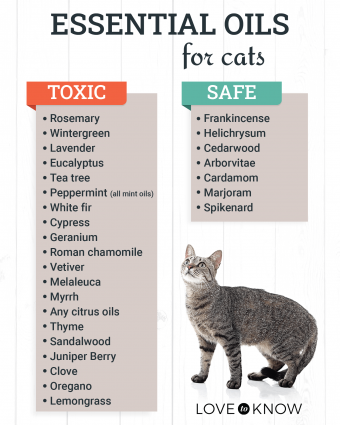
Essential oils can be harmful to cats. Cats have a unique metabolism. Some oils are dangerous for them. Understanding which oils are toxic is crucial. Here, we explore common toxic oils for cats.
Tea Tree Oil Risks
Tea tree oil is popular for its medicinal properties. It is toxic to cats. Even small amounts can cause harm. Symptoms may include weakness and tremors. Keep tea tree oil away from cats.
Peppermint Oil Effects
Peppermint oil is refreshing for humans. For cats, it’s a different story. It can irritate their skin and eyes. Inhalation may cause breathing problems. Avoid using peppermint oil around cats.
Citrus Oils Concerns
Citrus oils are derived from fruits like lemons and oranges. Cats find their scent unpleasant. These oils can cause vomiting and diarrhea. Cats may also drool excessively. Store citrus oils safely out of reach.
Eucalyptus Oil Dangers
Eucalyptus oil is known for its soothing scent. It’s not safe for cats. Exposure can lead to lethargy and drooling. In severe cases, it affects their nervous system. Always ensure eucalyptus oil is inaccessible to cats.
Credit: www.lovetoknowpets.com
Symptoms Of Toxicity In Cats
As a cat owner, you’re probably aware of the curiosity your feline friend possesses. This curiosity can sometimes lead them into trouble, especially when it comes to essential oils. Certain oils can be toxic to cats, causing symptoms that can be both frightening and harmful. It’s crucial to recognize these symptoms early to protect your cat’s health.
Respiratory Distress Signs
Have you ever noticed your cat coughing or wheezing after introducing a new scent to your home? Cats have sensitive respiratory systems, and some essential oils can irritate their lungs. If your cat is panting, gasping for breath, or has an increased respiratory rate, these could be signs of respiratory distress. Make sure to remove the source of the irritation immediately.
Skin Irritation Symptoms
Is your cat scratching more than usual? Essential oils like tea tree oil can cause skin irritation. You might observe redness, swelling, or excessive licking in areas where the oil has come into contact with your cat’s fur. It’s similar to how you might feel itchy after using a product your skin doesn’t agree with. Keep a close eye on any changes and consult your vet if symptoms persist.
Behavioral Changes
Imagine your cat suddenly hiding or showing unusual aggression. Behavioral changes can be a subtle but telling sign of toxicity. Cats might become lethargic, refuse to eat, or display sudden hyperactivity after exposure to certain oils. These changes can be disconcerting, especially when your cat typically enjoys lounging in the sunny spots of your home. Do you notice your cat acting out of character? It’s time to investigate what could be causing such a shift.
Your role as a pet owner is to be vigilant and proactive. Recognize these symptoms and act swiftly to ensure your cat’s safety. Essential oils can offer many benefits, but when it comes to your furry friend, caution is key. Have you ever had a close call with essential oils and your cat? Share your experience and tips in the comments below. Your insight might just help another cat owner in need.
Safe Alternatives To Use
Finding safe alternatives to essential oils for cats can be challenging. Many essential oils are toxic to cats, causing health issues. Choosing non-toxic options helps protect your feline friend. It’s important to know which oils are safe and how to use them correctly. Here are some safe alternatives and guidelines to consider.
Non-toxic Oils
Some essential oils are safer for cats. Chamomile oil is gentle and soothing. Lavender oil is known for its calming effects. Frankincense oil is also considered safe and beneficial. These oils can provide aromatherapy benefits without harming your pet. Always check for allergic reactions before use.
Proper Usage Guidelines
Use essential oils sparingly around cats. Ensure the room is well-ventilated. Keep oils out of reach to prevent ingestion. Never apply oils directly on your cat’s skin. Observe your cat for any signs of discomfort. Discontinue use if any negative reactions occur.
Dilution Techniques
Diluting essential oils is crucial for safety. Use a carrier oil like coconut or olive oil. A common ratio is one drop of essential oil to a teaspoon of carrier oil. This reduces the oil’s strength and potential harm. Test the diluted oil on a small area first. Ensure there is no irritation before wider use.
Preventing Exposure
Cats can be harmed by certain essential oils like tea tree, eucalyptus, and peppermint. These oils can cause serious health issues if ingested or absorbed through the skin. Keep these oils out of reach to ensure your cat’s safety.
Preventing exposure to harmful essential oils is crucial for cat safety. Cats are sensitive to many essential oils, which can cause health issues. Understanding how to prevent exposure helps keep your feline friends safe. Learn how storage tips, diffuser precautions, and educating family members can minimize risks.Storage Tips
Store essential oils in locked cabinets. Ensure bottles are out of reach from curious cats. This prevents accidental spills or ingestion. Use child-proof containers for added security. Label each oil clearly. This helps in identifying which oils are harmful to cats. Keep oils in cool, dark places. Light and heat can degrade oils, making them more potent.Diffuser Precautions
Use diffusers in rooms cats don’t access. Close doors to prevent cats from entering. Ventilate rooms after using diffusers. Fresh air dilutes the concentration of essential oils. Choose diffusers with timers. Limit the time oils are in the air. Opt for water-based diffusers. These reduce the amount of oil dispersed.Educating Family Members
Inform family about the risks to cats. Share which oils are dangerous. Discuss symptoms of exposure with everyone. Encourage vigilance in essential oil use. Make education ongoing. Regular reminders keep everyone aware. Create a list of safe practices. Display it in common areas. This helps reinforce safety habits.Emergency Response Steps
Tea tree oil poses a threat to cats, causing serious health issues. Cats may suffer from vomiting, tremors, or even organ damage. Quickly remove any exposure and consult a vet for guidance.
When it comes to essential oils and cats, a sudden exposure can lead to serious health risks. If your feline friend comes into contact with an essential oil that is toxic to them, quick and effective action is crucial. Understanding the emergency response steps can make a world of difference in keeping your cat safe and healthy.Immediate Actions
First, stay calm but act swiftly. If you notice your cat has been near an essential oil, remove them from the area immediately. Secure the oil and clean up any spills to prevent further exposure. If the oil is on your cat’s fur, gently wipe it off with a damp cloth. Do not use soap or water initially, as some oils can react adversely. Have you ever considered how curious cats can be? This curiosity can lead them to dangerous substances like essential oils.Contacting A Veterinarian
Reach out to your vet as soon as possible. Explain the situation clearly, including the type of oil and how your cat was exposed. Your vet can provide guidance specific to your cat’s situation. Have you saved your veterinarian’s number in an easily accessible place? It’s a good idea to do so for emergencies like this.First Aid Measures
If advised by your veterinarian, you may need to perform first aid. This could involve rinsing your cat’s fur with water or applying a soothing agent. Do not attempt any first aid without professional advice, as it could worsen the situation. Have you ever thought about how your pet relies on you for their safety? Your prompt and informed actions can be life-saving. Remember to keep calm and focus on getting your cat the help they need. As a cat owner, you hold the key to ensuring their safety. Your preparedness can turn a potential disaster into a manageable situation.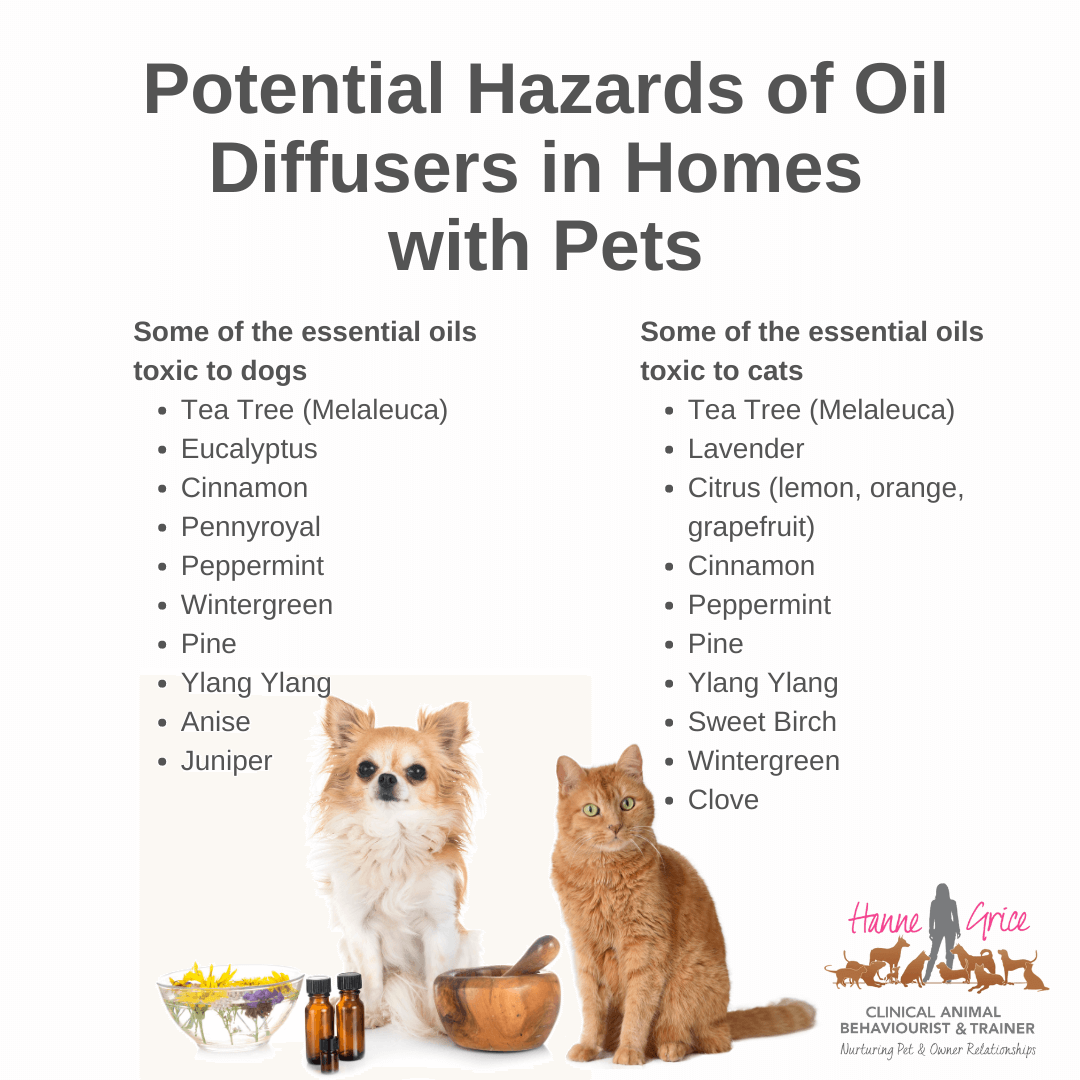
Credit: www.hannegrice.com
Long-term Health Implications
Using essential oils around cats can be dangerous. Some oils cause long-term health issues. Cats lack certain liver enzymes to process these oils. This makes them vulnerable to toxic buildup. Continuous exposure can lead to serious health problems.
Chronic Health Risks
Chronic exposure to certain essential oils can harm cats. It can lead to respiratory issues. Oils like tea tree and eucalyptus are harmful. They may cause breathing difficulties over time. Skin problems can also arise. Cats may develop rashes or sores from contact.
Monitoring And Care
Regularly check your cat for signs of distress. Look for coughing or sneezing. Monitor their skin for unusual changes. If you suspect exposure, consult a vet immediately. Prevent access to areas where oils are used. Use diffusers in well-ventilated rooms only.
Frequently Asked Questions
What Essential Oils Not To Use With Cats?
Avoid using essential oils like tea tree, peppermint, citrus, eucalyptus, and lavender around cats. These oils can be toxic and cause adverse reactions. Always consult with a vet before introducing any new oils in your home to ensure your pet’s safety.
Is It Okay To Diffuse Essential Oils Around Cats?
Diffusing essential oils around cats can be harmful. Some oils are toxic to them. Ensure proper ventilation and choose pet-safe oils. Always consult a veterinarian before use to ensure your cat’s safety and well-being.
Which Oils Are Not Good For Cats?
Essential oils like tea tree, eucalyptus, citrus, peppermint, and lavender are harmful to cats. These oils can cause skin irritation, respiratory issues, and even organ failure. Always keep essential oils out of reach to ensure your cat’s safety. Avoid using these oils in areas where your cat frequents.
What Happens If A Cat Licks Essential Oil?
Cats licking essential oils can face health risks. Symptoms may include drooling, vomiting, and breathing difficulties. Essential oils are toxic to cats, affecting their liver. Immediate veterinary care is crucial if exposure occurs. Keep oils out of reach to ensure your cat’s safety.
Conclusion
Keeping cats safe is essential. Some oils can harm them. Always research before using essential oils at home. Cats have sensitive systems. Even small amounts can be dangerous. Lavender, eucalyptus, and tea tree oils are risky. Speak to a vet if unsure.
Their advice can prevent accidents. Natural doesn’t always mean safe for pets. Stay informed and protect your furry friend. This keeps your home a safe haven. Be cautious with scents and oils. Happy cats mean happy homes. Your awareness makes a big difference.
Stay vigilant and prioritize your pet’s health.