What Can You Train Cats to Do: Unleash Their Potential
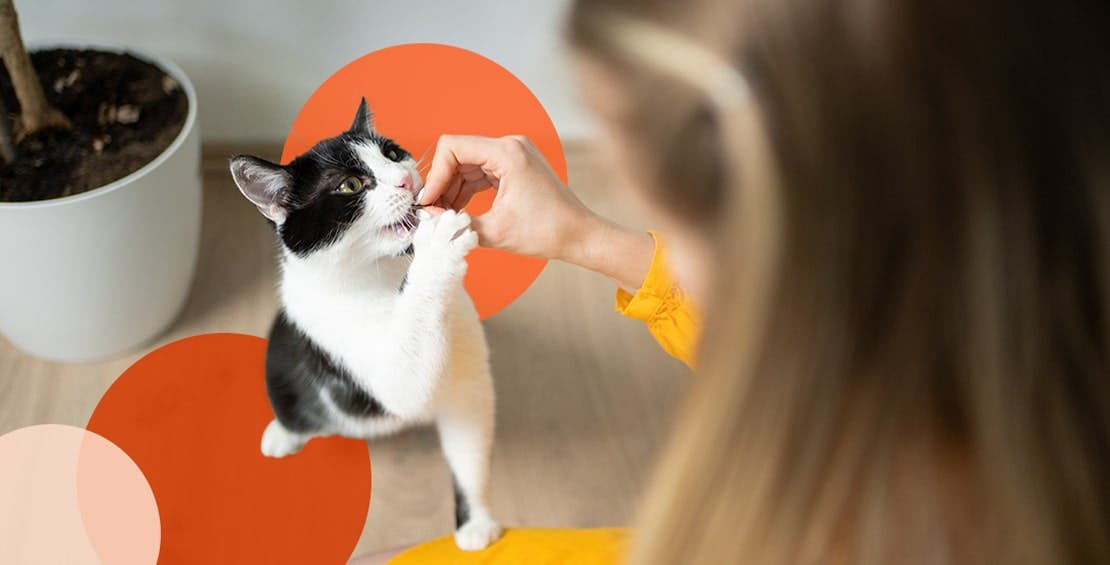
Imagine a world where your feline friend not only curls up on your lap but also fetches their favorite toy or even gives you a high-five. Sounds intriguing, right?
Cats are often seen as independent and aloof creatures, but with the right approach, they can learn a variety of tricks and behaviors that will surprise you. Have you ever wondered what you can train your cat to do? You’re not alone.
Understanding the potential of your cat’s intelligence can transform your relationship with them and bring a new level of joy to your home. Stick around to discover the secrets to unlocking your cat’s hidden talents and see how training can enhance their life—and yours.
Credit: www.wihumane.org
Basic Commands
Training a cat might sound challenging, but it’s possible. Cats can learn basic commands just like dogs. This training strengthens your bond with your feline friend. It also helps in managing their behavior. Let’s explore some basic commands that you can teach your cat.
Sit
Teaching a cat to sit is quite simple. Hold a treat above its head. Slowly move the treat back, over its head. The cat will naturally sit to follow it. Once it sits, reward it with the treat. Use the word “sit” consistently. Repeat this process regularly. With time, the cat will sit on command.
Stay
Start with your cat sitting. Hold your hand out, palm facing the cat. Use a firm voice to say “stay.” Take a step back. If the cat stays, reward it with a treat. Increase the distance gradually. Consistency is key. Practice this daily. Soon, the cat will understand the command.
Come
Use a treat to teach the “come” command. Move a few steps away from your cat. Call its name followed by “come.” When it approaches, give it a treat. Praise it gently. Repeat this exercise often. Over time, the cat will respond to your call. This command is useful for safety.

Credit: animals.howstuffworks.com
Advanced Tricks
Cats can learn impressive skills like fetching toys, walking on a leash, or even using the toilet. These clever animals enjoy mental challenges, making training sessions both fun and rewarding. With patience, you can teach them to respond to simple commands like sit, stay, or come.
Training cats can be a rewarding experience, especially when it comes to advanced tricks. These tricks not only showcase your cat’s intelligence but also deepen the bond between you two. Imagine the look on your friend’s face when your feline companion performs a high five or fetches a toy. The journey from basic commands to advanced tricks requires patience, but the joy and sense of achievement make it worthwhile. Have you ever wondered what else your cat is capable of?High Five
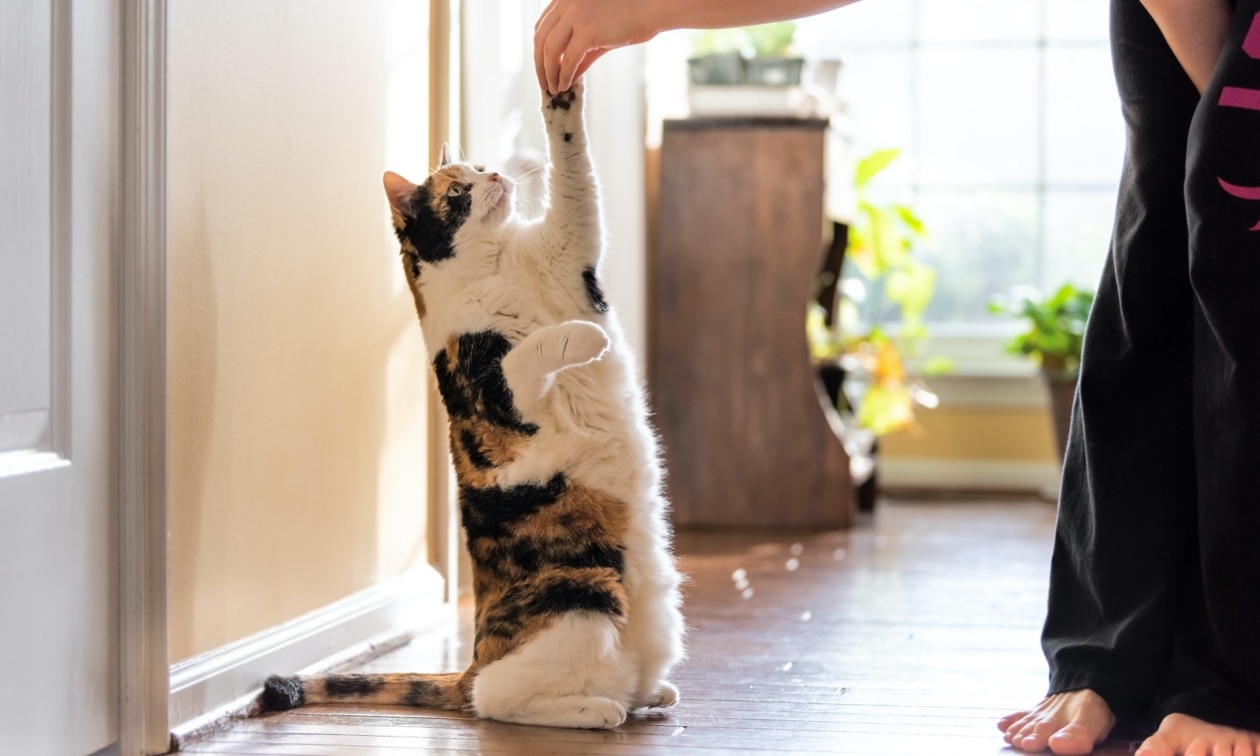
Teaching your cat to give a high five is not only fun but a great way to impress friends. Start by holding a treat at your cat’s eye level. As your cat reaches up, gently guide their paw with your hand. Reward them immediately when their paw touches your palm. Repeat this process, gradually increasing the height of your hand. Soon, your cat will lift their paw on command, ready for a high five!Roll Over
Getting your cat to roll over can be challenging but rewarding. Begin by enticing your cat with their favorite treat or toy. Hold it close to the ground and slowly move it in a circular motion. Encourage your cat to follow the treat, guiding them to roll over. With consistency, your cat will associate the motion with the command. It’s a trick that shows off their agility and your patience.Fetch
Did you know cats can learn to fetch just like dogs? Start by using a lightweight toy your cat enjoys. Throw it a short distance and encourage your cat to bring it back. When they show interest in the toy, reward them with praise or a treat. Repeat the process, gradually increasing the distance. This trick taps into their natural hunting instincts and can become a fun game for both of you. Are you ready to see your cat sprint across the room in excitement? Training your cat in advanced tricks can be a delightful journey, filled with surprises and laughter. Remember, every small step you take with your cat is a step towards a stronger relationship. Which trick will you try first?Using The Litter Box
Cats can be trained to use a litter box with patience and consistency. Simple routines and positive reinforcement work best. This skill ensures a cleaner home and a happier pet.
Training your cat to use the litter box might seem like a daunting task, but it’s a fundamental skill that can make your life much easier. Not only does it keep your home clean, but it also helps your feline friend feel comfortable and secure. Understanding how to guide your cat toward this essential behavior can be both rewarding and essential for a harmonious home.Setting Up The Litter Box
Choosing the right litter box is crucial. It should be accessible and comfortable for your cat. Consider its size relative to your cat’s size; your cat should be able to turn around easily inside it. Location matters too. Place the litter box in a quiet, low-traffic area. Cats value privacy when taking care of their business, just like you do.Using Positive Reinforcement
Cats respond well to positive reinforcement. Reward your cat with a small treat or affection when they use the litter box correctly. This reinforces good behavior without creating fear or anxiety. Avoid punishing your cat for accidents. Negative experiences can lead to stress, making them avoid the litter box altogether.Understanding Your Cat’s Preferences
Every cat is unique, with its own preferences. Some cats might prefer a specific type of litter. If your cat seems reluctant to use the box, consider trying different litter types. Keep an eye on your cat’s behavior. Does your cat seem uncomfortable with the box’s location or type? Adjust accordingly based on their reactions.Maintaining Cleanliness
Cats are meticulous creatures. A clean litter box encourages regular use. Scoop waste daily and change the litter weekly. A dirty box can deter your cat from using it, leading to unwanted accidents around the house. Would you use an unclean bathroom?Common Challenges And Solutions
Sometimes, even with the best efforts, cats might resist using the litter box. Stress, changes in environment, or health issues can affect their behavior. Consult a vet if problems persist. Consider introducing pheromone diffusers to reduce stress. These can create a calming environment for your cat. Training your cat to use the litter box successfully is a journey. With patience, understanding, and a bit of trial and error, you can ensure your cat feels at ease with this essential routine. How have you managed your cat’s litter box habits?Walking On A Leash
Training cats to walk on a leash can be an exciting adventure. It opens a new world of exploration for them. This activity strengthens the bond between you and your feline friend. Walking on a leash offers cats a taste of the outdoors. It also keeps them safe from dangers like traffic and other animals. Many cat owners are surprised at how quickly their pets adapt to this new skill.
Getting Started With Leash Training
Start with a harness designed for cats. It should fit snugly but not too tight. Let your cat wear the harness indoors first. This helps them get used to it. Praise them and offer treats when they wear it calmly. Positive reinforcement is key in making them comfortable.
Introducing The Leash
Once your cat is at ease with the harness, attach the leash. Allow them to drag it around the house. This helps them feel the weight and movement. Keep the leash short initially to avoid tangling. Gradually increase the length as they get used to it.
Exploring The Outdoors
Begin by taking your cat to a quiet spot outside. Let them explore slowly. Allow them to sniff and investigate the surroundings. Always keep a close eye on them. Sudden noises or movements may startle them. Keep the leash steady and guide gently.
Building Confidence
As your cat gains confidence, extend the walking time. Gradually introduce them to new areas. Encourage them with a calm voice and rewards. Walks should be enjoyable for both of you. Watch for signs of stress and return home if needed.
Staying Safe
Always use a sturdy harness and leash. Never let your cat roam freely without supervision. Be aware of potential hazards like dogs or traffic. Ensure your cat is vaccinated and protected against outdoor risks. Their safety should always be a priority.
Socialization Skills
Cats are known for their independence, but they can learn social skills. Teaching a cat to interact socially enhances their overall well-being. Socialization skills help cats feel more comfortable and confident. These skills are crucial for their interactions with other pets and adapting to new environments.
Interaction With Other Pets
Teaching a cat to interact with other pets can be rewarding. Start by introducing the cat slowly to other animals. Use positive reinforcement to encourage calm behavior. Monitor the cat’s reactions and adjust the approach as needed. This helps in building a friendly relationship with other pets.
Keep initial meetings brief and supervised. Ensure each pet has its own space to retreat to. Gradually increase interaction time as comfort levels rise. This fosters a peaceful coexistence among pets.
Handling New Environments
Cats can be trained to handle new environments with ease. Begin by exposing them to different spaces gradually. This reduces anxiety and stress. Familiarize them with new sounds and smells in a controlled setting. Use treats and praise to reward exploration.
Encourage the cat to explore at its own pace. Bring familiar items like toys or blankets to new places. This creates a sense of security for the cat. Over time, the cat learns to adjust and feel safe in various surroundings.
Responding To Name
Cats can learn to respond to their names with gentle training. Use positive reinforcement to encourage them. Rewards like treats or affection help make the learning process enjoyable.
Teaching your cat to respond to their name can be a delightful experience. It not only strengthens your bond but also makes communication smoother. Imagine calling your cat and having them come trotting over, just like a dog. It’s possible and more straightforward than you might think.Why Train Your Cat To Respond To Their Name?
Cats are naturally independent creatures, which often leads to the misconception that they can’t be trained. But, just like dogs, cats can learn to recognize their names. When your cat responds to their name, it’s not only convenient but also ensures their safety. Imagine being able to call them away from potential danger or simply to share a cuddle.Using Positive Reinforcement
Positive reinforcement is key when training your cat. Start by associating your cat’s name with something pleasant. Call their name and immediately reward them with a treat or affection when they look at you. This creates a positive association in your cat’s mind, making them more likely to respond next time.Consistency Is Crucial
Consistency plays a vital role in training. Use your cat’s name frequently during different activities. Whether it’s feeding time or playtime, consistently calling their name helps reinforce their learning. This repetition will help your cat understand that their name is a signal for attention or action.Make It Fun!
Training should be an enjoyable experience for both you and your cat. Use a playful tone when calling your cat’s name. You can even turn it into a game by hiding and calling their name, rewarding them when they find you. This not only makes training fun but also strengthens your connection.Patience Pays Off
Training takes time, and each cat learns at their own pace. Some might catch on quickly, while others need more time. Patience is essential. Avoid getting frustrated or scolding your cat if they don’t respond immediately. Keep sessions short and end on a positive note to keep your cat interested.Real-life Application
Imagine the peace of mind knowing your cat will come when called in an emergency. Or how about the joy of calling them over for a snuggle session? Training your cat to respond to their name is not just a party trick; it’s a practical skill. How would you feel if your cat responded to your call every time?Final Thoughts
Training your cat to respond to their name can transform your relationship. It’s a simple yet effective way to communicate and ensure their well-being. So, why not give it a try and see how responsive your feline friend can become?Agility Training
Cats are natural athletes. Their agility training can enhance their physical skills. It also provides mental stimulation. Training your cat in agility can be rewarding. It strengthens the bond between you and your feline friend. You can train cats to navigate obstacle courses and run through tunnels. With patience, your cat can perform amazing feats. Agility training is a fun way to keep your cat active.
Obstacle Courses
Designing an obstacle course for your cat is simple. Use items like boxes and cushions. Arrange them in a playful pattern. Encourage your cat to jump and climb. Start with easy challenges. Gradually introduce more complex obstacles. Reward your cat with treats or affection. This will motivate them to try harder. Obstacle courses build confidence and coordination. Your cat will enjoy the adventure.
Tunnel Running
Tunnel running is another exciting activity for cats. Use a fabric tunnel or make one with paper bags. Place the tunnel in an open area. Entice your cat with toys or treats. Let them explore at their own pace. Running through tunnels is great exercise. It mimics their natural hunting instincts. Encourage frequent play sessions. This keeps your cat healthy and happy.
Behavioral Adjustment
Cats can learn behaviors like using a litter box and responding to simple commands. Training involves patience and positive reinforcement. Making training sessions short and rewarding helps build trust and encourages learning.
Training cats is often seen as a mystery, but it’s more about understanding and adjusting behaviors than teaching tricks. Behavioral adjustment can make your feline friend more pleasant to live with and can improve their happiness. Let’s explore how you can address some common issues with simple training techniques.Reducing Aggression
Dealing with an aggressive cat can be challenging, but patience and consistency can help. Start by identifying what triggers your cat’s aggression. Is it a specific sound, person, or situation? Once you know the triggers, gradually expose your cat to these situations in a controlled manner. Reward calm behavior with treats or affection. This positive reinforcement helps your cat associate the trigger with a pleasant outcome. Additionally, ensure your cat has enough mental and physical stimulation. Toys, interactive play, and climbing spaces can reduce boredom-related aggression. Have you tried offering your cat different toys or interactive games to channel their energy positively?Minimizing Furniture Scratching
Scratching is a natural behavior for cats, but your furniture doesn’t have to suffer. Provide your cat with appropriate scratching posts or pads. Place them near the furniture they like to scratch. Encourage your cat to use the scratching post by rubbing catnip on it or attaching toys. If your cat persists in scratching furniture, gently redirect them to the post and reward them when they use it correctly. Consider the type of scratching surface your cat prefers. Do they like sisal rope, carpet, or cardboard? Offering a variety can help you find what they like best. Sometimes, a simple adjustment can make all the difference. Have you noticed any particular material your cat enjoys scratching more than others?Enrichment Activities
Cats are curious creatures that love to explore and play. Enrichment activities can keep them engaged and mentally stimulated. These activities help reduce stress and boredom. They also promote physical exercise and improve overall well-being. Let’s explore some fun enrichment activities for your feline friend.
Puzzle Toys
Puzzle toys challenge your cat’s mind and keep them entertained. These toys require your cat to solve problems to get treats. They encourage natural hunting instincts and improve problem-solving skills. You can find a variety of puzzle toys in pet stores. Choose toys that match your cat’s skill level. Start with simple puzzles and gradually increase difficulty. This helps keep the game interesting and engaging.
Interactive Games
Interactive games are a great way to bond with your cat. They involve direct interaction and can be very exciting. Use toys like feather wands or laser pointers. These games stimulate your cat’s hunting instincts. Spend at least 15 minutes a day playing with your cat. It helps build trust and strengthens your relationship. Rotate different toys to keep the games fresh and fun. This variety prevents your cat from losing interest.
Training Techniques
Training cats might seem challenging, but it’s possible with the right techniques. Cats are intelligent and curious creatures. They can learn new behaviors with proper guidance. Training can strengthen the bond between you and your cat. It also provides mental stimulation for your feline friend.
Positive Reinforcement
Positive reinforcement is a popular method for training cats. This technique involves rewarding your cat for good behavior. You can use treats, affection, or playtime as rewards. The key is to be consistent with the rewards. This will help your cat associate the behavior with something positive.
Start with simple commands like sitting or staying. Reward your cat immediately after they perform the desired action. Over time, your cat will learn what earns them rewards. This method builds trust and encourages your cat to repeat good behavior.
Clicker Training
Clicker training is another effective technique for cats. It involves using a small device that makes a clicking sound. This sound marks the exact moment your cat performs the desired action. Pair the click with a reward to reinforce the behavior.
Begin by associating the clicker sound with a treat. Click the device and immediately give your cat a treat. Repeat this process several times. Your cat will soon understand that a click means a reward is coming. Once your cat associates the click with rewards, you can start training commands.
Use the clicker to mark behaviors like sitting or coming to you. Be patient and consistent. Clicker training can be a fun and rewarding experience for both you and your cat.
Credit: www.zoetispetcare.com
Frequently Asked Questions
Can Cats Be Trained To Do Anything?
Cats can be trained to follow commands and perform tricks. Use positive reinforcement and patience. Training improves behavior and strengthens your bond. Start with simple tasks like sitting or staying. Consistency is key for successful cat training.
What Is The 3-3-3 Rule For Cats?
The 3-3-3 rule helps new cat owners understand adjustment timeframes: 3 days to decompress, 3 weeks to start settling, and 3 months to feel completely at home. This guideline aids in setting realistic expectations during a cat’s transition to a new environment.
What Jobs Can Cats Be Trained For?
Cats can be trained for therapy work, assisting in hospitals and nursing homes. They can also perform in entertainment, such as commercials and movies. Some cats detect medical conditions like seizures or provide emotional support. Training requires patience, consistency, and positive reinforcement.
Cats’ unique abilities make them suitable for specific roles.
What Is The Easiest Thing To Train A Cat?
Training a cat to use a litter box is the easiest. Cats naturally prefer clean, sandy areas for elimination. Ensure the box is accessible and clean. Praise your cat when they use it correctly. Consistency and patience make this training simple and effective.
Conclusion
Training cats can be fun and rewarding. Cats learn tricks with patience and treats. Simple commands like sit and stay are achievable. You can teach cats to use a litter box easily. Play fetch with your cat using toys. Cats enjoy interactive games and puzzles.
Training strengthens your bond with your cat. Celebrate small victories during training sessions. Always be gentle and positive with your cat. Cats respond well to love and encouragement. Remember, every cat is unique and learns at its own pace. Keep training sessions short and enjoyable.
Enjoy the journey of training your furry friend.

Similar Posts