How to Train Your Cat to Walk With a Leash: Step-by-Step Guide

Imagine stepping outside with your feline friend by your side, exploring the world together on a sunny afternoon. Sounds incredible, right?
Training your cat to walk with a leash might seem like a daunting task, but it’s not just a dream reserved for dog owners. With the right approach, patience, and a bit of know-how, you can transform your indoor kitty into an adventurous explorer.
This guide will walk you through the essential steps, tips, and tricks to make leash training a fun and rewarding experience for both you and your cat. Stick around to discover how you can open up a whole new world of outdoor adventures for your furry companion while strengthening your unique bond. Ready to get started? Let’s dive in!
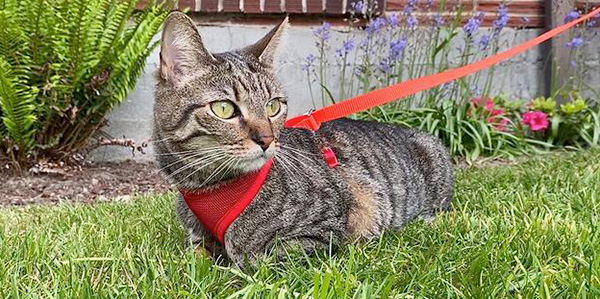
Credit: www.preventivevet.com
Choosing The Right Equipment
Start by selecting a comfortable harness for your cat. Ensure it fits snugly but isn’t too tight. Pair it with a lightweight, durable leash for safe outdoor adventures.
Training your cat to walk on a leash can open up a world of adventure for both of you, but it all starts with choosing the right equipment. Without the proper gear, your cat might feel uncomfortable or even scared, making the process challenging. Selecting a harness and leash that your feline friend feels good about is crucial to making your outdoor excursions enjoyable and safe. So, how do you ensure your cat is both secure and comfortable? Let’s break it down step by step.Selecting The Ideal Harness
Picking the right harness is like finding the perfect pair of shoes—it needs to fit just right. A harness should be snug but not tight, allowing your cat to move freely while preventing any escape attempts. Measure your cat’s chest and neck to ensure the harness fits well. Look for harnesses labeled as “escape-proof” or “cat-specific” since cats are notorious for their Houdini-like abilities. A vest-style harness often works well, distributing pressure evenly across your cat’s body. I remember choosing a harness for my cat, Luna, and realizing that the vest style made her feel more secure and less stressed.Finding The Perfect Leash
Once you have the harness sorted out, the next step is to find a suitable leash. You’ll want something lightweight yet sturdy enough to withstand unexpected tugs. A 4 to 6-foot leash is usually ideal, offering a balance between freedom and control. Consider a retractable leash for more flexibility, but be cautious—it can be tricky to manage if your cat suddenly bolts. A non-retractable leash can provide better control, especially in busy or unpredictable environments. Imagine walking your cat in a park and needing to quickly guide them away from a curious dog; a non-retractable leash can make this much easier. Ultimately, the goal is to ensure your cat feels secure and you feel confident in managing them. Have you ever thought about how the right equipment could transform your outdoor adventures with your cat? It might just make all the difference.Getting Your Cat Comfortable
Introduce your cat to the leash indoors first. Offer treats to encourage calm behavior. Gradually move outside for short walks.
Getting Your Cat Comfortable with a leash can be an exciting journey. Cats are creatures of habit, and introducing them to new experiences requires patience and persistence. It’s not just about the leash; it’s about building trust and creating a safe space for your feline friend. Before you know it, your cat could be strutting alongside you, enjoying the great outdoors. Let’s dive into how you can make this transition smooth and enjoyable for both you and your cat.Introducing The Harness
Introducing your cat to the harness is the first step. Choose a harness that is specifically designed for cats, ensuring it’s the right fit. A snug but comfortable fit is key. Remember, if the harness is too tight, your cat won’t enjoy wearing it. Let your cat explore the harness. Place it in their favorite lounging area. Allow them to sniff and inspect it on their own terms. You might be surprised at how curious they become! Try associating the harness with positive experiences. You can do this by giving your cat a treat each time they interact with the harness. This creates a positive association, encouraging them to engage with it willingly.Practicing Indoors
Start practicing indoors once your cat is comfortable with the harness. Begin with short sessions. Clip the leash onto the harness and let them wander around your living room. This helps them get used to the feeling of being tethered. Keep the environment calm and familiar. Loud noises or sudden movements can frighten your cat, making them reluctant to continue. Maintain a serene atmosphere to help them adjust peacefully. Observe your cat’s behavior closely. Are they pulling or trying to escape? Adjust your approach based on their comfort level. If they’re happy and relaxed, increase the duration gradually. Think about your own experiences. Remember the first time you tried something new? How did you feel? Your cat is going through the same emotions. Be patient and supportive. Create a routine. Practice regularly to help your cat form habits. Soon enough, they’ll look forward to these indoor leash sessions, feeling more at ease each time. Have you ever wondered what adventures await once your cat masters the leash? Imagine the bonding time and shared experiences. Training a cat to walk with a leash opens doors to a new world for both of you.Teaching Basic Commands
Training your cat to walk with a leash involves patience and practice. Start indoors with a comfortable harness. Gradually introduce the leash, allowing your cat to explore while you gently guide them.
Teaching basic commands is a crucial step in training your cat to walk with a leash. This process isn’t just about helping your feline friend understand the rules; it’s about building a bond between you and your cat. By teaching commands, you’re laying the groundwork for a rewarding and enjoyable experience for both of you. Your cat will learn to trust and follow your guidance, making outdoor adventures smoother and more fun. Let’s dive into how you can effectively teach basic commands to your cat.Using Positive Reinforcement
Positive reinforcement is your best friend when teaching commands. Cats respond well to rewards, whether it’s a tasty treat or a gentle pat. When your cat obeys a command, immediately reward them. Consistency is key. If your cat associates the command with a positive outcome, they’ll be more likely to repeat the behavior. Keep rewards handy during training sessions so you can act quickly. Think about the last time you learned something new. Wasn’t it easier when you received encouragement? Your cat feels the same way. Celebrate small victories to keep them motivated.Establishing Simple Commands
Start with simple commands like “sit” or “stay”. These are foundational and easy for your cat to grasp. Use clear words and consistent gestures to avoid confusion. Timing is crucial. Deliver commands when your cat is focused and calm. Avoid training when your cat is stressed or distracted. Have you ever noticed how cats respond to your tone of voice? Use a calm and firm tone when giving commands. Your voice should convey certainty and expectation. Remember, patience and practice are your allies. Each cat learns at their own pace. Don’t rush the process; instead, enjoy the journey together. Do you think your cat will surprise you with their ability to learn? With dedication, you’ll be amazed at how quickly they catch on.Starting Outdoor Adventures
Introduce your cat to the wonders of the outdoors by training it to walk with a leash. Start in a quiet space, using treats and gentle encouragement. Gradually extend the adventures, ensuring your cat feels safe and curious.
Starting outdoor adventures with your cat can be exciting. It opens up a whole new world for them. Walking on a leash helps cats explore safely. It keeps them active and curious. This journey requires patience and preparation. Let’s dive into how to start these adventures.Choosing Safe Locations
Pick quiet places for your first outings. Parks and gardens work well. Avoid busy streets. Noise can scare your cat. Ensure the area is secure. Look for safe spots to explore. Check for potential dangers. Keep your cat away from dogs and traffic. Safety is crucial for a stress-free adventure.Gradually Increasing Distance
Begin with short walks. Start near home. Let your cat adjust slowly. Gradually increase the distance. Watch their comfort level. Don’t rush the process. Take cues from your cat’s behavior. Increase distance as they become confident. Patiently build up to longer adventures. Enjoy the journey together.Handling Challenges
Training a cat to walk with a leash can be challenging. Cats are not naturally inclined to follow rules like dogs. They have their unique personalities and preferences. While some cats take to a leash readily, others resist. It’s essential to understand and handle these challenges effectively. Patience and consistency play a vital role in success.
Dealing With Resistance
Cats might resist the leash at first. They may feel uncomfortable or scared. Start by introducing the harness indoors. Let your cat sniff and explore it. Reward any positive interaction with treats. Gradually, put the harness on for short periods. Ensure it fits snugly but not too tight. Always associate the harness with positive experiences. Use treats, play, or gentle words. This helps ease their resistance over time.
Managing Distractions
Outdoor environments are full of distractions. Birds, insects, and noises can easily divert attention. Choose a quiet area for initial walks. Avoid crowded or noisy places. Keep the first few sessions short and enjoyable. Encourage focus using favorite treats or toys. If your cat gets distracted, gently guide them back. Reinforce calm behavior with rewards. Gradually increase exposure to different settings. This helps build confidence and attention span.

Credit: www.youtube.com
Ensuring Safety During Walks
Walking your cat on a leash can be a wonderful experience. But keeping your cat safe is crucial. Cats can be curious and sometimes unpredictable. Ensuring safety helps prevent accidents and stress. Let’s dive into some key safety tips.
Monitoring Weather Conditions
Check the weather before heading out. Rain or snow can make paths slippery. Extremely hot days can burn your cat’s paws. Use the back of your hand to test the ground’s temperature. Cold weather can be harsh too. Ensure your cat stays comfortable and dry.
Protecting Against Hazards
Be aware of potential hazards during walks. Avoid busy roads and loud noises. They can frighten your cat. Stay away from toxic plants and chemicals. Keep an eye on stray dogs or wild animals. They might pose a threat. Always keep your cat close and secure.
Maintaining A Routine
Training your cat to walk with a leash requires a consistent routine. Start with short indoor sessions, gradually increasing time and distance. Patience and treats help make the experience enjoyable for your feline friend.
Maintaining a routine is crucial for training your cat to walk with a leash. Cats thrive on consistency and predictability. Establishing a routine helps them feel secure and confident. A structured approach makes the learning process smoother for both you and your cat. Let’s explore how you can maintain a successful routine.Scheduling Regular Walks
Set a fixed time for daily walks. Choose a quiet part of the day. This helps your cat anticipate and enjoy the walk. Consistency builds trust and reduces anxiety. Start with short sessions. Gradually increase the duration as your cat gets comfortable. Regular walks also enhance your bond. They provide exercise and mental stimulation.Evaluating Progress
Observe your cat’s behavior during walks. Look for signs of stress or enjoyment. Adapt the routine based on these observations. Keep a journal to track your cat’s progress. Note any challenges or successes. Evaluate the pace of your training. Make adjustments if necessary. Celebrate small achievements. They motivate both you and your cat.
Credit: www.bluebuffalo.com
Frequently Asked Questions
How Hard Is It To Train A Cat To Walk On A Leash?
Training a cat to walk on a leash can be challenging. Cats may resist initially, requiring patience and consistency. Start indoors, using positive reinforcement with treats and praise. Gradually, introduce outdoor walks. Some cats adapt quickly, while others may never fully enjoy it.
Each cat’s temperament greatly influences success.
Is It A Good Idea To Walk Your Cat On A Leash?
Walking your cat on a leash can be beneficial. It provides exercise and mental stimulation. Cats can explore safely and enjoy the outdoors. Start with short walks to acclimate your cat. Ensure the harness fits securely and comfortably. Always supervise your cat to prevent any accidents or stress.
What Is The Best Age To Leash Train A Cat?
Cats can be leash trained from 8 weeks old. Start with short sessions and positive reinforcement. Early training helps kittens adapt quickly. Older cats can also learn, but may require more patience. Always use a harness for safety.
How To Teach A Cat To Walk On A Leash Without A Harness?
Training a cat to walk on a leash without a harness is not recommended. Harnesses provide safety and control. Using a harness ensures your cat’s comfort and security, reducing stress. Always prioritize your cat’s well-being and safety during outdoor activities.
Conclusion
Training your cat to walk with a leash is possible. It just takes time and patience. Start slow and let your cat adjust. Use treats and praise as motivation. Remember, every cat is unique. Some may learn faster than others.
Keep sessions short to avoid stress. Create a positive experience for your cat. Always prioritize safety and comfort. Enjoy the journey together. Walking on a leash can strengthen your bond. Plus, it offers your cat a new adventure. With practice, your cat will enjoy walks.
Happy training!

Similar Posts