Is My Cat Stressed Or Sick: Signs & Solutions
Is your furry friend acting a bit out of sorts? It’s not always easy to tell if your cat is simply having an off day or if something more serious is going on.
You might notice changes in behavior, appetite, or energy levels, and find yourself wondering, “Is my cat stressed or sick? ” Don’t worry, you’re not alone. Many cat owners face this dilemma and understanding the subtle signs can make a big difference in your pet’s well-being.
Imagine the peace of mind you’ll have when you can confidently interpret your cat’s signals. It might be the difference between a simple adjustment at home or an urgent trip to the vet. This article will guide you through the telltale signs of stress and illness in cats, helping you become the expert your feline friend needs. Let’s dive into the clues and discover what your cat might be trying to tell you.
Credit: www.petmd.com
Identifying Stress In Cats
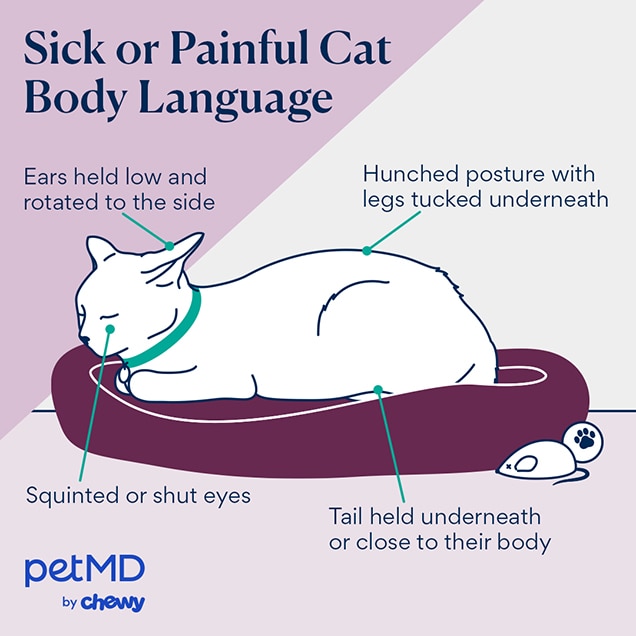
Your cat’s behavior might be telling you something important. Cats are known for being independent and sometimes mysterious creatures, but they can also experience stress just like humans. Identifying stress in your cat is crucial for maintaining their health and well-being. As a cat owner, it’s essential to be aware of the signs that might indicate your feline friend is stressed. But how do you distinguish between stress and illness? Let’s break it down under these categories.
Behavioral Changes
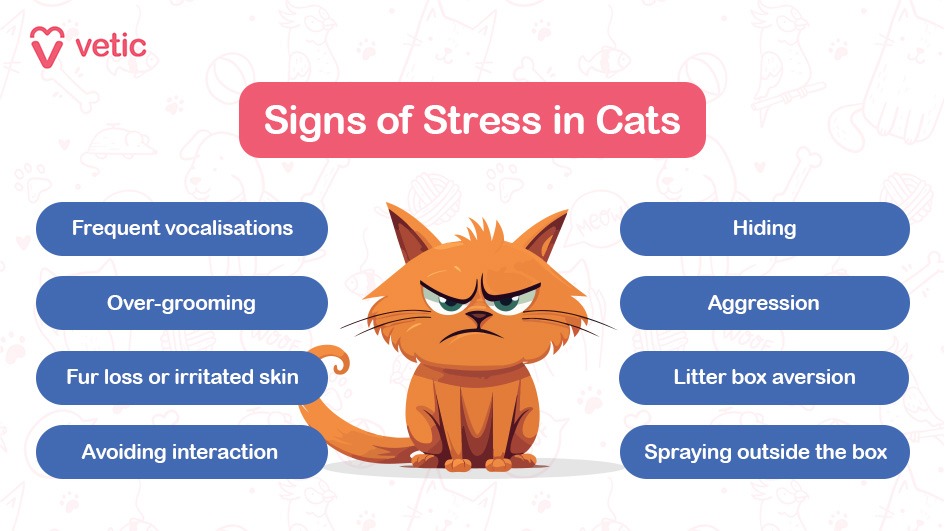
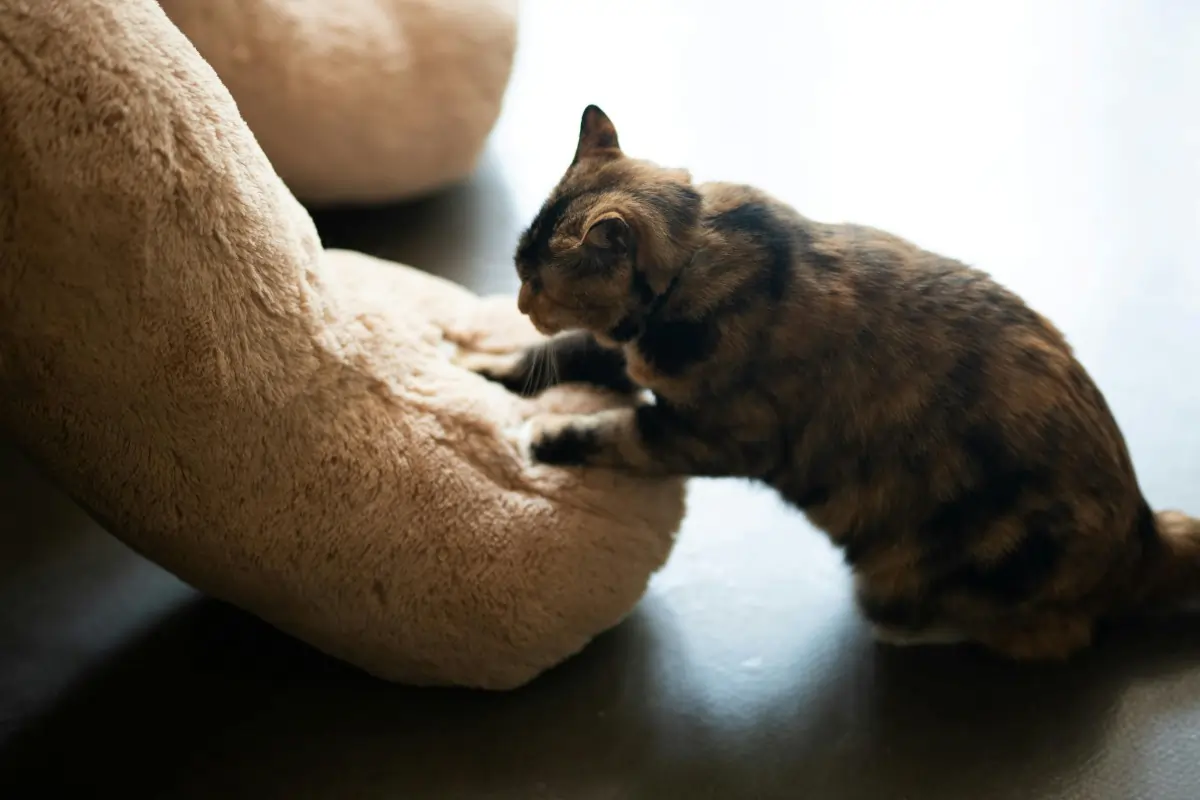
Is your cat acting differently? Changes in behavior are often the first signs of stress. Notice if your cat is hiding more than usual or avoiding interaction with you. Increased aggression or excessive meowing can also be red flags. My cat, Whiskers, once started scratching furniture obsessively, which was unusual for him. After addressing some environmental stressors, he returned to his usual calm demeanor. Pay attention to any shifts in how your cat normally behaves.
Physical Symptoms
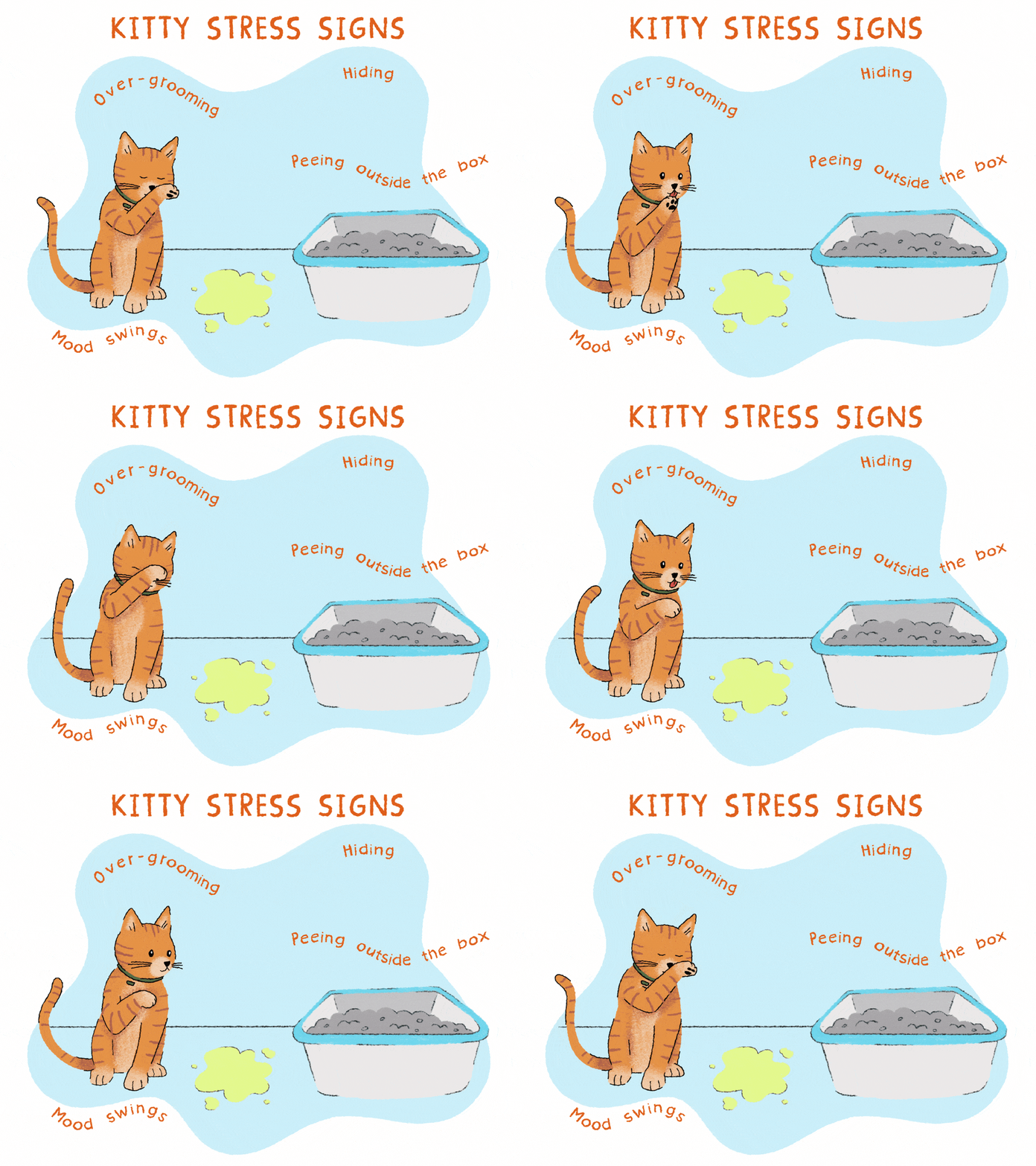
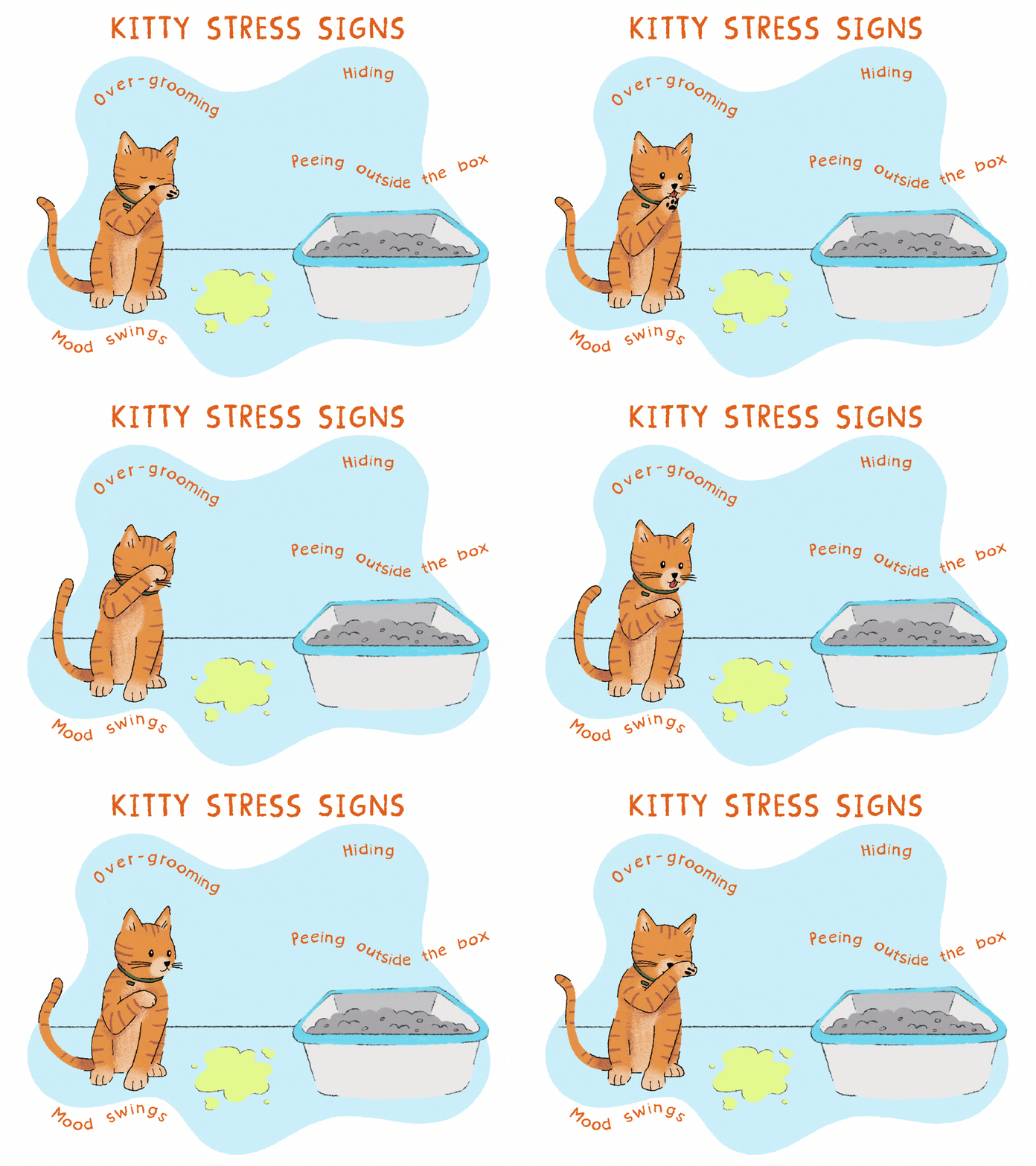
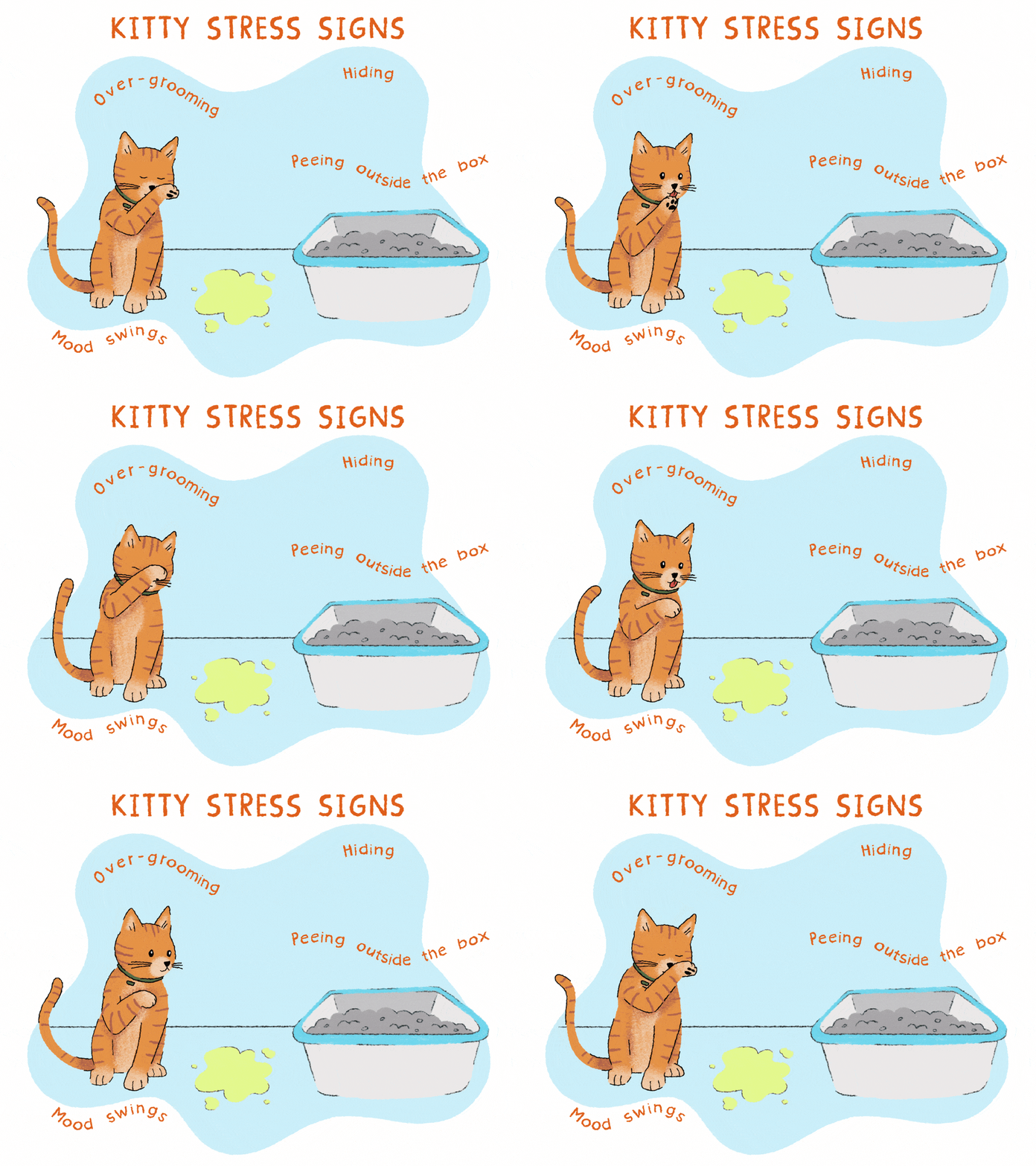
Stress can manifest physically. Look for symptoms like excessive grooming, which might lead to bald patches on their coat. Vomiting or diarrhea could also occur. Is your cat suddenly refusing food or water? These could be signs of stress or illness. When Whiskers started losing weight, I initially thought he was sick, but it turned out he was stressed by a noisy renovation next door. Physical symptoms need immediate attention to rule out sickness and address stress.
Environmental Factors
Your cat’s environment plays a significant role in their stress levels. Have there been any recent changes in your household? New pets, unfamiliar visitors, or alterations in routine can stress your cat. Are you remodeling your home or frequently moving furniture? Cats thrive on stability and predictability. When Whiskers seemed agitated, I discovered it was due to the new puppy we had adopted. Consider if any environmental factors could be affecting your cat’s sense of security.
What steps can you take to alleviate your cat’s stress? Maintaining a consistent routine and creating a safe, quiet space for them might help. Addressing the root cause of stress is vital for your cat’s happiness and health.
Credit: www.petmd.com
Recognizing Illness In Cats
Recognizing illness in cats can be a challenging task for pet owners. Cats often hide their pain and discomfort well. This makes it crucial to observe any unusual behavior. Understanding the signs of illness in your cat can make a difference. It ensures timely medical attention and care. Let’s explore some common health issues and symptoms you should watch for.
Common Health Issues
Cats can suffer from various health problems. These include urinary tract infections, respiratory issues, and dental diseases. They can also have skin allergies or parasitic infections. Regular check-ups can help prevent these health issues. A healthy diet and clean living space are also essential. These steps can minimize the risk of common ailments.
Symptoms Of Sickness
Several symptoms can indicate your cat is unwell. Watch for changes in appetite or weight. Vomiting and diarrhea are also red flags. Lethargy or hiding more than usual can signal illness. Sneezing, coughing, or difficulty breathing are concerns too. Notice if your cat is drinking more or less water. These signs require attention and may need a vet visit.
When To Consult A Vet
Consult a vet if you notice persistent symptoms. Rapid breathing, bleeding, or severe pain require immediate attention. If your cat stops eating for more than 24 hours, seek help. Unexplained weight loss or gain is also a concern. The sooner a vet evaluates these symptoms, the better for your cat’s health. Don’t delay in seeking professional advice.
Stress Vs. Sickness: Key Differences
Distinguishing between a stressed or sick cat can be challenging. Signs of stress include hiding, changes in appetite, and excessive grooming. Illness might show as vomiting, diarrhea, or lethargy. Understanding these differences helps ensure your cat’s health and happiness.
Stress and sickness in cats can look similar. But there are key differences. Understanding these differences is vital for your pet’s well-being. Stress affects behavior and emotional health. Sickness impacts physical health. Knowing what signs to look for helps in identifying the problem early.Comparing Symptoms
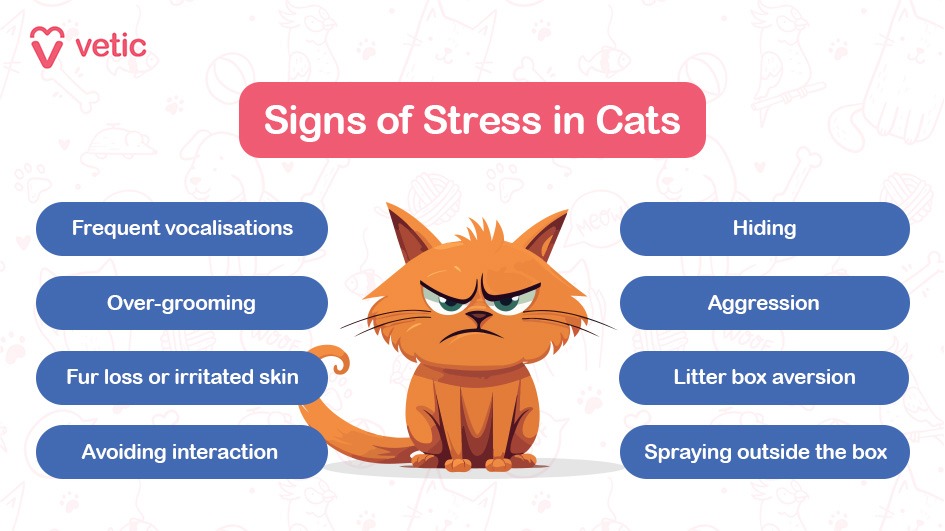
Cats show stress through behavior changes. Look for hiding or aggression. They might groom excessively. Sickness can show in physical symptoms. Vomiting and diarrhea are common signs. Loss of appetite is another indicator. Both stress and sickness can cause lethargy.Understanding Causes
Stress can be caused by changes in the environment. New pets or people can stress a cat. Loud noises and lack of privacy also lead to stress. Sickness usually comes from infections or diseases. Parasites and viruses are common causes. Poor diet can also make a cat sick.Importance Of Timely Intervention
Acting quickly can prevent serious issues. Stress can lead to long-term health problems. Sickness can worsen without treatment. Regular vet check-ups are crucial. They help catch problems early. Early action improves recovery chances. Your cat’s health depends on your vigilance.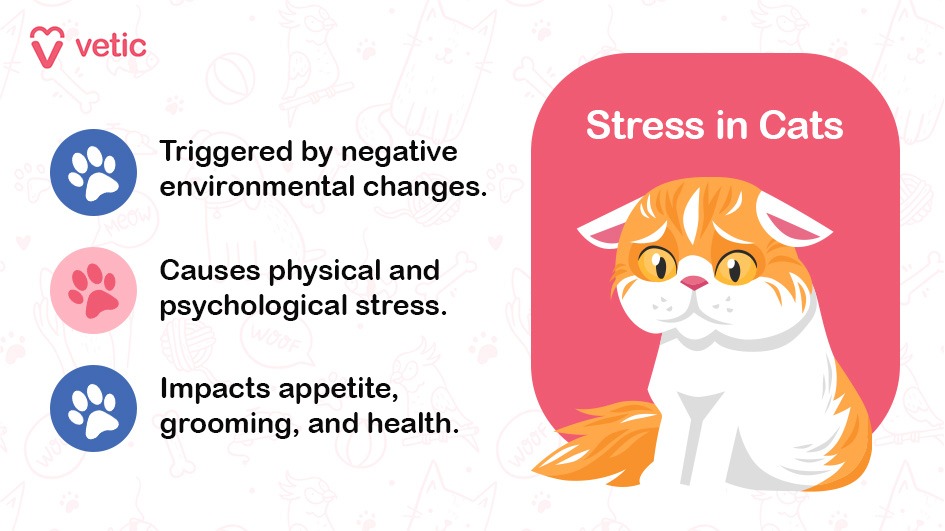
Credit: vetic.in
Solutions For Stressed Cats
Cats experience stress, just like humans. Identifying stress signs can help. Solutions exist to soothe a stressed feline friend. Adjustments in environment, play, and diet can work wonders. Addressing these needs may lead to a happier cat.
Creating A Calm Environment
A calm space helps a stressed cat relax. Provide a quiet area free from loud noises. Soft beds or blankets are comforting. Cats enjoy perches to view surroundings safely. Safe spaces can be a room or a cozy corner. Avoid sudden changes in their environment.
Interactive Play And Exercise
Interactive play keeps cats active and engaged. Toys that mimic prey stimulate their instincts. Wand toys and laser pointers are fun. Play sessions should be regular. Exercise helps reduce stress and boredom. Variety in play keeps them excited.
Diet And Nutrition Adjustments
Diet impacts a cat’s stress levels. Ensure they have a balanced diet. Some foods can calm stressed cats. Offer treats sparingly to prevent weight gain. Always provide fresh water. Consult a vet for dietary changes if needed.
Treating Sick Cats
Understanding when your cat is sick is essential for their well-being. Treating sick cats requires a focused approach. This includes medication, home care, and monitoring recovery. Each step plays a crucial role in ensuring your cat’s health. Let’s explore how to effectively manage these aspects.
Medication And Veterinary Care
Always consult a veterinarian for accurate diagnosis. They prescribe medication tailored to your cat’s needs. Follow dosage instructions carefully. Never give human medicine to cats. It can be harmful. Regular check-ups ensure proper recovery. Your vet may suggest further tests. This ensures your cat gets the best care possible.
Home Care Tips
Provide a comfortable environment for your cat. Ensure they have a quiet space. Keep their bedding clean and cozy. Fresh water is essential. Hydration aids recovery. Offer small, frequent meals. It helps maintain energy levels. Monitor your cat’s behavior closely. Look for changes in eating or sleeping habits.
Monitoring Recovery
Keep track of your cat’s progress. Note improvements or setbacks. Regular updates help the vet adjust treatment. Watch for signs of pain or discomfort. Is your cat’s energy returning? Are they eating better? These are positive signs. Be patient. Recovery can take time. Celebrate small victories along the way.
Preventive Measures
Cats, like humans, need a healthy environment to thrive. Keeping a cat stress-free and healthy is crucial. Stress or sickness can harm their quality of life. Preventive measures are essential to ensure your cat’s well-being.
Regular Health Check-ups
Regular vet visits are crucial for your cat’s health. These check-ups help catch problems early. A vet can check for hidden issues. They also provide vaccines and parasite prevention.
Routine exams ensure your cat stays healthy. They offer peace of mind for you. Schedule at least one visit per year.
Stress Reduction Techniques
Cats can get stressed from changes in their environment. Introduce new items slowly. Provide a quiet space for your cat to relax.
Interactive toys can engage your cat. They help reduce stress through play. Ensure your home is a calm place.
Healthy Lifestyle Practices
A balanced diet is vital for your cat. Choose high-quality food with essential nutrients. Fresh water should always be available.
Exercise keeps your cat active. Encourage playtime daily. A fit cat is often a happy cat.
Maintain a clean litter box. Cats prefer a tidy space. This prevents stress and promotes good habits.
Frequently Asked Questions
What To Do If My Cat Is Stressed Out?
Create a calm environment with soft music and low lighting. Offer interactive toys to distract and engage your cat. Use pheromone diffusers to promote relaxation. Provide a quiet space for them to retreat. Consult a vet if stress persists.
What Is The 3-3-3 Rule For Cats?
The 3-3-3 rule for cats describes their adjustment period after adoption. It means 3 days to decompress, 3 weeks to start settling, and 3 months to fully adjust to their new home. This timeframe helps new cat owners understand and support their pet’s transition.
What Are The Symptoms Of A Stressed Cat?
Stressed cats may show signs like excessive grooming, hiding, or aggression. They might also avoid the litter box, lose appetite, or vocalize more. Changes in sleep patterns and increased scratching are common. Look for physical signs such as dilated pupils and a tense posture.
What Is Acute Stress In Cats?
Acute stress in cats is a sudden, intense response to immediate threats or changes. Symptoms include hiding, aggression, or excessive grooming. These reactions help cats cope with perceived dangers quickly. Identifying stressors and providing a safe environment can help alleviate acute stress in cats effectively.
Conclusion
Recognizing stress or illness in your cat is crucial. Pay attention to changes. Eating habits, grooming, and energy levels are key indicators. Consult a vet if unsure. Early intervention can make a difference. Cats often hide discomfort well. Observing your cat closely helps.
Trust your instincts. A happy, healthy cat brings joy. Regular vet check-ups are essential. They ensure your cat’s well-being. A little care can go a long way. Prioritize your furry friend’s health. Stay informed and attentive. Your cat relies on you.

Similar Posts