How to Calm a Cat With Anxiety: Proven Strategies
Is your feline friend showing signs of stress or anxiety? You know your cat best, and when their usual playful or relaxed demeanor shifts to one of unease, it’s only natural to feel concerned.
Cats, like humans, can experience anxiety that affects their well-being. But don’t worry—you’re not alone in this. Many cat owners face the challenge of calming an anxious kitty, and there are effective ways to help your furry companion feel at ease.
In this guide, you’ll discover simple yet powerful techniques to soothe your cat’s anxiety and restore peace to your home. Curious to learn how you can make a difference in your cat’s life? Let’s dive into the solutions that can bring comfort to your beloved pet.
Signs Of Cat Anxiety
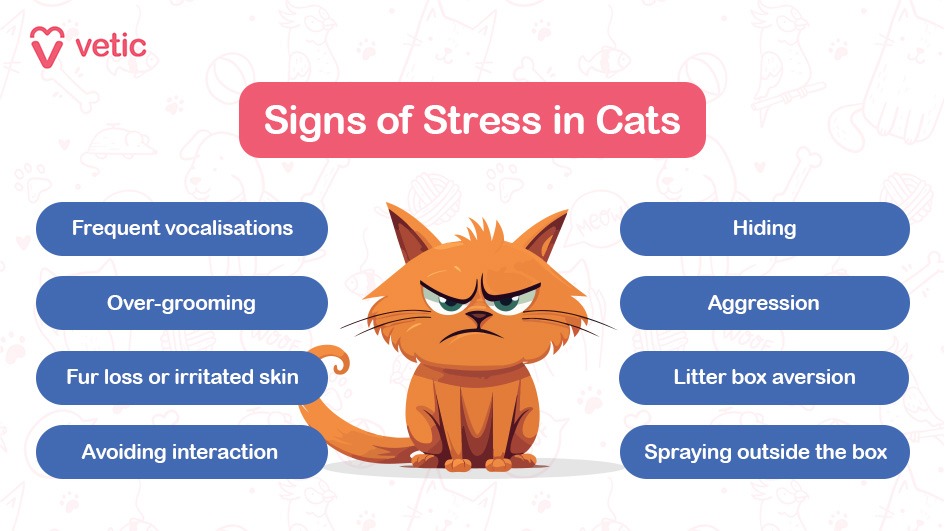
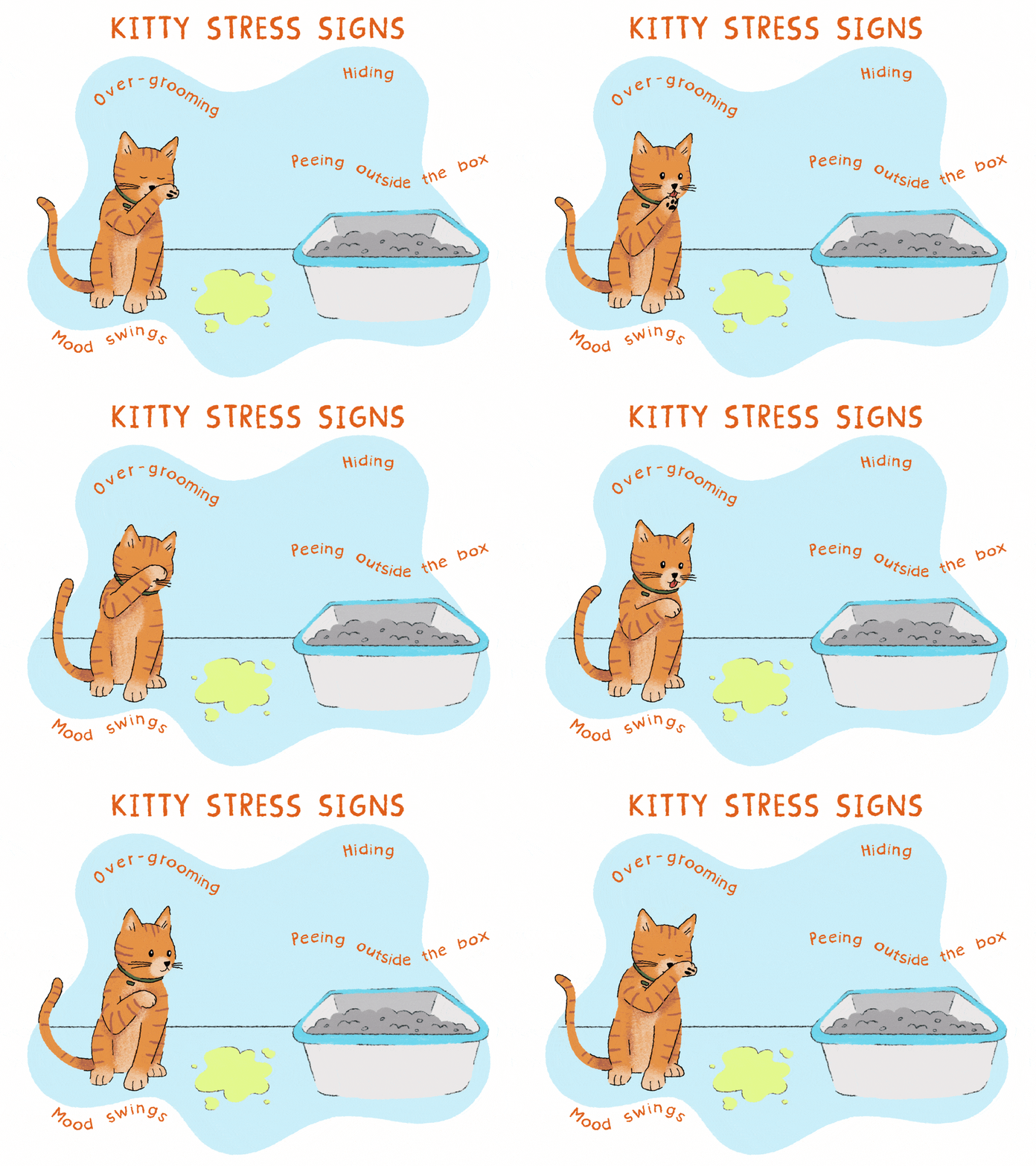
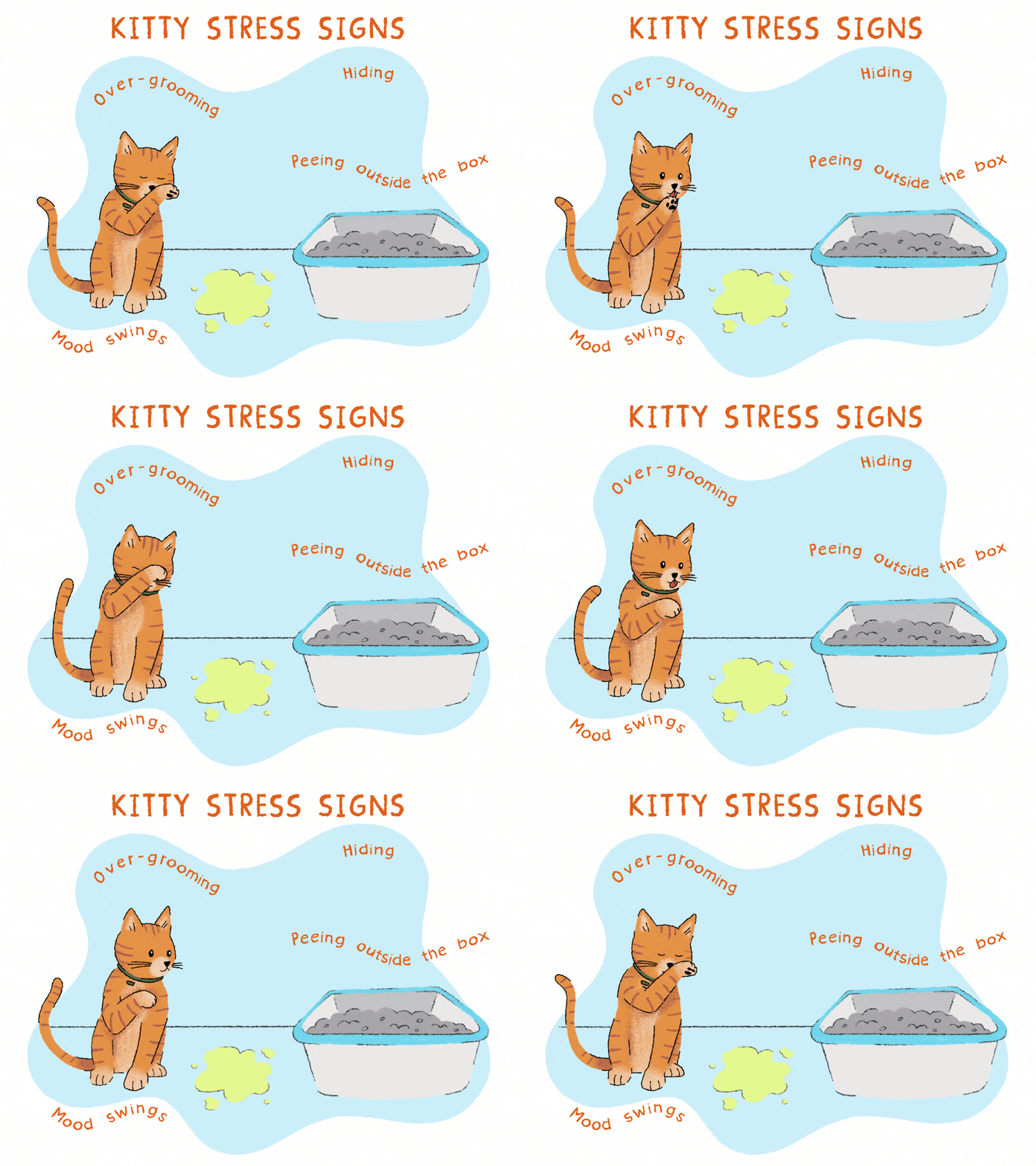
Understanding cat anxiety is crucial for pet owners. Cats can experience stress due to various factors. Recognizing the signs of anxiety helps in addressing the issue early. Cats show their discomfort in different ways, both behaviorally and physically.
Behavioral Indicators
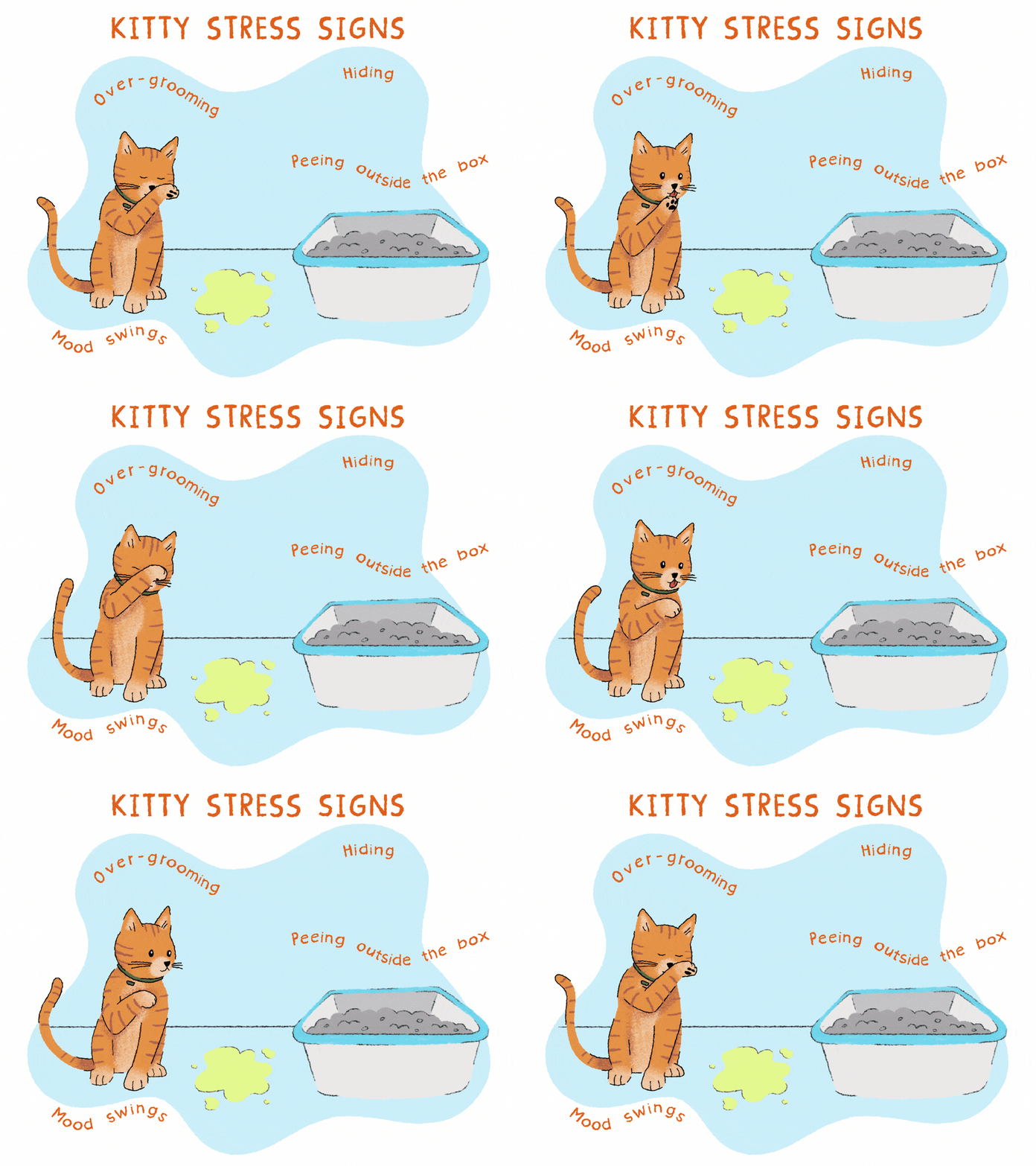
Cats may hide more often when anxious. They can show aggression towards people or other pets. Unexplained changes in their routines are common. Frequent grooming, even to the point of bald spots, can occur. Restlessness or a lack of interest in play might be evident. Vocalizing more than usual is also a sign. Clinginess or increased need for attention may develop.
Physical Symptoms
Physical changes can signal anxiety in cats. Excessive shedding is one common symptom. Vomiting or diarrhea might happen during stress periods. Changes in appetite or weight could be noticeable. A cat might show signs of lethargy or fatigue. Frequent urination or spraying outside the litter box indicates stress. Dilated pupils and rapid breathing are also signs. Shaking or trembling can be another physical response.
Credit: www.petmd.com
Creating A Safe Environment
Crafting a cozy space helps soothe anxious cats. Soft bedding and gentle lighting create a calm atmosphere. Adding familiar scents and toys can provide extra comfort, reducing stress and promoting relaxation.
Creating a safe environment is vital for cats with anxiety. A calm setting helps them relax and feel secure. Cats are sensitive creatures. They react to changes in their surroundings. Anxiety can arise from unfamiliar noises or lack of comfort. Providing a safe haven can reduce their stress and improve their well-being.Comfortable Spaces
Cats need cozy spaces to feel at ease. Create quiet corners with soft bedding. Use blankets or cushions they like. Consider a cat tree or perch. High places make cats feel safe. Enclosed spaces like boxes or carriers provide security. Cats love hiding spots. Make these areas accessible and inviting.Reducing Noise And Stress
Loud noises can trigger anxiety in cats. Keep the home environment quiet. Avoid sudden sounds that startle them. Use calming music or white noise. These can mask outside disturbances. Create routines to minimize stress. Predictable schedules offer comfort. Limit exposure to stressors. Keep windows closed if outside noise is bothersome. By focusing on these elements, you can create a serene environment. This will help ease your cat’s anxiety.Diet And Nutrition
Proper diet and nutrition help calm a cat with anxiety. Balanced meals support their physical health and emotional well-being. A consistent feeding schedule also provides comfort and routine.
Understanding the role of diet and nutrition in managing your cat’s anxiety can be a game-changer. Just like humans, cats are affected by what they eat, and the right diet can support their mental well-being. Have you ever noticed your cat feeling more anxious after a certain meal? It’s not just a coincidence. By paying attention to what goes into their bowl, you can help soothe their nerves.Foods To Avoid
Some foods can trigger or worsen anxiety in cats. Avoid feeding your cat anything with high levels of sugar. While you might enjoy a sweet treat, it’s not good for your feline friend. Sugary foods can lead to energy spikes and crashes, increasing stress levels. Another ingredient to steer clear of is caffeine. You might love your morning coffee, but caffeine can be harmful and unsettling for cats. It can lead to agitation and restlessness. Additionally, artificial additives and preservatives can affect your cat’s mood. Opt for natural, whole foods when choosing their meals. A well-balanced diet without unnecessary chemicals can make a big difference.Supplements For Relaxation
Consider adding supplements that promote relaxation. Omega-3 fatty acids are known to support brain health and can help calm an anxious cat. You can find these in fish oils and some high-quality cat foods. Another supplement to explore is L-theanine, which is found in green tea. It’s known for its calming effects and might help soothe your cat’s nerves. Always consult your vet before adding supplements to ensure they’re safe and appropriate for your pet. Have you ever tried CBD oil for pets? It’s gaining popularity for its potential to reduce anxiety. While it’s not a magic solution, some cat owners report seeing positive results. Just ensure you choose products specifically made for animals. By fine-tuning your cat’s diet and thoughtfully selecting supplements, you can contribute to a more relaxed and happy feline friend. What changes will you make today to help your cat feel more at ease?Interactive Play And Exercise
Cats with anxiety can benefit from interactive play and exercise. These activities help divert their focus, reducing stress levels. Simple toys or gentle play sessions can create a calming effect, promoting relaxation and well-being in anxious cats.
Cats, much like humans, can experience anxiety, and it’s essential to offer them a calming environment. One of the most effective ways to ease your feline friend’s stress is through interactive play and exercise. These activities not only distract your cat but also help release pent-up energy, promoting relaxation. Engaging your cat in playful activities can be both fun and therapeutic for both of you. Let’s dive into some practical tips to help your anxious cat through interactive play and exercise.Engaging Toys
Engaging toys can work wonders for an anxious cat. It’s not just about tossing a ball or dangling a string; it’s about creating a stimulating experience. Consider toys that mimic prey, like feather wands or motorized mice. These can trigger your cat’s natural hunting instincts, providing both mental and physical stimulation. Catnip-infused toys can be particularly effective. Many cats find catnip irresistible, and it can have a calming effect. Rotate toys regularly to keep your cat’s interest piqued. Have you ever noticed your cat ignoring toys after a while? It’s often because they need variety, so ensure you mix things up!Routine Activities
Establishing routine activities can be grounding for your cat. Just like us, cats thrive on routine. Set aside a specific time each day for play and exercise. This predictability can reduce anxiety, as your cat knows what to expect. Incorporate simple activities like chasing a laser pointer or rolling a ball. These can be quick yet effective in releasing energy. Have you ever seen your cat dash across the room in pursuit of a laser dot? It’s a great way to engage them physically and mentally. Creating a routine can also help strengthen your bond. Your cat will appreciate the time you dedicate to them, and this shared experience can be comforting. Do you have a favorite playtime game with your cat? Share it with them consistently, and watch as their anxiety diminishes. Interactive play and exercise are not just solutions for your cat’s anxiety; they are opportunities for you to connect and create lasting memories. As you explore different toys and establish routines, you’ll find what truly helps your feline friend feel safe and secure.Natural Remedies
Calming an anxious cat can be achieved with natural remedies. Try using chamomile tea or lavender oil to create a soothing environment. These gentle approaches help reduce stress and promote relaxation in your feline friend.
Cats, like humans, can experience anxiety. It’s important to address this issue with care, as it affects their overall well-being. Natural remedies offer a gentle approach to soothing your cat’s stress. These methods can be effective in calming your furry friend without resorting to medication. Let’s explore some natural options that might help alleviate your cat’s anxiety.Herbal Solutions
Herbs can be a safe and effective way to help your cat relax. Valerian root is known for its calming properties, and many pet owners swear by its effectiveness. You can find it in pet stores as a supplement or tea. Chamomile is another herb that can ease anxiety. It’s often found in calming sprays or treats designed for cats. Try adding a bit to your cat’s food or water. It’s a simple change that might make a big difference. Have you ever tried catnip for your anxious kitty? While it excites some cats, it has a calming effect on others. It might be worth experimenting to see how your cat responds.Aromatherapy
Aromatherapy isn’t just for humans. Essential oils can be beneficial for cats too. Lavender oil is known for its soothing scent. You can diffuse it in the room where your cat spends most of its time. Consider using chamomile oil, which is gentle enough for cats. A small drop on their bedding can create a peaceful environment. Ensure the oils are safe for pets and used in moderation. Have you noticed how scents can change moods? The aroma of certain oils can help create a calming atmosphere for your cat. Always monitor your cat’s reaction to new scents and adjust accordingly. Natural remedies can offer effective solutions for cat anxiety. They provide a holistic approach to improving your cat’s emotional health. What natural methods have you tried for your anxious cat? Your experiences might inspire others.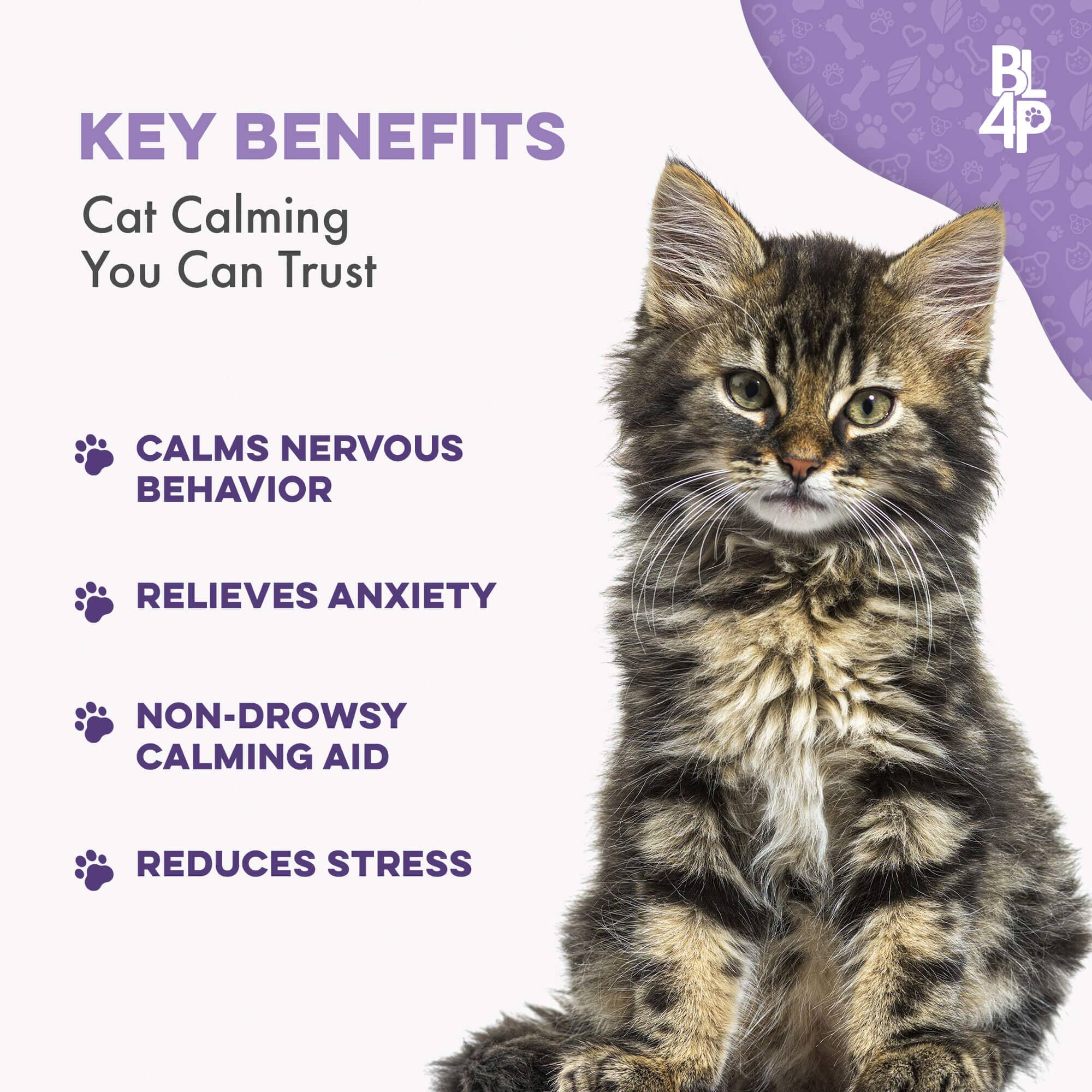
Credit: www.bestlife4pets.com
Professional Help
Professional help can ease a cat’s anxiety through expert strategies. Vets offer calming techniques tailored to each feline’s needs. A stress-free environment enhances a cat’s well-being.
Cats can experience anxiety just like humans. This can be distressing for both the pet and the owner. While there are many ways to help an anxious cat at home, sometimes professional help is needed. Professionals can provide guidance and treatment options to calm your furry friend.Consulting A Veterinarian
A veterinarian can identify the root cause of your cat’s anxiety. They may perform tests to rule out medical issues. After diagnosis, they may suggest medications or supplements. These can help manage anxiety effectively. Veterinarians have experience with various cat behaviors. They can recommend specific treatments tailored to your cat’s needs. Consulting a vet ensures you get expert advice.Behavioral Therapies
Behavioral therapies can significantly help an anxious cat. A trained animal behaviorist can observe your cat’s actions. They identify triggers causing stress. These professionals design a customized plan for your cat. This plan may include environmental changes or training. Positive reinforcement techniques can also be part of the plan. These methods help your cat feel safe and secure. Regular sessions with a behaviorist can lead to noticeable improvements. They provide ongoing support and adjustments as needed. This ensures your cat’s anxiety decreases over time.Consistency In Routine
Establishing a consistent routine helps calm a cat with anxiety. Regular feeding and playtimes provide stability. This predictability can reduce stress and create a more relaxed environment for your feline friend.
Consistency in routine can be a game-changer for a cat with anxiety. Just like humans, cats thrive on predictability. Establishing a stable environment helps them feel secure and reduces stress. Creating a consistent routine isn’t just about feeding times; it’s about crafting a day that your cat can count on. Imagine how unsettling it would be if every day felt unpredictable. Your anxious cat feels the same way. Consistency offers comfort and familiarity, like a warm blanket on a chilly night.Daily Schedule
A daily schedule is crucial for calming an anxious cat. Feed your cat at the same times every day. This simple act gives them something to look forward to and signals that all is well in their world. Plan play sessions in the evening when your cat is naturally more active. Engage in activities they enjoy, like feather toys or laser pointers. This not only tires them out but also strengthens your bond. Ensure litter box cleaning is part of the daily routine. Cats are fastidious creatures and appreciate a clean environment. This small act can significantly reduce their anxiety.Predictable Interactions
Predictable interactions build trust and security. Approach your cat gently and consistently, using a calm voice. This reassures them that they are safe in your presence. Consider how you greet your cat each day. A soft, soothing voice can make a world of difference. It’s like telling your cat, “I’m here, and you’re okay.” Regular grooming sessions can also provide comfort. Brushing not only reduces shedding but also mimics the comforting sensation of being licked by another cat. This routine can become a bonding moment your cat looks forward to. Does your cat have a favorite spot to relax? Respect their space and allow them to retreat there when they need quiet time. Predictability in your actions reinforces their sense of security. By focusing on consistency, you can create a comforting environment for your anxious cat. What routines can you start today to make your cat feel more at ease?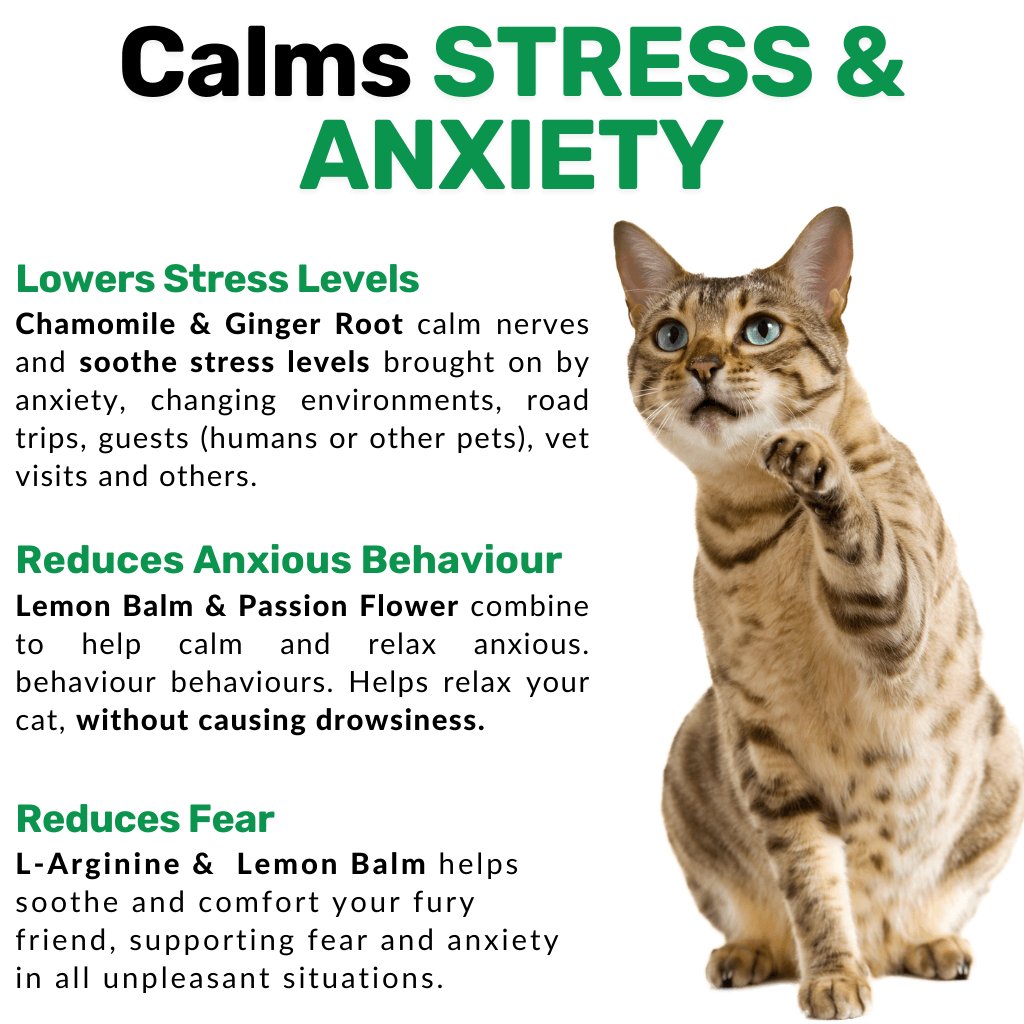
Credit: nutri-paw.com
Frequently Asked Questions
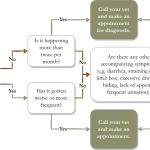
How Can I Help My Cat With Anxiety?
Create a safe, quiet space for your cat to relax. Use calming pheromones or anxiety-reducing supplements. Engage in interactive play and provide mental stimulation. Maintain a consistent routine to reduce stress. Consult a vet for professional advice if anxiety persists.
How To Tell If A Cat Has Anxiety?
Observe for excessive grooming, hiding, or aggression in your cat. Watch for changes in eating or litter habits. Increased vocalization or destructive behavior can also indicate anxiety. Regular vet check-ups can help identify and manage anxiety symptoms.
What Can I Give My Cat To Calm Anxiety?
Use pheromone diffusers or calming treats designed for cats. Consult your vet for anxiety-reducing medications. Provide a safe, quiet space with familiar items. Engage your cat with interactive toys to distract and relax them.
How To Stop A Cat From Meowing When You Leave?
Provide engaging toys and interactive play before leaving. Use a calming pheromone diffuser. Gradually increase time apart to reduce anxiety. Offer treats or puzzle feeders to keep the cat occupied. Create a comfortable, safe space with your scent to reassure them.
Conclusion
Helping your anxious cat requires patience and love. Try creating a calm space. Use familiar toys to comfort them. Consider soothing music. Speak softly to reassure them. Routine helps reduce anxiety. Regular vet visits are important. They ensure your cat’s health.
Your presence makes them feel secure. Remember, each cat is unique. What works for one may not work for another. Stay patient and observant. Your efforts will pay off. A calm cat is a happy cat. Always prioritize your cat’s well-being.
You’re their best friend. Keep supporting them. They’ll appreciate your care and kindness.

Similar Posts