How to Break Separation Anxiety in Cats: Proven Tips
Does your cat become restless and anxious whenever you leave the house? If you’ve ever returned home to find your feline friend distressed or disruptive, you’re not alone.
Separation anxiety in cats can lead to unwanted behaviors and stress for both of you. The good news? You can help your cat feel calm and secure even when you’re away. In this guide, you’ll discover simple, effective strategies to break the cycle of separation anxiety in your beloved pet.
Imagine a peaceful homecoming every time you walk through the door. Keep reading to unlock the secrets to a happier, more relaxed cat, and ultimately, a more harmonious home.
Understanding Separation Anxiety In Cats
Separation anxiety in cats is a common problem. Understanding the issue is key to helping your cat feel better. Cats are known for their independence, yet they can still suffer when left alone. This anxiety can lead to stress and behavioral issues. Learning about these signs and causes is the first step in offering relief.
Signs Of Anxiety
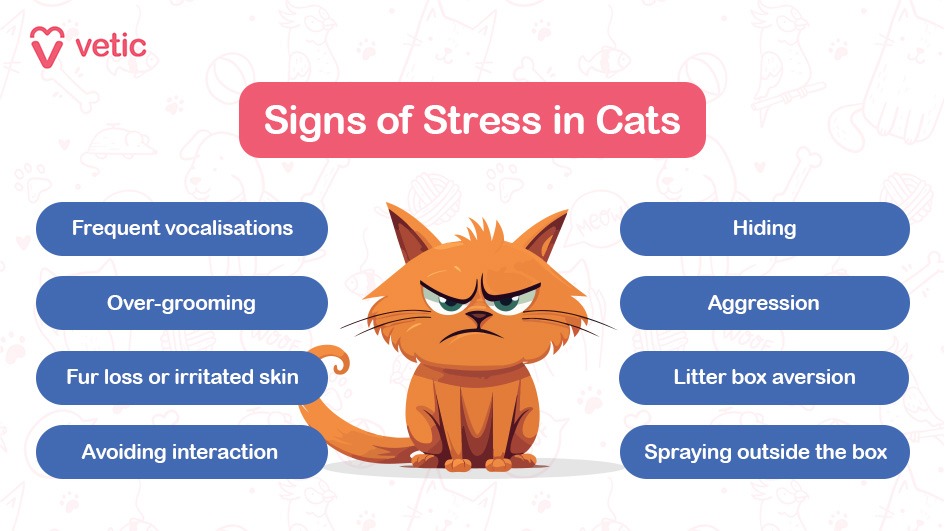
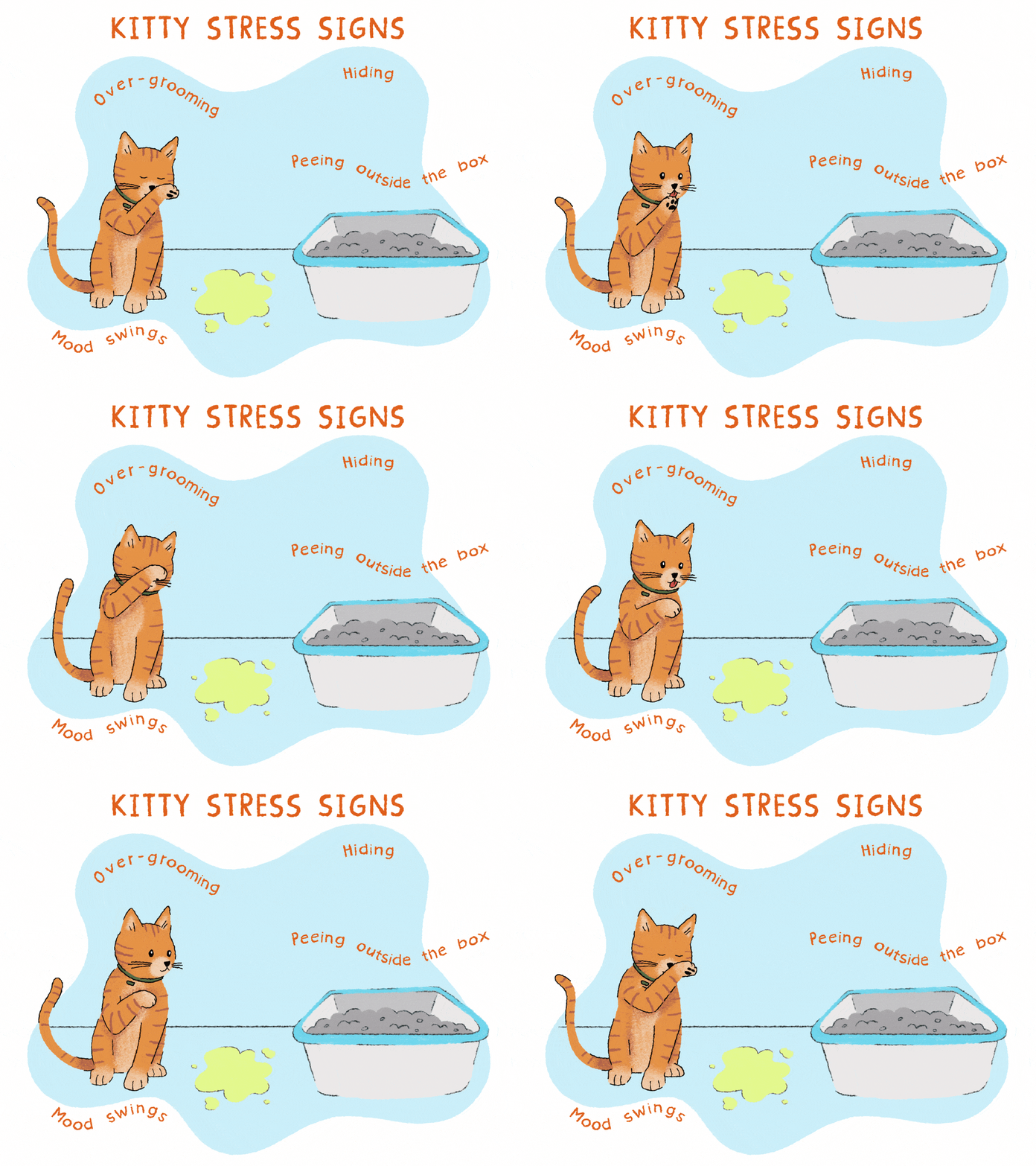
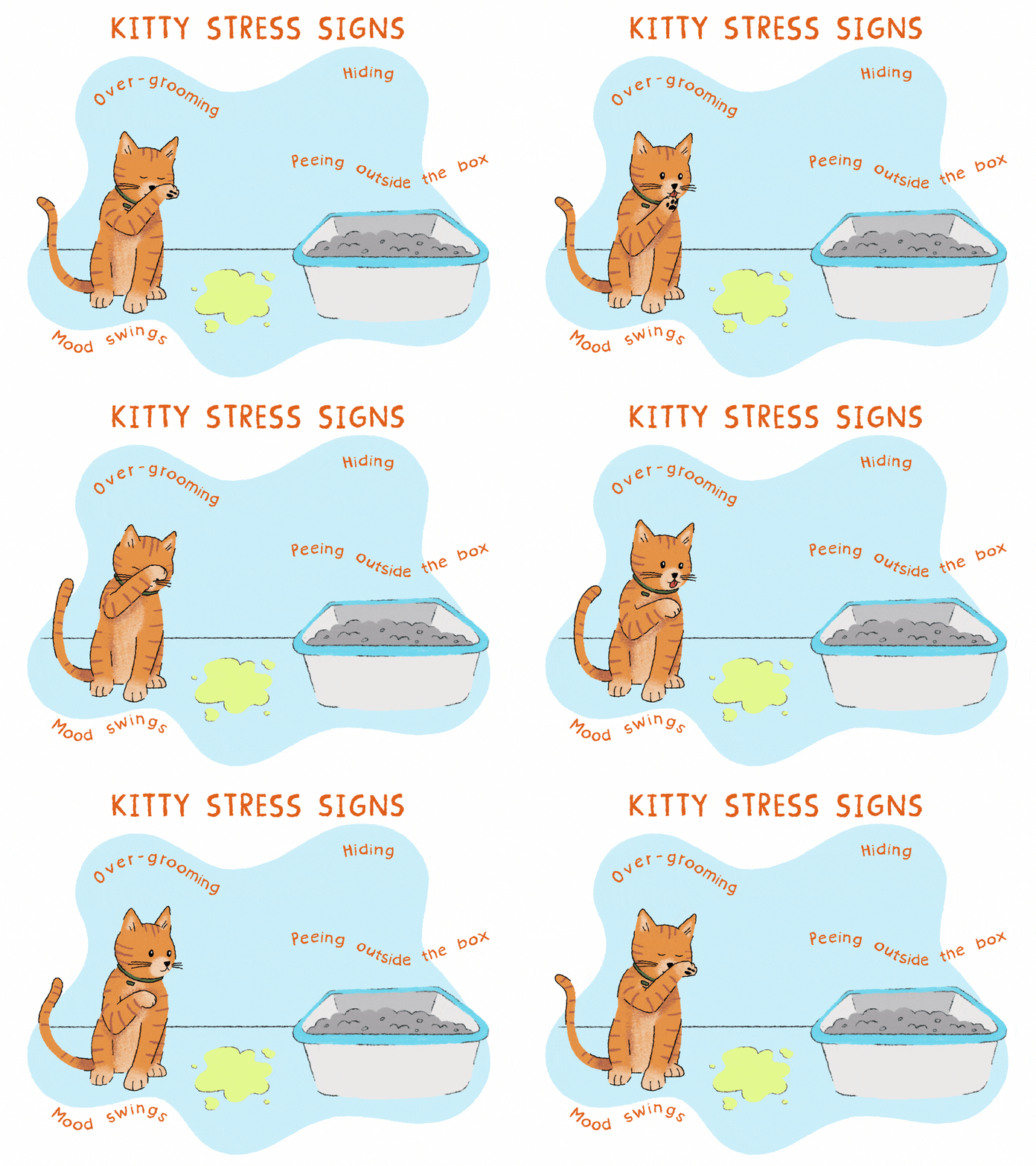
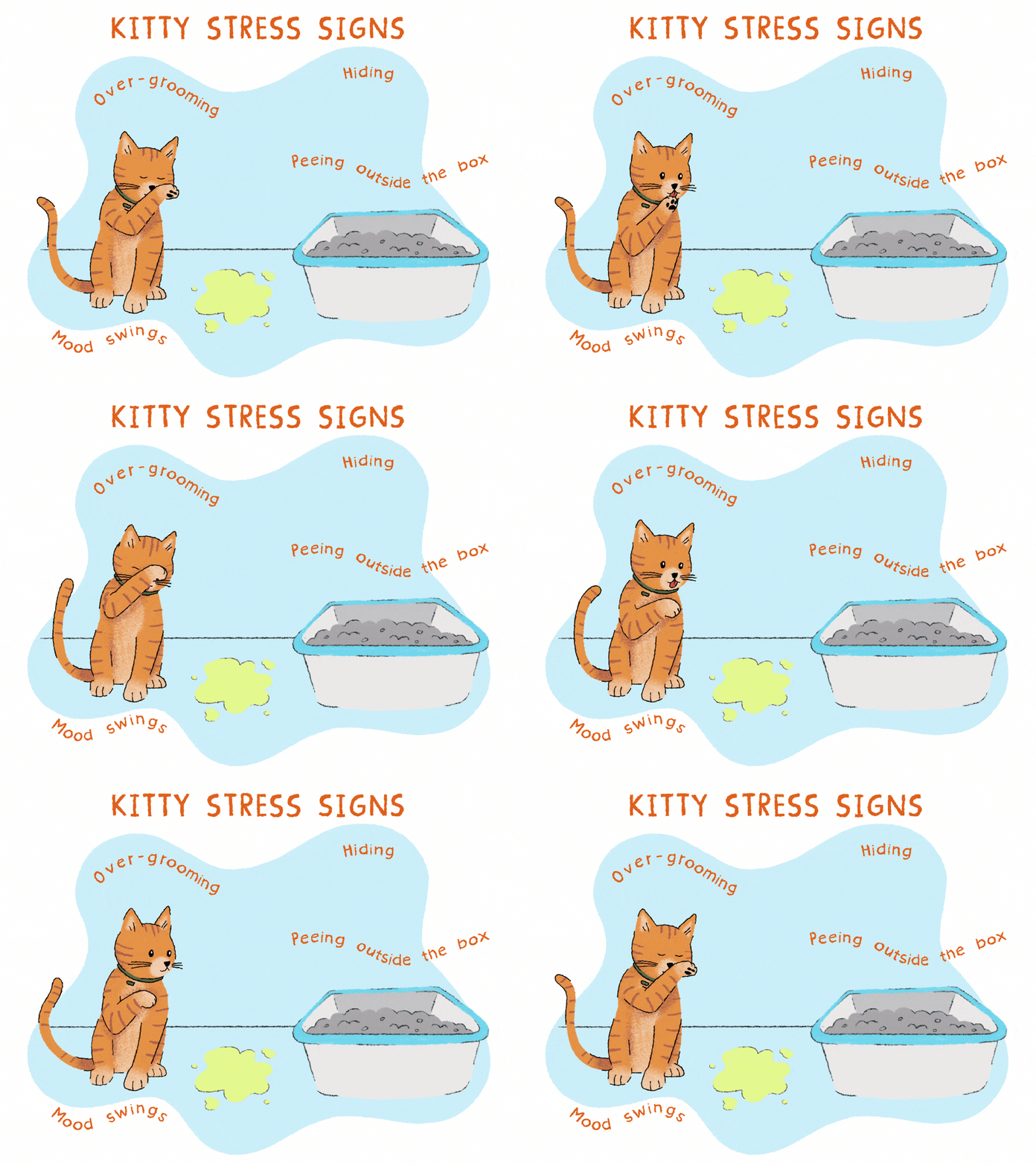
Cats show anxiety in different ways. Excessive meowing is a common sign. Some cats may hide or become clingy. They might scratch furniture or urinate outside the litter box. Changes in appetite can also indicate stress. Watch for these signs if your cat seems anxious.
Causes Of Anxiety
Several factors can cause anxiety in cats. Changes in routine can upset them. Moving to a new home or losing a family member may trigger stress. Lack of mental stimulation often leads to boredom. This can cause anxiety as well. Understanding these causes helps you address the root of the problem.
Credit: www.hickoryvet.com
Creating A Comfortable Environment
Cats often experience separation anxiety. Creating a comfortable environment can help ease their stress. Your feline friend will feel secure and relaxed. This approach benefits both you and your pet.
Safe Spaces
Cats love cozy nooks and crannies. Provide safe spaces for them to retreat. Use cat trees, blankets, or soft beds. These spaces offer security and comfort. Make sure these areas are quiet and private.
Avoid high-traffic zones in your home. Cats need peace to feel calm. Place their favorite toys nearby. This adds an element of familiarity. A happy cat is a relaxed cat.
Familiar Scents
Scents play a big role in a cat’s world. Familiar smells can calm anxious cats. Use your worn clothing or blankets. These items carry your scent. Your scent reassures them you are near.
Consider using pheromone diffusers. These mimic natural cat pheromones. They can help reduce stress and anxiety. Cats feel more at ease in their surroundings.
Rotate their toys and bedding often. This keeps their environment fresh. It also reinforces their sense of safety.
Gradual Desensitization Techniques
Separation anxiety in cats can be a challenging problem. Gradual desensitization techniques help your feline friend feel comfortable alone. This method involves slowly getting your cat used to being on its own. Start with short absences and gradually increase the time spent apart. Let’s explore these techniques further.
Short Absences
Begin with brief departures from your home. Leave the room for a few minutes. Ensure your cat stays calm while you are away. Return before your cat starts feeling anxious. Repeat this process several times a day. These short breaks help your cat adjust to your absence.
Increasing Alone Time
Gradually extend the duration of your absences. Start with five minutes, then increase to ten. Monitor your cat’s behavior during these times. If your cat remains calm, continue increasing the time. This slow progression builds confidence in your cat. Eventually, your cat will handle longer periods alone.
Interactive Play And Mental Stimulation
Separation anxiety in cats can be heart-wrenching, both for you and your furry friend. But there’s a silver lining: interactive play and mental stimulation can help ease their distress. Engaging your cat’s mind not only combats anxiety but also strengthens your bond.
Puzzle Toys
Puzzle toys are a fantastic way to challenge your cat’s brain and keep them occupied. These toys come in various forms, like treat-dispensing balls or interactive feeders. They encourage your cat to think and problem-solve to get their prize.
Imagine your cat’s delight as they paw at a toy, trying to uncover the hidden treat. It’s not just about food; it’s about engaging their natural curiosity. As your cat learns, their confidence grows, reducing anxiety.
Scheduled Playtime
Setting aside regular play sessions can work wonders for your cat’s emotional health. Consistency is key here; your cat will start looking forward to these moments. This anticipation can be a comforting routine in their day.
What kind of games does your cat enjoy? Whether it’s chasing a feather or batting at a laser, knowing their preferences helps tailor the playtime. It’s about creating moments of joy and distraction from their worries.
Have you noticed how your cat becomes more relaxed after a good play session? It’s like they’ve released pent-up energy and stress, leaving them more content. Scheduled playtime isn’t just a fun activity; it’s a therapeutic tool against anxiety.
By integrating interactive play and mental stimulation into your cat’s routine, you offer them a chance to thrive. What new toy or game will you introduce to your feline friend today?
Establishing A Routine
Establishing a routine helps cats feel secure and calm. It reduces separation anxiety effectively. Cats thrive on predictability. A structured schedule makes them feel safe. It creates a comforting environment for them.
Feeding Schedule
Set regular feeding times for your cat. Consistency reassures them. Cats learn to expect food at specific times. This reduces stress and anxiety. Make sure the feeding area is quiet and calm. Avoid sudden changes to their diet or feeding routine.
Consistent Play
Playtime is essential for cats. It keeps them active and engaged. Schedule daily play sessions. Use toys that stimulate their natural instincts. Feather toys, balls, or laser pointers work well. Play at the same time each day. This routine helps them feel secure.

Credit: www.instagram.com
Using Calming Aids
Using calming aids can help reduce separation anxiety in cats. These tools provide comfort and a sense of security. They can ease your cat’s distress when left alone. Let’s explore some effective calming aids.
Pheromone Diffusers
Pheromone diffusers mimic natural cat scents. These scents help calm anxious cats. They create a relaxing environment at home. Simply plug them into a power outlet. They release soothing pheromones into the air. Cats feel more secure and less stressed. Pheromone diffusers are safe and easy to use.
Natural Supplements
Natural supplements can also ease cat anxiety. These include herbs like chamomile and valerian root. They have calming properties. You can find them in capsule or liquid form. Always consult a vet before starting supplements. They help ensure the right dosage for your cat. Supplements can be a gentle way to reduce stress.
Seeking Professional Help
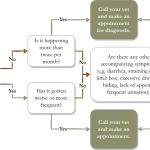
Consulting a veterinarian can help address separation anxiety in cats. They offer expert advice and tailored solutions. Professional help ensures your cat receives the best care to reduce stress and improve well-being.
Dealing with a cat experiencing separation anxiety can be challenging. Sometimes, despite our best efforts, our feline friends need more than just a comforting routine or a new toy. This is when seeking professional help becomes essential. Professional guidance can provide you with specific strategies tailored to your cat’s unique needs.Veterinary Advice
Your veterinarian is a vital resource when tackling separation anxiety in cats. They can rule out any underlying medical conditions that might be exacerbating your cat’s anxiety. A vet might suggest dietary changes or supplements that promote calmness. During a particularly tough phase with my own anxious cat, the vet recommended a pheromone diffuser. It was a game-changer, making my cat noticeably more relaxed. Veterinarians can also prescribe medication if necessary. Although it’s not the first option, medication can be beneficial for severe cases.Animal Behaviorists
Animal behaviorists specialize in understanding and modifying pet behaviors. They can offer detailed insights into why your cat feels anxious when left alone. An animal behaviorist might conduct a home visit to observe your cat’s environment and interactions. This firsthand observation can uncover triggers that you might have overlooked. Behaviorists can design a personalized behavior modification plan. This could involve gradual desensitization techniques to help your cat feel more comfortable with separation. Have you considered how a few small changes at home could make a big difference for your furry friend? Involving a professional in your cat’s anxiety journey can seem daunting at first. However, the right guidance can lead to a happier, more relaxed pet. Have you reached out to a professional yet? It might be the key to unlocking your cat’s comfort and peace.
Credit: www.aspcapetinsurance.com
Frequently Asked Questions
What Is The Best Anxiety Relief For Cats?
The best anxiety relief for cats includes calming pheromone diffusers, interactive play, and soothing music. A cozy, safe space helps relax your cat. Consult your vet for anxiety medications if needed. Regular routines and gentle handling also reduce stress.
Do Cats Have Attachment Issues?
Cats can develop attachment issues, but they often show them differently than dogs. Signs include excessive meowing, following you around, or destructive behavior. Ensuring consistent care and providing mental stimulation can help. Cats generally prefer routine and familiar environments, which can reduce attachment-related stress.
What Is A Natural Remedy For Calming Cats?
Valerian root and chamomile are effective natural remedies for calming cats. They reduce anxiety and promote relaxation.
Why Does My Cat Cry When I Leave?
Cats cry when you leave due to separation anxiety or boredom. They miss your presence and daily routine interaction. Providing toys and a comforting environment can help ease their distress. Consider leaving familiar sounds or scents to soothe them while you’re away.
Conclusion
Helping your cat overcome separation anxiety takes patience and understanding. Start with small changes. Gradually introduce more independence. Create a comforting environment with familiar toys and scents. Spend quality time together when you’re home. This strengthens your bond. Consider using cat-friendly entertainment like videos or interactive toys.
Professional help is an option if needed. Consistency is key. Your efforts lead to a happier, stress-free cat. Remember, small steps bring big changes. Both you and your furry friend will benefit. Keep a positive attitude and celebrate progress. Enjoy the journey together!

Similar Posts