How to Train Your Cat: Expert Tips for Success
Are you tired of your cat ignoring your commands and doing whatever it pleases? Do you wish your feline friend would listen to you, just like your neighbor’s dog does?
Training your cat might seem like an impossible task, but with the right approach, it’s easier than you think. Imagine having a harmonious relationship with your cat, where it understands you and even performs a few tricks. This isn’t just a dream—it’s entirely possible.
By learning how to train your cat, you’re opening the door to a deeper bond, a more peaceful home, and a happier, more engaged pet. Keep reading to discover the secrets of cat training that will transform your furry friend from aloof to attentive.
Choosing The Right Training Approach
Training your cat might seem like a daunting task, but with the right approach, it can be a rewarding experience for both you and your feline friend. Cats are unique creatures, and understanding their individuality is key to choosing the right training method. Let’s dive into how you can select the most effective training approach for your beloved pet.
Understanding Your Cat’s Personality
Before you start any training, take time to observe your cat’s behavior. Does your cat seem shy, bold, or somewhere in between? Each cat has its own personality, and recognizing this can help tailor the training approach.
For example, a more timid cat might respond better to gentle encouragement, whereas a confident cat might enjoy more interactive sessions. Watch how your cat reacts in various situations. Does it prefer quiet spaces or bustling environments? These insights are crucial in crafting an effective training plan.
Positive Reinforcement Techniques
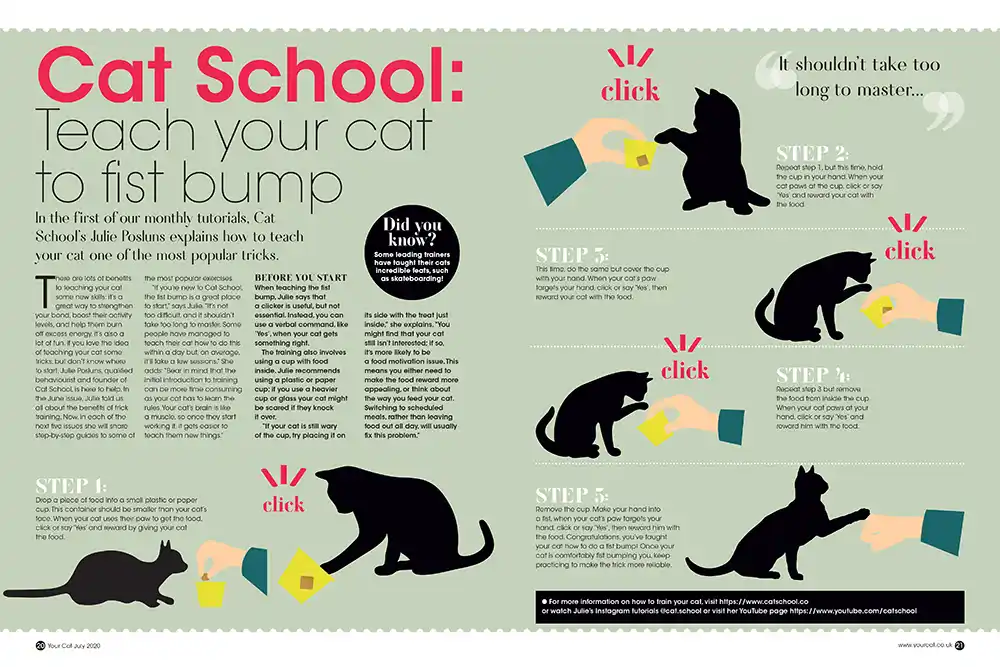
One of the most effective ways to train a cat is through positive reinforcement. This means rewarding your cat for good behavior. Treats, praise, or a favorite toy can act as motivators.
Consistency is key. If your cat sits when asked, offer a treat immediately. This helps the cat associate the action with a positive outcome. You can also use a clicker to mark the desired behavior, followed by a reward.
Consider the rewards your cat loves most. Is it a specific treat or maybe extra playtime? Use these as incentives to encourage desired behaviors. Ask yourself, how can you make training exciting for your cat?
Training your cat is not just about teaching tricks; it’s about building a stronger bond. By choosing the right approach, you create an environment where your cat feels understood and motivated to learn. So, what’s your cat’s favorite reward? Start there and watch the magic happen.
Essential Training Tools
Training a cat might seem daunting, but the right tools help. Essential training tools can simplify the process. They ensure clear communication and effective learning. These tools make training sessions more enjoyable for you and your cat. Let’s delve into the must-have tools for successful cat training.
Selecting Treats And Rewards
Treats motivate your cat during training sessions. Choose small, tasty treats your cat loves. Soft treats work well as they are easy to eat quickly. Experiment with different flavors to find your cat’s favorite. Avoid treats with artificial ingredients. Use them sparingly to maintain their value as rewards.
Using Clickers And Signals
Clickers are small devices that produce a distinct sound. They help mark desirable behaviors. When your cat performs a desired action, click the device. Follow the click with a treat. This creates a positive association. Consistency is key. Use the clicker every time your cat does something right.
Hand signals can also aid training. Pair signals with verbal commands. This strengthens understanding and response. Keep signals simple and distinct. Practice them regularly. Soon, your cat will respond confidently to your cues.
Basic Commands To Teach
Training your cat can be fun and rewarding. Teaching basic commands helps strengthen your bond. It also ensures your cat behaves well at home. Start with simple commands. This makes learning easier for your furry friend.
Sit And Stay
Sit is a foundational command. Hold a treat above your cat’s head. Move it slowly backward. This encourages your cat to sit. Say “sit” clearly. Reward your cat once it sits. Practice this daily.
Stay builds on the sit command. Once your cat is sitting, open your hand. Say “stay” firmly. Take a step back. If your cat remains, give a treat. Repeat until your cat stays reliably.
Come When Called
Come is useful for safety. Use your cat’s name with a happy tone. Show a treat to get their attention. Move a few steps away. Call your cat while showing the treat. Praise and reward when they come. Gradually increase the distance.
Consistency is key. Use the same word every time. Practice in different places. This helps your cat learn better. With patience, your cat will respond to these commands.

Credit: www.youtube.com
Advanced Training Techniques
Training a cat to do more than basic tricks can be rewarding. Advanced training techniques enhance your cat’s skills and strengthen your bond. Cats are intelligent creatures who enjoy challenges. Introducing advanced techniques keeps them engaged and stimulated. Whether you want to explore the outdoors or engage their agility, advanced training offers exciting possibilities.
Leash Training For Outdoor Adventures
Leash training allows cats to safely explore the outside world. Start indoors with a comfortable harness and leash. Let your cat get used to wearing the harness. Once comfortable, gently guide them with the leash inside. Reward them with treats for positive behavior. Gradually, take your cat to a quiet outdoor area. Keep sessions short and positive. Always ensure the environment is safe from dangers.
Agility Training For Active Cats
Agility training challenges a cat’s mind and body. Create an obstacle course using household items. Use tunnels, hoops, and platforms for variety. Start with simple obstacles. Encourage your cat with toys or treats to navigate the course. Increase complexity as your cat improves. This training keeps active cats entertained and fit. Always make sessions fun and rewarding.
Addressing Common Challenges
Training a cat can be challenging yet rewarding. Start with basic commands using treats as incentives. Patience and consistency are key in overcoming obstacles and building trust.
Training a cat can be an exciting journey filled with both rewarding moments and challenges. As you embark on this adventure, you’ll discover that cats, much like humans, have their own personalities and quirks. Addressing common challenges in cat training involves understanding these behaviors and learning how to respond effectively. Whether your cat is stubborn or fearful, there are strategies to help them learn and thrive. Let’s dive into some practical tips to handle these situations.
Handling Stubborn Behavior
Dealing with a stubborn cat can test your patience, but it also offers a chance to understand your feline friend’s unique personality. Stubborn behavior often stems from a cat’s natural independence. If your cat refuses to respond to commands, try using rewards that genuinely motivate them. For instance, if your cat is indifferent to treats, try using toys or even affection as a reward. Consistency is key. Reinforce good behavior every time it happens. Have you ever noticed how your cat only listens to you when they feel like it? This is typical stubborn behavior. Understanding their preferred reward can be your secret weapon in overcoming this challenge.
Dealing With Fearful Cats
A fearful cat might hide, hiss, or even become aggressive. Fear often comes from past experiences or unfamiliar environments. Approach your cat slowly and gently, allowing them time to get comfortable with your presence. Use soothing words and maintain a calm demeanor. You’d be surprised how much your tone of voice can influence their comfort level. Creating a safe space is crucial. Ensure they have a quiet corner to retreat to when overwhelmed. Have you tried using pheromone sprays? These can help reduce anxiety and create a calming environment. Remember, patience is your ally here. Observe your cat’s behavior and adapt your approach accordingly. What steps will you take to help your cat feel safe and secure? Your dedication can transform their fear into trust.
Credit: www.hartz.com
Maintaining Training Progress
Training your cat requires patience and consistency. Use positive reinforcement to encourage good behavior. Regular practice helps maintain progress and builds a strong bond.
Maintaining training progress with your cat is essential for long-term success. Training a cat is not a one-time event; it requires continuous effort and dedication. By focusing on regular practice and tracking improvements, you can ensure that your cat retains what it has learned and even learns new tricks.
Regular Practice Sessions
Regular practice is the backbone of maintaining your cat’s training progress. Short, consistent sessions are more effective than sporadic, lengthy ones. Aim for daily training, even if it’s just for a few minutes. Make the practice sessions fun and engaging. Use treats or toys as rewards to keep your cat motivated. Vary the training activities to prevent boredom and maintain your cat’s interest. Consistency is key. Try to practice at the same time each day. This helps your cat know what to expect and makes training a regular part of their routine.
Tracking Improvements
Tracking your cat’s progress can provide valuable insights into their learning. Keep a simple log of training sessions, noting what worked and what didn’t. Use a notebook or an app to track your cat’s achievements. Record new tricks learned or improvements in behavior. This helps you see patterns and adjust your training strategy accordingly. Celebrate small victories. Each improvement, no matter how minor, is a step forward. Recognizing these can boost your motivation and your cat’s confidence. Have you ever noticed how your cat responds better on some days than others? Tracking can reveal these trends and help you identify factors that influence training success. By committing to regular practice and keeping a close eye on improvements, you can effectively maintain your cat’s training progress. What strategies have you found most effective in your own training sessions? Share your experiences and let’s learn together.
Incorporating Play Into Training
Training your cat can be fun. Use play to teach tricks and commands. Interactive toys keep cats engaged and help them learn. Play sessions strengthen your bond and make training enjoyable for both of you.
Training a cat can be a rewarding and fun experience, especially when you add play into the mix. Cats are naturally curious and playful creatures, so using games as a training tool can be very effective. The key is to find the right balance between fun and discipline to ensure your cat learns while having a good time.
Games That Reinforce Learning
Turning training into a game can help your cat learn faster and enjoy the process. Simple activities like fetch with a small toy or using a laser pointer can teach your cat to follow commands. You can also use puzzle toys that dispense treats. These encourage your cat to think critically and solve problems. Interactive toys that respond to your cat’s touch or movement can also provide mental stimulation. They can help reinforce learning by associating specific actions with positive outcomes.
Balancing Fun And Discipline
While play is essential, maintaining a balance with discipline is crucial. Your cat should understand when it’s time to focus and when it’s time to play. Set clear boundaries and stick to them. If your cat gets too excited or aggressive, pause the game and redirect their attention. Offer treats and praises generously when your cat follows commands. This positive reinforcement helps in building good behavior. On a personal note, I found that my cat learned the command “sit” much faster when I used her favorite feather toy as a reward. It kept her engaged and motivated. Have you tried using play in your cat’s training? If not, now might be a great time to start!

Credit: www.pumpkin.care
Frequently Asked Questions
Are Cats Easy To Train?
Cats can be challenging to train due to their independent nature. Positive reinforcement works best. Consistency and patience are key. Training sessions should be short and engaging. Start with basic commands like “sit” or “come. ” Use treats or toys as rewards.
Keep expectations realistic for best results.
How Do You Teach A Cat No?
Use a firm voice and say “no” consistently. Redirect your cat’s attention to acceptable behaviors. Reward positive actions with treats or praise to reinforce learning. Avoid yelling or physical punishment, as it can create fear. Consistency and patience are key in teaching your cat boundaries.
How Do I Discipline My Cat?
Use positive reinforcement by rewarding good behavior with treats or praise. Redirect unwanted actions using toys. Establish a consistent routine. Avoid physical punishment, as it can cause fear or aggression. Use a firm voice to deter misbehavior.
How Do You Train A Cat For Beginners?
Start with simple commands using treats as rewards. Use positive reinforcement consistently. Keep training sessions short and fun. Be patient and gentle. Create a safe and comfortable environment.
Conclusion
Training your cat takes patience and consistency. Start with simple commands. Use treats and praise to encourage progress. Practice daily for better results. Cats learn best in short sessions. Keep the environment calm and stress-free. Celebrate small victories to build confidence.
Your bond with your cat will grow stronger. Enjoy the journey together. Remember, every cat is unique. Adjust your methods to fit their personality. Soon, you’ll see positive changes. Happy training!