How Do You Toilet Train a Cat: Expert Tips Revealed
Imagine never having to clean a litter box again. Picture your cat using the toilet like a pro, leaving you with more time and less mess.
Sounds too good to be true? It’s not! Toilet training your cat is not only possible, but it can also be surprisingly straightforward. You might be wondering how you can transform your feline friend into a toilet-savvy pet. This guide is here to unveil the secrets of successful cat toilet training, ensuring you get it right from the start.
As a cat owner, you understand the challenges of dealing with litter boxes—constant cleaning, unpleasant odors, and finding the perfect spot for it in your home. But what if you could eliminate these hassles? Imagine the convenience and cleanliness of having your cat use the bathroom just like you. It’s a win-win situation, and this article will guide you through the process step-by-step. Get ready to discover the tips, tricks, and techniques that will make toilet training your cat a reality. Keep reading to learn how you can achieve this remarkable feat and enhance the bond with your pet.
Benefits Of Toilet Training Cats
Toilet training a cat may sound unusual. Yet, many find it beneficial. Imagine saying goodbye to messy litter boxes. You save time and effort. Your home becomes cleaner. With patience, cats can learn. This training offers several advantages.
Convenience And Cleanliness
Cleaning litter boxes can be tedious. Toilet-trained cats eliminate this chore. No more scooping waste. No more buying litter. Your home stays fresh. It’s a relief for many pet owners.
Cost Savings
Litter can be expensive over time. Toilet training cuts these costs. You save money monthly. This is ideal for budget-conscious owners. Every penny counts.
Environmental Impact
Litter often ends up in landfills. Toilet training reduces waste. It’s a greener choice. You contribute to a cleaner planet. This benefits everyone.
Improved Hygiene
Litter boxes can spread germs. Toilet training promotes better hygiene. Less contact with waste. Less chance of bacteria spreading. Cats and humans stay healthier.
Enhanced Bonding Experience
Training requires patience. Owners and cats bond during this time. It’s a rewarding journey. You understand your pet better. Relationships deepen.
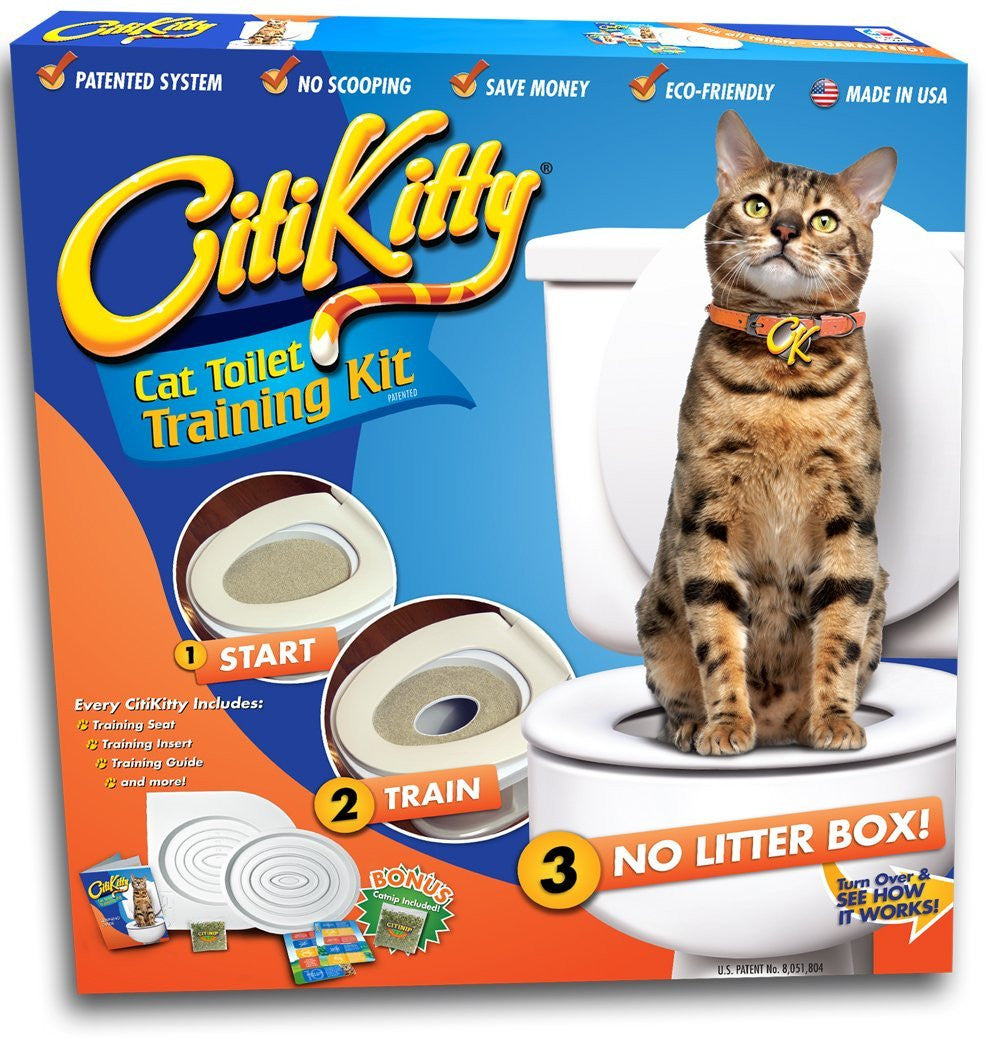
Credit: www.citikitty.com
Choosing The Right Equipment
Selecting the right equipment is crucial for cat toilet training. A sturdy litter box with low sides helps ease the transition from traditional litter. Consider adding a flushable litter for a smoother process.
Choosing the right equipment is the cornerstone of successful cat toilet training. Just like you wouldn’t try to bake a cake without the right tools, you shouldn’t dive into toilet training without the appropriate gear. The right kit can make a world of difference in how smoothly the process goes. But what should you be looking for when selecting the right equipment for your feline friend?
Types Of Toilet Training Kits
There are a variety of toilet training kits available, each designed to help your cat transition from litter box to toilet. 1. Basic Training Kits: These usually include a series of rings that fit over your toilet. As your cat becomes accustomed to using the toilet, you gradually reduce the size of the rings. 2. Advanced Kits: Some kits come with additional features, like adjustable trays or splash guards, to ease the transition and minimize mess. 3. High-Tech Solutions: There are even automated devices that can help train your cat with minimal effort on your part. These may include sensors and timers to encourage your cat’s progress. Which type suits you best? It largely depends on your cat’s temperament and your budget.
Features To Consider
Choosing the right features in a toilet training kit can significantly impact your success. – Material Quality: Look for durable, easy-to-clean materials. You don’t want a kit that falls apart after a few uses. – Adjustability: Kits with adjustable parts can accommodate cats of different sizes and skill levels. This can be especially helpful if your cat needs a gradual transition. – Ease of Use: Consider how user-friendly the kit is for both you and your cat. Some kits might require more assembly or maintenance than others. When I trained my cat, Whiskers, the adjustable features of the kit were crucial. She was hesitant at first, but being able to slowly reduce the ring size made all the difference. Could this be the key to your cat’s success, too? Remember, every cat is unique. Your choice of equipment should reflect your cat’s personality and your lifestyle. Which features do you think your cat would appreciate most?
Assessing Your Cat’s Readiness
Toilet training your cat requires a careful evaluation of their readiness. Not every cat is a candidate for this type of training. Understanding your cat’s specific needs and behaviors is key. Ensure your cat is ready before starting the process.
Age And Health Considerations
Age plays a crucial role in toilet training. Kittens are often too young to learn. Adult cats may find it easier to adapt. Assess your cat’s health as well. A healthy cat is more likely to succeed. Health issues can impede training success. Regular check-ups with the vet can help.
Behavioral Signs
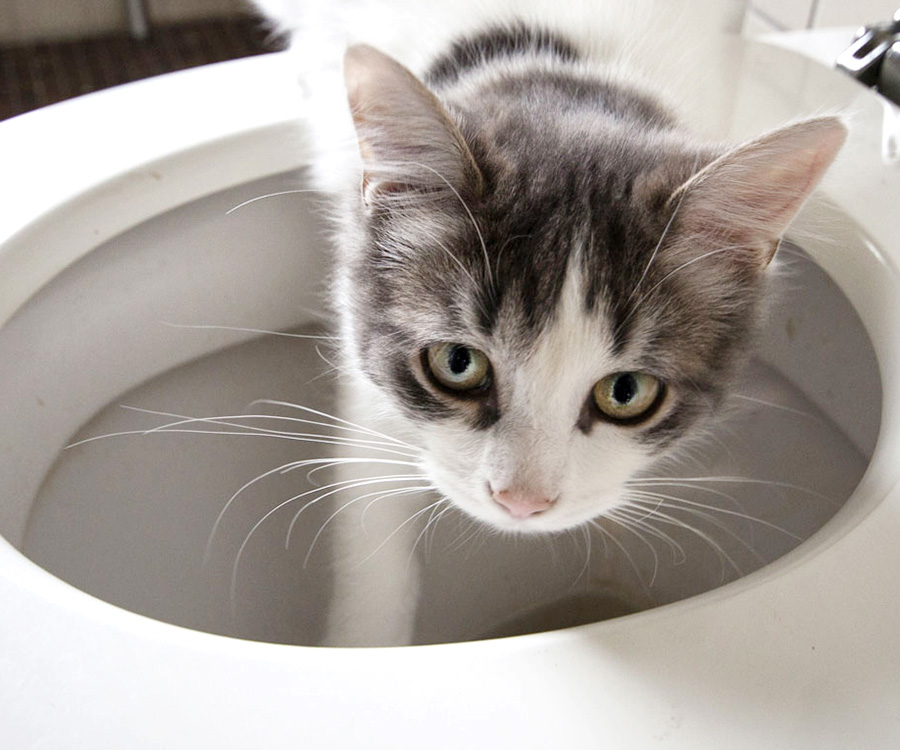
Watch for certain behaviors. Is your cat curious about the toilet? Does it show interest in the bathroom area? These are positive signs. A cat that adapts easily to change is ideal. Hesitation or fear can slow the process. Patience is essential during this stage.
Credit: www.hartz.com
Step-by-step Training Process
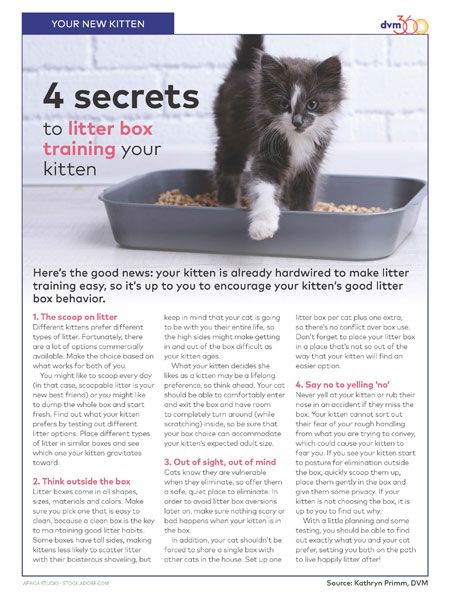
Training a cat to use the toilet involves a gradual process. Begin by placing a litter box next to the toilet. Gradually elevate the box until it’s level with the seat. Introduce a special training seat over time, eventually removing the litter.
Patience and consistency are key.
Toilet training a cat might seem like a daunting task, but breaking it down into simple steps can make the process manageable and even fun. With the right approach and a bit of patience, you can teach your furry friend to ditch the litter box. In this section, we’ll guide you through the step-by-step training process, ensuring a smooth transition for both you and your cat.
Introducing The Kit
Begin by selecting a suitable toilet training kit. Kits are designed to fit over your toilet seat and gradually reduce the amount of litter your cat uses. Look for one that’s sturdy and easy to clean. Place the kit in a room where your cat feels comfortable. Let them explore it without any pressure. You might notice them sniffing around or pawing at it—this curiosity is a great start. Encourage your cat by placing a small amount of their usual litter into the training kit. Familiar scents help ease the transition.
Gradual Transition Techniques
Start by placing the training kit on the floor next to your toilet. This is an essential step for helping your cat associate the kit with their new bathroom spot. Once your cat is comfortable using the kit on the floor, move it onto the toilet. You might need to use treats or praise to encourage them to jump up. Gradually reduce the litter in the kit. Cats can be creatures of habit, so making this change slowly is key. Watch your cat’s reaction and adjust the pace if necessary.
Handling Setbacks
Setbacks can happen, and that’s okay. Your cat might refuse to use the kit or have accidents. Stay calm and patient, and don’t resort to scolding. If your cat seems stressed, take a step back in the process. For instance, if they’re not comfortable with the kit on the toilet, move it back to the floor for a few days. Remember, consistency is crucial. Stick to the routine, and your cat will gradually adapt. Have you ever had a moment where you were learning something new and hit a roadblock? Your cat is going through the same learning curve. Toilet training a cat requires time and patience, but the rewards are worth it. Imagine the convenience of a litter-free home. By following these steps, you’re well on your way to achieving that goal.
Common Challenges And Solutions
Toilet training a cat can be a rewarding yet challenging task. Many pet owners face hurdles during the process. Understanding these challenges and finding solutions is key to success. Let’s explore some common difficulties and effective strategies.
Overcoming Fear And Anxiety
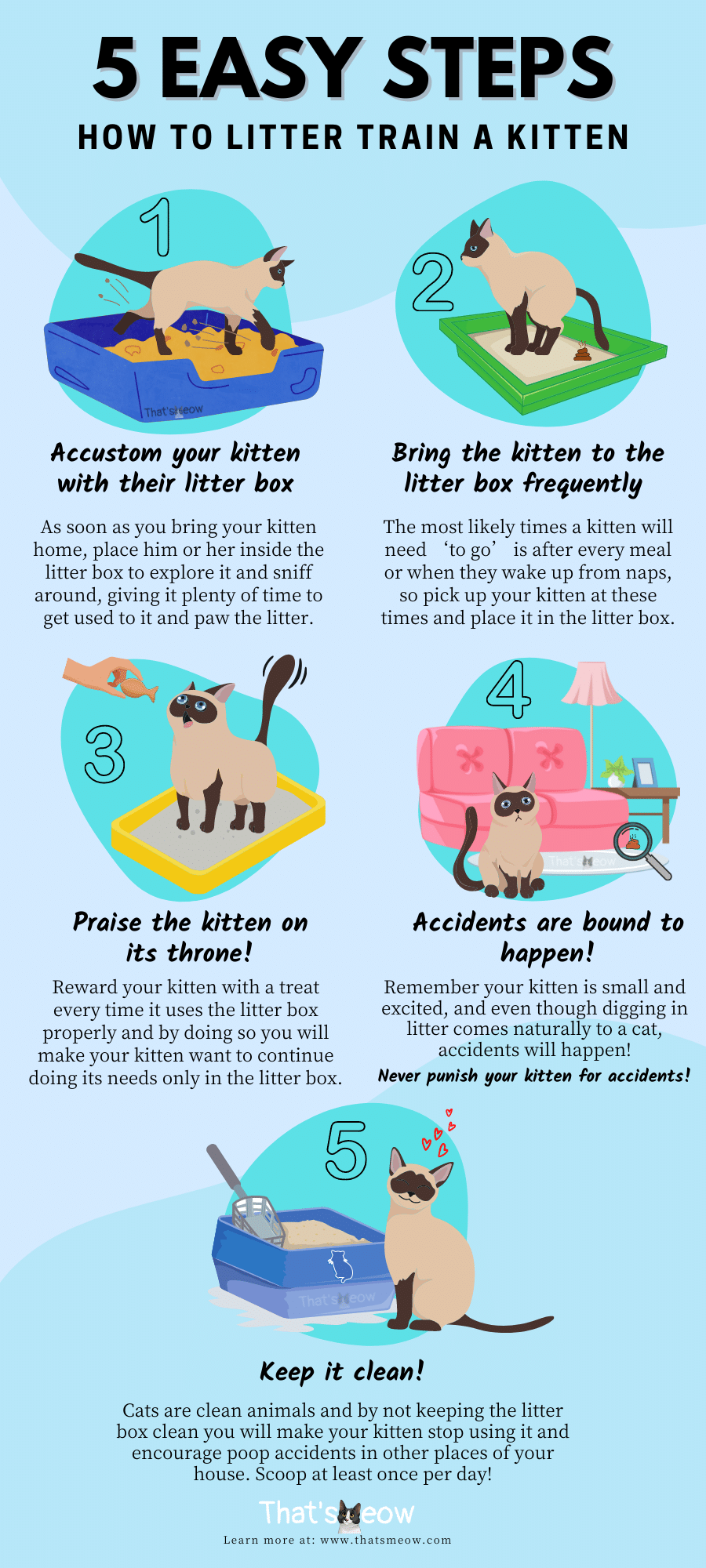
Cats often feel anxious about new experiences. The toilet can be intimidating. Start by placing the litter box near the toilet. Gradually move it onto the toilet seat. Familiarize your cat with the new setup slowly. Offer treats and encouragement. Patience is crucial. Don’t rush the process. Recognize signs of anxiety. Provide comfort and reassurance.
Dealing With Accidents
Accidents are part of the learning curve. Clean spills promptly. Use pet-safe cleaners to remove odors. Keep the toilet area tidy. A messy space can deter your cat. Return to a previous training step if needed. Reinforce positive behavior. Celebrate small victories. Stay calm and consistent. These actions help your cat adjust.
Credit: realendpoints.com
Expert Tips For Success
Teaching a cat to use the toilet can be a rewarding experience. Start by placing a litter box near the toilet, gradually moving it onto the seat. Encourage your cat’s curiosity and patience through treats and positive reinforcement.
Toilet training a cat can seem daunting. Yet, with expert advice, it’s achievable. Cats are smart and adaptable. With the right approach, they can learn quickly. Below are expert tips to guide you. Focus on maintaining consistency and rewarding progress. These strategies will help ensure success.
Maintaining Consistency
Consistency is crucial in cat training. Always use the same commands and gestures. Create a routine. Cats thrive on predictability. Set specific times for training sessions. Keep the training area the same. Avoid changing the location of the litter box. Cats need to feel secure and familiar. Consistent actions build trust. They help the cat understand expectations. Patience is key. Consistency helps reinforce learning.
Rewarding Progress
Celebrate small victories. Positive reinforcement works wonders. Use treats or affection as rewards. Praise your cat when they succeed. This encourages them to repeat the action. Be prompt with rewards. Immediate reinforcement is more effective. Rewards should be desirable. Know what motivates your cat. Some prefer treats, others love petting. Regular rewards boost confidence. They make the learning process enjoyable.
Long-term Maintenance
Cats can be toilet trained with patience and consistency. Start by placing a litter box near the toilet. Gradually raise it until it’s level with the seat. Slowly transition to a training seat on the toilet. Reinforce positive behavior with praise and treats to ensure long-term success.
Toilet training a cat is a rewarding journey, but maintaining this behavior over the long term requires consistent effort. Just like humans, cats appreciate a clean and comfortable environment for their bathroom needs. Your commitment to long-term maintenance can ensure your cat stays happy and continues using the toilet reliably.
Cleaning And Hygiene
Keeping your bathroom clean is crucial. Cats are naturally clean creatures and will avoid a messy toilet area. Regularly check for spills or messes and clean them immediately. Use mild, non-toxic cleaners that won’t irritate your cat. A cat’s sense of smell is strong, and harsh chemicals might deter them from using the toilet. Make a habit of wiping down the toilet seat and surrounding area daily. If you notice any persistent odors, it might be time to deep clean. Consider using a vinegar and water solution for a thorough clean that’s safe for pets. Keeping the area fresh not only benefits your cat but also maintains a pleasant environment for you.
Reinforcing The Habit
Reinforcement is key in long-term toilet training. Praise your cat when they successfully use the toilet. A simple pat or a treat can go a long way. Consistency is crucial. Ensure the toilet seat is always accessible to your cat. If you have multiple bathrooms, make sure your cat knows which one is theirs. Have you ever noticed a lapse in your cat’s behavior? Don’t panic. Revisit earlier training steps if needed. Sometimes, a little reminder is all your cat needs to get back on track. By staying vigilant and proactive, you can maintain your cat’s toilet training success for years to come. What habits have you established to ensure your cat’s toilet training is seamless?
Frequently Asked Questions
How Long Does It Take To Toilet Train A Cat?
Toilet training a cat typically takes between 2 to 8 weeks. Success depends on the cat’s age and temperament. Consistency and patience are crucial for effective training. Start with a litter box near the toilet, gradually moving it onto the seat.
Reward progress and encourage positive behavior throughout the process.
Are Cats Easy To Toilet Train?
Toilet training cats can be challenging. Cats typically prefer using a litter box. Success depends on the cat’s temperament and consistency in training. Some products and techniques can help, but patience is key. Not all cats may adapt well to toilet training.
What Is The Easiest Way To Potty Train A Cat?
Use a litter box to potty train a cat. Place it in a quiet, accessible spot. Keep the box clean to encourage use. Introduce the cat to the box gently. Reward successful use with praise or treats. Consistency is key for successful training.
How Do You Train A Cat To Use A Toilet?
Start by placing a litter box near the toilet. Gradually raise the box’s height until level with the seat. Transition by using a training seat on the toilet. Remove the litter box as your cat gets comfortable. Reward them with treats for successful attempts.
Conclusion
Toilet training a cat takes patience and consistency. Start small, with gradual changes. Watch your cat’s progress and adjust as needed. Celebrate small victories to encourage your feline friend. Use rewards to motivate and reinforce good behavior. Keep the training area clean to avoid setbacks.
Cats respond well to gentle guidance and repetition. Always stay calm during the process. Remember, each cat is unique and learns at its own pace. Be patient, and soon your cat will be toilet trained. Happy training!