What is the Best Cat Food for Indoor Cats: Top Picks
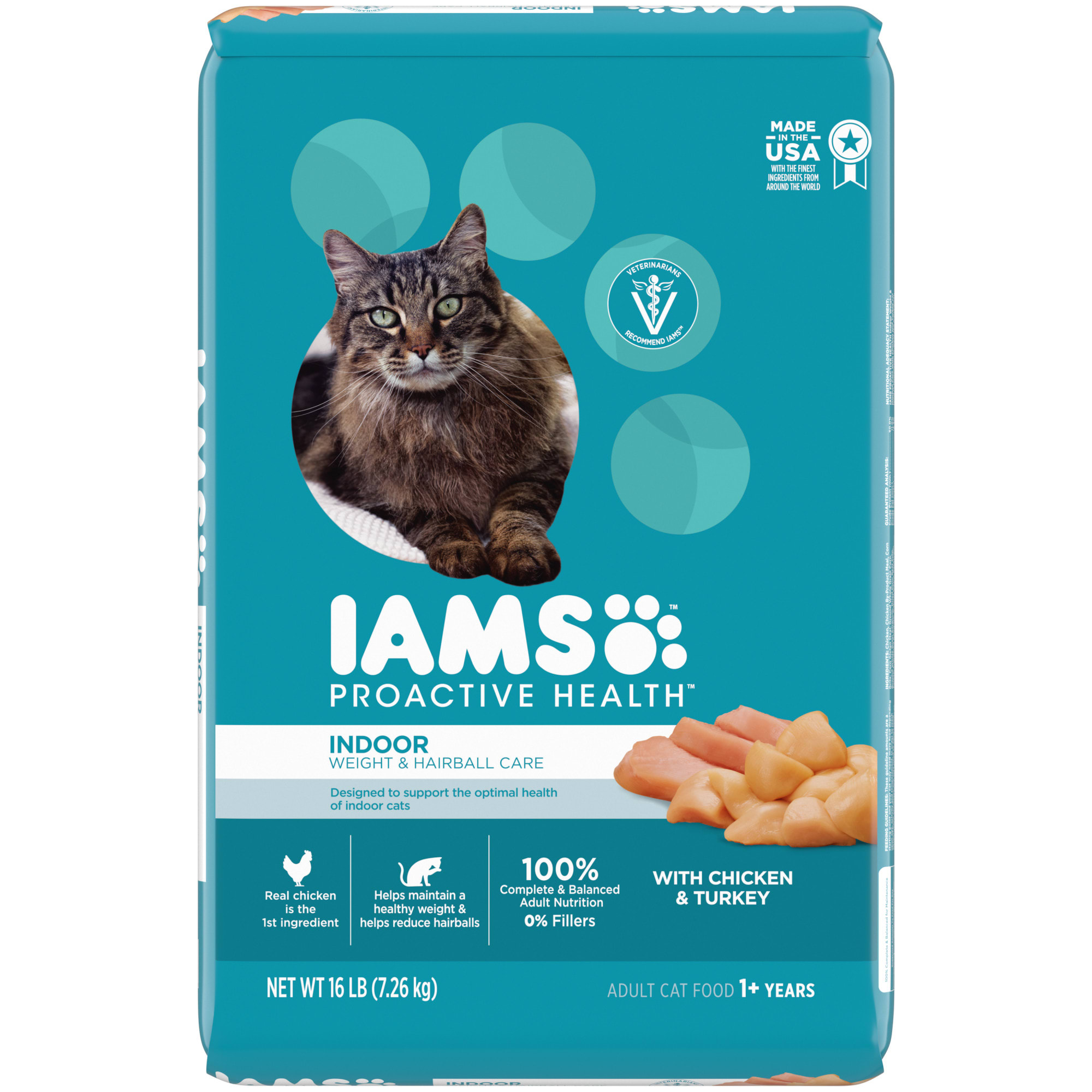
Are you on a quest to find the perfect meal for your furry friend who lounges on your couch all day? If you are, you’re in the right place.
Choosing the best cat food for indoor cats can feel overwhelming, especially with the shelves brimming with countless options. You want to provide your indoor feline with the nutrition they need to stay healthy, energetic, and happy. But how do you know which food is truly the best?
We’re diving deep into the world of cat food, cutting through the noise to give you clear, actionable insights. Stick around, because what you’re about to discover could transform your cat’s well-being and have them purring with joy.
Credit: imagiq.com
Nutritional Needs Of Indoor Cats
Indoor cats have unique dietary needs. They often lead less active lifestyles. This means their diet should be carefully balanced. The right nutrition keeps them healthy and happy. It’s important to understand these needs. This helps in choosing the best cat food.
Caloric Requirements
Indoor cats usually need fewer calories. They do not roam outside. This limits their physical activity. A lower calorie diet helps maintain their weight. Overfeeding can lead to obesity. Always check the calorie content on cat food labels.
Essential Nutrients
Indoor cats need a variety of nutrients. Protein is vital for their muscle health. Look for foods with high-quality protein sources. Cats also need taurine for heart and eye health. Omega fatty acids support their skin and coat. Fiber is important too. It helps with digestion and prevents hairballs.
Weight Management
Weight management is crucial for indoor cats. Obesity can lead to health issues. Choose a food that supports a healthy weight. Look for foods labeled for weight control. Regularly weigh your cat to monitor their health. Adjust their diet if they gain or lose weight.
Types Of Cat Food
Indoor cats need food that maintains their health and energy. Dry kibble offers convenience and dental benefits. Wet food provides hydration and variety. Balanced nutrition is key for indoor cats to thrive.
When it comes to feeding indoor cats, choosing the right food is crucial. Different types of cat food offer various benefits for your feline friend. Understanding these options helps you provide a balanced diet. Let’s explore the main types of cat food to help you make an informed choice.
Dry Food
Dry food is a popular choice for many cat owners. It is convenient and easy to store. This type of food often contains a mix of proteins, grains, and vitamins. Cats enjoy the crunchy texture, which can help clean their teeth. However, it has lower moisture content. Make sure your cat drinks enough water if they eat dry food.
Wet Food
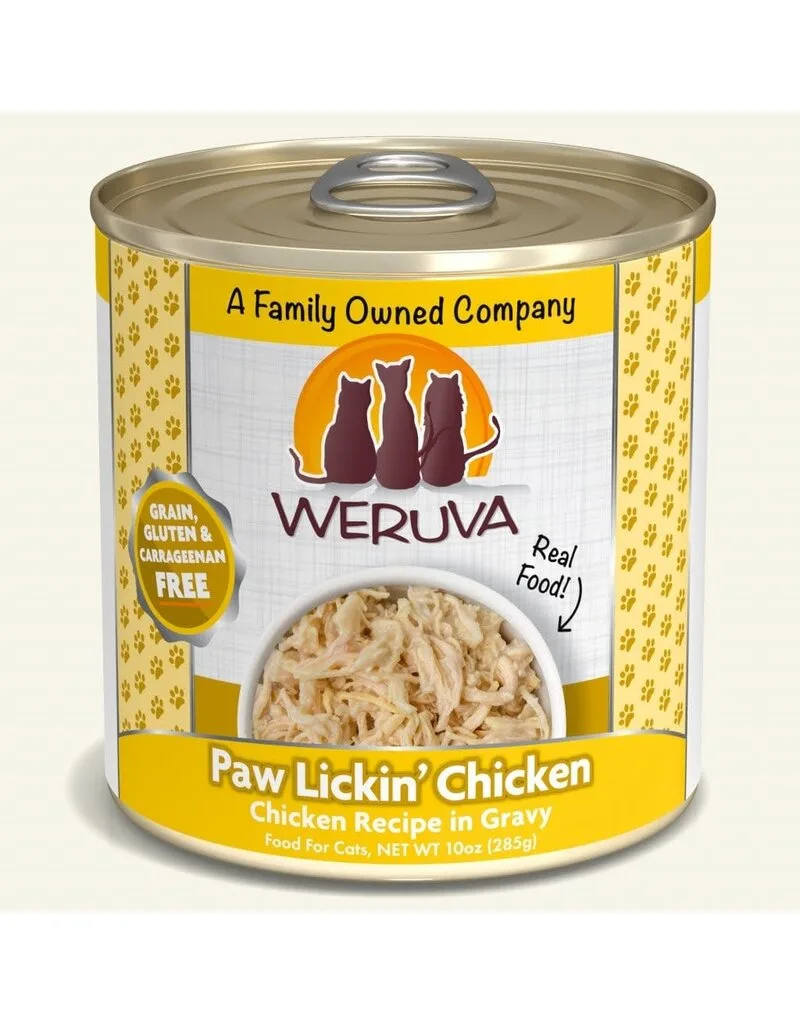
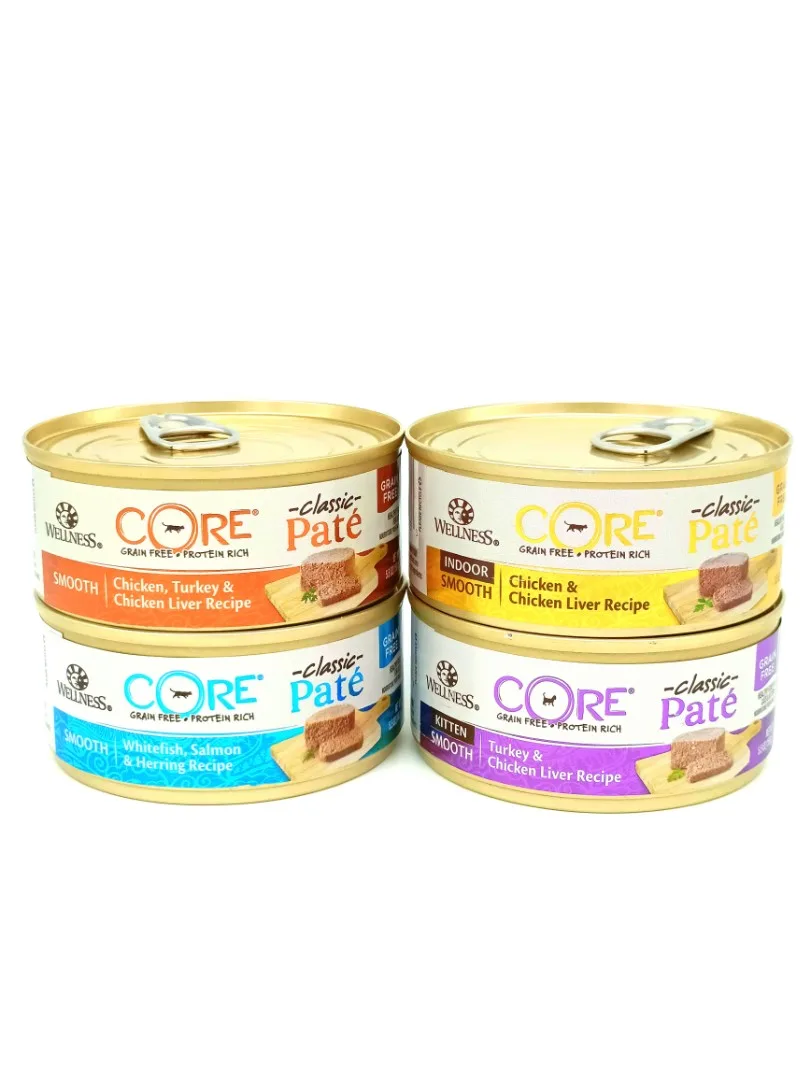
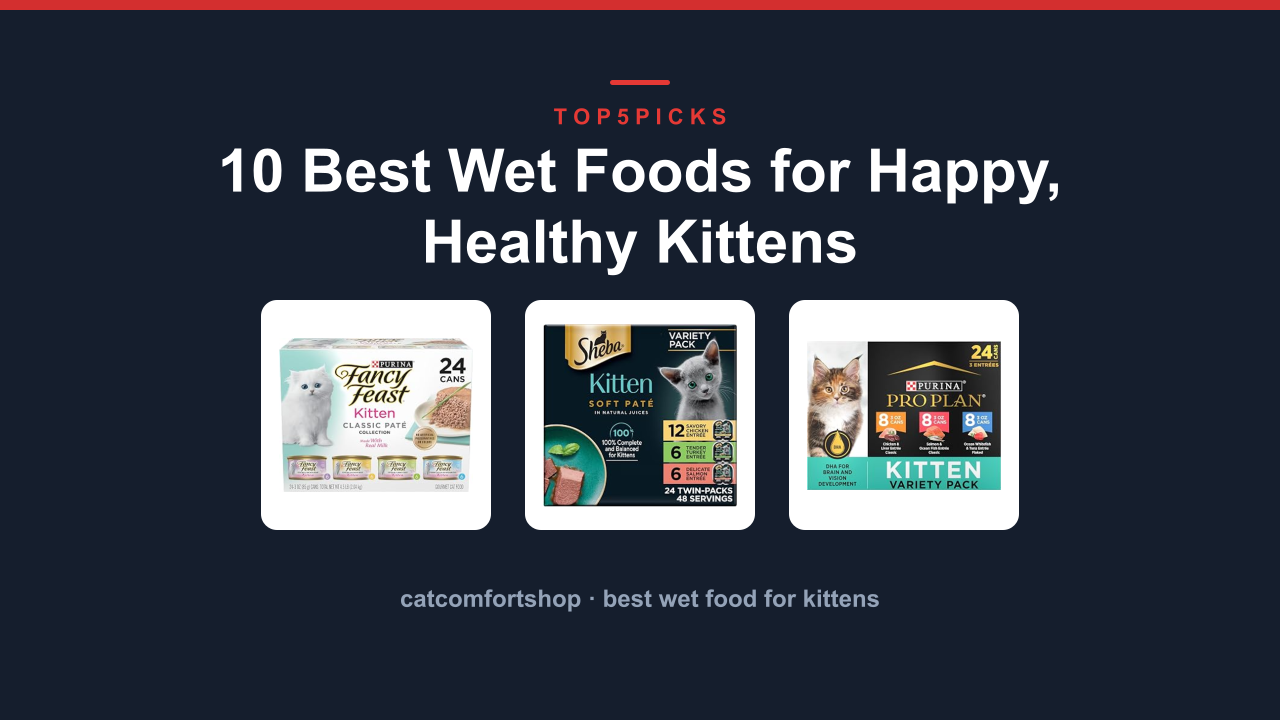
Wet food comes in cans or pouches with high moisture content. It is palatable and often more appealing to picky eaters. Wet food can help maintain hydration, especially for cats that drink little water. It usually contains fewer carbohydrates than dry food. This type of food is often richer in protein and fats.
Raw Diet
Some cat owners prefer a raw diet for their pets. This type of diet includes raw meat, bones, and organs. It mimics what cats would eat in the wild. Raw diets can provide high levels of protein and nutrients. Ensure it is balanced and safe to avoid health risks. Always consult with a vet before starting a raw diet.
Benefits Of High-quality Cat Food
Choosing high-quality cat food provides numerous benefits for indoor cats. Such food supports their overall health and well-being. It ensures they get essential nutrients. These nutrients are vital for a healthy and happy life. High-quality food is often more digestible. It contains better ingredients, promoting different aspects of a cat’s health.
Improved Digestion
High-quality cat food aids in better digestion. It includes natural fibers and probiotics. These elements help in smooth bowel movements. Indoor cats often face digestive issues. With premium food, their stomach stays settled. They also experience less bloating and discomfort.
Enhanced Coat Health
Good nutrition leads to a shiny coat. High-quality food includes omega fatty acids. These acids contribute to healthy skin and fur. Cats with better diets have softer, shinier coats. Regular intake of quality food reduces shedding. It also minimizes skin irritations.
Boosted Immunity
Quality cat food strengthens the immune system. It contains essential vitamins and minerals. These nutrients help cats fight off diseases. Indoor cats encounter fewer germs than outdoor ones. But they still need robust immunity. High-quality food ensures they stay strong and healthy.
Ingredients To Avoid
Choosing the right food for your indoor cat can be a daunting task with so many options available. You want to ensure your feline friend gets the best nutrition without harmful ingredients. Knowing what to avoid is crucial in making an informed decision. Let’s delve into the ingredients you should steer clear of when selecting cat food.
Artificial Preservatives
Artificial preservatives like BHA, BHT, and ethoxyquin are often used to extend the shelf life of cat food. However, these chemicals can have adverse effects on your cat’s health, potentially leading to issues such as liver damage or cancer. It’s always wise to opt for natural preservatives, such as vitamin E or C, which are safer alternatives.
Imagine buying a pack of your favorite snack only to find out it’s loaded with chemicals. You wouldn’t eat it, right? The same goes for your cat. Ensuring their food is free from harmful preservatives can help maintain their health and happiness.
Fillers And By-products
Fillers and by-products are often used in cat food to cut costs. Ingredients like corn, soy, and wheat offer little nutritional value and can cause digestive issues for your cat. By-products might include parts of animals that are not fit for human consumption, such as feet or feathers.
Have you ever wondered why your indoor cat occasionally suffers from upset stomachs or allergies? These fillers and by-products might be the culprits. Opt for cat food that lists real meat as the primary ingredient to ensure your cat gets the protein they need.
Excessive Carbohydrates
Indoor cats tend to have a more sedentary lifestyle, which means they require fewer carbohydrates than their outdoor counterparts. Foods high in carbs can lead to obesity and related health issues. Cats are obligate carnivores, and their diet should reflect their natural need for protein and fats rather than carbohydrates.
Think about your cat’s daily routine. They spend most of their time lounging, playing, and napping indoors. Their food should align with this lifestyle. Choosing a diet low in carbs can help prevent weight gain and keep your cat in tip-top shape.
As you explore the myriad of options available, remember that the best cat food for your indoor cat is one that avoids these harmful ingredients. Consider reading labels carefully and making informed choices to ensure your furry friend’s well-being.
Top Brands For Indoor Cat Food
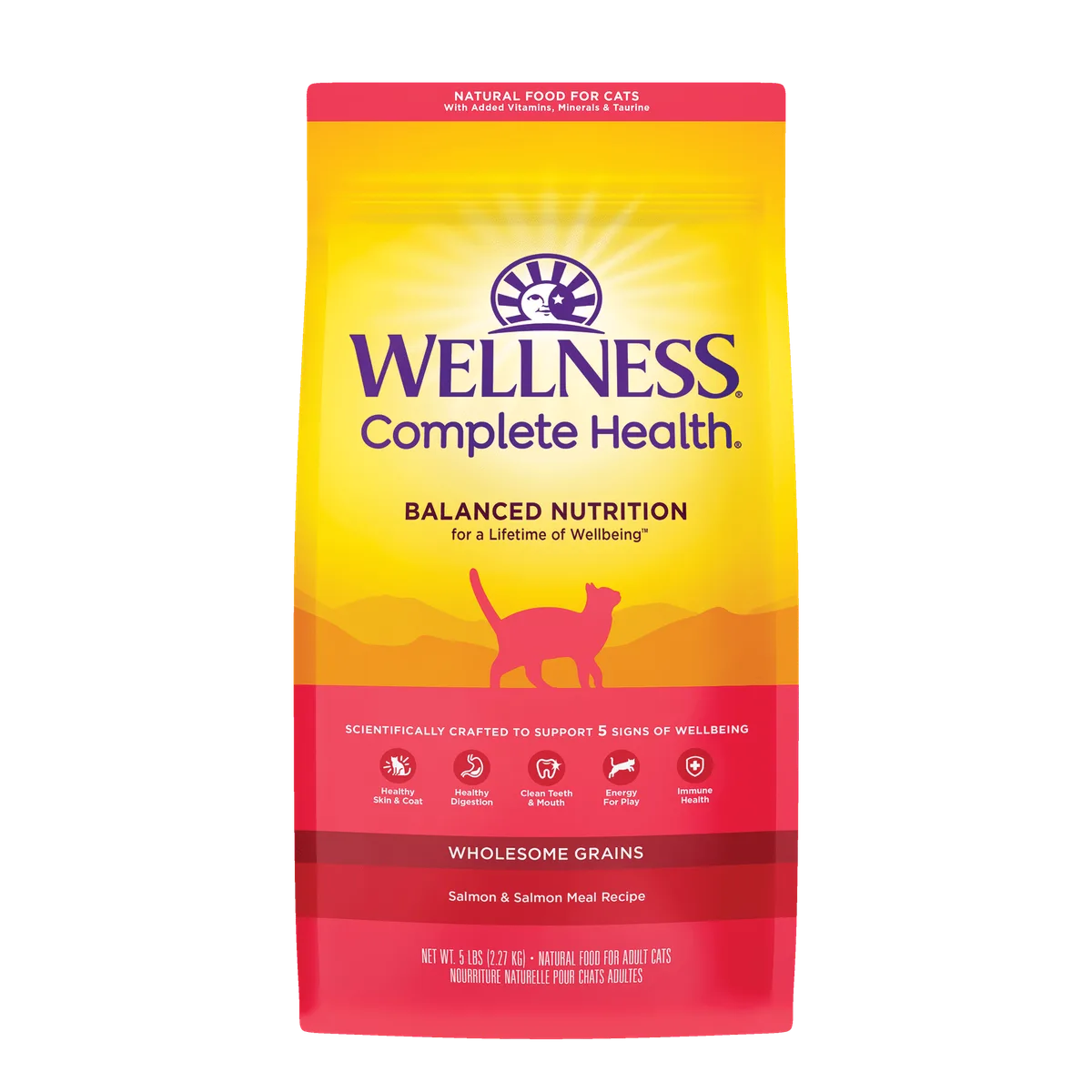
Indoor cats thrive on specialized diets from top brands like Hill’s Science Diet, Royal Canin, and Blue Buffalo. These brands focus on balanced nutrition, offering high-quality ingredients tailored for indoor feline health. Proper nutrition helps manage weight and supports overall well-being for indoor cats.
When selecting the best cat food for your indoor cats, choosing the right brand is crucial. You want to ensure your feline friends are getting the nutrition they need without breaking the bank. While searching, you might wonder which brands stand out as top choices. Let’s dive into some of the top brands for indoor cat food, segmented into premium options, budget-friendly picks, and specialty diets.
Premium Options
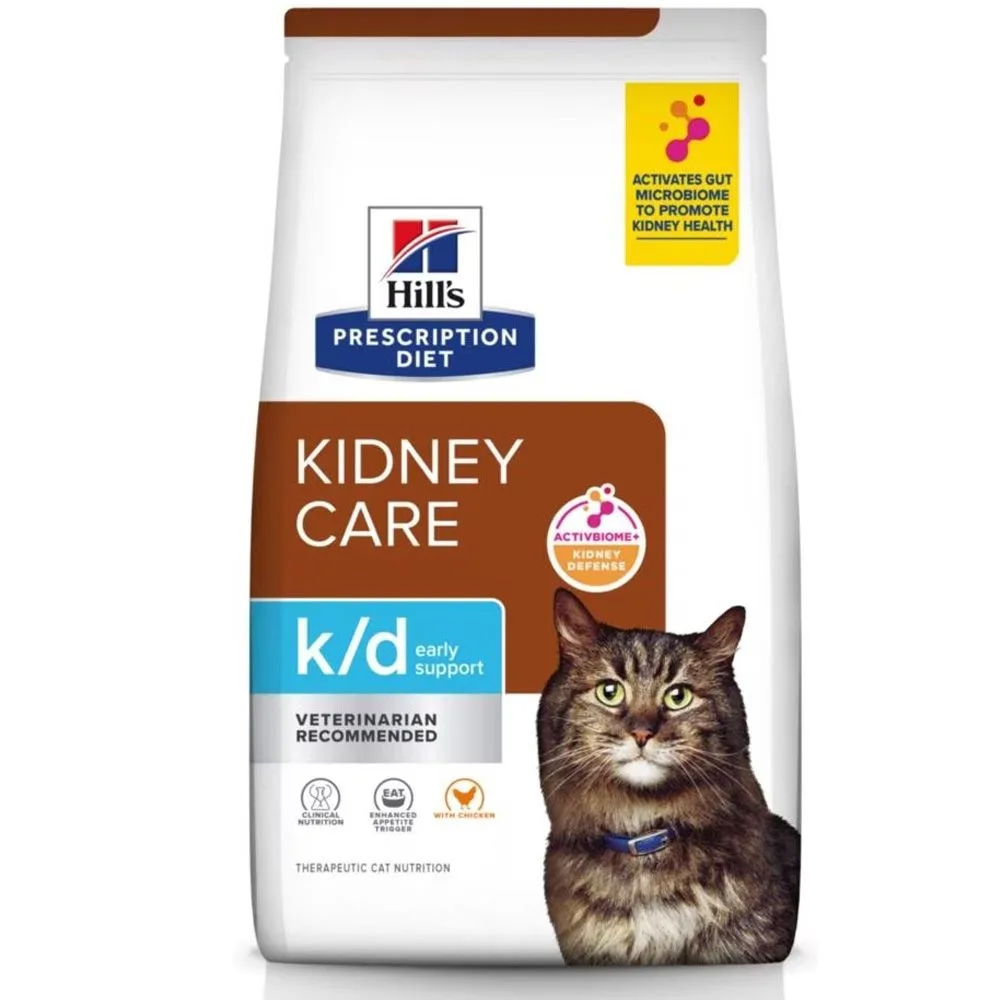
If you’re looking to spoil your cat with high-quality nutrition, premium brands might be your go-to. Brands like Royal Canin and Hill’s Science Diet are often recommended by veterinarians for their balanced formulas. These brands focus on providing specific nutrients that support indoor cats’ health, like fiber blends for digestion and omega fatty acids for a shiny coat. Have you noticed a change in your cat’s energy levels after switching to a premium brand? Many cat owners report their pets become more playful and alert with improved diets. Investing in premium options can make a noticeable difference in your cat’s overall well-being.
Budget-friendly Picks
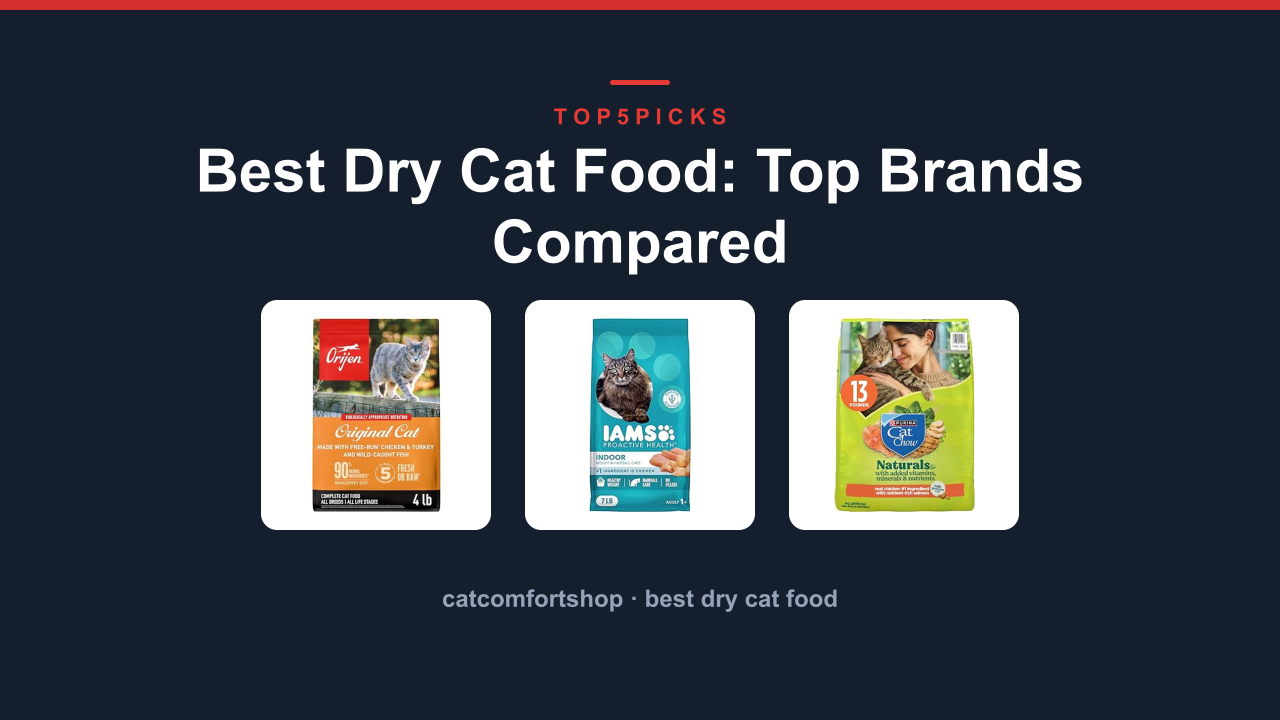
Not every budget can accommodate premium cat food. Thankfully, there are affordable brands that still offer quality nutrition. Purina Cat Chow and Friskies Indoor Delights are popular choices that balance cost with essential nutrients. These brands provide indoor cats with the necessary vitamins and minerals while keeping your wallet happy. Balancing cost and quality doesn’t mean compromising your cat’s health. Examine ingredient lists and look for real meat as the first ingredient. By doing this, you can ensure your indoor cats are getting the necessary protein without overspending.
Specialty Diets
Some cats have unique dietary needs that require special attention. Brands like Blue Buffalo and Natural Balance offer specialty diets tailored for indoor cats with sensitivities or specific health concerns. These diets can help with issues like weight management or food allergies. Have you ever had to adjust your cat’s diet due to health issues? Specialty diets can be a lifesaver, providing solutions that cater to your cat’s unique needs. Consulting with your vet can guide you towards the best specialty diet for your feline friend. Choosing the right cat food brand involves considering your cat’s health needs and your budget. Whether you opt for premium, budget-friendly, or specialty diets, the key is ensuring that your indoor cats thrive. What changes have you noticed in your cat after switching brands? Share your experiences and insights in the comments below!

Credit: www.desertcart.in
Tips For Choosing The Right Food
Selecting the best food for indoor cats involves focusing on nutrition and quality ingredients. Choose high-protein options with essential vitamins for their health. Ensure the food supports weight management and meets their energy needs.
Choosing the right food for your indoor cat can feel like a daunting task, but it doesn’t have to be. Your cat’s diet is crucial for their health, energy, and overall happiness. With some targeted tips, you can navigate the pet food aisle with confidence and make the best choice for your feline friend.
Reading Labels
Start by reading the food labels carefully. Look for ingredients that list real meat as the first component. Words like “chicken,” “beef,” or “fish” are good indicators of quality. Avoid foods with fillers like corn or soy, as they offer little nutritional value. Instead, opt for high-protein options that mimic your cat’s natural diet. Check for added vitamins and minerals. These are essential for your cat’s immune system and overall well-being.
Considering Age And Health
Your cat’s age plays a vital role in their dietary needs. Kittens require more calories and nutrients for growth, while adults need balanced nutrition to maintain weight. Consider any health issues your cat may have. If your cat struggles with obesity, look for weight management formulas. For older cats, options rich in joint-supportive nutrients like glucosamine can be beneficial. Always match the food to your cat’s life stage and health requirements.
Consulting A Veterinarian
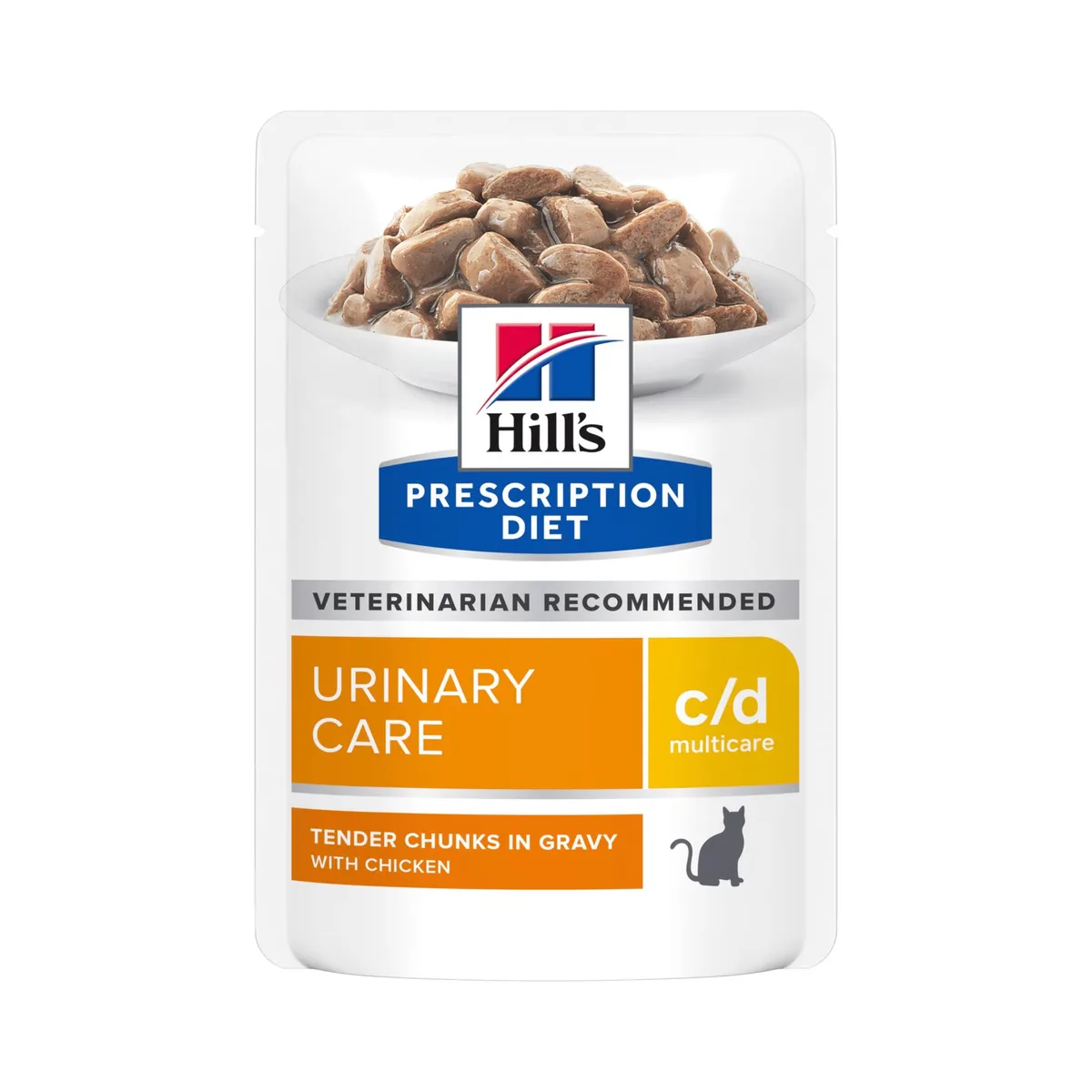
When in doubt, consulting a veterinarian is always a wise step. They can provide personalized recommendations based on your cat’s specific needs. A vet might suggest a prescription diet if your cat has unique health concerns. They can also help you understand any confusing labels or ingredients. Have you ever found yourself overwhelmed by choices in the pet food aisle? A quick chat with your vet can simplify your decision and ensure your cat gets the best nutrition possible.
Transitioning To A New Diet
Choosing the best cat food for indoor cats requires understanding their unique needs. Indoor cats benefit from a balanced diet with essential nutrients. High-quality protein and low-calorie options help maintain their health and weight.
Transitioning your indoor cat to a new diet is a significant step that requires careful attention and planning. As a cat owner, you want to ensure that the switch is smooth and beneficial for your furry friend. Whether you’re changing food due to health needs or simply seeking a better nutritional profile, making the transition thoughtfully is essential for your cat’s overall well-being.
Gradual Introduction
Sudden changes in diet can upset your cat’s digestive system. Introduce the new food gradually over a period of 7-10 days. Start by mixing a small amount of the new food with their current diet. Increase the proportion of the new food each day while decreasing the old. Observe how your cat responds to each change. This method helps prevent digestive issues and allows your cat to adjust to the new taste and texture.
Monitoring Health Changes
Pay close attention to your cat’s health as you switch their diet. Look for signs of improved energy, coat quality, and overall demeanor. These are indicators that the new food is beneficial. Conversely, if your cat experiences vomiting, diarrhea, or lethargy, it might be time to reconsider the new diet. Consult your veterinarian if you notice any adverse symptoms. Keeping track of your cat’s weight during this period can also provide insights into their health.
Adjusting Portions
As you transition to new cat food, you might need to adjust portion sizes. Not all foods have the same caloric content or nutritional density. Read the feeding guidelines provided on the packaging and tailor them to your cat’s specific needs. Consider your cat’s age, weight, and activity level when deciding on portion sizes. Overfeeding or underfeeding can lead to health problems. Remember, your vet is a valuable resource if you’re unsure about portion adjustments. Have you found that your cat becomes more playful or affectionate with certain foods? Share your experiences and see what works best for your feline companion. Transitioning to a new diet is not just about food—it’s about nurturing your cat’s health and happiness.

Credit: www.top-english-academy.com
Frequently Asked Questions
What Is The Healthiest Cat Food For An Indoor Cat?
Choose cat food rich in protein and low in carbohydrates. Ensure it contains vitamins, minerals, and taurine. Opt for brands with high-quality ingredients and no artificial additives. Consult your vet for personalized recommendations based on your cat’s health needs. Prioritize wet food for hydration benefits.
What Is The Best Food To Feed A House Cat?
The best food for a house cat is high-quality, protein-rich cat food. Opt for balanced, grain-free options with essential vitamins and minerals. Choose wet or dry food based on your cat’s preference and health needs. Consult a veterinarian for personalized dietary recommendations.
What Should You Feed An Indoor Cat?
Feed your indoor cat high-quality commercial cat food, prioritizing meat-based proteins. Ensure it’s balanced with essential nutrients. Include wet and dry food for hydration and dental health. Consult your vet for personalized dietary advice based on age, weight, and health.
Avoid feeding your cat dog food or human food.
Should Indoor Cats Eat Wet Or Dry Food?
Indoor cats can eat both wet and dry food. Wet food offers hydration and palatability. Dry food supports dental health and convenience. A balanced combination ensures nutrition. Consult your vet for tailored advice.
Conclusion
Choosing the right cat food for indoor cats is crucial. It helps maintain their health and energy. Indoor cats need balanced nutrition. Focus on ingredients and quality. Look for foods that support healthy weight and digestion. Protein-rich diets work best for them.
Always check for essential vitamins and minerals. Consult your vet for personalized advice. Remember, every cat is unique. Their needs can vary. Paying attention to their diet ensures a happy, healthy cat. Keep observing and adjusting as necessary. Your feline friend will thrive with the right food.

Similar Posts