How Do You Keep a Cat from Scratching Your Furniture: Expert Tips
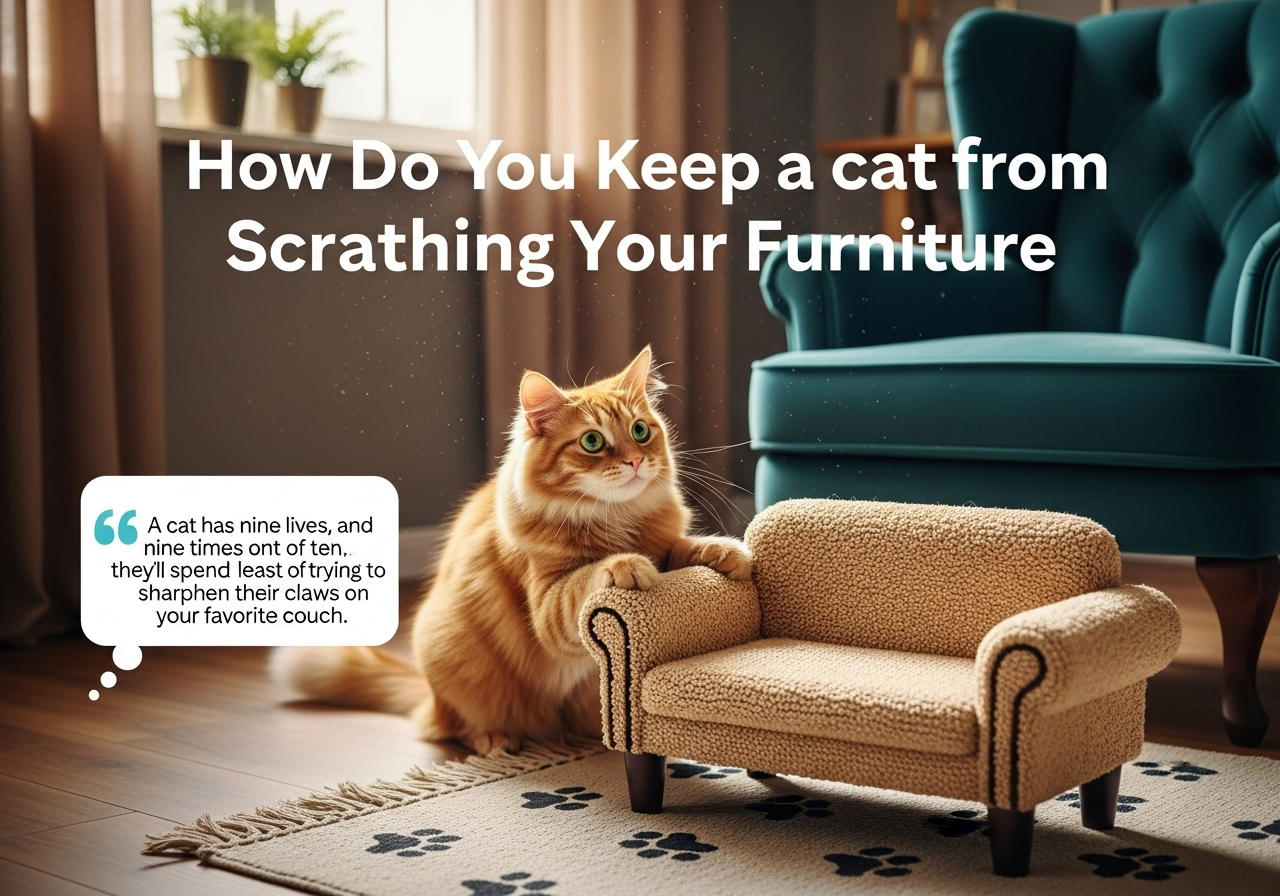
Are you tired of finding your favorite couch shredded by your feline friend? Does the sight of claw marks on your cherished wooden table fill you with frustration?
You’re not alone. Many cat owners face the same challenge. But what if there was a way to keep your furniture safe without compromising your cat’s happiness? Imagine a home where your furniture remains pristine, and your cat is content and healthy.
You’ll discover simple yet effective strategies to protect your belongings and maintain a peaceful coexistence with your furry companion. Let’s dive in and find the perfect solution for you and your cat!
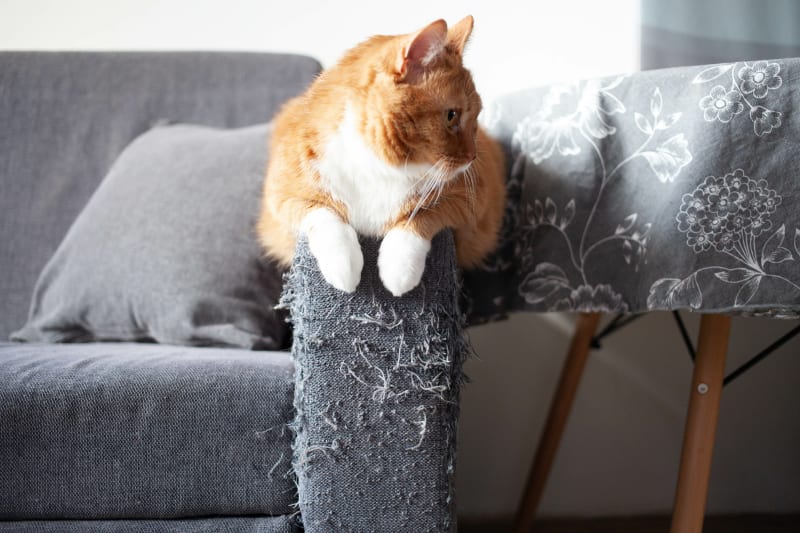
Credit: www.greensboroncvet.com
Understanding Cat Scratching Behavior
Cats are beloved for their playful and curious nature. Yet, their scratching behavior often puzzles many cat owners. Understanding why cats scratch is key to protecting your furniture. This behavior is not just a random act; it’s deeply rooted in their instincts and needs.
Why Do Cats Scratch?
Scratching is a natural and instinctive behavior for cats. It serves several purposes beyond sharpening claws. Cats scratch to mark their territory. They have scent glands in their paws. These glands release pheromones when they scratch. This marks their presence and sets boundaries.
Physical And Mental Benefits
Scratching provides physical exercise. It stretches their muscles and tendons. This keeps them agile and healthy. Mentally, scratching can reduce stress. It provides an outlet for energy and excitement. A cat that scratches is often a happy and healthy cat.
Exploring The Instinctual Drive
Cats have a natural drive to maintain their claws. They shed the outer nail sheaths through scratching. This keeps their claws sharp and functional. The instinct to scratch is strong and not easily ignored. Recognizing this can help in managing the behavior.
Environmental Factors
Certain environmental factors can trigger scratching. New furniture or changes in the home may lead to increased scratching. Cats may feel the need to reestablish their scent. Providing alternatives can help manage this behavior.
Importance Of Scratching Surfaces
Cats require appropriate surfaces for scratching. Scratching posts and pads are essential for every home with cats. They should be sturdy and varied in texture. This satisfies the cat’s need to scratch and saves furniture from damage.

Credit: wb-iisg.com
Choosing The Right Scratching Posts
Prevent furniture damage by choosing scratching posts that cats love. Ensure they are tall, sturdy, and textured. Placement near favorite spots encourages use, keeping claws away from couches and chairs.
Choosing the right scratching post is crucial in preventing your cat from turning your furniture into their personal scratchpad. Cats have an innate need to scratch, which helps them mark territory, stretch, and keep their claws healthy. By providing suitable alternatives, you not only save your furniture but also keep your feline friend happy and healthy.
Height And Stability Matter
Cats love a good stretch while scratching, so height is essential. A scratching post should be tall enough for your cat to extend fully. Stability is equally important; a wobbly post might discourage your cat from using it. Imagine a piece of furniture that collapses every time you lean against it—would you keep using it? Ensure the post is robust and doesn’t tip over easily.
Material Options
Cats are picky about textures. Some prefer cardboard, others sisal, and a few might even opt for carpet. Observe what materials your cat tends to scratch on your furniture. If they love the feel of your carpet, a post covered in similar material might be perfect. Experiment with different textures to discover their preference.
Location, Location, Location
Where you place the scratching post can make all the difference. Cats often scratch in prominent areas to mark territory. Put the post where your cat naturally spends time or next to the furniture they usually scratch. Think about your own habits; aren’t you more likely to use something that’s conveniently located?
Incorporating Fun Elements
Add some excitement to the scratching post with toys or dangling strings. Cats are playful creatures, and a post with interactive elements can make it more enticing. Adding a small toy can transform the post from a boring necessity to a fun playground. Would you choose a dull option over one that offers entertainment?
Regular Maintenance
A well-used scratching post will eventually wear down. Keep an eye on its condition and replace it when needed. Just like you wouldn’t wear worn-out shoes for comfort, your cat needs a post that’s in good shape. Regular maintenance ensures your cat continues to use it instead of seeking out your furniture. Choosing the right scratching post can be a game-changer in preserving your furniture and keeping your cat satisfied. Are you ready to find the perfect post for your furry friend?
Training Your Cat To Use Scratching Posts
Cats can be trained to use scratching posts instead of furniture. Place the post near their favorite scratching spots. Reward them with treats or praise when they use the post.
Cats have an innate need to scratch. It’s how they stretch, mark their territory, and keep their claws healthy. But when your favorite armchair becomes a target, it’s time to steer them toward more appropriate options. Training your cat to use scratching posts can save your furniture and satisfy your cat’s natural instincts.
Reward-based Techniques
Positive reinforcement can be your best friend in training your cat. When your cat uses the scratching post, offer a treat or affection. This teaches them that good behavior leads to rewards. Do you ever notice how your cat perks up at the sound of a treat bag? Use this to your advantage. Keep a stash of treats near the scratching post. Encourage your cat to scratch by placing their favorite toy on the post, and when they do, praise them generously. Consistency is key. Make sure to reward every successful scratch on the post. Over time, your cat will associate the post with positive experiences and choose it over your furniture.
Redirecting Scratching Behavior
Cats often scratch the furniture because it’s accessible. The trick is to make scratching posts even more appealing. Place them in locations your cat frequents. If your cat starts scratching the couch, gently redirect them to the post. This can be done by picking them up and placing them next to the scratching post, or simply guiding them with a toy. Ever tried changing the furniture layout to outsmart your cat? Sometimes a slight move can make the post more appealing. Consider covering the furniture with materials your cat dislikes, like aluminum foil or double-sided tape, which can deter scratching. Think about the texture. Cats love variety. Offering different types of posts, like sisal, carpet, or cardboard, can keep them interested. Ask yourself, are you meeting your cat’s scratching needs? Observing their preferences and adjusting accordingly can make all the difference. With patience and consistency, your cat will soon favor their scratching post over your prized possessions.
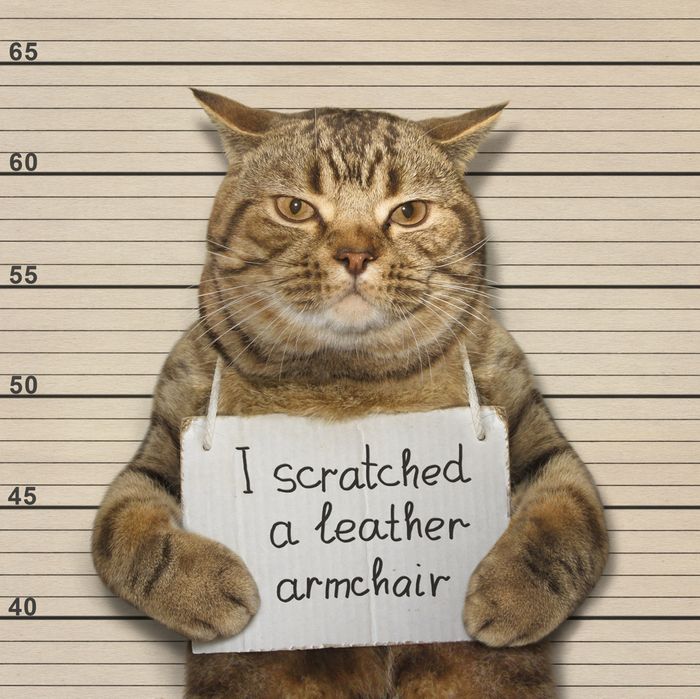
Credit: www.skaggsinc.com
Using Deterrents Effectively
Discourage cats from scratching furniture by using deterrents like double-sided tape or citrus sprays. Keep scratching posts nearby to redirect their behavior. Consistent training helps protect your home while ensuring your cat’s happiness.
If you’re tired of finding your furniture shredded by your feline friend, deterrents might be the solution you’re looking for. Cats love to scratch, and it’s a natural behavior, but that doesn’t mean your sofa has to suffer. Using deterrents effectively can protect your furniture and keep both you and your cat happy. Let’s explore some safe deterrent products and DIY solutions that you can use right at home.
Safe Deterrent Products
There are various products available that can discourage cats from scratching where they shouldn’t. Sticky tape is a popular choice. Cats dislike the feeling of sticky surfaces, making it an effective barrier on furniture corners. Another option is a spray deterrent. These sprays have scents that cats find unpleasant but are undetectable to humans. You can spray them on the areas you want to protect, and your cat will likely steer clear. Lastly, consider furniture protectors. These are clear plastic covers that you can attach to the corners of your furniture. They act as a physical barrier, preventing your cat from getting a grip on the fabric.
Diy Deterrent Solutions
If you prefer a more hands-on approach, DIY solutions can be both effective and cost-efficient. A simple solution is to use aluminum foil. Cats generally dislike the sound and feel of foil, so placing it on your furniture can deter them from scratching. Another DIY method is to make your own citrus spray. Cats tend to avoid citrus scents, so you can create a mixture of lemon or orange essential oil with water. Spray it lightly on your furniture and watch your cat give it a wide berth. You might also try using double-sided tape. Like sticky tape, it creates a texture that cats find unpleasant. Apply it to the areas where your cat scratches most often and see if it helps reduce the behavior. Have you found success with any deterrent methods? Which ones worked best for you? Understanding your cat’s preferences and dislikes is key to finding the most effective deterrents.
Protecting Furniture With Covers
Scratching is a natural behavior for cats, but it can wreak havoc on your beloved furniture. One simple and effective way to protect your furniture is by using covers. Furniture covers can act as a barrier between your cat’s claws and your treasured pieces. Whether you have a playful kitten or a seasoned feline, choosing the right cover can make all the difference in keeping your furniture scratch-free.
Types Of Furniture Covers
Furniture covers come in various materials and styles. Soft fabric covers are popular because they are easy to drape over furniture and provide a comfortable surface for your cat. They also come in fun patterns and colors to match your decor.
Vinyl covers offer a more robust defense against scratches. Their slick surface isn’t appealing for cats to claw, making them an excellent choice for persistent scratchers. They might not be as cozy as fabric covers, but they get the job done.
For a budget-friendly option, consider using old blankets or sheets as temporary covers. They might not be aesthetically pleasing, but they’re effective at deterring your cat’s claws until you find a permanent solution.
Installing Covers Properly
Proper installation of furniture covers is crucial for them to be effective. Ensure the cover fits snugly over your furniture so your cat can’t easily pull it off. Measure your furniture beforehand to get the right size.
Securing the cover is key. Use ties or clips to keep it in place, especially if your cat is known for tugging at loose edges. You could also tuck the cover tightly around cushions to make it harder for your cat to dislodge.
Think about your cat’s favorite spots. If your feline loves the arm of your couch, pay extra attention to securing covers in those areas. This proactive step can save you from unexpected scratches.
Are you tired of constantly replacing scratched furniture? Consider these practical tips to protect your pieces with covers. Which type of cover do you think would work best for your home? Share your thoughts below!
Regular Nail Trimming
Regular nail trimming is a key strategy to protect your furniture. Cats scratch to keep their claws sharp and healthy. Trimming their nails reduces the urge to scratch. It also minimizes potential damage to your belongings. This practice helps keep both your cat and your furniture happy.
Tools For Nail Trimming
Choose the right tools for nail trimming. Cat nail clippers or human nail clippers work well. Some people prefer guillotine-style trimmers. These are designed specifically for pets. Styptic powder is also essential. It stops bleeding in case of an accidental cut. Gather these items before you start trimming.
Safe Trimming Practices
Ensure your cat feels relaxed before starting. Hold their paw gently. Press the pad to extend the claws. Identify the pink area, known as the quick. Avoid cutting into this area. Trim only the sharp tip of each nail. Take your time and offer treats for good behavior. This helps your cat associate trimming with positive experiences.
Exploring Declawing Alternatives
Cats have a natural instinct to scratch. It keeps their claws sharp. Scratching also stretches their muscles. Many cat owners find scratched furniture frustrating. There are ways to stop this behavior without declawing.
Understanding Declawing
Declawing involves removing a cat’s claws. It’s a major surgery. It can cause pain and discomfort. Some countries have banned it. The process affects a cat’s natural behavior. It can lead to stress or anxiety. Understanding this helps in exploring other options.
Non-surgical Options
There are several non-surgical ways to prevent scratching. Use scratching posts as an alternative. Place them near furniture. Cats prefer them if well-placed. Choose posts with various textures. This keeps the cat interested.
Another option is nail caps. These are small caps placed on the cat’s nails. They prevent damage to furniture. They are easy to apply and safe. Regular trimming of nails also reduces scratching. Use a proper cat nail clipper for this.
Provide toys for distraction. Cats love interactive toys. They keep them engaged and reduce scratching. Always reward your cat for using alternatives. Positive reinforcement works well. It encourages good behavior.
Creating A Cat-friendly Environment
Cats love to scratch. It’s natural. But it can damage furniture. Creating a cat-friendly environment can help. This keeps both your cat and furniture safe. Encourage good behavior. Discourage bad habits. Let’s explore how.
Providing Enrichment
Enrichment keeps your cat happy. Toys are essential. They mimic prey. Balls, feathers, and mice work well. Rotate them often. This keeps your cat interested. Puzzle toys challenge their mind. Treats inside increase excitement. Scratching posts are vital. Choose sturdy ones. Sisal is a good material. Place them in favorite spots. Near windows or beds. Reward use with praise. Or a treat.
Designing Cat Zones
Designated areas help control scratching. Create cozy spaces. Use soft blankets or beds. High perches offer views. Cats love to observe. Add climbing trees. They satisfy the urge to climb. Scratching zones should be varied. Different heights and textures. Keep them accessible. Close to where your cat relaxes.
Frequently Asked Questions
What Home Remedy Will Keep Cats From Scratching Furniture?
Use double-sided tape on furniture to deter cats from scratching. Cats dislike sticky surfaces. Place scratching posts nearby as alternatives. Spray citrus scents or use a vinegar solution to repel them. Trim their nails regularly to minimize damage.
How Do I Protect My Furniture From Cat Scratching?
Use scratching posts and deterrent sprays. Trim your cat’s nails regularly. Cover furniture with protective covers. Provide toys and engage your cat in play. Use double-sided tape on furniture edges.
What Can I Spray On My Furniture To Keep Cats From Scratching?
Use a pet-safe deterrent spray on furniture to prevent cat scratching. Citrus-based sprays work well. Test on a small area first.
At What Age Do Cats Stop Clawing?
Cats may continue clawing throughout their lives. Training and providing scratching posts can reduce unwanted clawing. Cats claw to mark territory, stretch, and maintain nail health. Early training helps minimize destructive scratching. Encourage appropriate clawing with toys and posts.
Conclusion
Keeping your cat from scratching furniture takes patience and creativity. Provide scratching posts nearby. They love variety, so mix textures. Use deterrent sprays on furniture. These can redirect their scratching. Regular nail trims help reduce damage. Engage them with toys and playtime.
A tired cat scratches less. Always reward good behavior. A little training goes a long way. Cats need to scratch; guide them wisely. Your furniture will thank you. And your cat will be happier too. It’s about balance and understanding their needs.
Simple steps can make a big difference. Enjoy a peaceful home with happy pets.

Similar Posts