How Does a Vet Neuter a Cat: Step-by-Step Guide
Have you ever wondered what goes into the process of neutering your cat? As a caring pet owner, you want to ensure your feline friend receives the best care possible, especially when it comes to surgical procedures like neutering.
This article will uncover the mysteries behind how a vet neuters a cat, ensuring you’re equipped with the knowledge to make informed decisions for your furry companion. Understanding the details of this procedure can alleviate any concerns you might have, providing peace of mind and assurance that you’re doing what’s best for your cat’s health and well-being.
Keep reading to discover everything you need to know about this vital veterinary practice.
Credit: ecolieu-plandupont.org
Pre-surgery Preparations
Preparing a cat for neutering involves several important steps. These steps ensure the cat’s safety and comfort. Each step is crucial for a successful procedure.
Health Assessment
Before surgery, the vet conducts a health assessment. This check-up evaluates the cat’s overall health. The vet checks for any underlying conditions. They assess the heart, lungs, and body temperature. This ensures the cat is fit for surgery.
Fasting Instructions
Fasting before surgery is vital. The vet will provide specific instructions. Usually, cats must fast for 12 hours. This means no food, but water is often allowed. Fasting prevents complications during anesthesia.
Consent And Documentation
Consent from the cat owner is required. The vet explains the procedure in detail. Owners must sign a consent form. This document ensures understanding and agreement. It also includes the cat’s medical history.
Credit: www.pdsa.org.uk
Anesthesia Administration
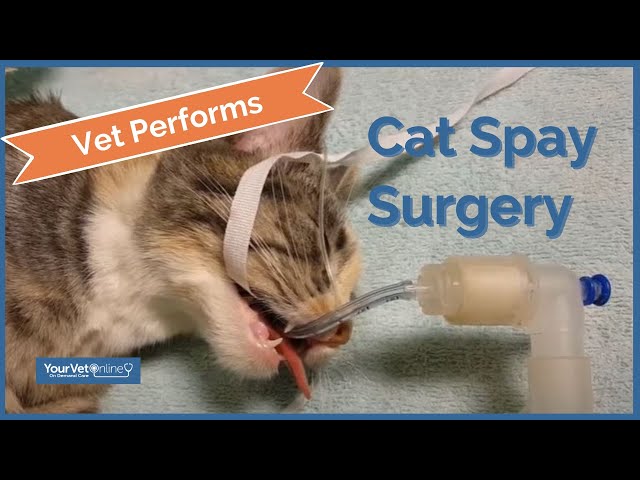
Understanding how a vet neuters a cat involves learning about anesthesia administration. It’s a crucial step ensuring the cat’s comfort during the procedure. This process requires precision and care. Vets use anesthesia to prevent pain and keep the cat still.
Types Of Anesthesia
Vets choose from several types of anesthesia. General anesthesia is common. It makes the cat unconscious. Local anesthesia numbs a specific area. Sedation calms the cat but doesn’t cause full unconsciousness. The vet selects the best type based on the cat’s health.
Monitoring Vital Signs
Monitoring vital signs is essential during anesthesia. Vets watch the cat’s heart rate closely. They also track breathing patterns. Blood pressure is checked regularly. These measurements ensure the cat remains safe. Any abnormal signs require immediate attention. Monitoring helps prevent complications.
Surgical Procedure
Neutering a cat is a common surgical procedure that veterinarians perform to help control the pet population and improve your feline friend’s health. Understanding what happens during this surgery can ease your concerns and prepare you for post-operative care. The procedure is straightforward, yet it requires precision and expertise to ensure your cat’s safety and quick recovery.
Incision Technique
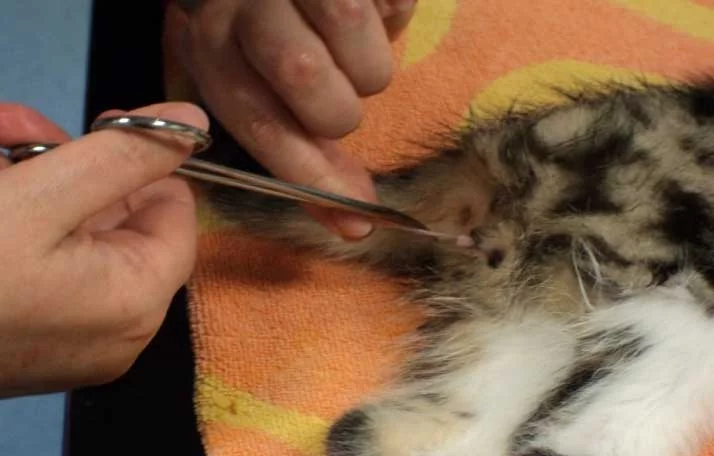
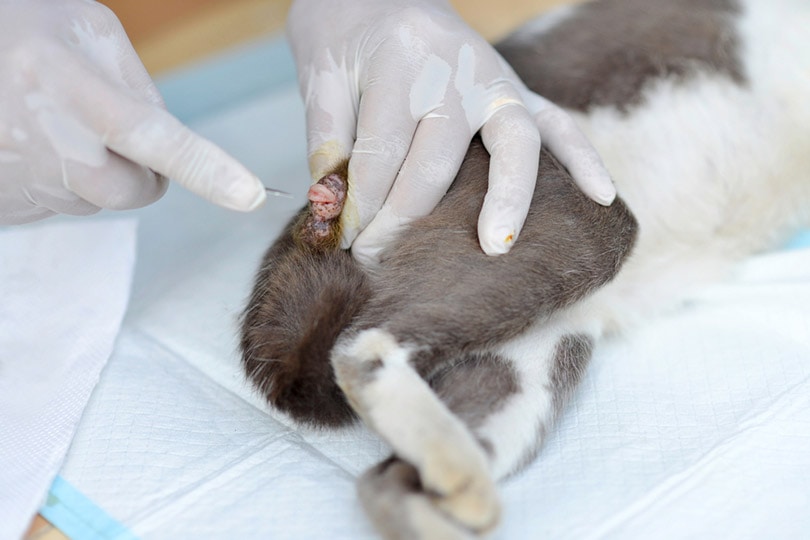
The vet begins by making a small incision on the scrotum. The size and location of this cut are crucial for minimizing trauma and speeding up healing. Cats typically have very thin skin, making this part of the procedure relatively quick. You might find it surprising how swiftly and calmly vets manage to perform this step, ensuring your cat feels minimal discomfort.
Removal Of Testicles
Once the incision is made, the vet carefully removes the testicles. They do this by tying off the blood supply with a special knot, which prevents bleeding. This technique is performed with precision, and it requires a steady hand and keen attention to detail. You may wonder why this step is necessary—it’s crucial for eliminating any risk of future reproductive activity and reducing hormone-driven behaviors.
Suturing And Closure
After the testicles are removed, the vet closes the incision with sutures. These stitches are often dissolvable, meaning you won’t need to return for their removal. The suturing process is fast, and it helps keep the wound clean and protected from infection. As you watch your cat post-surgery, you’ll notice how quickly they bounce back, which might surprise you given the nature of the operation.
Neutering is a simple procedure with significant benefits for your pet’s health and behavior. Understanding these steps can help you feel more comfortable with the process and better prepared to care for your cat afterward. Have you ever wondered how much more relaxed your home could be with fewer hormone-driven antics from your feline friend?
Post-surgery Care
Veterinarians neuter a cat through a simple surgical procedure. They make a small incision to remove the testicles. Post-surgery, proper care ensures a smooth recovery for your feline friend.
Neutering your cat is a responsible decision, but what happens after the surgery is equally important. Post-surgery care is crucial to ensure your feline friend recovers smoothly. You’ll need to keep a close eye on your cat’s behavior, help manage pain, and follow diet and activity guidelines. Ready to dive into some practical tips?
Recovery Monitoring
After surgery, your cat may be a bit disoriented. Watch for signs like excessive sleeping or grogginess. Keep checking the incision site for redness or swelling. These could be signs of infection. A friend’s cat once managed to sneak a snack post-surgery and ended up with a swollen belly. Lesson learned: monitor your cat closely!
Pain Management
Pain relief is vital. Your vet will likely provide medication. Follow their instructions carefully. Don’t let your cat suffer in silence. A quiet cat may still be in pain. You might notice your cat avoiding certain activities. It’s a cue to ensure they are comfortable and pain-free.
Diet And Activity Guidelines
Your cat may have a reduced appetite post-surgery. Offer small, easy-to-digest meals. Avoid vigorous play. Your cat needs rest, not a marathon chase around the house. Can you imagine trying to run a 5K right after surgery? Your cat feels the same way, so keep activities light and gentle. Remember, each cat is unique. Stay tuned to their needs, and don’t hesitate to reach out to your vet for guidance. How will you ensure your cat feels supported during their recovery?
Potential Complications
Neutering a cat may lead to complications like infection, bleeding, or anesthesia reactions. Swelling or redness around the incision might occur. Regular check-ups help ensure your cat’s recovery is smooth and problem-free.
Neutering your cat is a responsible decision, but it’s natural to be concerned about potential complications. While the procedure is generally safe, understanding the risks can help you take better care of your feline friend. You might wonder, what could go wrong? Let’s dive into some of the potential complications that can occur after neutering a cat.
Signs Of Infection
After surgery, keep an eye on your cat for signs of infection. Watch for symptoms like redness, swelling, or discharge at the incision site. If you notice your cat licking the area excessively, this might be a sign that something’s wrong. Fever and lethargy are also red flags. If your cat seems more tired than usual, it could mean an infection is brewing. In these cases, consulting your vet is crucial.
Handling Adverse Reactions
Sometimes, cats can have adverse reactions to anesthesia or pain medications. Pay attention to how your cat behaves after surgery. Vomiting or diarrhea might indicate a bad reaction to medication. These symptoms should not be ignored. Observe your cat’s balance and coordination. If they seem unusually unsteady, it might be an issue related to anesthesia. Quick action by contacting your vet can prevent further complications. Neutering is a significant step, and while complications are rare, they do happen. Being informed about potential issues can prepare you to handle them effectively. Have you ever faced a situation where you wished you knew more about post-surgery care? Understanding these signs can make a huge difference in your cat’s recovery.
Benefits Of Neutering
Neutering a cat offers many advantages. This simple procedure promotes a healthier, happier life. It benefits both the cat and the owner. Let’s explore how neutering can improve your cat’s well-being.
Health Advantages
Neutering helps prevent certain diseases. Male cats face a lower risk of testicular cancer. It also reduces prostate problems. For female cats, the risk of uterine infections drops. Early neutering minimizes breast cancer risks.
Neutered cats often live longer. They engage in fewer risky behaviors. Reduced roaming decreases the chance of injury. A safer, healthier cat is a happier companion.
Behavioral Improvements
Neutering improves cat behavior significantly. It reduces aggressive tendencies. Male cats become less territorial. This leads to fewer fights with other cats. Your cat becomes more sociable.
Spraying is a common issue. Neutering can reduce this unpleasant behavior. Cats mark less frequently, keeping your home cleaner.
Less roaming means less stress. Your cat will feel more content staying indoors. This leads to a calmer, more peaceful pet.
Credit: www.tiktok.com
Frequently Asked Questions
What Do Vets Do When Neutering A Cat?
Vets perform neutering by making a small incision to remove the cat’s reproductive organs. The procedure prevents reproduction and reduces unwanted behaviors. They provide post-surgery care instructions for a smooth recovery. Neutering is a common and safe procedure, enhancing the cat’s health and well-being.
How Long Does It Take For A Cat To Recover From A Neuter?
Cats usually recover from neutering within 5 to 7 days. Ensure they rest and avoid vigorous activities. Monitor the incision site for any signs of infection or complications. Consult your vet if there are any concerns during the recovery process.
How Do Vets Neuter Cats Without Stitches?
Vets use a technique called “scrotal castration” for neutering cats without stitches. This involves small incisions that heal naturally. The procedure reduces infection risks and speeds up recovery. It’s quick and safe, ensuring the cat’s comfort and health during and after the process.
Is It Painful For Male Cats To Get Neutered?
Neutering male cats involves minimal pain. Veterinarians use anesthesia during the procedure to ensure comfort. Post-surgery, pain is manageable with prescribed medications. Most cats recover quickly and resume normal activities within a few days. Always consult your vet for specific care instructions.
Conclusion
Neutering a cat is a simple and important procedure. It helps control the pet population and benefits your cat’s health. The vet removes the reproductive organs safely. Your cat will recover quickly with care. Less roaming. Less aggressive behavior. More comfort at home.
This procedure is a responsible choice for pet owners. It ensures your cat lives a healthier, happier life. Always consult with a trusted vet for guidance. Your cat’s well-being is a priority. Understand the process. Make informed decisions. Your cat deserves the best care possible.