How Long Cat Not Eating before Vet: Urgent Warning Signs
Imagine coming home to find your usually energetic cat refusing to eat. You might feel a rush of worry, wondering what could be wrong.
Your mind races with questions, and one of the most pressing might be: “How long can my cat go without eating before I need to call the vet? ” You’re not alone in this concern. As a dedicated pet owner, your cat’s well-being is a top priority, and understanding the urgency of their dietary habits is crucial.
We’ll delve into the reasons behind your cat’s sudden lack of appetite, signs you should watch for, and when it’s time to seek professional help. By the end, you’ll feel empowered to make informed decisions, ensuring your furry friend gets the care they deserve. Keep reading to discover how you can take action and ensure your cat’s health remains in peak condition.

Credit: www.hillcrestanimals.com
Common Reasons Cats Stop Eating
Cats may stop eating due to stress, illness, or changes in their environment. It’s crucial to consult a vet if your cat hasn’t eaten for 24 hours, as prolonged fasting can lead to serious health issues. Quick action ensures your furry friend’s well-being.
Cats can be mysterious creatures. Sometimes, they refuse to eat, causing worry for pet owners. Understanding why a cat stops eating is important. A loss of appetite can signal various issues. From stress to illness, many factors can affect a cat’s eating habits. Let’s explore some common reasons cats stop eating.
Stress And Anxiety
Cats are sensitive to their environment. Changes in their surroundings can cause stress. New pets, moving homes, or loud noises can upset them. A stressed cat might refuse food. Creating a calm space can help. Soft bedding and quiet areas may reduce anxiety.
Dental Problems
Dental issues can make eating painful for cats. Gum disease, tooth decay, or mouth injuries are common. Check your cat’s mouth for signs of discomfort. Swollen gums or bad breath are red flags. Regular dental check-ups can prevent these problems.
Illness Or Disease
Illness can suppress a cat’s appetite. Viral infections, kidney disease, or digestive problems are possible causes. Observe your cat for other symptoms. Lethargy, vomiting, or diarrhea may accompany appetite loss. A vet visit is crucial for a proper diagnosis.
Diet Changes
Cats are creatures of habit. Sudden changes in their diet can lead to refusal. Introducing new food should be gradual. Mixing the new food with the old can ease the transition. Watch for allergies or intolerances. Cats can be picky eaters, so patience is key.
Behavioral Warning Signs
Recognizing the Behavioral Warning Signswhen your cat stops eating can be crucial in determining whether a trip to the vet is necessary. Cats are creatures of habit, and any deviation from their routine could indicate underlying health issues. By paying close attention to their behavior, you can catch these signals early and potentially prevent more serious problems.
Sudden Withdrawal
Have you noticed your once sociable cat hiding more often? Cats may withdraw suddenly when they’re feeling unwell or stressed. If your cat starts avoiding interaction, it could be a sign that something is amiss. This change might even be subtle, like spending more time under the bed or in a closet.
Changes In Grooming Habits
Is your cat neglecting its usual grooming routine? Cats are meticulous groomers, and a lack of grooming can signal discomfort or illness. A dull coat or matted fur might mean your cat isn’t feeling well enough to groom itself. You might also see excessive grooming in specific areas, indicating irritation or pain.
Excessive Meowing Or Vocalization
Does your cat seem to be meowing more than usual? Increased vocalization can be a sign that your cat is trying to communicate distress. It might express hunger, discomfort, or even loneliness. Consider what your cat might be trying to tell you through its increased vocal efforts.
Have you ever thought about what your cat might be going through during these changes? Observing these behavioral signs not only helps in understanding your cat’s needs but also fosters a deeper bond. Being attentive can make all the difference in ensuring your furry friend’s health and happiness.
Physical Warning Signs
Cats are usually good at hiding illness. But they show signs when unwell. Knowing these signs helps in taking quick action. This section discusses the physical signs indicating your cat needs attention.
Weight Loss
Notice your cat’s weight drop suddenly? This can be a concern. Cats not eating may lose weight fast. Check their ribs and spine. You might feel them more than usual. Weight loss is a clear sign to consult a vet.
Lethargy
Is your cat sleeping more than usual? A lack of energy might indicate a problem. Cats not eating often feel tired. They may sleep all day. Watch for changes in their activity levels. Lethargy can mean they need medical attention.
Vomiting
Is your cat vomiting often? This is not normal. Occasional hairballs are okay. But frequent vomiting is a red flag. It may be linked to not eating. Keep track of how often it occurs. If it happens a lot, visit the vet soon.
Timeframe For Concern
Understanding when to worry about your cat’s eating habits is crucial. Cats are known for their independent nature. Sometimes, they may refuse food for various reasons. But how long is too long? Knowing the timeframe for concern can help pet owners act promptly.
24 Hours Of Refusal
If your cat hasn’t eaten for 24 hours, monitor them closely. Short-term fasting can be normal. Cats might skip meals due to stress or changes. Consider recent changes in the environment. Have you moved furniture or introduced new pets? Stress can affect appetite.
48 Hours Of Refusal
Two days without eating raises the concern level. Cats need regular nutrition. Prolonged refusal may hint at underlying health issues. Check for symptoms like vomiting or lethargy. These signs indicate possible health problems. It’s wise to consult a vet soon.
72 Hours Of Refusal
Three days of food refusal is alarming. Serious health risks arise from prolonged fasting. Fatty liver disease can develop in cats quickly. This condition is life-threatening. Immediate veterinary attention is necessary. Ensure your cat gets the help they need.
Steps To Take Before Visiting The Vet
Cats can skip meals, but not for more than 24 hours before a vet visit is needed. Monitor hydration and energy levels closely. Any signs of weakness or dehydration require immediate attention from a professional.
When your cat suddenly stops eating, it’s natural to worry. Before rushing to the vet, consider taking a few proactive steps. By monitoring your cat’s behavior and environment, you might uncover clues that could save you a trip or help your vet make a quicker diagnosis. Here are some actions you can take before that vet visit:
Monitoring And Recording Behavior
Start by observing your cat’s behavior closely. Note any changes in their activity levels or mood. Are they hiding more often? Do they seem lethargic or agitated? Keep a journal to record these observations. Tracking their habits can give insights into their health. You might notice patterns or triggers that explain the loss of appetite. This information is invaluable for your vet, helping them understand the situation better.
Offering Different Food Options
Cats can be picky eaters. Have you tried offering different types of food? Sometimes, a simple change in diet can reignite their interest in eating. You could try wet food, dry food, or a mix of both. Experiment with flavors and textures. Cats have preferences just like people do. You might find that your cat has developed a taste for something new. It’s worth trying before assuming there’s a serious issue.
Maintaining A Calm Environment
Stress can cause cats to lose their appetite. Is there anything in your home environment that’s changed recently? Loud noises, new pets, or even rearranged furniture can unsettle them. Create a calm and soothing space for your cat. Consider using pheromone diffusers or soft blankets where they rest. A peaceful environment might just encourage them to eat again. Have you noticed any similar situations with your cat before? Sometimes, reflecting on past experiences can offer solutions. What actions did you take then, and how did your cat respond?

Credit: www.sharonlakes.com
When To Seek Immediate Veterinary Attention
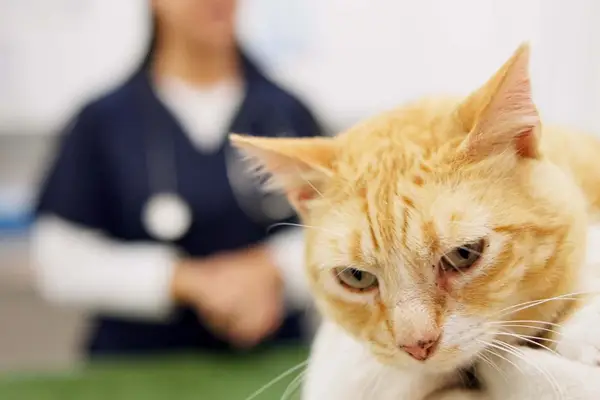
Cats are known for their independent nature, but a sudden refusal to eat can signal serious health issues. Knowing when to seek veterinary help is crucial. If your cat hasn’t eaten for more than 24 hours, immediate action is needed. Certain symptoms can indicate a more urgent situation. Below are key signs that warrant a visit to the vet.
Severe Symptoms
Look for extreme lethargy or weakness. These are warning signs. Sudden weight loss can indicate deeper problems. Vomiting or diarrhea alongside not eating is concerning. Breathing difficulties or a bloated abdomen require urgent attention. These symptoms can signal a medical emergency.
Persistent Refusal To Eat
If your cat avoids food for over 24 hours, act quickly. This is not normal behavior. Cats need regular meals for health. Extended fasting can lead to liver problems. Always monitor your cat’s eating habits closely. Early detection of issues is vital.
Signs Of Pain Or Distress
Notice any unusual behavior? Hiding or excessive meowing can indicate pain. Lethargy or reluctance to move are red flags. A hunched posture might suggest discomfort. Sudden aggression or irritability can also be signs. These symptoms require prompt veterinary care.
Credit: gsvs.org
Frequently Asked Questions
How Long Should I Let My Sick Cat Go Without Eating?
A sick cat shouldn’t go without eating for more than 24 hours. Cats can develop liver issues quickly. Consult a vet if your cat refuses food. Encourage eating by offering wet food or treats. Prompt action can help prevent complications and ensure your cat’s health.
What Happens When A Cat Doesn’t Eat For 3 Days?
A cat not eating for 3 days can lead to serious health issues, like liver disease. Consult a vet immediately to address potential underlying problems and ensure your cat’s well-being. Prompt action is crucial to prevent complications and restore your cat’s appetite and health.
What Can A Vet Do For A Cat Not Eating?
A vet can assess your cat’s health and diagnose issues causing appetite loss. Treatment may include dietary changes, medication, or addressing underlying conditions. Regular check-ups ensure your cat’s well-being and prevent serious problems. Early intervention is vital for maintaining your pet’s health and happiness.
How Long Will Cats Refuse To Eat?
Cats can refuse to eat for up to 24 hours. Longer refusal can be dangerous. Consult a vet if it persists.
Conclusion
A cat not eating can signal health issues. Act quickly. Observe for changes in behavior, energy, or mood. Loss of appetite may indicate underlying problems. Contact a vet if your cat avoids food for more than 24 hours. Timely action can prevent serious complications.
Cats need proper nutrition for health and happiness. Regular check-ups help catch issues early. Keep an eye on your pet’s eating habits. Consult professionals when needed. Your cat’s well-being depends on attentive care. Stay informed and proactive. Protect your furry friend with prompt decisions.
A healthy cat is a happy cat.