How Many Tins of Cat Food Per Day: Essential Guide
Are you ever puzzled by how many tins of cat food your beloved feline should be devouring each day? You’re not alone.
Determining the right amount of food to keep your cat healthy and happy can be a tricky task. The good news is, you’re about to uncover the secrets to getting it just right. Imagine knowing exactly what your furry friend needs, ensuring they stay energetic and purrfectly content.
You’ll find easy-to-follow advice and tips that will transform your feeding routine, making meal times a breeze and your bond with your cat stronger than ever. Let’s dive in to discover how many tins of cat food you should be serving up daily, and why it matters more than you might think.
Factors Affecting Cat Food Quantity
Feeding your feline friend involves more than just opening a tin of cat food. The quantity you should feed your cat depends on several factors that are often overlooked. Understanding these factors can ensure your cat remains healthy and happy, avoiding overfeeding or underfeeding. Let’s break down the key elements that impact how many tins of cat food your cat might need each day.
Age Of The Cat
The age of your cat plays a significant role in determining how much food they require. Kittens are bundles of energy and need more food to support their rapid growth. They often require several small meals throughout the day. Adult cats, however, might only need two meals daily, depending on their size and breed. Senior cats may need fewer calories unless health issues suggest otherwise. Remember that your cat’s age is not just a number; it’s a guide to their nutritional needs.
Activity Level
Is your cat a couch potato or a curious explorer? A cat’s activity level can dramatically affect their caloric needs. Active cats that spend their days climbing, exploring, or playing will burn more calories, needing more food to fuel their adventures. In contrast, sedentary cats require fewer calories to maintain a healthy weight. If your cat’s activity level changes, adjust their food intake accordingly. Have you noticed any changes in your cat’s behavior that might suggest they need more or less food?
Health Conditions
Certain health conditions can impact how much food your cat needs. Overweight cats may need a controlled diet to help them shed extra pounds. Cats with hyperthyroidism might require more calories, while those with kidney disease might need specialized diets. It’s essential to consult with a vet if your cat has any health concerns. They can provide specific dietary recommendations to suit your cat’s needs. Are you aware of any health issues that might be affecting your cat’s diet?
By considering these factors, you can tailor your cat’s meals to suit their unique needs. Remember, each cat is different, and their food requirements can change over time. Stay observant and ready to adjust as needed to keep your feline friend in top shape.
Understanding Cat Nutritional Needs
Feeding your cat might seem straightforward, but there’s a lot more to it than just opening a tin of cat food. Cats have specific nutritional requirements that ensure they stay healthy and active. Knowing what your feline friend needs can make a big difference in their overall well-being.
Caloric Requirements
How much food does your cat need? It’s a question many cat owners ask. Caloric needs vary based on age, weight, and activity level. An average adult cat might need about 250 to 300 calories per day. Kittens and active cats might require more.
Calculating these needs can be tricky. Consider using online calculators or consulting with your vet. A simple tip is to monitor your cat’s weight and adjust their food intake accordingly.
Protein And Fat Needs
Cats are obligate carnivores, meaning they need meat to thrive. Protein is essential for building muscles, repairing tissues, and producing enzymes. High-quality cat food should have around 30% protein.
Fat is another crucial nutrient. It provides energy and helps in absorbing vitamins. Look for cat food with at least 15% fat content. Does your cat have a shiny coat? That’s often a sign of balanced fat intake.
Hydration Importance
Did you know cats often don’t drink enough water? Hydration is key, especially if your cat eats dry food. Wet cat food can help increase their moisture intake. It mimics the water content found in prey.
Try adding water to dry kibble or offering a pet water fountain. These little changes can make a big difference. How often do you check your cat’s water bowl? Keeping it fresh encourages regular drinking.
Understanding your cat’s nutritional needs is vital for their health. Are you feeding them the right amount? Take a moment to review their diet and ensure they get what they need. Your cat will thank you with purrs and cuddles!
Types Of Cat Food
Choosing the right cat food can be overwhelming. Different types cater to different needs. Understanding these options helps you make informed decisions. Let’s explore the types of cat food available.
Wet Food Vs. Dry Food
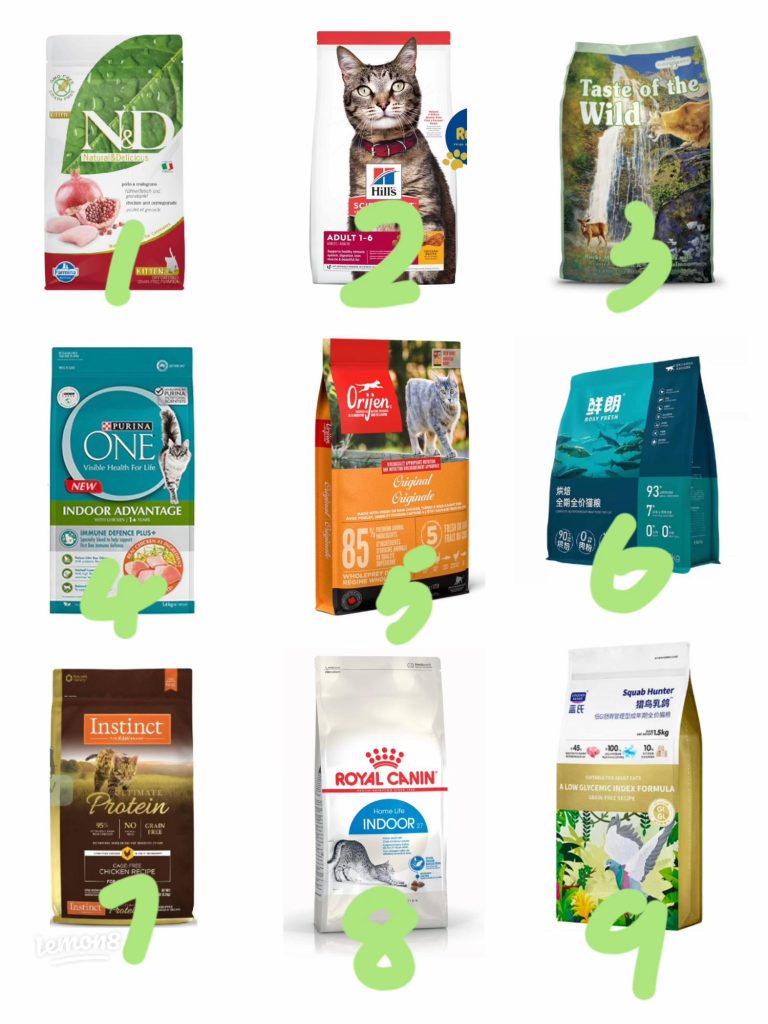
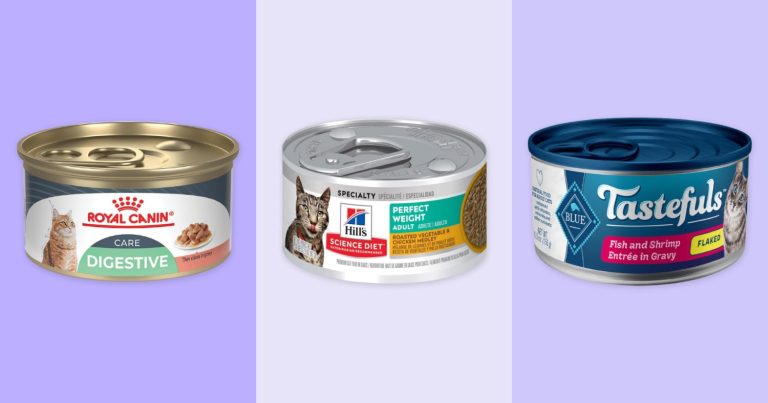
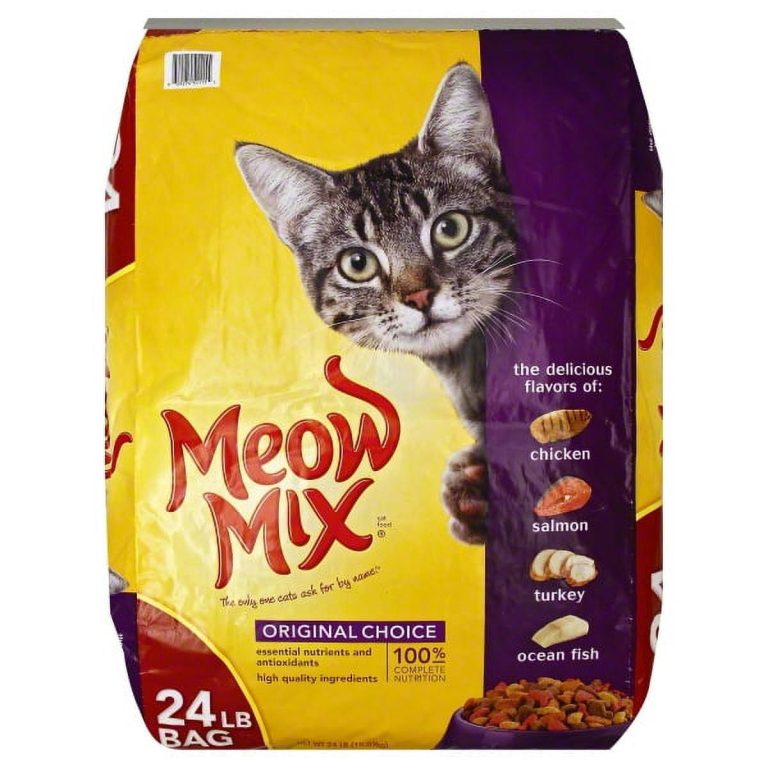
Wet food contains more moisture. This helps keep your cat hydrated. It’s often more appealing to cats due to its texture. Wet food can be more expensive and less convenient to store. Dry food, on the other hand, is more affordable. It has a longer shelf life. It’s also easier to store and serve. Many cats enjoy the crunchy texture. Both types have their benefits and drawbacks.
Specialty Diets
Some cats require special diets. These diets address specific health issues. There are options for weight management and allergies. Some foods support urinary health. Others focus on dental care. Consult your vet for guidance on specialty diets. They can help determine the best choice for your cat’s health needs.
Homemade Options
Some cat owners prefer homemade food. This option allows for complete control over ingredients. You can ensure freshness and quality. It’s important to research balanced recipes. Consult your vet before switching to homemade diets. Not all homemade foods meet cats’ nutritional needs. Proper balance is crucial for your cat’s health.

Credit: www.pinterest.com
Calculating Daily Food Tins
Determine the right amount of cat food tins daily for your furry friend. Consider your cat’s age, size, and activity level. Adjust portions to maintain a healthy weight and energy.
Calculating how many tins of cat food your feline friend needs daily can be puzzling. Each cat has unique needs based on size, weight, age, and activity level. Understanding these factors helps ensure your pet stays healthy and happy.
Weight And Size Considerations
A cat’s weight plays a major role in feeding amounts. Larger cats often need more food than smaller ones. Always check your cat’s weight and size. This ensures you provide the right nutrition. A vet can help assess your cat’s ideal weight.
Feeding Guidelines
Each tin of cat food has feeding guidelines. These guidelines suggest how much food to give based on cat weight. Always read the label. It often provides valuable insights. Don’t forget to adjust according to your cat’s needs.
Adjusting For Activity
Activity level affects a cat’s food requirements. Active cats may need more food than sedentary ones. Observe your cat’s daily activities. Adjust food quantities to suit their energy output. This keeps them fit and energized.
Signs Of Overfeeding Or Underfeeding
Feeding your cat the right amount is crucial for its health. Too much or too little can lead to serious issues. Observing certain signs can help you determine if adjustments are needed.
Weight Changes
Sudden weight gain might suggest overfeeding. Cats may become less active. Excess weight can lead to health problems like diabetes. On the other hand, noticeable weight loss can indicate underfeeding. Cats may look skinny and weak. Regular weight checks are important.
Behavioral Indicators
Overfed cats may be less playful. They might sleep more than usual. Underfed cats often appear restless. They may beg for food constantly. Changes in behavior should raise a red flag.
Health Symptoms
Overfeeding can cause digestive issues. Cats might have loose stools. Vomiting is another sign of overeating. Underfed cats may suffer from hair loss. They can have dry skin and dull fur. Watch for these health symptoms closely.

Credit: www.wellnesspetfood.com
Tips For Feeding Cats
Understanding how many tins of cat food per day depends on your cat’s age, weight, and activity level. Generally, adult cats need around one to three tins daily. Adjust portions based on your pet’s health and veterinarian advice for balanced nutrition.
Feeding your cat might seem straightforward, but getting it right is crucial for their health and happiness. Ensuring your feline friend receives the right nutrition involves more than just opening a can of food. It requires thoughtful planning and observation. Here are some practical tips to help you feed your cat effectively and responsibly.
Creating A Feeding Schedule
Establishing a feeding schedule helps maintain your cat’s routine. It can prevent overeating and promote better digestion. Try feeding your cat at the same times each day, such as in the morning and evening. Consistency is key. Cats thrive on routine and knowing when to expect their meals reduces anxiety. If you have a busy lifestyle, consider using an automatic feeder. It can dispense the right amount of food at set times, ensuring your cat never misses a meal.
Monitoring Food Intake
Keeping an eye on how much your cat eats can provide insights into their health. Sudden changes in appetite might indicate a health issue. Track your cat’s eating habits by noting the amount they eat each day. Use a simple notebook or a mobile app to record this information. If your cat consistently leaves food behind, it might be time to adjust portion sizes. On the other hand, if they seem hungry after meals, they might need a bit more.
Using Portion Control
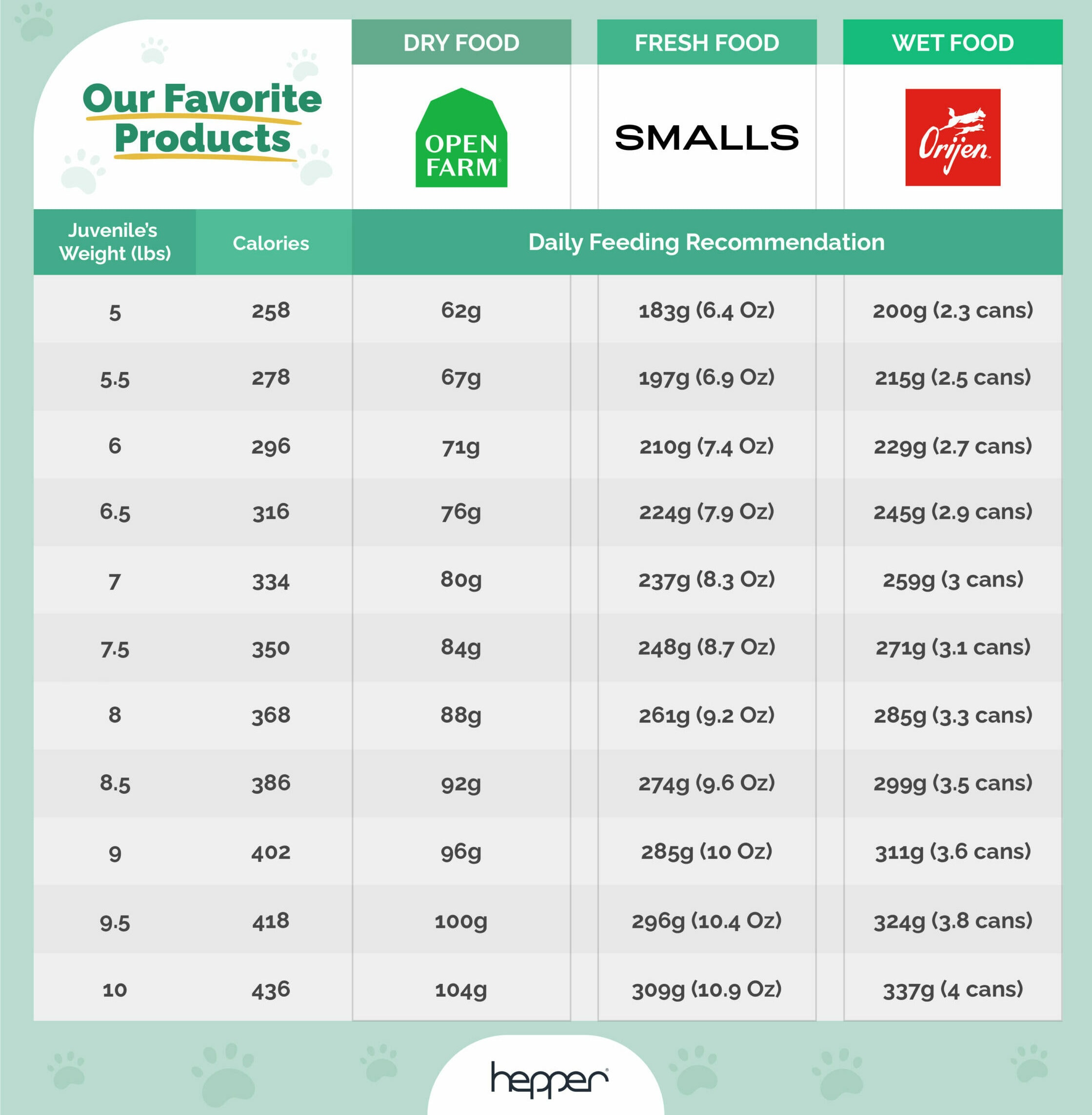
Portion control prevents overfeeding, which can lead to obesity. Use a kitchen scale to measure the exact amount of food. The label on the cat food tin provides guidelines on how much to serve based on weight and age. Always start with these recommendations and adjust as needed. Remember, treats count too. If you offer treats, reduce the amount of regular food slightly to balance the calorie intake. Have you ever noticed how a little change in your cat’s diet can affect their energy levels or mood? Paying attention to these details can make all the difference in your pet’s well-being. By creating a thoughtful feeding strategy, you’re not just filling their bowl; you’re nurturing their health and happiness.
Credit: www.embassyofpakistanusa.org
Frequently Asked Questions
How Many Cans Of Food Should A Cat Eat A Day?
Cats typically need one can of food per day, split into two meals. Consider their weight and activity level for adjustments. Always consult your veterinarian for precise feeding recommendations tailored to your cat’s needs.
Is 2 Cans A Day Too Much For A Cat?
Feeding 2 cans daily can be excessive for most cats. Portion depends on size, age, and activity level. Consult your vet for personalized advice. Monitor your cat’s weight and health to ensure proper nutrition.
How Many Tins Of Cat Food Daily?
The number of tins depends on your cat’s weight and activity level. Generally, a typical cat consumes about one to two tins per day. However, always refer to the feeding guidelines on the tin and consult your vet for personalized advice.
Should I Feed My Cat Wet Or Dry Food?
Both wet and dry cat food have their benefits. Wet food provides hydration and is often more palatable. Dry food is convenient and can help with dental health. A balanced combination of both can meet your cat’s nutritional needs effectively.
Conclusion
Finding the right amount of cat food is crucial. Cats need balanced nutrition for health. The number of tins depends on the cat’s size, age, and activity. Always check the label for guidance. Consult your vet for personalized advice. Consider wet and dry food combinations.
Monitor your cat’s weight and adjust portions. Keep an eye on their behavior and energy levels. A healthy cat is a happy cat. Proper feeding ensures vitality and well-being. Remember, every cat is unique. Tailor their diet for the best care.
Aim for a healthy, thriving feline friend.